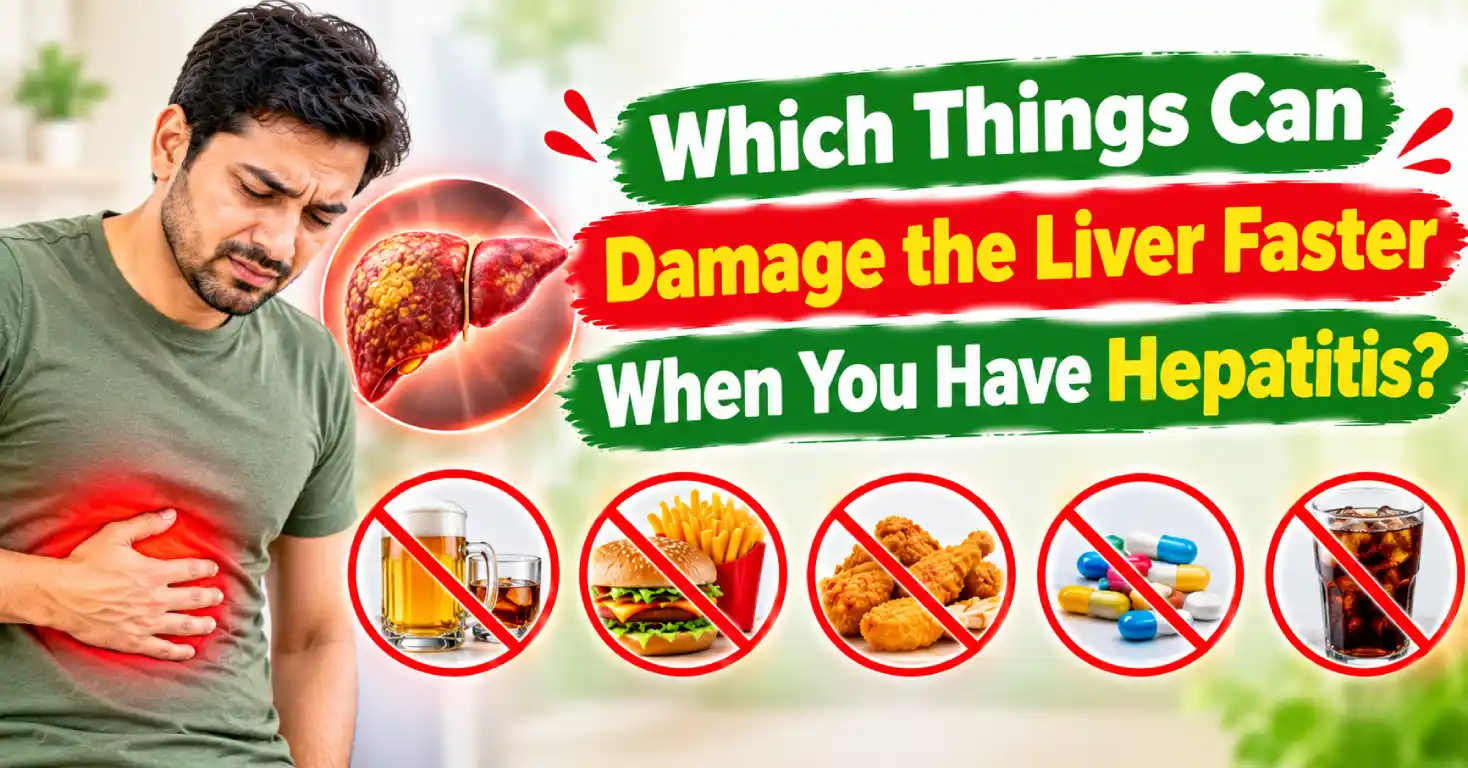
Which Things Can Damage the Liver Faster When You Have Hepatitis?
When you have hepatitis, your liver is already working overtime just fighting inflammation; which means things like alcohol, over-the-counter painkillers taken without a second thought, high-fat meals, and toxins you don't even notice can do damage a lot faster than they would otherwise. Picture your liver as someone pulling a double shift who's already exhausted; even one small extra task feels like way too much.
Understanding what actually speeds up that strain is the real key to avoiding long-term scarring and keeping your body's main filter running the way it should. Let's walk through the everyday habits, the less obvious culprits, and the lifestyle factors that put your liver on the fast track to trouble.
The Big Players: What Accelerates Liver Damage?
Your liver is genuinely remarkable; it's the only organ in the body that can regenerate itself. But once viral inflammation is in the picture, its defenses are already down. Piling extra stress on top of that is basically throwing gasoline on a fire that's already burning.
1. Alcohol: The Ultimate Speed Demon
If your liver had one true enemy during active viral inflammation, it's alcohol. It breaks down into acetaldehyde, a genuinely harsh toxin that damages tissue directly. A well-known study in the Journal of Hepatology found that people with viral inflammation who drank even moderate amounts saw their progression toward cirrhosis speed up significantly compared to non-drinkers.
2. Over-the-Counter Meds & Painkillers
Reaching for a pill because of a minor headache feels harmless enough. But common painkillers like acetaminophen (paracetamol) get processed directly by the liver. When it's already inflamed, its ability to clear out toxic byproducts drops; which means even a "standard" dose can turn out riskier than you'd think.
3. Deep-Fried and Hyper-Processed Foods
A diet heavy in saturated fat, refined sugar and high-fructose corn syrup forces the liver to start storing excess fat. That leads to a secondary problem; fatty liver; which just piles more stress on top of what's already there.
4. Environmental Toxins and Hidden Chemical Hazards
Fumes from heavy-duty cleaning products, pesticide residue on unwashed produce, industrial solvents; all of it needs deep filtering. When your liver is already compromised, these chemicals stick around in your bloodstream longer than they should, driving up oxidative stress.
The Natural Path to Recovery and Balance
Caring for an inflamed liver calls for a gentle, holistic approach. A lot of people go looking for natural treatment for hepatitis as a way to ease the load on their digestive system without piling on harsh chemicals. Traditional wellness practices tend to focus on cooling internal heat (Pitta, in Ayurvedic terms) and supporting metabolic energy.
If you're looking into a natural hepatitis treatment, adding in the right botanical support can make a real difference in day-to-day energy and digestive comfort.
- Phyllanthus Niruri (Bhumi Amla): Known for its protective qualities, it's used to help calm tissue irritation and support the body's natural cell defenses.
- Andrographis Paniculata (Kalmegh): Sometimes called the king of bitters; traditionally used to help clear metabolic waste and support normal bile flow.
- Boerhavia Diffusa (Punarnava): Commonly used to help with fluid retention and maintaining steady energy.
A study published in the World Journal of Gastroenterology found that herbal formulations containing Phyllanthus niruri extract meaningfully lowered elevated liver enzyme levels (SGOT and SGPT), along with noticeable hepatoprotective effects against oxidative damage.
For those wanting more structured guidance, many turn to Karma Ayurveda for hepatitis treatment. Led by Dr. Puneet Dhawan, the center focuses on personalized dietary changes, gentle lifestyle shifts, and traditional herbal practices aimed at supporting overall health naturally. Going the route of Ayurvedic treatment for hepatitis under proper supervision means you're not just guessing with random supplements; you're following an established approach with expert oversight.
Everyday Hacks to Protect Your Internal Filter
You don't need to flip your whole life upside down overnight. Small, consistent changes add up:
- Hydrate generously; warm water throughout the day helps flush out waste.
- Prioritize deep rest; your liver does its heaviest repair work while you sleep, so aim for a solid 7 to 8 hours.
- Eat bitter greens; spinach, kale, bitter gourd naturally support bile production and digestion.
- Consult specialists; looking into the best herbs for hepatitis is worth doing alongside real expert care, not instead of it.
Working with experienced holistic practitioners also means getting guidance on the best medicines for hepatitis suited to your specific body type and condition, rather than a one-size-fits-all approach.
Key Takeaways
- Alcohol is, without question, the fastest way to accelerate liver damage during active inflammation.
- Everyday painkillers can build up toxic byproducts faster than usual once the liver's clearance ability drops.
- Processed fats and sugars add unnecessary fat storage on top of existing tissue stress.
- Botanicals like Bhumi Amla and Kalmegh offer solid, natural antioxidant support.
- Getting professional guidance matters when you're exploring things like Ayurvedic treatment for hepatitis or structured Karma Ayurveda for hepatitis treatment with Dr. Puneet Dhawan.
Frequently Asked Questions
Does alcohol permanently damage an inflamed liver faster than a healthy one?
Yes; alcohol significantly speeds up scarring and tissue damage when viral inflammation is already active.
Can over-the-counter pain relievers harm my liver during hepatitis?
Yes, standard doses of acetaminophen can build up to toxic levels when the liver is already inflamed.
What is the best natural hepatitis treatment for daily support?
A holistic approach; balanced eating, good hydration, and soothing herbs like Bhumi Amla; tends to offer solid day-to-day support.
How does an Ayurvedic treatment for hepatitis help recovery?
It's centered on balancing internal metabolic heat, clearing out accumulated toxins, and supporting tissue health naturally.
Are the best herbs for hepatitis safe to take on my own?
Not really; it's best to work with a qualified holistic practitioner like Dr. Puneet Dhawan to get the dosage and approach right.
Disclaimer
This article is meant strictly for educational and informational purposes and isn't formal medical advice. Always talk to a qualified physician or healthcare provider before starting any new treatment, supplement, or lifestyle change; especially when it comes to managing a chronic viral condition like hepatitis.