Unlocking Wellness Naturally
100% Ayurvedic Treatment

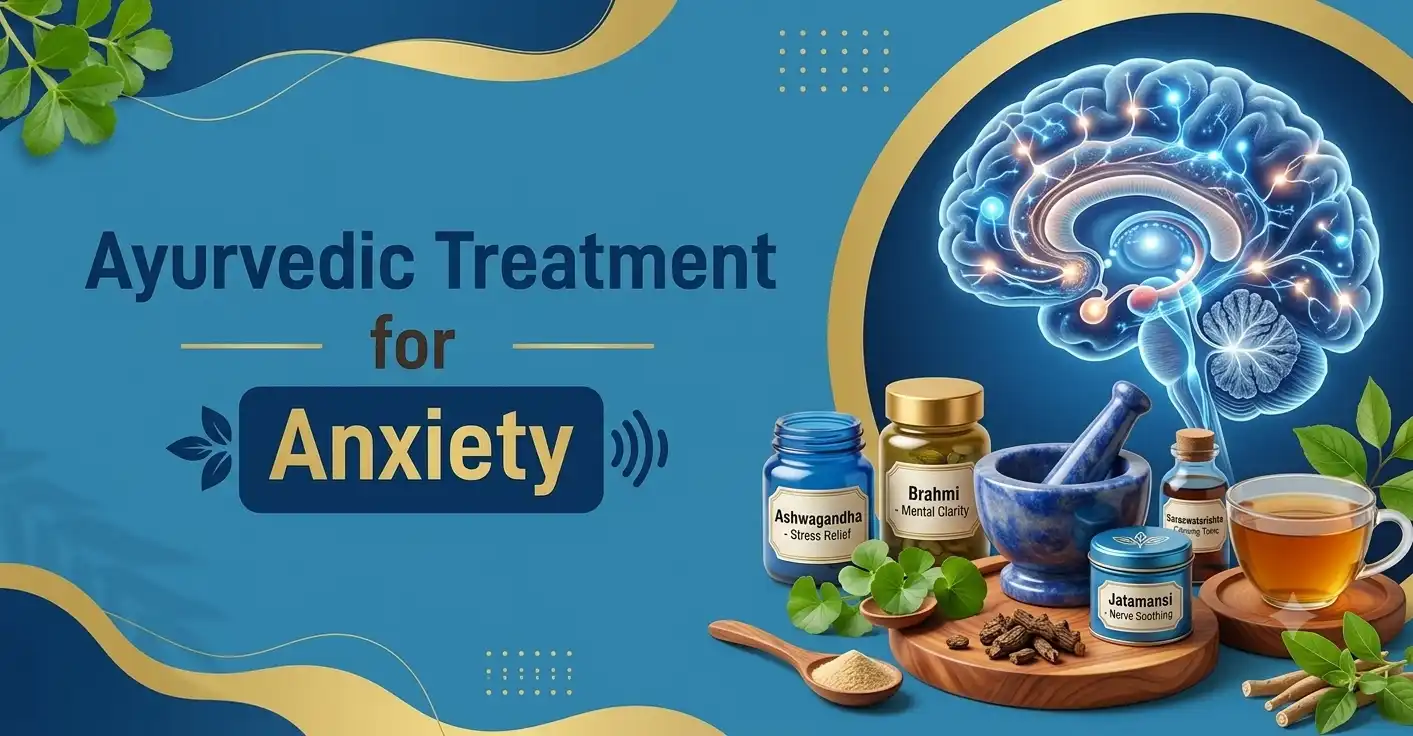
Yes, Ayurvedic treatment for anxiety may be considered as part of a broader approach to managing stress, restlessness, sleep troubles, and anxious feelings. But it should be personalized, and persistent or severe anxiety deserves proper professional evaluation rather than a “just drink this tea” approach.
Anxiety can be a strange companion. It can show up before an important meeting, at 2 a.m. when absolutely nothing is happening, or while you are simply sitting on the sofa wondering why your brain has suddenly opened 37 tabs at once. Occasional worry is normal. When that worry becomes frequent, difficult to control, or starts interfering with everyday life, it may be an anxiety disorder. The World Health Organization recommends evidence-based psychological care, including cognitive behavioral therapy (CBT), while medicines may also be appropriate for some people. ([World Health Organization])
Anxiety is the body's natural response to perceived stress or danger. A little of it can even be useful; it reminds you to prepare for an exam, finish a deadline, or check whether you actually locked the front door.
The trouble begins when the alarm system keeps ringing even when there is no obvious fire.
Common symptoms may include:
If these symptoms are persistent or affecting work, relationships, sleep, or daily life, speaking with a qualified healthcare professional is important.
Ayurveda traditionally takes a whole-person view of mental and physical wellbeing. Rather than looking only at one symptom, an Ayurvedic practitioner may consider sleep, digestion, daily routine, stress, food habits, emotional wellbeing and overall lifestyle.
In traditional Ayurvedic thinking, an unsettled mind may be associated with an imbalance involving Vata, particularly when life becomes irregular, stressful, sleep-deprived, or excessively stimulating.
This does not mean every anxious person has the same imbalance. And that is precisely why randomly picking herbs from the internet is not always a brilliant strategy.
A personalized anxiety Ayurvedic Treatment approach may include:
A sensible approach usually focuses on calming the overall routine rather than hunting for one magical ingredient.
Irregular sleep, excessive screen time, too much caffeine, skipped meals and constant work pressure can all make an already-wired mind feel even more wired.
A practitioner may therefore suggest a more consistent routine involving:
Slow breathing and yoga can be useful additions for some people. Research reviewed by the National Center for Complementary and Integrative Health (NCCIH) found that yoga may help reduce anxiety symptoms, although evidence for treating diagnosed anxiety disorders remains less conclusive. ([NCCIH](https://www.nccih.nih.gov/health/anxiety-and-complementary-health-approaches?utm_source=chatgpt.com))
Think of it as giving your nervous system a gentle “mate, calm down” message rather than trying to wrestle it into submission.
Certain herbs are traditionally used for stress and mental wellbeing. Ashwagandha, for example, has been investigated in clinical studies.
A systematic review and meta-analysis of randomized controlled trials, Does Ashwagandha supplementation have a beneficial effect on the management of anxiety and stress?, found potentially beneficial effects on anxiety and stress, but also noted limitations in the available research. ([PubMed])
That distinction matters. “Promising research” is not the same thing as “guaranteed treatment.”
People searching for the 5 best medicines for anxiety often expect a neat little list with five bottles and a winner at number one. Real life is less cooperative.
There is no single best Ayurvedic medicine suitable for everyone. Depending on the person's symptoms, constitution, medications, age, medical history and other factors, an Ayurvedic practitioner may consider different herbs or formulations.
Some commonly discussed Ayurvedic ingredients include:
So, when someone asks about the 5 best medicines for anxiety, the better question is: Which option, if any, is appropriate for this particular person?
That is also why a practitioner-led anxiety Ayurvedic Treatment plan is preferable to self-prescribing multiple products together.
Not every helpful habit needs a fancy name or a copper bottle sitting beside it.
Some home remedies for anxiety can simply involve making the nervous system's workload a little lighter.
Try incorporating:
These are supportive habits, not replacements for professional care.
Research from the WHO's 2023 mental health guidelines recommends considering stress-management techniques such as relaxation and mindfulness for adults with generalized anxiety disorder or panic disorder.
Absolutely, when handled responsibly.
Ayurvedic care can potentially complement established approaches by focusing on lifestyle, relaxation, sleep and personalized wellbeing. But it should not mean stopping prescribed medicines or avoiding therapy without medical advice.
The WHO recommends psychological interventions based on CBT for adults with generalized anxiety disorder and/or panic disorder. SSRIs may also be considered in appropriate cases.
NCCIH also cautions that evidence for many complementary approaches remains limited and that supplements can have side effects or interact with medicines. Some Ayurvedic preparations have additionally been found to contain potentially toxic heavy metals, making product quality and professional supervision important.
In other words, “natural” does not automatically mean “risk-free.” Poison ivy is natural too, and nobody is putting that in their morning smoothie.
At Karma Ayurveda Hospital, an Ayurvedic approach may be centred around understanding the individual's symptoms, lifestyle, food habits, sleep pattern and overall health rather than treating every person with the same formula.
A consultation with an experienced practitioner, such as Dr. Puneet Dhawan, can help determine whether Ayurvedic care is appropriate and what kind of supportive plan may fit the individual.
The goal should be sensible, personalised care; not promises of instant transformation.
The beauty of simple lifestyle changes is that they do not require turning your entire life upside down.
Start small:
These home remedies for anxiety can support overall wellbeing, particularly when combined with appropriate professional care.
The scientific picture is encouraging in some areas but far from settled.
Studies on yoga, mindfulness, selected herbs and other complementary approaches have reported possible improvements in anxiety symptoms. However, NCCIH notes that many complementary approaches still require larger, better-designed studies before firm conclusions can be drawn.
The evidence around yoga is a good example. A 2019 review covering 38 studies and 2,295 participants found beneficial effects on anxiety symptoms, while a later review found insufficient evidence to recommend yoga as the primary treatment for diagnosed anxiety disorders.
So, if you are looking for Ayurvedic treatment For anxiety, think of it as part of a personalized wellbeing strategy; not a shortcut around proper diagnosis and evidence-based care.
There is no universal list of the 5 best medicines for anxiety because the right choice depends on the person, the cause, the symptoms and any other medicines or health conditions involved.
And if anxiety is severe, persistent, causing panic attacks, affecting daily functioning, or accompanied by thoughts of self-harm, professional help should not be delayed.
A thoughtful anxiety Ayurvedic treatment plan may focus on calming the routine, improving sleep, supporting healthy habits, practising relaxation and using carefully selected Ayurvedic preparations where appropriate.
The most useful approach is rarely about finding one miracle remedy. It is usually about putting several sensible pieces together; and giving your mind a little room to breathe.
Ayurveda may support symptom management and wellbeing, but there is no reliable evidence that it can permanently cure every anxiety disorder.
Ashwagandha is one of the more widely studied Ayurvedic herbs for stress and anxiety, although research is still developing.
Regular sleep, slow breathing, exercise, reduced caffeine, relaxation and mindfulness are simple supportive options.
Yoga may reduce anxiety symptoms for some people, although evidence is not strong enough to make it a primary treatment for diagnosed anxiety disorders.
Not without checking first, because herbs and supplements can sometimes interact with prescribed medicines.
This article is intended for general educational purposes and should not replace diagnosis, psychotherapy, or medical advice. Ayurvedic medicines and supplements may not be suitable for everyone and can interact with medicines. Consult a qualified healthcare professional before starting, stopping, or changing any treatment.

AyuKarma Testo Build Capsules combine 12 Ayurvedic herbs and minerals to support strength, energy, stamina, physical performance, nourishment and overall daily vitality.

AyuKarma Hair Lush Capsules combine Ayurvedic herbs to support hair growth, reduce hair fall, strengthen roots, nourish the scalp and promote healthier-looking hair.

Karma Garcom Capsules contain Garcinia indica to support healthy metabolism, digestion, weight management, digestive comfort and daily wellness alongside a balanced lifestyle.

Doctor-recommended liver supplement that helps detoxify the liver, support healthy cholesterol, improve digestion & promote liver health. Developed by Dr. Puneet Dhawan with Karma Ayurveda philosophy.

AyuKarma Muscle Magic Capsules combine Ayurvedic herbs to support appetite, digestion, nourishment, healthy weight gain, muscle strength and daily vitality for adults.

AyuKarma Obes-Fit Capsules combine Ayurvedic herbs to support appetite control, digestion, metabolism, healthy weight management, energy and overall wellness alongside an active lifestyle.

AyuKarma Body Detox Capsules combine Ayurvedic herbs to support natural detoxification, digestion, colon cleansing, metabolism, gut wellness and overall rejuvenation for daily vitality.

Doctor-recommended ayurvedic medicine to control diabetes, manage blood sugar levels & reduce diabetes-related complications in diabetic patients. Developed by Dr. Puneet Dhawan with the Karma Ayurveda philosophy.

Doctor-recommended Ayurvedic gut supplement that helps relieve occasional constipation, promote smooth bowel movement, reduce gas & bloating and improve digestion. Developed by Dr. Puneet Dhawan with Karma Ayurveda philosophy.

Doctor-recommended Ayurvedic joint supplement that helps relieve joint pain & stiffness, improve flexibility and support smoother, more comfortable movement. Developed by Dr. Puneet Dhawan with Karma Ayurveda philosophy.

Ayurvedic Kidney Detox Kit for individuals with high creatinine, high BP, diabetes, high uric acid, alcohol consumption habits, frequent painkiller use or early signs of kidney stress.
Second Floor, 77, Block C, Tarun Enclave, Pitampura, New Delhi, Delhi, 110034

Certificate no- AH-2023-0186
JAN 05, 2026 - JAN 04, 2029

US FDA Reg. No.: 14568299376