Unlocking Wellness Naturally
100% Ayurvedic Treatment


If you have arthritis, focus on Foods to eat in Arthritis such as vegetables, fruits, whole grains, nuts, seeds, legumes and omega-3-rich foods like fatty fish. At the same time, cutting back on highly processed foods, excess sugar and unhealthy fats can make your overall diet more joint-friendly.
The good news is that eating for joint health does not mean surviving on boiled vegetables and looking sadly at a plate of salad. Your food can still be colorful, tasty and very much worth looking forward to.
Arthritis is an umbrella term covering several conditions, including osteoarthritis, rheumatoid arthritis and gout. Because these conditions are not exactly twins, dietary needs can differ too. Still, one common idea is becoming increasingly clear: a balanced eating pattern rich in whole foods may support overall health and help manage inflammation and body weight.
Food cannot magically rebuild a worn-out joint overnight. Unfortunately, there is no supermarket aisle labelled “instant cartilage.”
But what you eat regularly can influence body weight, metabolic health and the availability of nutrients involved in normal muscle, bone and connective-tissue function. Some dietary patterns are also associated with lower levels of inflammatory markers.
For example, Mediterranean-style diets are rich in vegetables, fruits, legumes, whole grains, nuts, seeds, fish and olive oil. Research has linked this style of eating with improvements in some measures of inflammation and joint-related symptoms.
For people with osteoarthritis who are overweight or obese, weight management can be particularly important because reducing excess body weight can reduce the mechanical load placed on weight-bearing joints.
The American College of Rheumatology and Arthritis Foundation guideline strongly recommends exercise and weight loss for people with knee or hip osteoarthritis who are overweight or obese.
So, instead of searching for one magical food, think bigger: build a better overall plate.
1. Fatty Fish
If you eat fish, options such as salmon, sardines, mackerel, herring and tuna can be useful additions to your meals.
These fish provide omega-3 fatty acids, particularly EPA and DHA. Omega-3 fats have been studied for their potential role in inflammatory pathways, particularly in conditions such as rheumatoid arthritis.
The Arthritis Foundation notes that omega-3-rich fish may help reduce inflammatory markers such as C-reactive protein and interleukin-6.
Easy idea: grilled fish with vegetables, or fish added to a simple whole-grain meal.
If you are vegetarian, walnuts, flaxseeds and chia seeds provide plant-based alpha-linolenic acid (ALA), another type of omega-3 fat.
2. Berries and Other Colourful Fruits
Strawberries, blueberries, raspberries, cherries, pomegranate and other colourful fruits bring antioxidants and plant compounds called polyphenols to the table.
Research continues to examine how compounds such as anthocyanins and quercetin may influence oxidative stress and inflammatory pathways.
A 2018 study published in Food & Function discussed the potential role of polyphenol-rich fruits in managing osteoarthritis.
And there is another advantage: fruit is considerably more exciting than staring at a vitamin tablet.
Try:
3. Green Leafy Vegetables
Spinach, fenugreek leaves, kale, lettuce and other leafy greens provide fibre, vitamins, minerals and various plant compounds.
Broccoli deserves special attention because it belongs to the cruciferous vegetable family and contains sulforaphane. Research has explored sulforaphane for its possible effects on inflammatory pathways and cartilage-related processes.
You do not need to eat a mountain of broccoli every day.
A practical approach is simply to include vegetables in at least two major meals.
4. Nuts and Seeds
A small handful of nuts can be surprisingly useful nutritionally.
Walnuts, almonds, pistachios and other nuts provide healthy fats, protein, fibre and minerals. Walnuts are also a source of plant-based omega-3 ALA.
Seeds such as flaxseed and chia can also be added to meals.
The trick is portion size. Nuts are nutritious, but they are not weightless. Eating an entire packet while watching television is technically possible, but perhaps not the nutritional strategy we are aiming for.
Choose unsalted nuts and seeds and keep portions moderate.
5. Beans and Legumes
Lentils, chickpeas, beans and peas are excellent sources of plant protein and fibre.
They can be especially helpful for people trying to reduce their dependence on heavily processed or fatty meat-based meals.
Fibre-rich eating patterns have also been investigated in relation to knee osteoarthritis and metabolic health.
In an Indian kitchen, this is actually good news because dal has already been doing the heavy lifting for generations.
Try:
6. Whole Grains
Instead of making refined carbohydrates the centre of every meal, consider whole or minimally processed grains such as oats, barley, brown rice and whole-grain wheat.
Whole grains provide fibre and several micronutrients.
You can also experiment with traditional grains such as millets if they suit your digestion and overall dietary requirements.
The goal is not to ban roti or rice. It is to create a more balanced plate around them.
7. Extra Virgin Olive Oil
Extra virgin olive oil contains monounsaturated fats and plant compounds such as oleocanthal, which has attracted scientific interest because of its effects on inflammatory pathways.
Research discussed by the Arthritis Foundation suggests that olive oil may be a useful component of an anti-inflammatory eating pattern.
You do not have to turn every meal into a Mediterranean cooking show. A modest amount can be used in salads, vegetables or cooking where appropriate.
8. Ginger, Garlic and Other Flavourful Foods
Here is where healthy eating becomes much less boring.
Ginger and garlic contain bioactive compounds that have been studied for their potential anti-inflammatory properties.
Research has investigated ginger for osteoarthritis-related pain as well as inflammatory markers in rheumatoid arthritis, although evidence is not strong enough to treat these foods as replacements for medical care.
Use them in:
And yes, garlic breath is a small price to pay for a tasty dinner.
Rather than creating a dramatic “never eat this again” list, it is usually more practical to reduce foods that are highly processed or provide lots of calories without much nutritional value.
Try to limit:
The Arthritis Foundation notes that highly processed foods, trans fats and excessive saturated fat are generally less favourable choices for an anti-inflammatory dietary pattern.
That does not mean one samosa will personally declare war on your knees.
The bigger issue is what your everyday diet looks like.
Instead of… | Try…
Fried snack every evening | Roasted chana or nuts
Sugary soft drink | Water or unsweetened beverage
Refined-grain-heavy meal | Whole grains + vegetables
Processed meat frequently | Dal, beans, fish or lean protein
Dessert after every meal | Fresh fruit most days
Think of this as a direction, not a punishment chart.
Interest in Ayurvedic arthritis treatment has grown among people looking for complementary approaches to joint discomfort.
In Ayurveda, diet and daily habits are often considered alongside other aspects of an individual's health and constitution. Herbs such as turmeric, ginger, ashwagandha and certain other botanicals have been traditionally used in Ayurvedic practice, while modern research continues to investigate their individual compounds and potential effects.
For anyone considering Arthritis Ayurvedic treatment, it is sensible to discuss the approach with a qualified practitioner, particularly if you take regular medicines or have other health conditions.
The same applies when searching for the Best herbs for knee pain in Ayurveda. “Natural” does not automatically mean “suitable for everyone.” Dose, preparation, interactions and individual circumstances matter.
A personalised approach may also consider diet, activity, sleep, body weight, age, symptoms and the particular type of arthritis rather than treating every joint complaint exactly the same way.
This is an important distinction.
A healthy diet can support overall health and may help with inflammation, weight management and nutritional adequacy, but it should not be presented as a standalone cure for arthritis.
For osteoarthritis, evidence-based care can include exercise, weight management when appropriate, physical therapy, medicines and other interventions depending on the person and severity. The ACR/Arthritis Foundation guideline strongly recommends exercise and weight loss where appropriate.
For rheumatoid arthritis and other inflammatory conditions, medical evaluation is particularly important because untreated inflammation can damage joints.
So, think of food as one part of the bigger picture, not the entire picture.
There is encouraging evidence around dietary patterns, but it is important not to overpromise.
A 2020 meta-analysis published in Nutrition Reviews found that Mediterranean-style dietary interventions were associated with improvements in several outcomes relevant to rheumatoid arthritis, including pain, morning stiffness and physical function.
Research published in The Journal of Nutrition, Health & Aging also examined a Mediterranean-style diet over 16 weeks and reported improvements in inflammatory measures and hip and knee range of motion.
Meanwhile, the 2019 American College of Rheumatology/Arthritis Foundation guideline, published in Arthritis & Rheumatology, emphasises exercise and appropriate weight management as important components of osteoarthritis care.
The message is fairly simple: there is no single “arthritis superfood.” A consistently balanced dietary pattern is far more sensible.
People exploring a Natural treatment for arthritis often want to understand whether Ayurveda can be incorporated into their broader joint-care plan.
At Karma Ayurveda Hospital for arthritis treatment, an Ayurvedic approach may be considered alongside an individual's symptoms, lifestyle, dietary habits and overall health rather than relying on one food or one remedy.
Dr. Puneet Dhawan is associated with Karma Ayurveda and its educational work around Ayurveda and chronic health conditions.
If you are considering any complementary treatment, especially while taking prescribed medicines, it is important to discuss your complete health history with an appropriately qualified healthcare professional.
You do not need a complicated 17-ingredient meal plan.
Breakfast: Oats with berries, walnuts and seeds.
Mid-morning: One seasonal fruit.
Lunch: Whole-grain roti or brown rice + dal + two vegetables + salad.
Evening: Unsalted nuts or roasted chana.
Dinner: Vegetable soup or cooked vegetables + a suitable protein source + whole grain.
Drinks: Water, unsweetened beverages or other options appropriate for your health needs.
And if your grandmother says turmeric belongs in everything, at least now you have some scientific company.
So, which foods should you eat for arthritis? Start with simple, minimally processed foods: colourful vegetables, fruits, legumes, whole grains, nuts, seeds, healthy fats and omega-3-rich fish if you eat seafood.
More importantly, do not become obsessed with finding one miracle ingredient. Your joints are not waiting for a superhero food to arrive wearing a cape.
A consistent eating pattern, healthy body weight where appropriate, regular movement, adequate sleep and condition-specific medical care are much more meaningful pieces of the puzzle.
This article is intended for general educational purposes and does not provide individual medical advice. Arthritis has many forms, and dietary requirements can vary significantly. If you have persistent joint pain, swelling, stiffness or reduced movement, consult a qualified healthcare professional for appropriate evaluation and treatment.
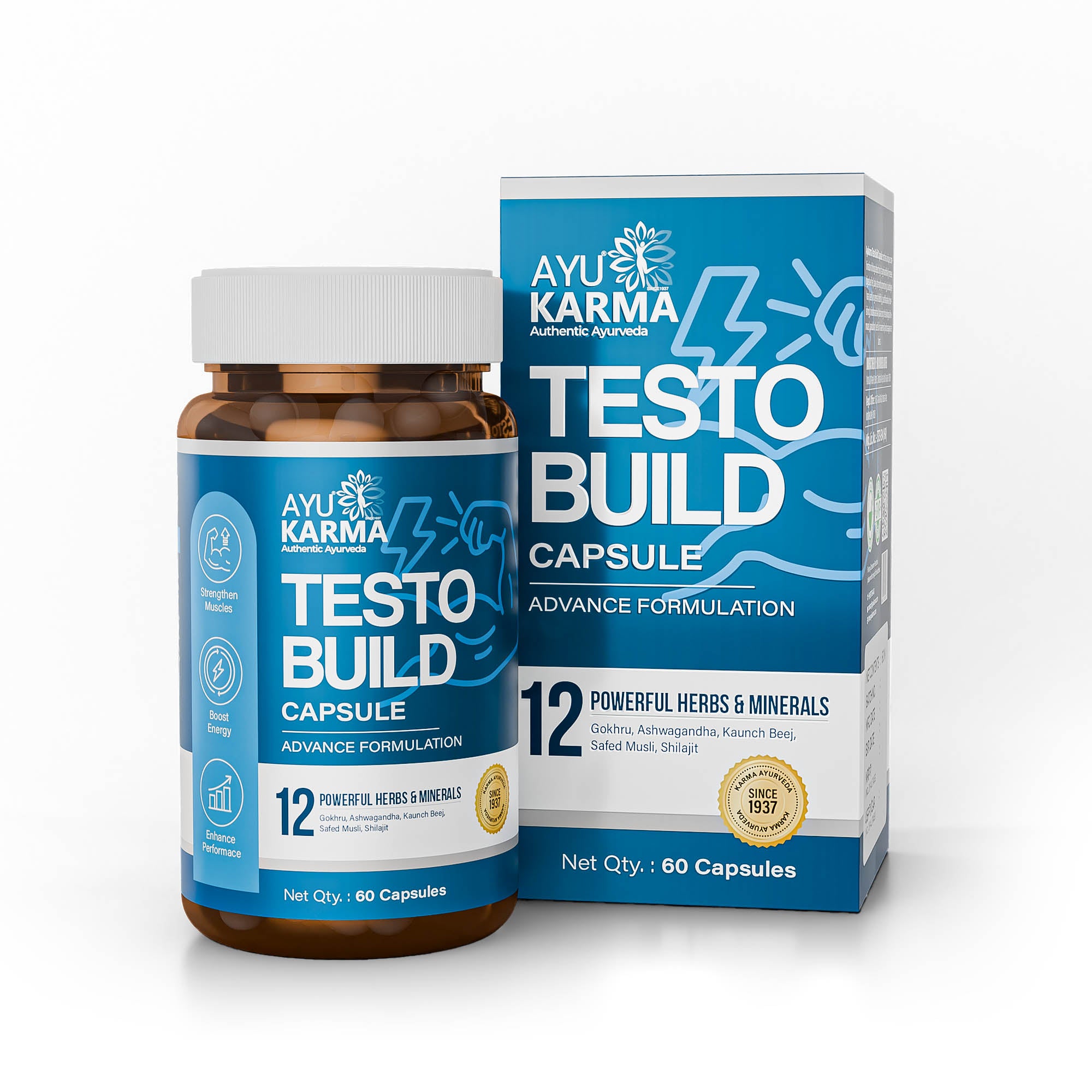
AyuKarma Testo Build Capsules combine 12 Ayurvedic herbs and minerals to support strength, energy, stamina, physical performance, nourishment and overall daily vitality.

AyuKarma Hair Lush Capsules combine Ayurvedic herbs to support hair growth, reduce hair fall, strengthen roots, nourish the scalp and promote healthier-looking hair.

Karma Garcom Capsules contain Garcinia indica to support healthy metabolism, digestion, weight management, digestive comfort and daily wellness alongside a balanced lifestyle.
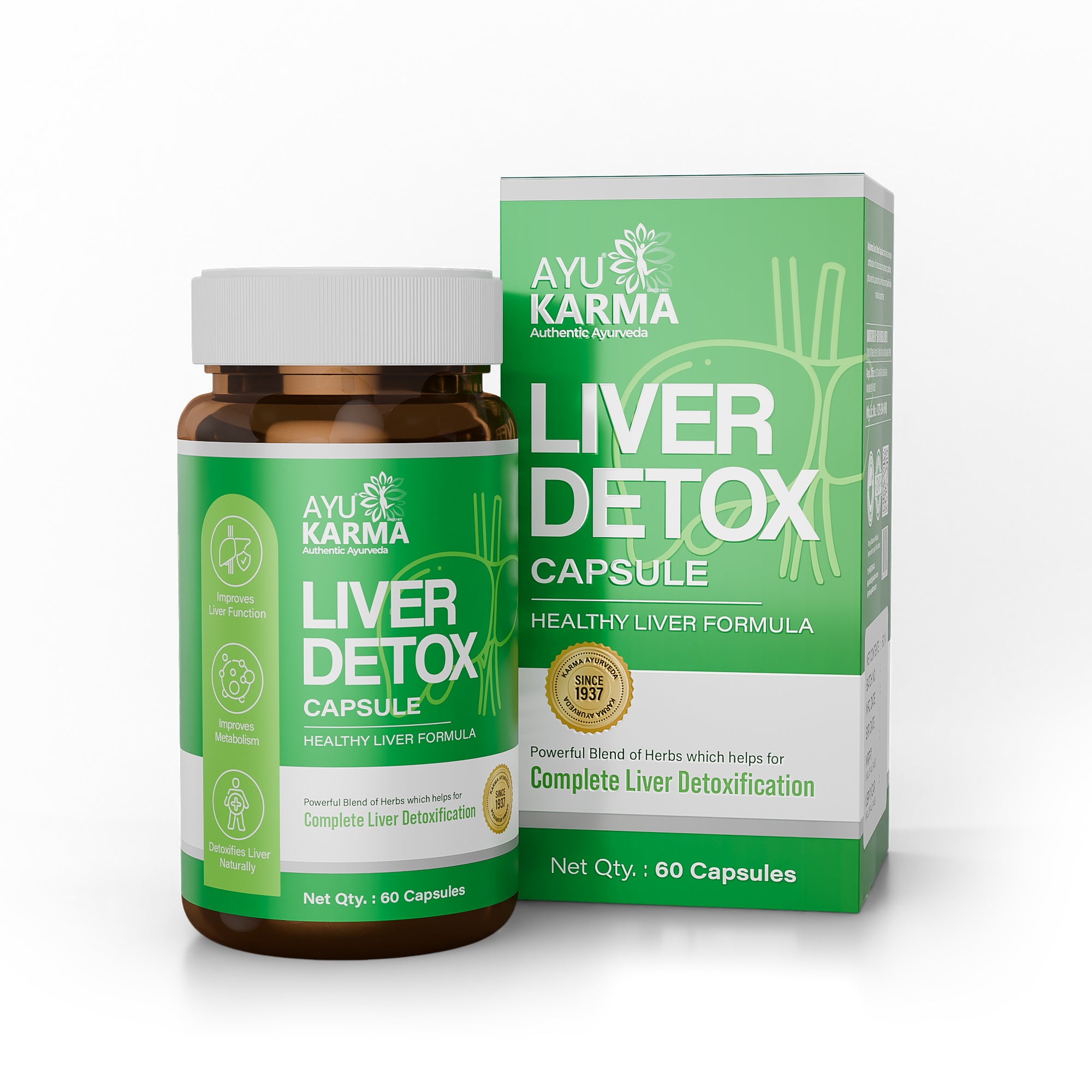
Doctor-recommended liver supplement that helps detoxify the liver, support healthy cholesterol, improve digestion & promote liver health. Developed by Dr. Puneet Dhawan with Karma Ayurveda philosophy.
Second Floor, 77, Block C, Tarun Enclave, Pitampura, New Delhi, Delhi, 110034

Certificate no- AH-2023-0186
JAN 05, 2026 - JAN 04, 2029

US FDA Reg. No.: 14568299376