Unlocking Wellness Naturally
100% Ayurvedic Treatment

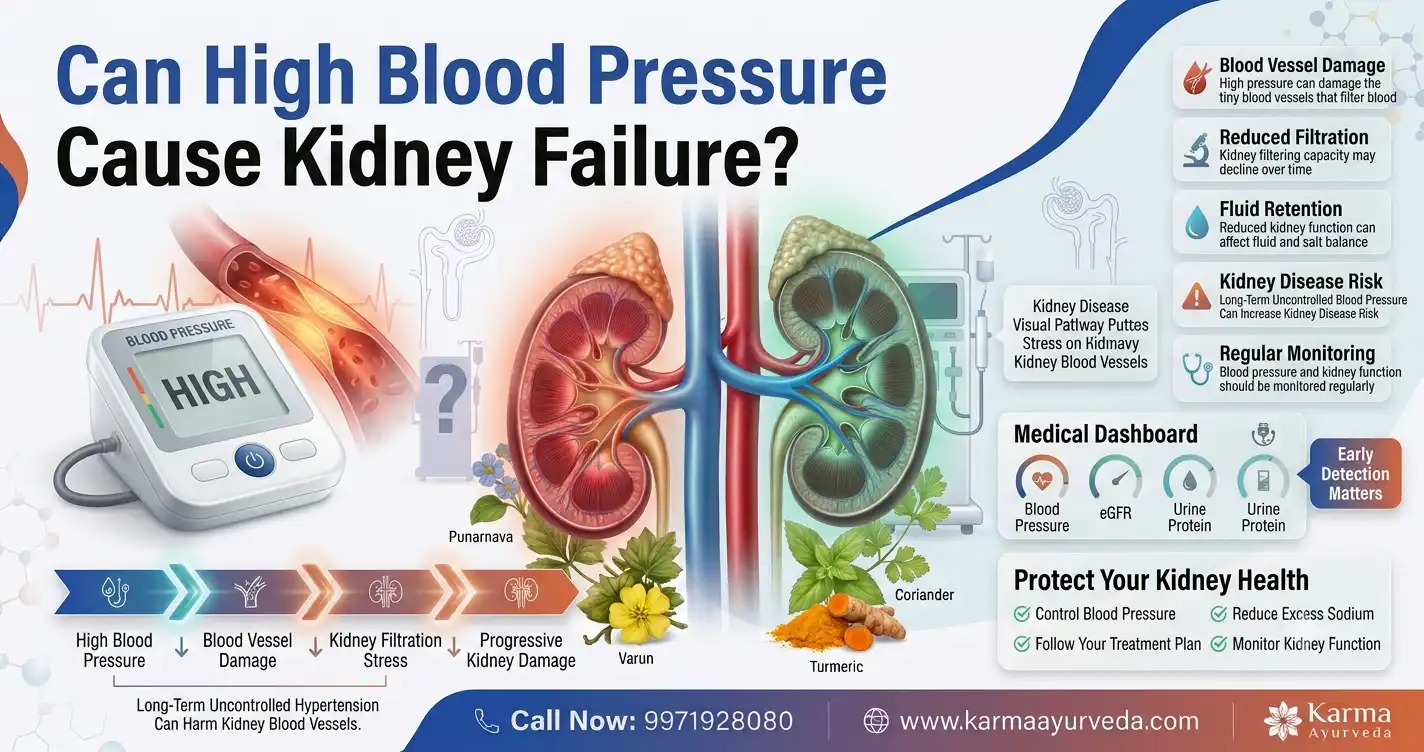
Yes, high blood pressure can cause kidney failure, especially when it stays uncontrolled for years and gradually damages the kidneys’ tiny blood vessels.
The tricky part? High blood pressure and kidneys have a rather unpleasant relationship; they can quietly damage each other without making much noise.
Your kidneys are working 24/7, filtering waste, balancing fluids, controlling electrolytes, and helping regulate blood pressure itself. They are basically the body's behind-the-scenes housekeeping team. And like any hardworking team, they don't appreciate being pushed around for years.
Think of the kidneys as having millions of microscopic filters called nephrons. Blood constantly passes through these filters so that waste and extra fluid can be removed through urine.
When blood pressure remains too high, the pressure inside these tiny blood vessels also increases.
Over time, this can:
The important word here is gradually. Kidney damage caused by hypertension usually doesn't happen overnight. It can develop quietly over years.
That's why someone may feel perfectly fine while their blood pressure is slowly causing trouble behind the scenes.
Here's where things get a little annoying.
High blood pressure can damage the kidneys. But damaged kidneys can also make blood pressure rise.
Why?
Healthy kidneys help control the amount of sodium and fluid in your body and are involved in regulating blood pressure. When kidney function declines, the body may retain more sodium and fluid. Hormonal changes can also contribute to higher blood pressure.
This is why controlling blood pressure becomes particularly important once someone has kidney disease.
Unfortunately, yes.
High blood pressure is often called a "silent" condition because many people don't notice obvious symptoms, particularly in its earlier stages.
Kidney disease can also remain relatively quiet until kidney function has declined significantly.
Some possible warning signs of kidney problems include:
However, symptoms alone cannot tell you whether your kidneys are healthy.
That is where testing becomes important.
Doctors commonly use both blood and urine tests to look for kidney damage.
A rising creatinine level doesn't automatically mean kidney failure, and one abnormal result doesn't tell the whole story. Doctors generally look at trends, repeat testing when appropriate, and consider other health factors.
Similarly, eGFR is an estimate rather than a direct measurement of kidney function.
The combination of blood pressure readings, kidney function tests, urine testing, medical history and physical examination gives a much clearer picture.
Persistent hypertension can contribute to progressive kidney damage.
As kidney function declines, waste products and excess fluid can begin accumulating in the body.
Advanced kidney disease may eventually lead to kidney failure, also called kidney failure requiring kidney replacement therapy when the kidneys can no longer adequately perform their essential functions.
Treatment at that stage may involve dialysis or kidney transplantation, depending on the individual's condition.
But here's the encouraging part: high blood pressure is one of the major risk factors for kidney disease that can be actively managed.
That doesn't mean controlling BP guarantees that kidney disease will never occur. It means blood pressure management is an important piece of protecting kidney health.
There is strong scientific evidence connecting blood pressure management with better cardiovascular outcomes, while the kidney effects can be more nuanced.
One of the best-known studies is the SPRINT trial, published in the New England Journal of Medicine. It included 9,361 adults with increased cardiovascular risk but without diabetes and compared an intensive systolic blood-pressure target below 120 mm Hg with a standard target below 140 mm Hg.
The intensive-treatment group had fewer major cardiovascular events and lower mortality. However, some adverse events; including acute kidney injury or acute kidney failure; were more frequent, showing why blood-pressure treatment needs to be individualized rather than reduced to a simple "lower is always better" rule.
Another important study, the AASK trial (African American Study of Kidney Disease and Hypertension), examined people with hypertensive chronic kidney disease. Researchers found that the relationship between blood pressure and progression of kidney disease is complex, and long-term kidney outcomes depend on several factors rather than blood pressure alone.
In other words, the goal isn't to chase the lowest possible number on the BP machine. The goal is appropriate blood pressure control for the individual.
There isn't one magic number that works identically for everyone.
Your ideal blood-pressure target may depend on:
For example, the SPRINT study demonstrated cardiovascular benefits from intensive treatment in selected adults, but also showed a greater occurrence of certain adverse events, including acute kidney injury.
So please don't look at someone else's BP target and decide it should automatically be yours.
Your doctor can help determine the appropriate target for your situation.
The good news is that kidney protection isn't about doing one heroic thing once a year. It is mostly about small, boring, repeatable habits; which, admittedly, are not nearly as exciting as miracle cures.
Some useful steps include:
Regular monitoring can help you and your healthcare professional understand whether your treatment plan is working.
If readings are repeatedly high, don't simply blame the BP machine and move on.
Blood-pressure medicines work best when taken as directed.
Don't stop, increase or decrease them on your own because a reading looked better; or because the internet suggested something with a very confident headline.
Too much sodium can contribute to fluid retention and higher blood pressure.
Limiting heavily processed and salty foods can therefore be helpful for many people.
If you are overweight, gradual weight management may support better blood pressure control and overall health.
Regular physical activity can support cardiovascular health and blood-pressure management.
Your exercise routine should be appropriate for your age and medical condition.
High blood sugar can also damage the kidneys, so managing both blood pressure and blood glucose is important when diabetes is present.
If you have long-standing hypertension, ask your healthcare professional whether you should have kidney function and urine albumin testing.
Early detection gives you more time to address potential problems.
Ayurveda focuses on diet, lifestyle, individualized therapies and herbal preparations, and some people explore an Ayurvedic treatment for kidney disease as complementary support.
However, there is an important line that should not be crossed: Ayurvedic care should not be used as a substitute for medically necessary blood-pressure treatment, kidney monitoring, dialysis, or other conventional care.
People considering Karma Ayurveda for kidney diseases should discuss their complete medical history, current medicines, blood pressure readings and kidney test results with qualified healthcare professionals before starting any treatment.
Similarly, anyone searching for High BP Ayurvedic treatment should be cautious about products or therapies that promise to "cure" hypertension or reverse kidney failure overnight.
Kidneys are complicated organs. They deserve something better than miracle claims and a WhatsApp forward.
It depends on the cause, severity and stage of kidney damage.
Some changes in kidney function may improve when the underlying problem is identified and treated. In other cases, chronic kidney damage cannot be completely reversed.
The aim is often to:
Early action generally gives you more options than waiting until kidney function has significantly declined.
Don't wait for dramatic symptoms before paying attention to your kidneys.
Consider discussing kidney testing with a healthcare professional if you have:
If blood pressure is extremely high; especially when accompanied by chest pain, severe headache, confusion, weakness, vision changes or significant shortness of breath; seek urgent medical attention.
So, can high blood pressure cause kidney failure? Yes. Years of uncontrolled hypertension can damage the kidneys' blood vessels, gradually reduce kidney function and contribute to kidney failure.
But the story doesn't have to end there.
Keeping blood pressure under appropriate control, taking prescribed medicines, maintaining healthy habits and getting regular kidney tests can all play an important role in protecting kidney health.
The kidneys don't usually ask for much attention. They quietly do their job every day. Giving them a little attention in return is a pretty fair deal.
Yes, long-term uncontrolled high blood pressure can cause permanent kidney damage and may eventually contribute to kidney failure.
It can help slow further kidney damage, although whether kidney function improves depends on the underlying cause and extent of existing damage.
There isn't one universal kidney-specific number, but consistently elevated blood pressure increases kidney risk and should be discussed with a healthcare professional.
Blood tests such as creatinine and eGFR plus urine albumin testing can help identify kidney damage that high BP may be causing.
No; Ayurvedic approaches should not replace prescribed hypertension or kidney treatment without guidance from a qualified healthcare professional.
Bhagyawati Shekhawat had been struggling with declining kidney function that affected her energy, daily routine, and overall quality of life. She experienced persistent weakness, fatigue, reduced energy levels, swelling caused by fluid retention, and general discomfort. When she approached Karma Ayurveda, her serum creatinine level was 6.7 mg/dL, indicating significantly reduced kidney function and the need for timely medical attention.
Looking for a natural and holistic approach, Bhagyawati began a personalized Ayurvedic treatment plan at Karma Ayurveda. Her care included Ayurvedic herbal formulations, dietary guidance, lifestyle modifications, and regular monitoring. The approach focused on supporting kidney function, improving overall wellness, and addressing factors contributing to her kidney-related concerns.
With consistent treatment and guidance, Bhagyawati gradually began noticing positive changes in her health. Her physical comfort improved, and she experienced better energy and overall well-being. Follow-up reports showed a significant reduction in her serum creatinine level from 6.7 mg/dL to 2.7 mg/dL, indicating improvement in her kidney health markers.
Her journey highlights the potential benefits of personalized Ayurvedic care when combined with consistent treatment, healthy lifestyle practices, and appropriate medical supervision. While results can vary from person to person, Bhagyawati’s experience reflects how a comprehensive approach to kidney care may support better health and quality of life.
This article is intended for general educational purposes and does not replace medical advice, diagnosis or treatment. Blood-pressure targets and kidney treatment should be individualized by a qualified healthcare professional. Do not stop or change prescribed medicines without discussing it with your doctor.
Continue using AI Cursor?Keep it onTurn Off
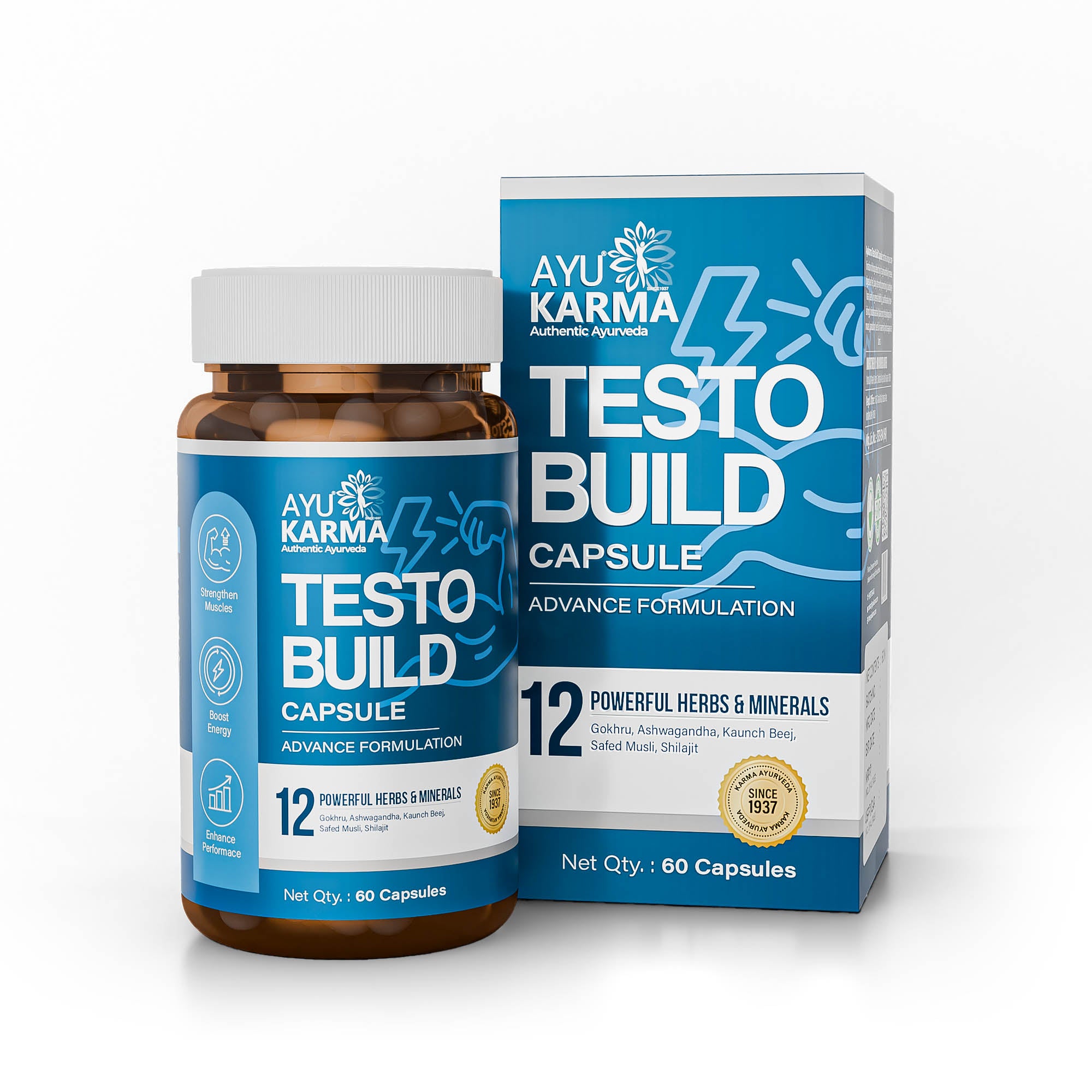
AyuKarma Testo Build Capsules combine 12 Ayurvedic herbs and minerals to support strength, energy, stamina, physical performance, nourishment and overall daily vitality.

AyuKarma Hair Lush Capsules combine Ayurvedic herbs to support hair growth, reduce hair fall, strengthen roots, nourish the scalp and promote healthier-looking hair.
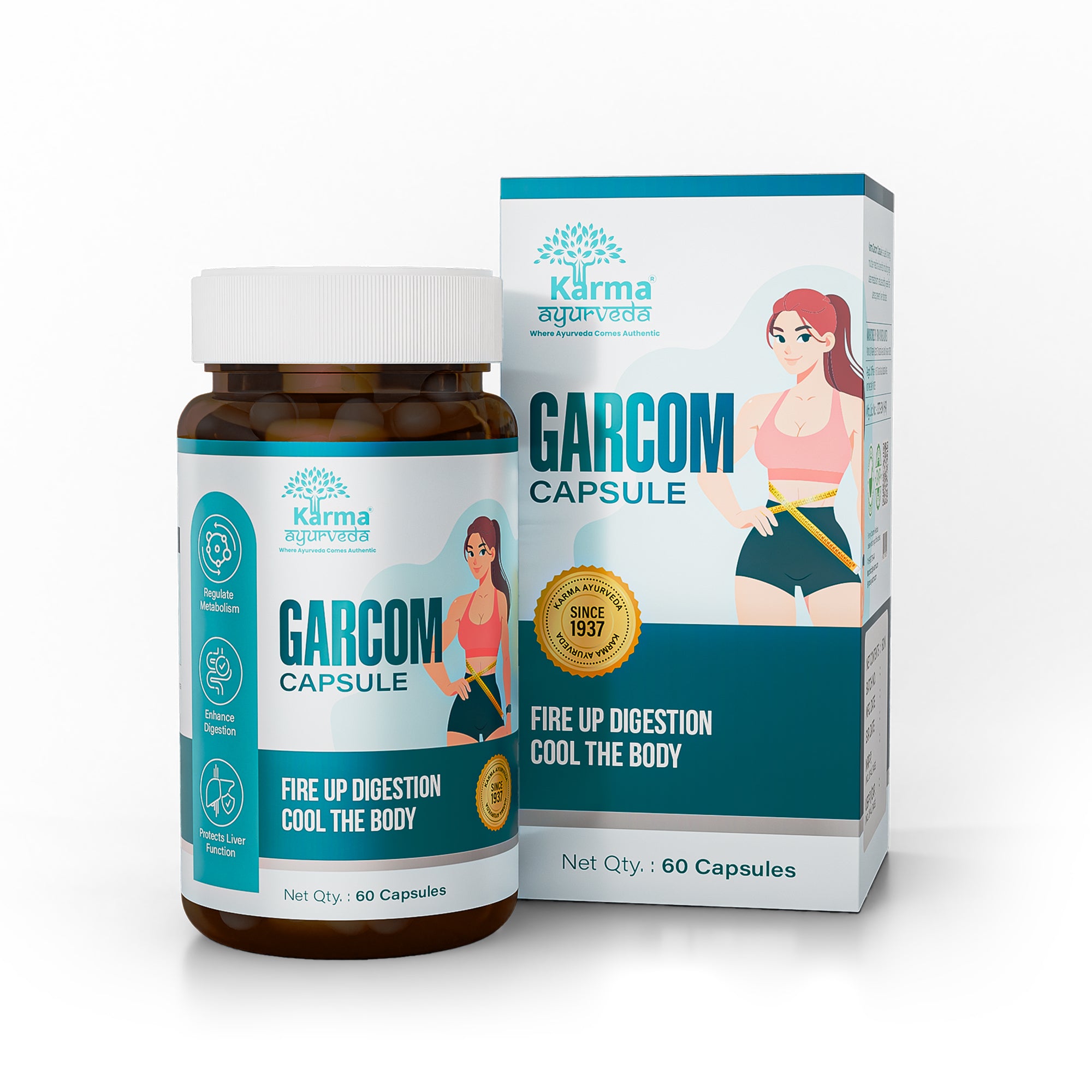
Karma Garcom Capsules contain Garcinia indica to support healthy metabolism, digestion, weight management, digestive comfort and daily wellness alongside a balanced lifestyle.
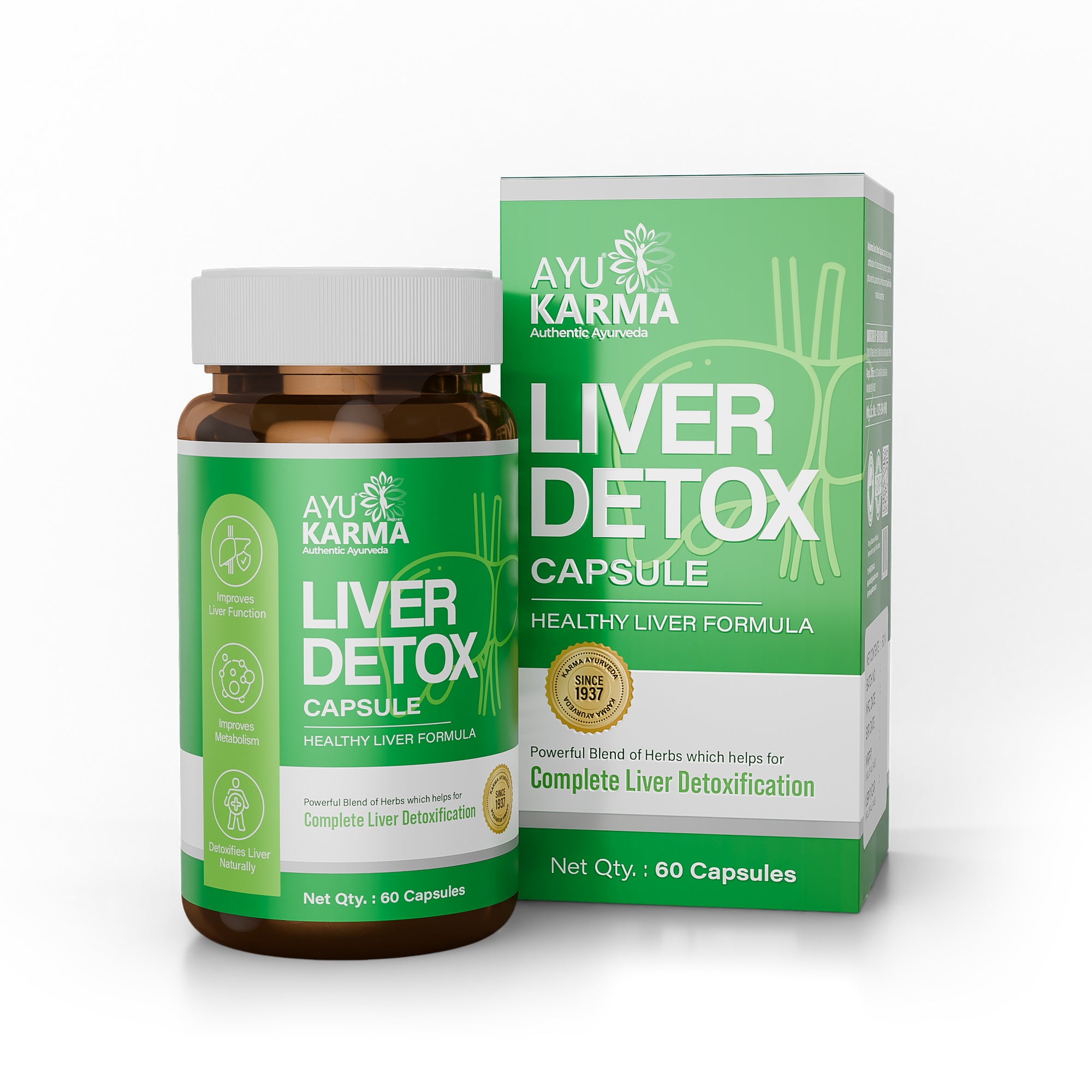
Doctor-recommended liver supplement that helps detoxify the liver, support healthy cholesterol, improve digestion & promote liver health. Developed by Dr. Puneet Dhawan with Karma Ayurveda philosophy.
Second Floor, 77, Block C, Tarun Enclave, Pitampura, New Delhi, Delhi, 110034

Certificate no- AH-2023-0186
JAN 05, 2026 - JAN 04, 2029

US FDA Reg. No.: 14568299376