Unlocking Wellness Naturally
100% Ayurvedic Treatment

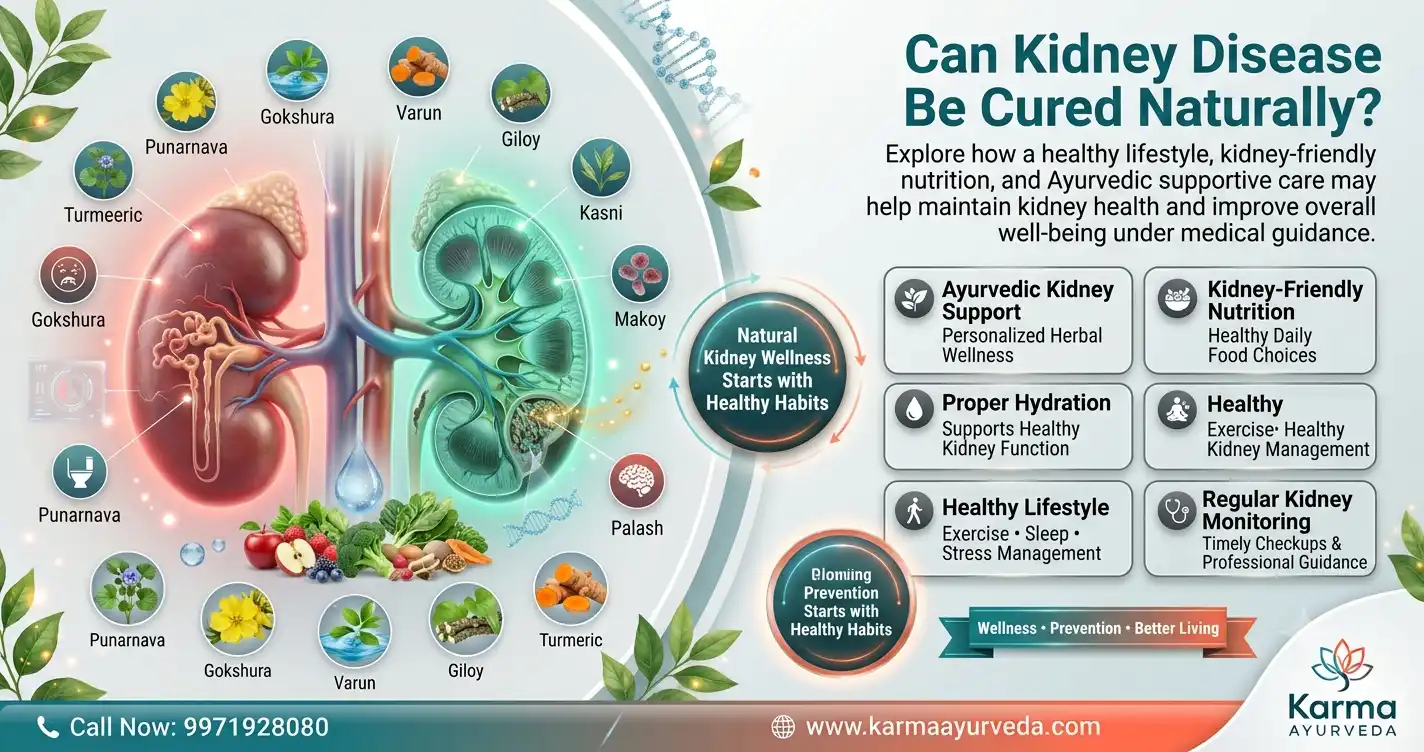
If you're wondering whether kidney disease can be cured naturally, the honest answer is: it depends on the type and stage of the disease. While some kidney problems may improve with the right treatment and healthy lifestyle changes, chronic kidney disease (CKD) usually cannot be completely reversed; but its progression can often be slowed naturally alongside proper medical care.
Let's be honest; our kidneys are like those quiet coworkers who do all the hard work without asking for applause. They filter nearly 50 gallons of blood every day, balance fluids, regulate blood pressure, and even help produce red blood cells. Yet most of us don't think about them until a blood test throws around scary words like "creatinine" or "eGFR."
That's when the internet starts whispering magical promises: "Heal your kidneys in 7 days!" or "One herb can reverse kidney failure!" Sounds tempting, right? Unfortunately, kidneys don't fall for clickbait.
The good news is that natural approaches can play a valuable supportive role in maintaining kidney health, reducing complications, and slowing disease progression. The trick is knowing what's backed by science and what's simply wishful thinking.
Kidney disease refers to conditions where the kidneys gradually lose their ability to filter waste and excess fluids from the blood.
The most common types include:
Among these, CKD is the most common and usually develops slowly over several years.
Here's the short version:
Think of it this way: if your favorite coffee mug develops a tiny crack, handling it carefully may keep it useful for years. But pretending the crack never existed won't magically fix it.
The same applies to many forms of kidney disease.
Several reasons fuel this belief:
Natural care works best when it's viewed as support, not a substitute for medical treatment.
Several respected studies have explored lifestyle interventions for kidney health.
The CRIC Study found that controlling blood pressure, diabetes, and adopting healthier lifestyle habits were associated with slower progression of chronic kidney disease.
The Kidney Disease: Improving Global Outcomes (KDIGO) guidelines recommend:
These remain the cornerstone of kidney disease management.
The National Kidney Foundation emphasizes that healthy nutrition, exercise, smoking cessation, and proper hydration support kidney function but should complement; not replace; medical care.
Together, these recommendations consistently show that while natural lifestyle measures are valuable, they are not a cure for CKD.
Here are evidence-based habits that may help protect your kidneys.
High blood pressure is one of the biggest enemies of your kidneys.
Helpful habits include:
If you have diabetes, stable blood sugar helps reduce further kidney damage.
Small daily choices matter more than dramatic detoxes.
A balanced kidney-friendly diet often includes:
Depending on your stage of CKD, your doctor may recommend limiting:
There isn't one universal kidney diet; your kidneys don't read the same instruction manual as everyone else's.
Regular exercise may help:
Aim for about 150 minutes of moderate activity each week if medically appropriate.
Hydration supports normal kidney function.
However, drinking excessive amounts of water won't "flush away" chronic kidney disease.
If you have advanced kidney disease, fluid intake should follow your healthcare provider's advice.
Smoking reduces blood flow to the kidneys and accelerates kidney damage.
Stopping smoking benefits nearly every organ; and your kidneys will happily join the celebration.
Poor sleep has been linked to:
All of these can affect kidney health.
This is where things become tricky.
Some traditional herbal systems have long used herbs to support overall wellness. However:
If you're considering natural kidney support, always discuss supplements with your nephrologist or healthcare provider first.
Natural doesn't automatically mean harmless. Poison ivy is natural too.
Seek medical evaluation if you notice:
Early diagnosis often offers more opportunities to slow disease progression.
So, can kidney disease be cured naturally?
For most people with chronic kidney disease, the answer is no. However, that's not the end of the story.
Natural lifestyle measures; including a healthy diet, blood pressure control, exercise, quitting smoking, and good diabetes management; can play an important role in supporting kidney health and slowing disease progression when combined with appropriate medical care.
Instead of searching for miracle cures, focus on habits that your kidneys will quietly thank you for every single day. They may never send you a thank-you card, but they'll certainly appreciate the effort.
Mr. S. S. Arora, a resident of Najafgarh, Delhi, had been living with severe respiratory illnesses, including Chronic Obstructive Pulmonary Disease (COPD) and Obstructive Sleep Apnea (OSA). Despite receiving treatment at multiple hospitals, his condition continued to deteriorate. His breathing became critically compromised, and his oxygen saturation dropped to nearly 30%, leaving him unable to speak and completely dependent on oxygen support. Frequent hospitalizations and limited improvement prompted his family to seek an alternative approach.
Mr. Arora began treatment at Karma Ayurveda (Ayukarma) under the guidance of Dr. Puneet Dhawan. His personalized treatment plan included Ayurvedic herbal formulations, dietary recommendations, lifestyle modifications, and therapies aimed at supporting lung function, reducing inflammation, improving oxygen delivery, and restoring overall health. The focus was on addressing the underlying imbalance rather than only managing symptoms.
Within days of starting treatment, his oxygen levels began to stabilize. Over time, his dependence on oxygen support reduced significantly, allowing him to speak comfortably, communicate with ease, and resume daily activities independently. Grateful for his recovery, Mr. Arora and his family credit the holistic care at Karma Ayurveda for improving his quality of life. His journey highlights the potential of personalized Ayurvedic support in managing chronic respiratory conditions alongside appropriate medical care.
No, most chronic kidney diseases cannot be cured naturally, but healthy habits may help slow their progression.
Some temporary kidney injuries may recover, while chronic kidney disease usually does not completely reverse.
A balanced kidney-friendly diet with appropriate portions of fruits, vegetables, whole grains, and controlled sodium is generally recommended.
No, proper hydration supports kidney health but cannot cure chronic kidney disease.
Some may help support overall wellness, but they should only be used under the guidance of a qualified healthcare professional.
This article is intended for educational purposes only and should not be considered medical advice. Kidney disease varies widely depending on its cause and stage, so treatment should always be individualized. Always consult a qualified healthcare professional before making changes to your diet, medications, supplements, or treatment plan. Natural approaches may support kidney health but should complement; not replace; evidence-based medical care.
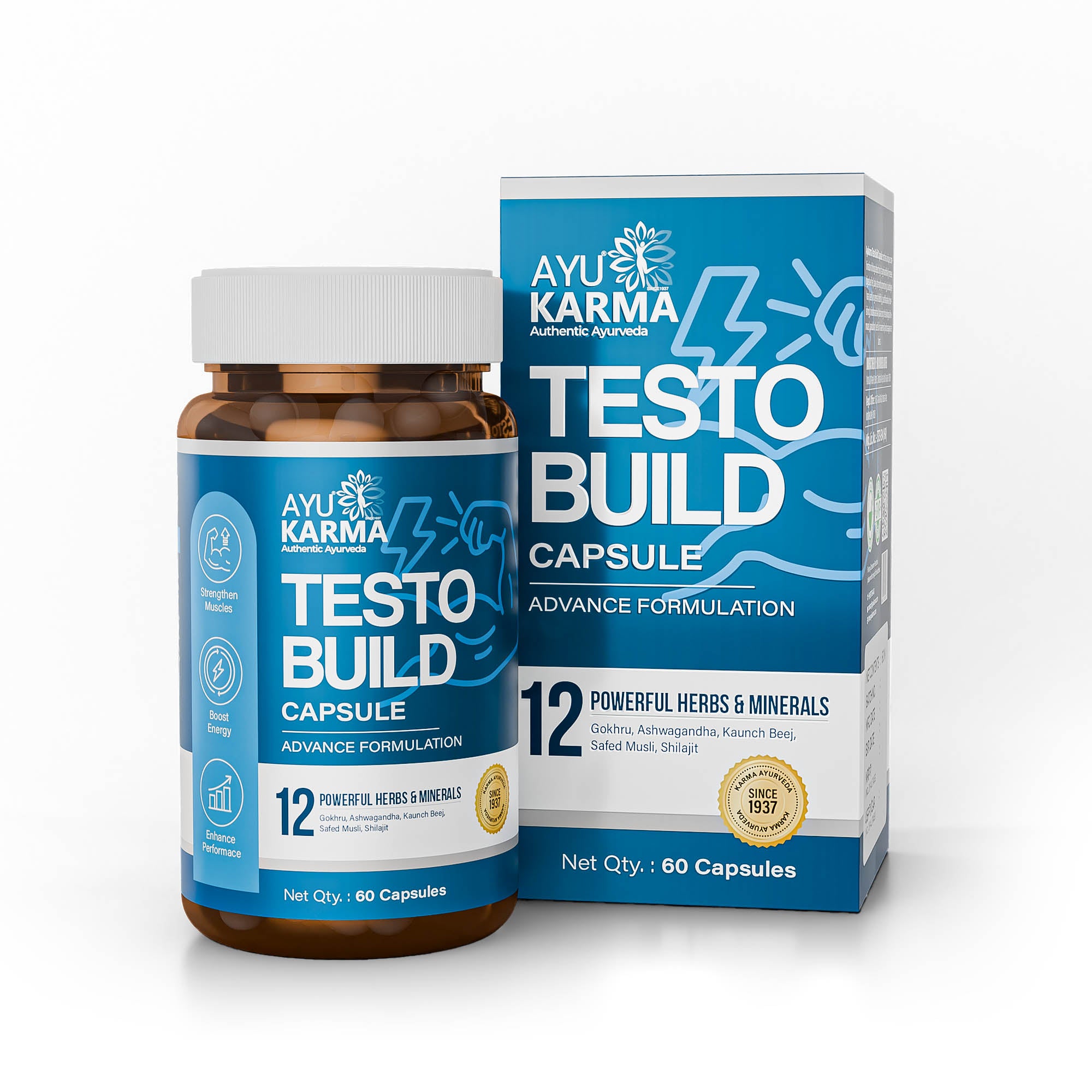
AyuKarma Testo Build Capsules combine 12 Ayurvedic herbs and minerals to support strength, energy, stamina, physical performance, nourishment and overall daily vitality.

AyuKarma Hair Lush Capsules combine Ayurvedic herbs to support hair growth, reduce hair fall, strengthen roots, nourish the scalp and promote healthier-looking hair.
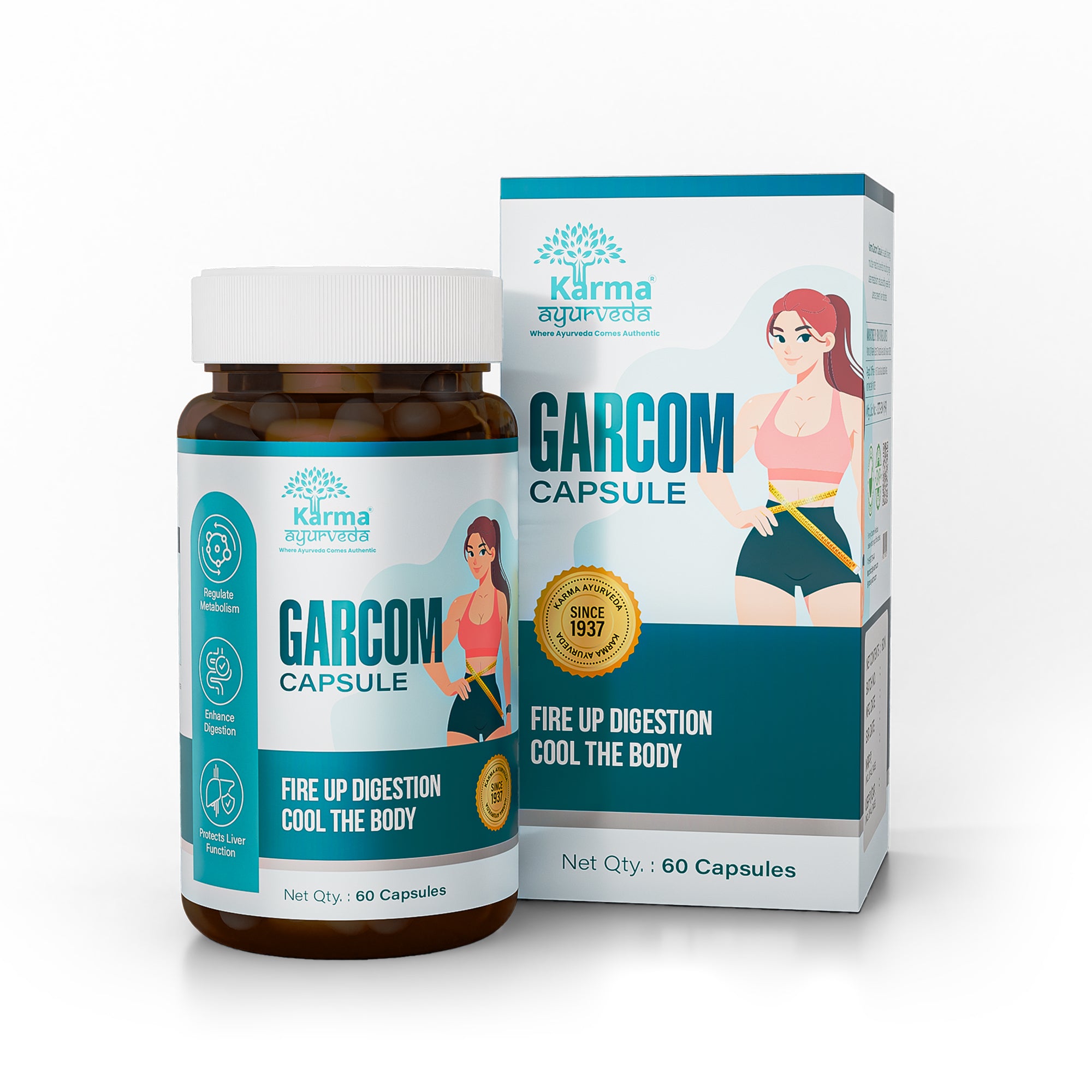
Karma Garcom Capsules contain Garcinia indica to support healthy metabolism, digestion, weight management, digestive comfort and daily wellness alongside a balanced lifestyle.
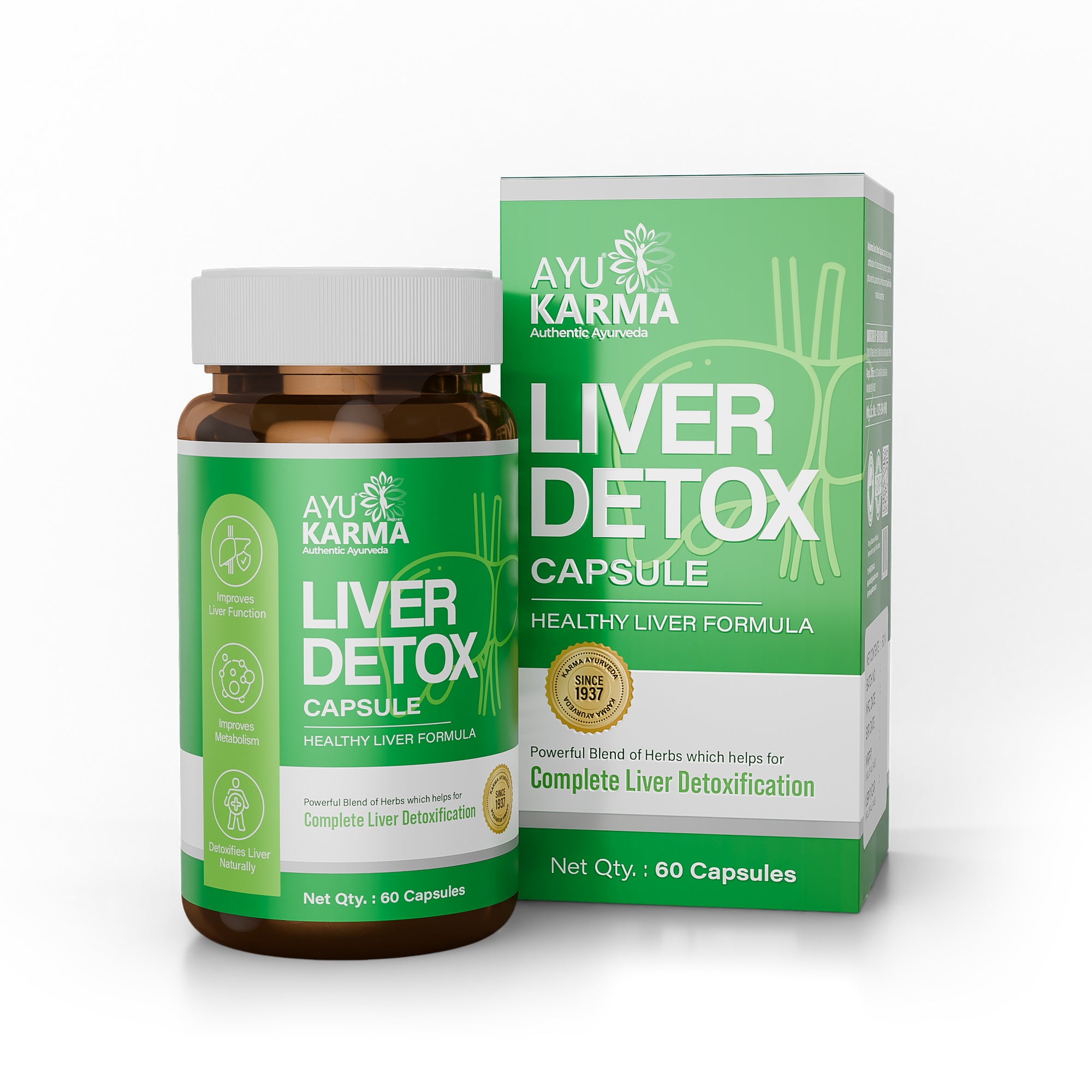
Doctor-recommended liver supplement that helps detoxify the liver, support healthy cholesterol, improve digestion & promote liver health. Developed by Dr. Puneet Dhawan with Karma Ayurveda philosophy.
Second Floor, 77, Block C, Tarun Enclave, Pitampura, New Delhi, Delhi, 110034

Certificate no- AH-2023-0186
JAN 05, 2026 - JAN 04, 2029

US FDA Reg. No.: 14568299376