Unlocking Wellness Naturally
100% Ayurvedic Treatment

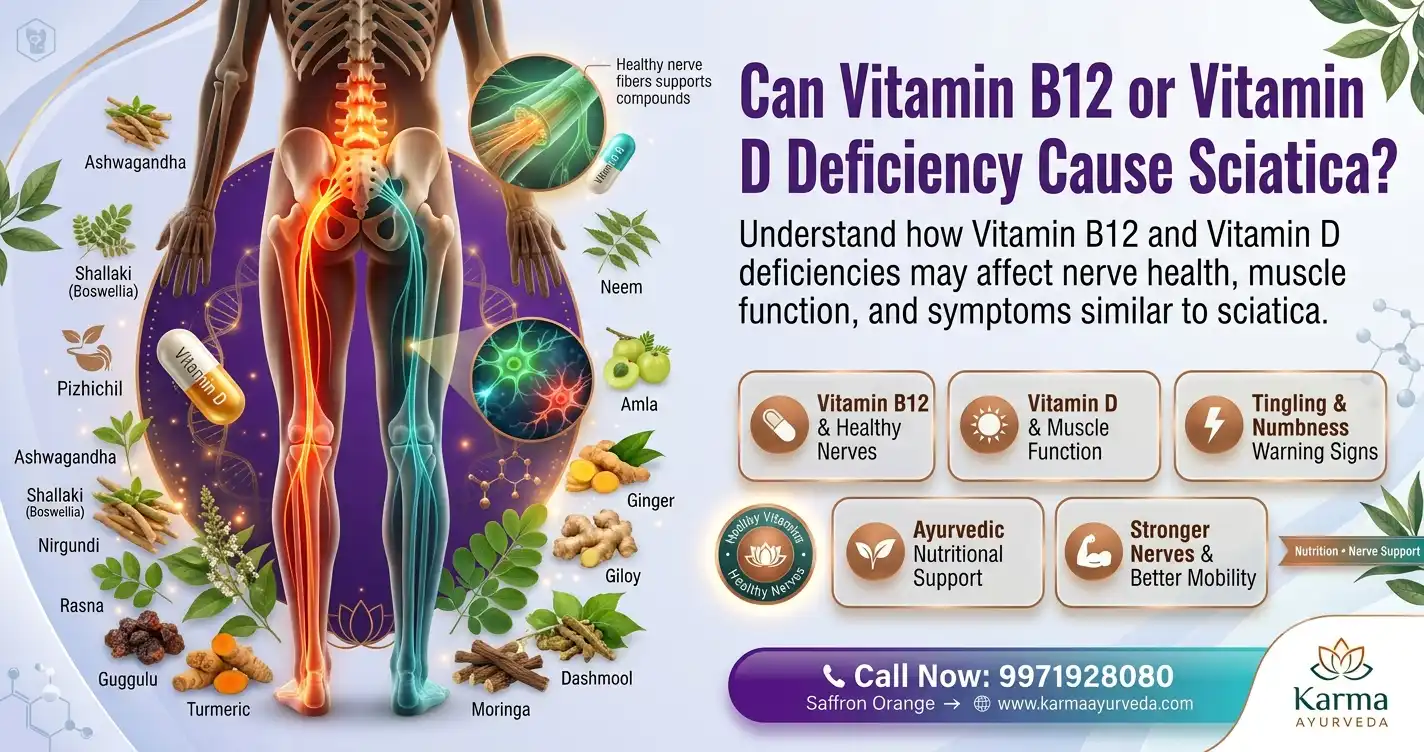
Short answer: not directly, but they can absolutely make your sciatica feel a hundred times worse (and slower to heal). Think of it less like "vitamins cause sciatica" and more like "low vitamins throw fuel on a fire that's already burning."
If you've ever Googled "why does my leg feel like it's on fire" at 2 AM while lying on the bathroom floor because that's the only position that doesn't hurt; hi, welcome, you're not alone, and this blog is for you.
Let's get the basics out of the way first. Sciatica happens when your sciatic nerve; the long, dramatic diva that runs from your lower back all the way down each leg; gets pinched, compressed, or irritated. The usual suspects are a herniated disc, bone spurs, spinal stenosis, or muscle spasms squeezing the nerve like an overzealous handshake.
But here's the plot twist nobody warns you about: nerves don't just get "pinched" and stay quiet about it. A healthy nerve has a protective coating called the myelin sheath; basically, the rubber insulation around an electrical wire. When that insulation is intact, nerve signals zip along smoothly. When it's damaged or thin, signals short-circuit, and you get that classic sciatica combo pack of pain, tingling, numbness, and the occasional "why does my foot feel like it's asleep forever" sensation.
And guess what your body needs to build and maintain that myelin sheath? Yep. Vitamin B12 deficiency.
Vitamin B12 is basically the contractor your nervous system hires to keep the myelin sheath in good shape. Without enough of it, myelin production slows down, nerves become more vulnerable to damage, and existing nerve irritation (like the kind sciatica already causes) tends to feel sharper and linger longer.
There's actual research backing this up, not just wellness-blog vibes. A study published in the European Review for Medical and Pharmacological Sciences found that B12 injections reduced the need for painkillers in people dealing with sciatic nerve pain; and interestingly, this benefit showed up even in patients who weren't technically B12 deficient. Separately, animal studies (yes, mostly on rats, because rats apparently sacrifice a lot for science) have shown that B-complex and B12 supplementation can speed up nerve regeneration after injury.
So, while low B12 probably won't single-handedly cause a herniated disc, it can absolutely make an already irritated sciatic nerve behave like it just stubbed its toe on every piece of furniture in the house.
Symptoms of Vitamin B12 deficiency that often get mistaken for "just sciatica acting up" include:
Vitamin D doesn't get involved in myelin the same way B12 does, but it plays a different; equally important; role: keeping inflammation in check and supporting bone and muscle health around your spine.
Low vitamin D has been linked to increased inflammation, and inflammation is basically sciatica's best friend. More inflammation around the nerve root means more swelling, more pressure, more "please just let me sit down" moments. A 2021 rat study even suggested that vitamin D supplementation may help ease sciatica symptoms, though researchers are quick to add that human trials are still needed before anyone starts handing out gold stars.
There's also a structural angle here. Vitamin D helps your body absorb calcium properly, which keeps your spine and surrounding bones strong. Chronically low vitamin D over the years has been associated with weaker bone density, and weaker spinal structures can, in some cases, make you more prone to the kind of disc issues that trigger sciatica in the first place.
Kind of, yes; magnesium is the quiet third wheel in this story. It helps regulate muscle and nerve function, and low magnesium levels have been associated with muscle spasms, numbness, and tingling. A tight, spasming muscle (hello, piriformis) can compress the sciatic nerve just as effectively as a herniated disc can. A 2011 mouse study found that a magnesium-rich diet supported nerve regeneration after sciatic nerve injury, and a 2021 review echoed similar findings around magnesium's role in peripheral nerve repair.
Basically: your nerves are needy. They want B12, they want D, they'd like some magnesium too, thank you very much.
Nutrient
Vitamin B12
Vitamin D
Magnesium
What It Does for Your Nerve
Builds and repairs the myelin sheath around nerves
Reduces inflammation, supports bone/spine strength
Regulates muscle and nerve signaling
Deficiency's Personality Trait
The overworked contractor who quits mid-renovation
The landlord who ignores your maintenance requests
The jumpy roommate who spasms at the slightest noise
If several of these sound familiar, it might be worth asking your doctor for a simple blood test before assuming your sciatica is "just going to be like this forever."
For a lot of people, especially here in India, Sciatica Ayurvedic treatment is the first thing that comes to mind once the MRI reports and painkillers stop giving lasting relief. Ayurveda looks at sciatica (called "Gridhrasi") as a Vata imbalance and focuses on calming that aggravated Vata through herbs, diet, and specific therapies.
Some of the best Ayurvedic herbs for sciatica that keep showing up across traditional formulations include Ashwagandha, Nirgundi, Shallaki (Boswellia), Rasna, and Guggulu; all known for their anti-inflammatory and nerve-strengthening properties. Therapies like Abhyanga (warm oil massage) and Kati Basti (herbal oil pooled over the lower back) are commonly used alongside these herbs to relax tight muscles and improve circulation around the compressed nerve.
If you're exploring Ayurvedic treatment for sciatica as a more holistic, root-cause approach rather than just symptom management, clinics like Karma Ayurveda for Sciatica treatment combine these classical herbs with personalized diet and lifestyle guidance; which, frankly, matters more than people give it credit for. You can also try gentle sciatica home treatment basics in the meantime: warm compresses, easy stretches, and avoiding long hours of sitting (yes, that includes your work-from-home setup that's secretly sabotaging your spine).
Not really; it usually worsens existing nerve irritation rather than being the root cause by itself.
A simple blood test for B12, vitamin D, and magnesium is the easiest way to find out for sure.
Vitamin B12 is the one most commonly recommended for nerve repair and pain relief, often alongside vitamin D.
Many people find real relief with Ayurvedic herbs and therapies like Kati Basti, though results vary from person to person.
Basic sciatica home treatment like gentle stretching, warm compresses, and better posture can help, but persistent pain still needs a doctor's opinion.
This blog is for general informational purposes only and isn't a substitute for professional medical advice, diagnosis, or treatment. Always consult a qualified doctor or Ayurvedic practitioner before starting any supplement, herbal remedy, or treatment plan for sciatica or any other health condition.
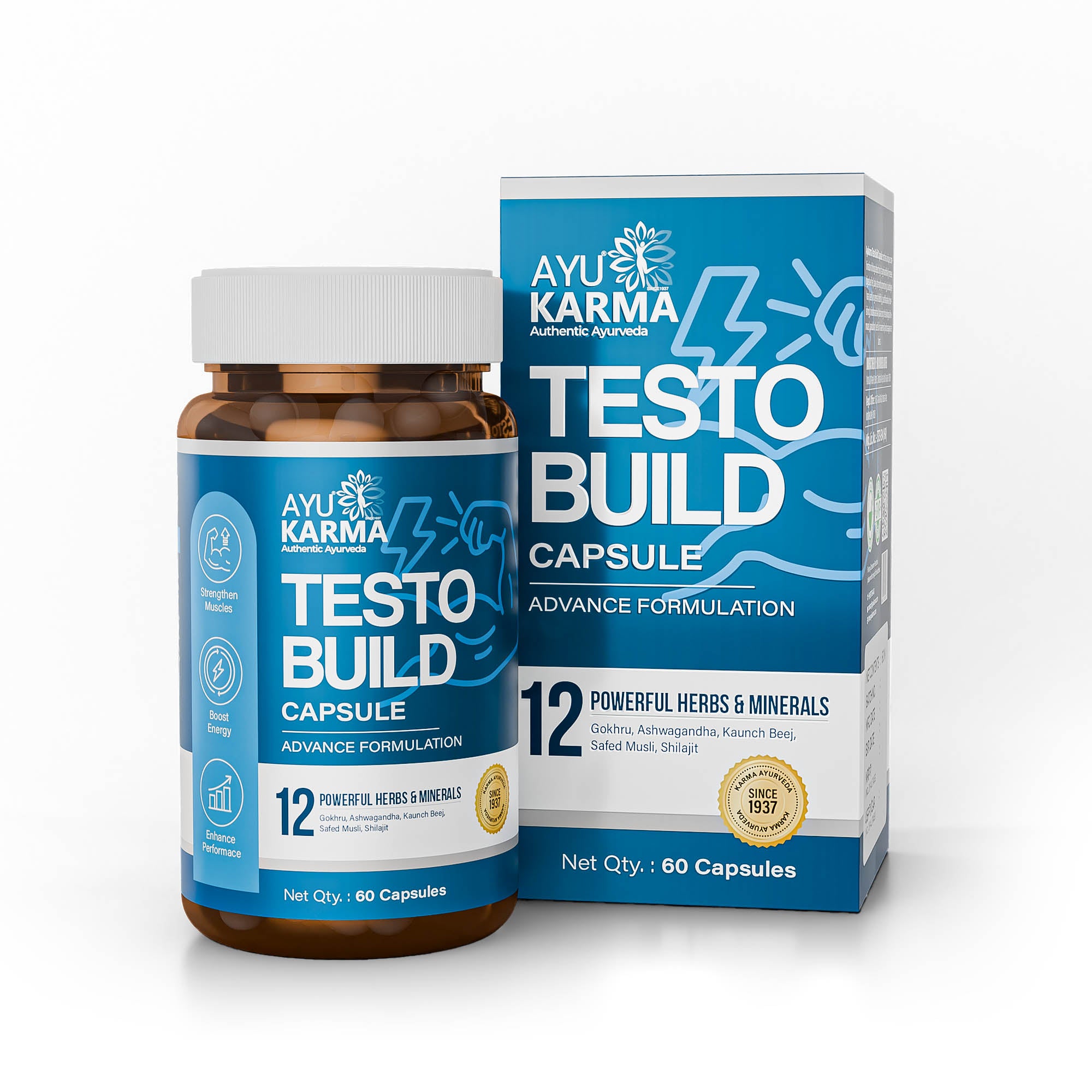
AyuKarma Testo Build Capsules combine 12 Ayurvedic herbs and minerals to support strength, energy, stamina, physical performance, nourishment and overall daily vitality.
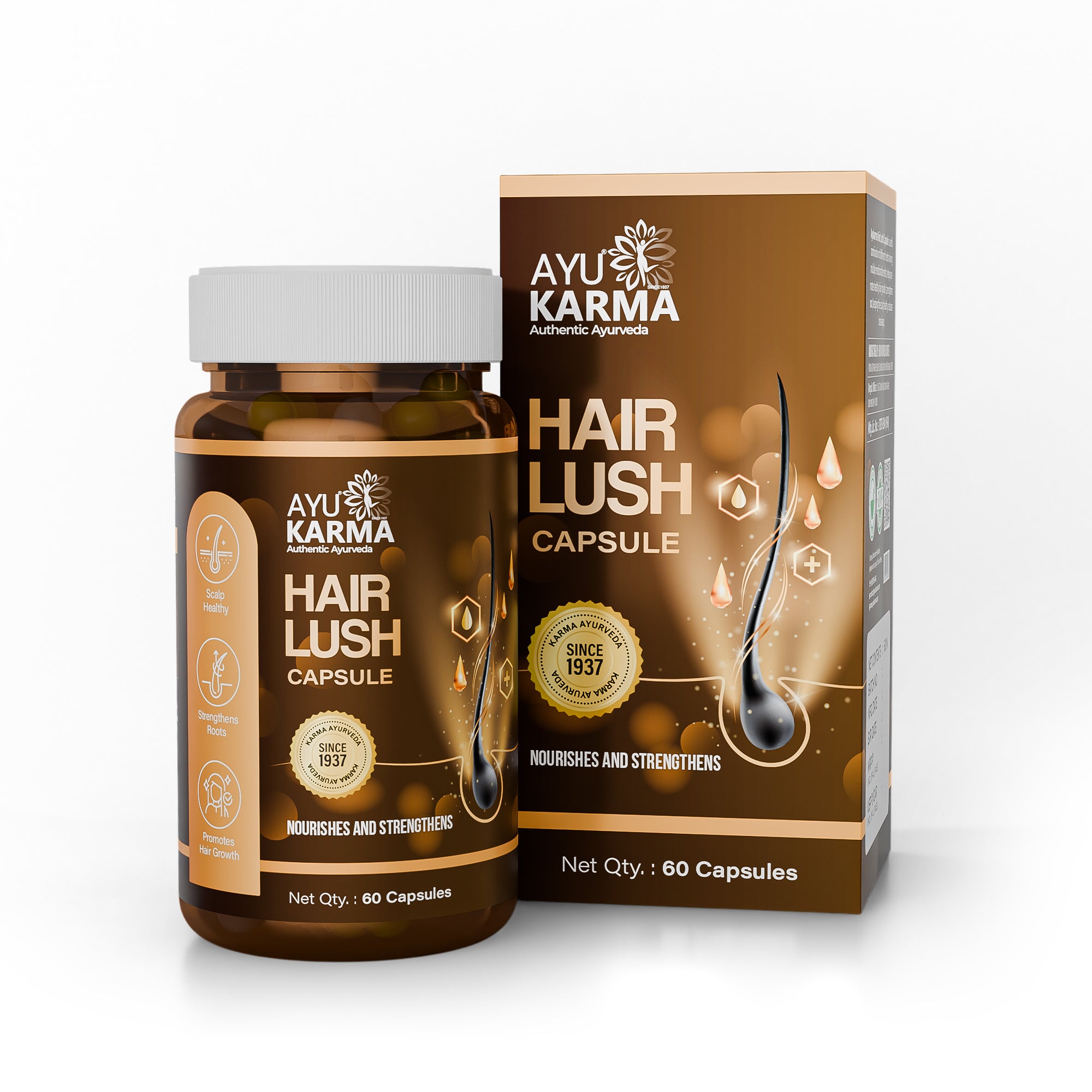
AyuKarma Hair Lush Capsules combine Ayurvedic herbs to support hair growth, reduce hair fall, strengthen roots, nourish the scalp and promote healthier-looking hair.
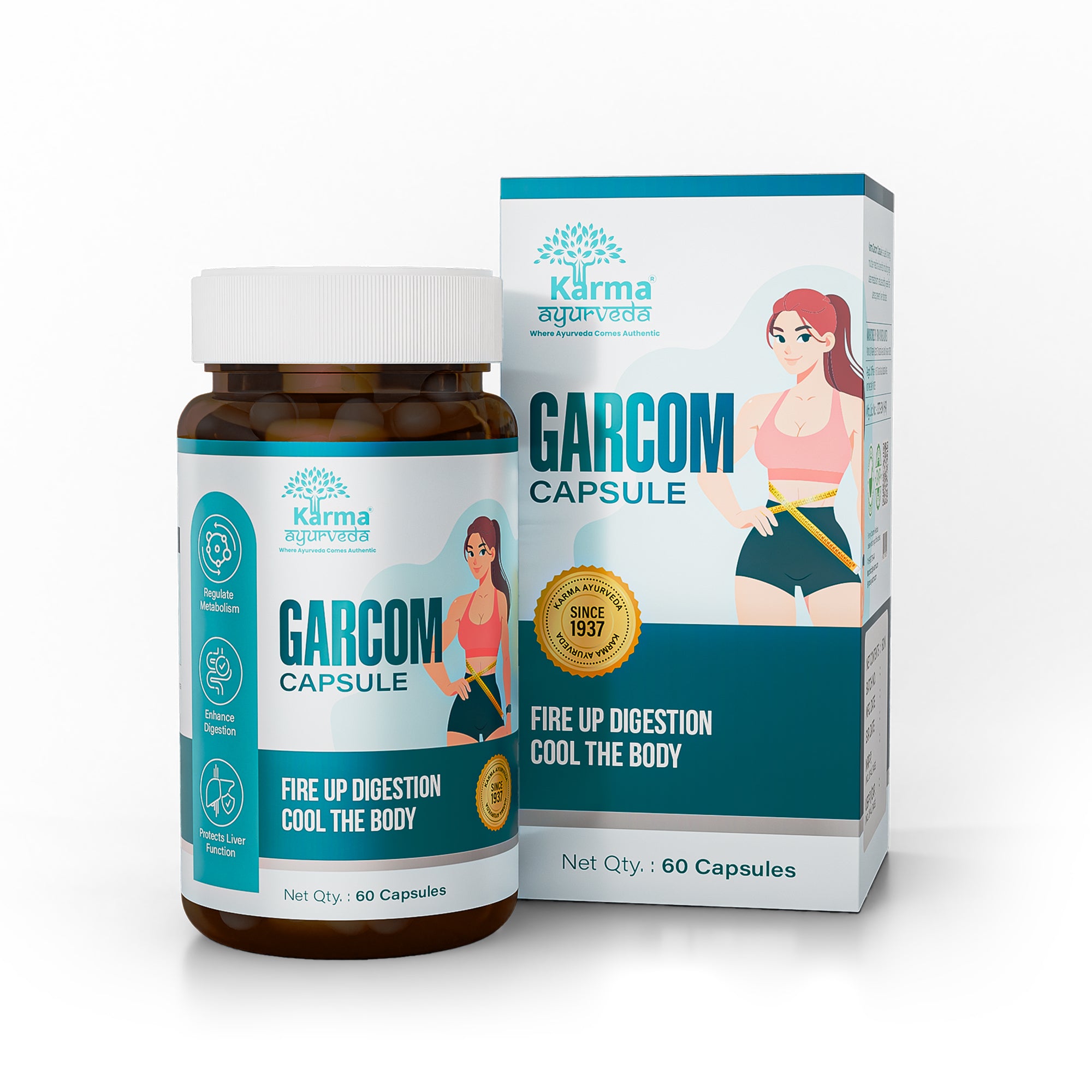
Karma Garcom Capsules contain Garcinia indica to support healthy metabolism, digestion, weight management, digestive comfort and daily wellness alongside a balanced lifestyle.
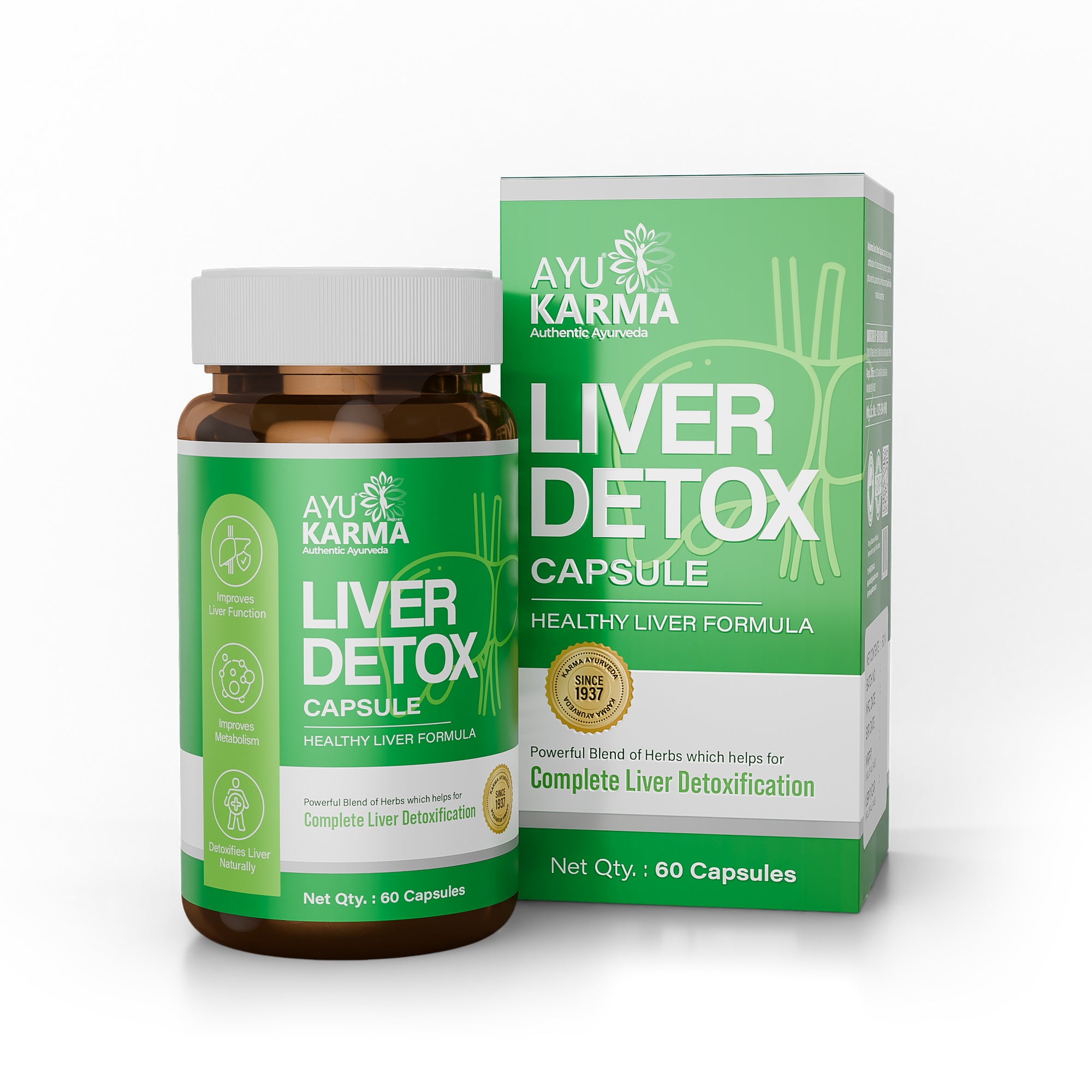
Doctor-recommended liver supplement that helps detoxify the liver, support healthy cholesterol, improve digestion & promote liver health. Developed by Dr. Puneet Dhawan with Karma Ayurveda philosophy.
Second Floor, 77, Block C, Tarun Enclave, Pitampura, New Delhi, Delhi, 110034

Certificate no- AH-2023-0186
JAN 05, 2026 - JAN 04, 2029

US FDA Reg. No.: 14568299376