Unlocking Wellness Naturally
100% Ayurvedic Treatment

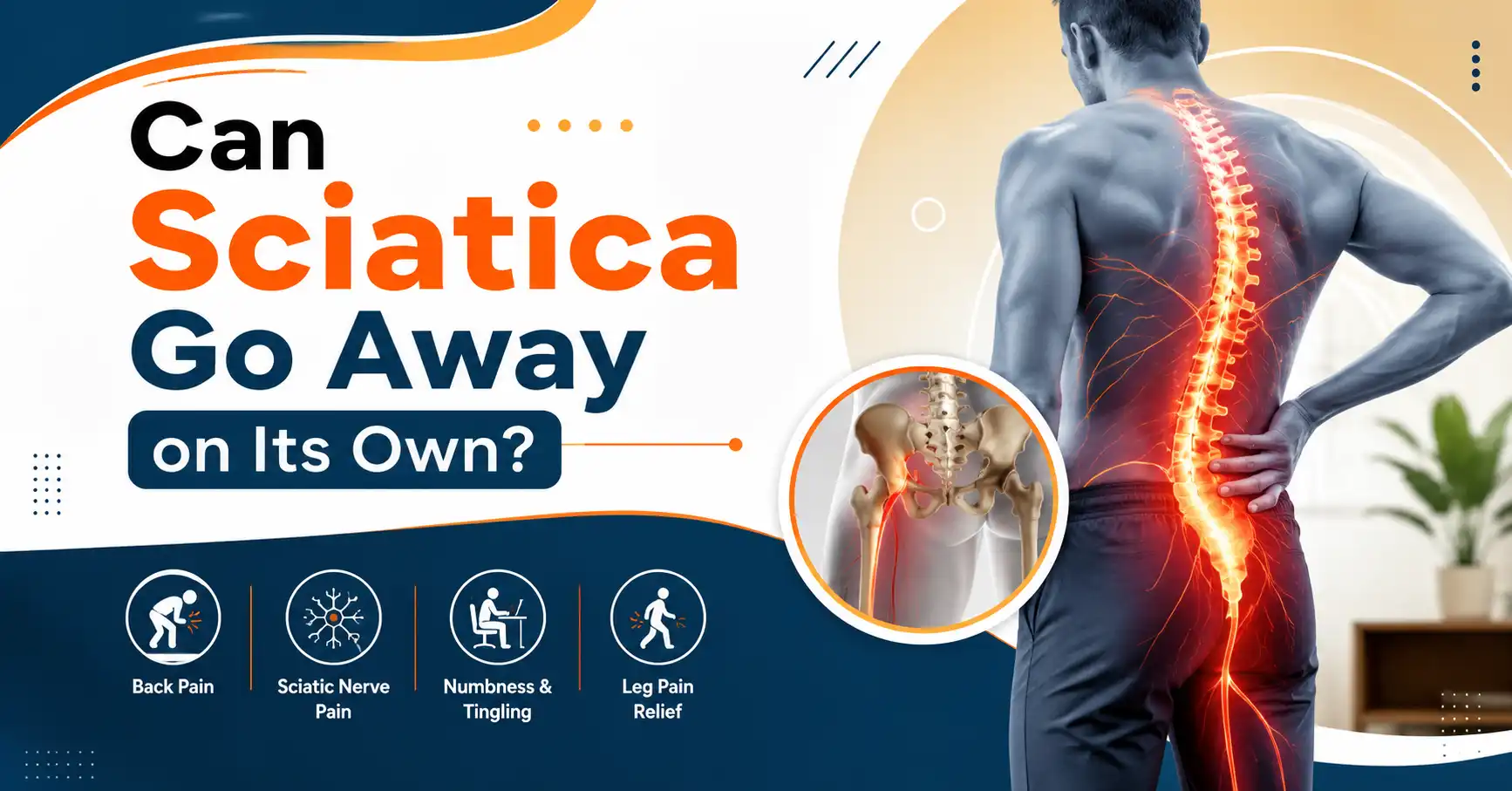
Yes, in most cases, sciatica does go away on its own, usually within 4 to 6 weeks. But; and it's a big but, right up there with the pain shooting down your leg; "usually" is doing a lot of heavy lifting in that sentence, so let's talk about what that actually means for you.
If you're reading this while sitting on one butt cheek because the other one feels like it's been struck by lightning, welcome. You're in good company. Sciatica is ridiculously common, uncomfortably dramatic, and; most of the time; not permanent. It's basically the houseguest who overstays their welcome but does, eventually, leave.
Let's break down what's actually happening in your body, how long you should realistically wait it out, when it's time to stop Googling and see someone, and where things like Ayurvedic treatment for sciatica fit into the picture.
Sciatica isn't really a disease. It's a symptom; a fancy word for "your sciatic nerve is annoyed." This nerve happens to be the longest one in your body, running from your lower back, through your hips and buttocks, and all the way down each leg. So when something presses on it (a herniated disc, a tight piriformis muscle, or spinal stenosis being the usual suspects), it doesn't just hurt where the pressure is; it broadcasts the pain like a bad Wi-Fi signal, all the way down your leg.
The result: sharp, burning, or electric-shock-like pain, usually on one side, sometimes with numbness or tingling thrown in as a bonus nobody asked for.
Here's the reassuring part. Most cases of sciatica can resolve without surgery, and mild sciatica often improves on its own with time and self-care. In fact, around 60% of patients feel meaningfully better within six weeks with non-surgical, conservative care, and that number climbs to 80–90% overall when the right care is followed.
Doctors generally break the timeline down like this:
There's also an old, slightly comforting line researchers use when talking about this condition: no one has ever died of sciatica, and no one has ever had sciatica for their entire life. Small comfort when you're wincing getting out of the car, but comfort nonetheless.
Basically, inflammation is the villain of this story, and inflammation, unlike your in-laws, doesn't stick around forever. As the swelling around the compressed nerve calms down and your body reabsorbs some of the disc material that was pressing on it, the irritation eases up. This natural healing process happens as inflammation decreases and the body adjusts to the nerve compression.
Of course, "self-healing" isn't the same as "do nothing and hope for the best." A few things genuinely help this process along:
Not every case fades quietly into the sunset. Recovery tends to drag on longer when:
If leg pain is still hanging around at the six-week mark, that's usually the point to get checked by a spine specialist before the pain pattern settles in for good. A study noted in the British Journal of Anaesthesia also found that while many patients with disc-related sciatica do improve, a meaningful subset develop persistent or recurrent symptoms; which is a polite, medical way of saying "don't just tough it out indefinitely."
This is where things get interesting for anyone who'd rather not jump straight to painkillers or surgery. Sciatica Ayurvedic treatment looks at sciatica (referred to as "Gridhrasi" in Ayurvedic texts) as an imbalance of Vata dosha, and focuses on calming inflammation, nourishing the nerve tissue, and improving mobility through a mix of therapies rather than a single pill.
Some of the more studied Ayurvedic approaches include:
There's actual clinical interest here, not just tradition for tradition's sake. A controlled study conducted at the Faculty of Ayurveda, Institute of Medical Sciences, BHU, Varanasi,
That said; and this bit matters; Ayurvedic care works best as a complementary, supportive approach, not a replacement for a proper diagnosis, especially if you're dealing with red-flag symptoms like leg weakness, numbness that's spreading, or loss of bladder control (in which case, please, put the herbal oils down and go to an ER).
If you're exploring this route, a place like Karma Ayurveda Hospital or a similarly established Karma Ayurveda for Sciatica treatment setup can help design a treatment plan around your specific diagnosis rather than a one-size-fits-all approach; which, with something as individual as nerve pain, genuinely matters.
What It Involves: Ice, heat, gentle walks, mild painkillers
Best For: Mild, early-stage sciatica
The Catch: Requires actual patience, which nobody has
What It Involves: Targeted exercises, posture correction
Best For: Recurring or posture-related sciatica
The Catch: Homework you actually have to do
What It Involves: Herbal formulations, oils, dietary changes
Best For: People wanting a holistic, low-intervention route
The Catch: Needs consistency over weeks, not overnight magic
What It Involves: Microdiscectomy or similar procedures
Best For: Severe, unresolving nerve compression
The Catch: The nuclear option, saved for when nothing else works
Yes, mild sciatica often clears up by itself in a few weeks, but basic self-care speeds things along nicely.
If it's still bothering you past six weeks, it's time to get it properly checked rather than waiting it out.
Several small clinical studies show real improvement in pain and mobility with Ayurvedic therapies like Kati Basti and herbal formulations, especially alongside gentle movement.
Gentle movement usually helps more than strict bed rest, which can actually slow your recovery down.
See a doctor right away if you notice leg weakness, spreading numbness, or any trouble controlling your bladder or bowels.
This blog is for general informational purposes only and isn't a substitute for professional medical advice, diagnosis, or treatment. Sciatica causes and severity vary widely from person to person, so please consult a qualified doctor or Ayurvedic practitioner before starting any treatment, especially if symptoms are severe or worsening.
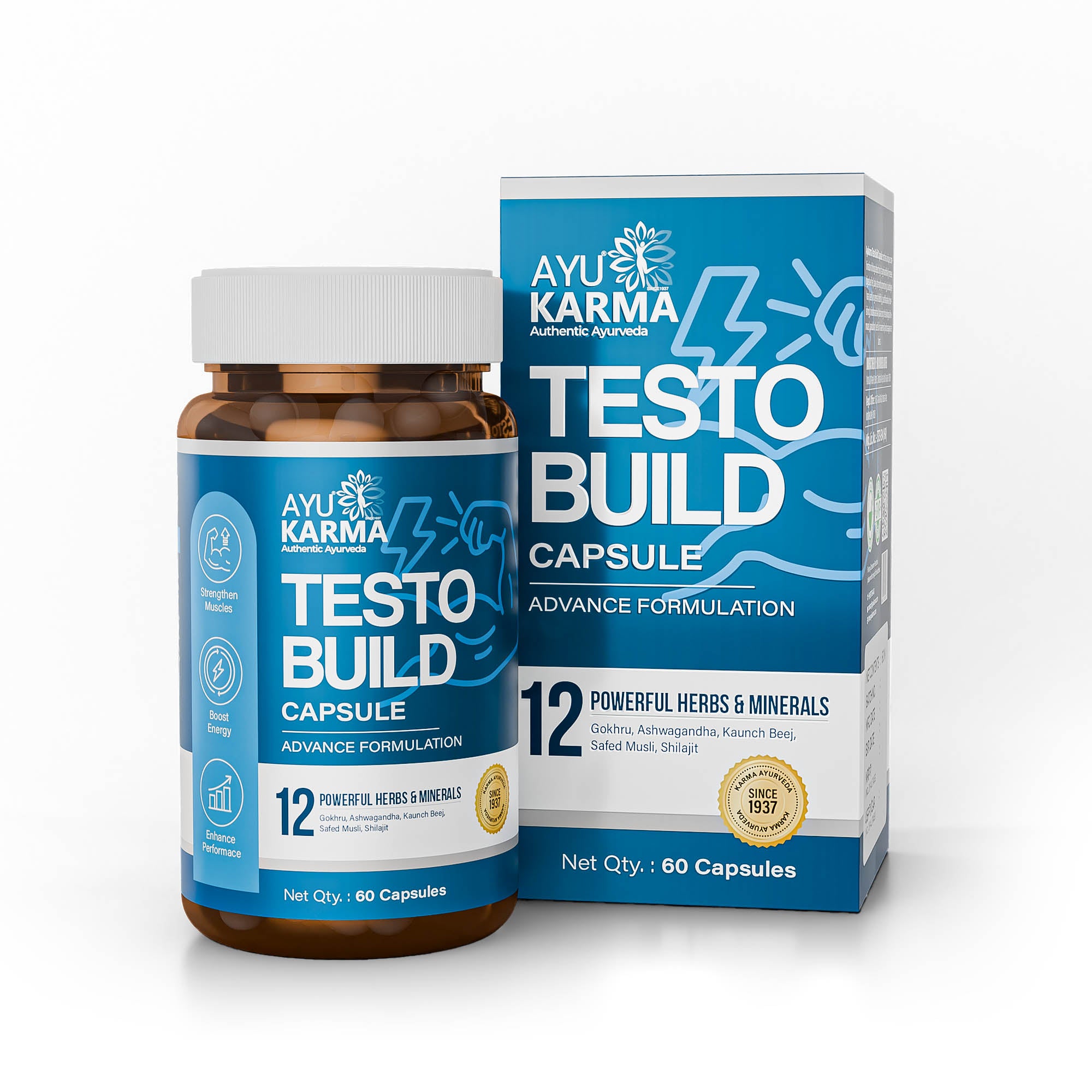
AyuKarma Testo Build Capsules combine 12 Ayurvedic herbs and minerals to support strength, energy, stamina, physical performance, nourishment and overall daily vitality.
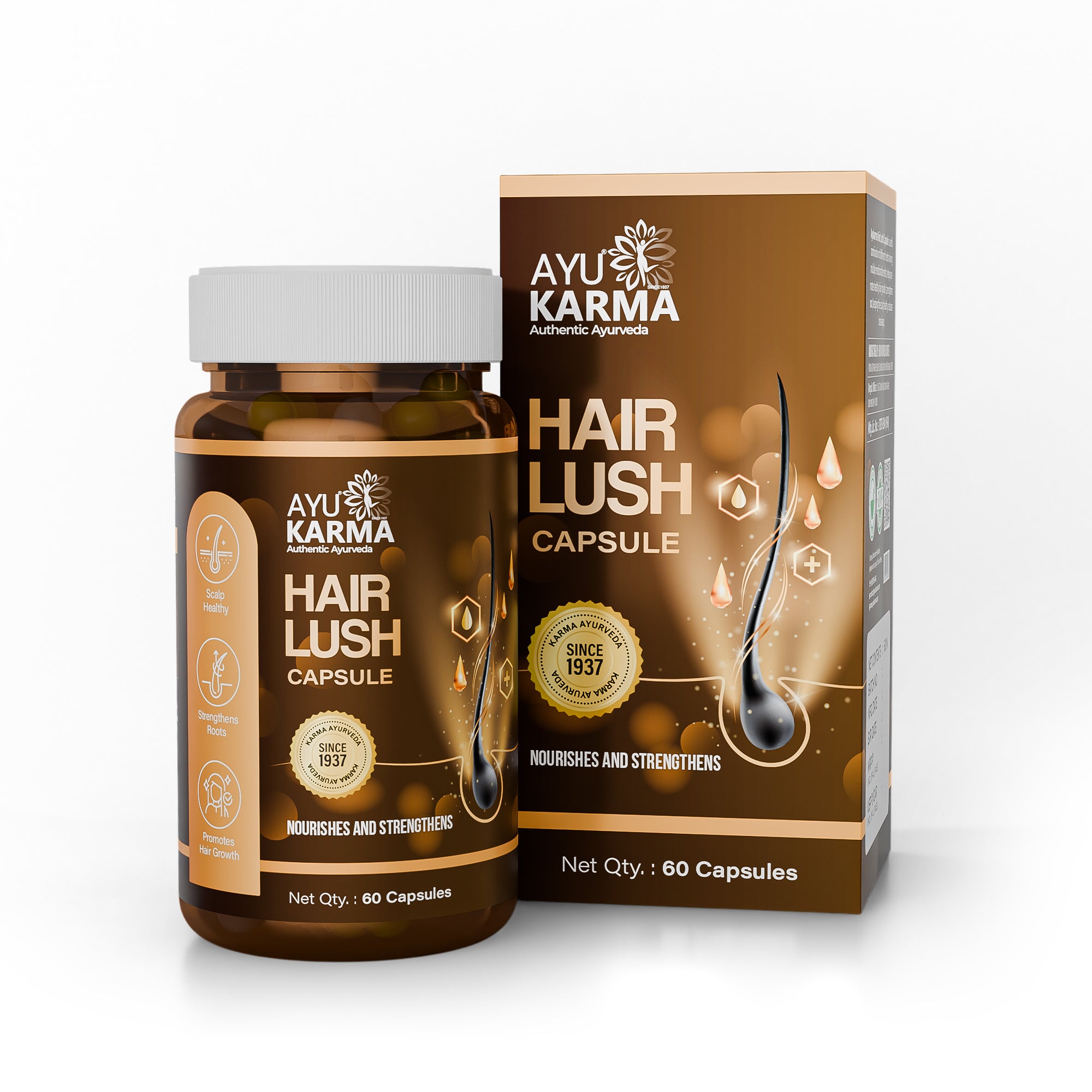
AyuKarma Hair Lush Capsules combine Ayurvedic herbs to support hair growth, reduce hair fall, strengthen roots, nourish the scalp and promote healthier-looking hair.
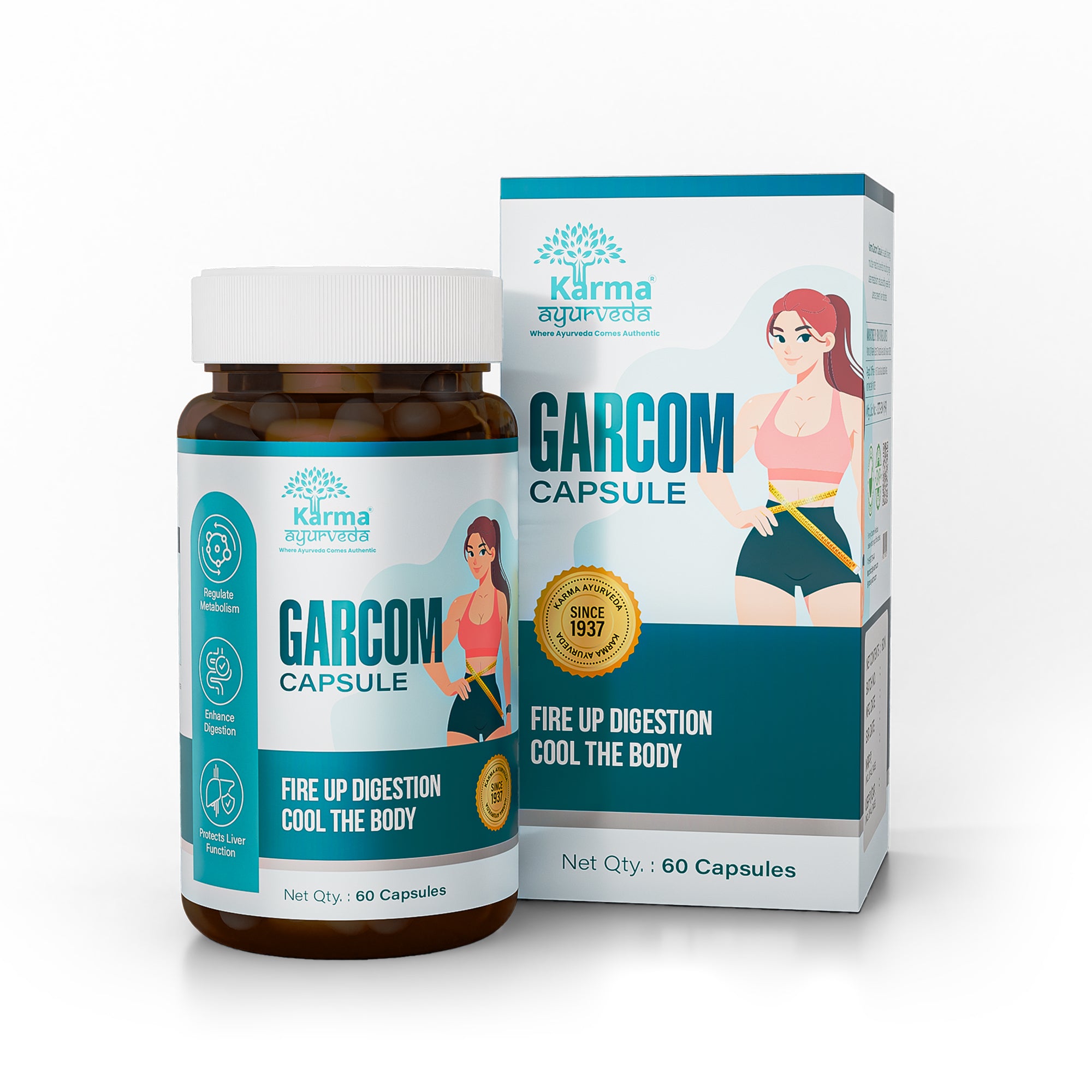
Karma Garcom Capsules contain Garcinia indica to support healthy metabolism, digestion, weight management, digestive comfort and daily wellness alongside a balanced lifestyle.
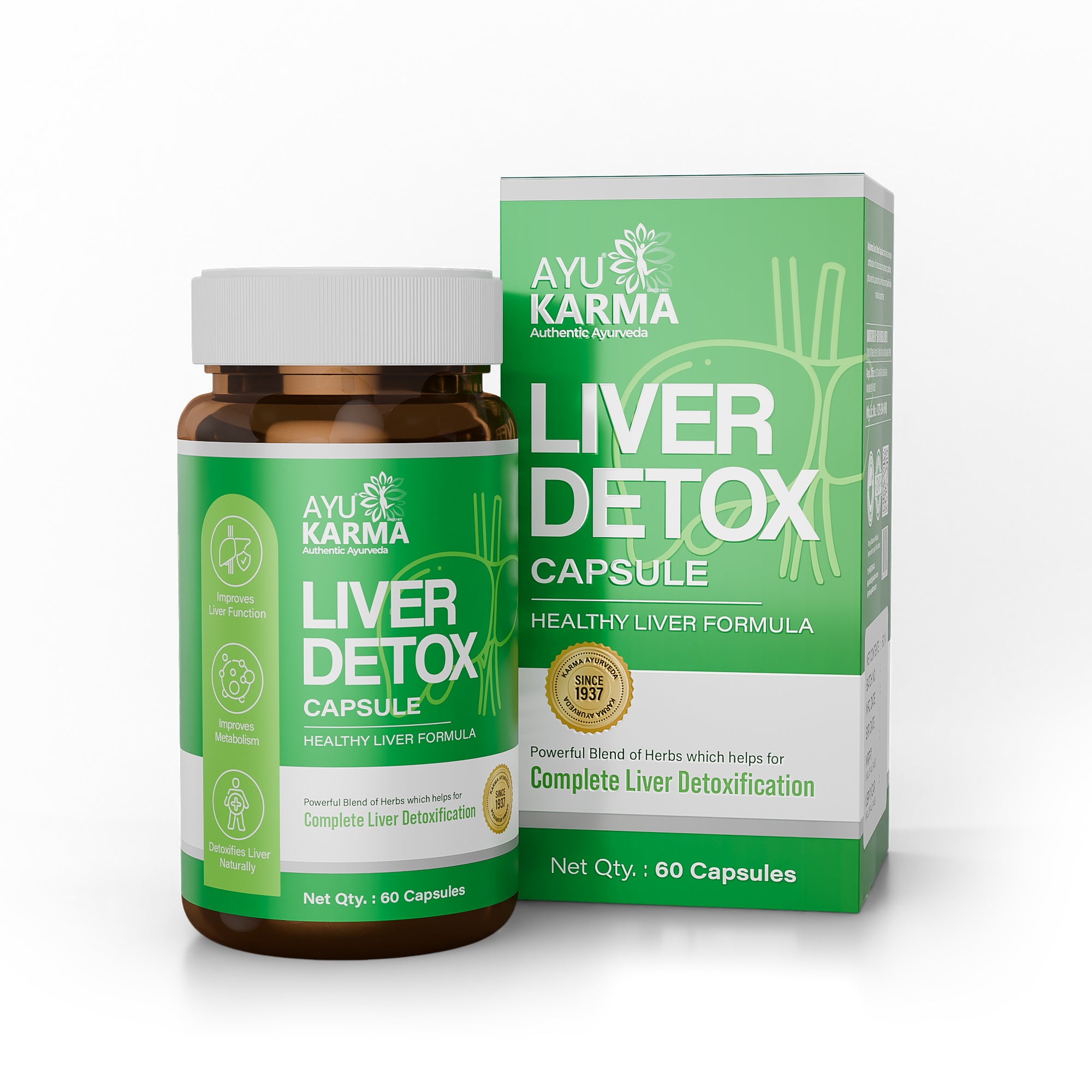
Doctor-recommended liver supplement that helps detoxify the liver, support healthy cholesterol, improve digestion & promote liver health. Developed by Dr. Puneet Dhawan with Karma Ayurveda philosophy.
Second Floor, 77, Block C, Tarun Enclave, Pitampura, New Delhi, Delhi, 110034

Certificate no- AH-2023-0186
JAN 05, 2026 - JAN 04, 2029

US FDA Reg. No.: 14568299376