Unlocking Wellness Naturally
100% Ayurvedic Treatment

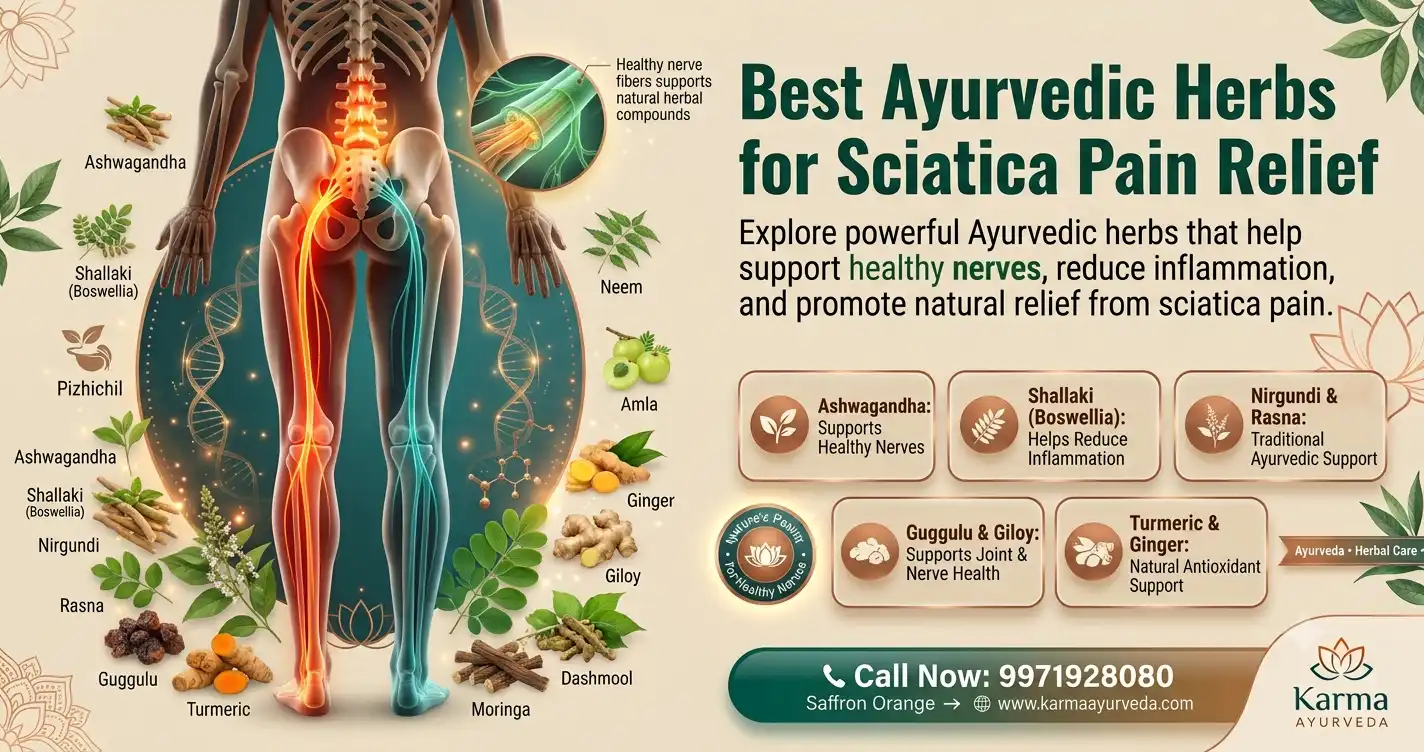
The best Ayurvedic herbs for sciatica pain relief are Nirgundi, Guggulu, Ashwagandha, Shallaki (Boswellia), and Dashmool; herbs that Ayurveda has leaned on for centuries to calm nerve pain and inflammation. If you've ever tried to sit through a movie while your leg screamed at you from hip to heel, you already know why people go looking for something more than a painkiller and a prayer.
Sciatica has a way of humbling even the toughest people. One day you're jogging, lifting your kid, or just bending down to tie your shoelace; and the next, a jolt runs from your lower back straight down your leg like someone flipped a switch on your nervous system. It's dramatic, it's annoying, and honestly, it's exhausting. That's exactly why so many people are turning back to Ayurvedic treatment for sciatica; not as some mystical cure-all, but as a genuinely old, tested approach to calming inflamed nerves and stiff, angry muscles.
In this blog, we're going to break down which herbs actually help, why they help, what science (real science, not Instagram science) has to say about them, and how you can use them safely. No fluff, no miracle promises; just a clear, honest look at sciatica home treatment the Ayurvedic way.
Before we get to the herbs, let's quickly understand the troublemaker itself. Sciatica happens when the sciatic nerve; the longest nerve in your body, running from your lower back down through your hips and legs; gets compressed or irritated. This usually happens because of a herniated disc, spinal stenosis, or sometimes just too many hours spent sitting like a pretzel at your desk (we've all been there).
In Ayurveda, sciatica is called "Gridhrasi", and it's classified as a Vata disorder. Vata, in Ayurvedic terms, governs movement and the nervous system; so, when it's aggravated, you get exactly the kind of shooting, unpredictable pain sciatica is famous for. The Ayurvedic approach doesn't just chase the pain; it tries to calm the aggravated Vata, reduce inflammation, and restore smoother movement in the body. That's the whole philosophy behind Ayurvedic herbs for sciatica pain relief; treat the root, not just the yelp.
Nirgundi is often the first name that comes up in any conversation about sciatica Ayurvedic treatment, and for good reason. It's traditionally used as an anti-inflammatory and analgesic herb, usually applied as an oil massage over the lower back and leg. Some preliminary studies, including research published in the Journal of Ethnopharmacology, have looked at Vitex negundo's anti-inflammatory properties in animal models, showing it can help reduce swelling and pain markers.
Think of Nirgundi oil massage as a warm hug for your angry nerve; it won't fix a herniated disc overnight, but it can genuinely take the edge off.
Guggulu is Ayurveda's answer to joint and nerve inflammation. It's been used for ages in formulations like Yogaraj Guggulu, specifically designed for Vata-related disorders like sciatica and arthritis. Research published in journals studying Commiphora mukul extracts has pointed to its anti-inflammatory and lipid-lowering properties, which indirectly support nerve and joint health by reducing systemic inflammation.
Ashwagandha isn't just for stress and sleep; it's also a solid pick for best Ayurvedic herbs for sciatica, thanks to its anti-inflammatory and analgesic qualities. A study published in the Indian Journal of Psychological Medicine focused mainly on its stress-reducing benefits, but its broader pharmacological profile (documented across multiple studies) shows it also helps reduce inflammatory markers like CRP, which matters a lot when your nerve is inflamed and cranky.
If there's one herb that has genuinely impressed the scientific community, it's Boswellia. Multiple clinical trials; including one published in Phytomedicine; have shown that Boswellia extracts can reduce pain and improve mobility in people with joint and nerve-related inflammation, largely due to its boswellic acid content, which inhibits inflammatory enzymes. This is one herb where Ayurveda and modern research are pretty much holding hands.
Literally translating to "ten roots," Dashmool is a classical Ayurvedic formulation used specifically for Vata disorders, including sciatica. It's typically used in the form of Dashmool Kwath (decoction) or added to medicated oils for massage. It won't win any beauty contests for taste, but its reputation for reducing nerve inflammation and stiffness has kept it in Ayurvedic pharmacies for centuries.
Rasna is another classical herb specifically indicated for Vata-related joint and nerve pain in Ayurvedic texts like the Charaka Samhita. It's commonly combined with Guggulu and other herbs in formulations aimed at reducing stiffness and improving movement.
Ayurveda rarely relies on just popping a herb like a pill. Here's how these herbs usually show up in a sciatica home treatment routine:
Clinics that specialize in this space, including well-known names like Karma Ayurveda, often combine several of these therapies rather than relying on a single herb, simply because Ayurveda treats the body as one interconnected system rather than isolated symptoms.
Because let's be honest, nobody wants to read ten paragraphs to figure out which herb does what. Here's the cheat sheet:
Herb
Best For
Vibe Check
Nirgundi
Local pain & swelling (massage)
The reliable friend who shows up with an ice pack
Guggulu
Joint & nerve inflammation
The gym buddy who's oddly good at fixing stiffness
Ashwagandha
Stress + inflammation combo
The chill roommate who somehow calms everyone down
Shallaki (Boswellia)
Science-backed pain relief
The overachiever with actual clinical trials to prove it
Dashmool
Deep Vata pacification
The old-school elder who's seen it all and still delivers
Rasna
Stiffness & mobility
The stretchy one, works well with others
This is the fair question skeptics (rightly) ask. And the honest answer is: partially yes, and research is still growing. Herbs like Boswellia serrata have fairly strong clinical backing for anti-inflammatory effects. Others, like Nirgundi and Dashmool, have more traditional documentation and smaller-scale studies rather than large randomized controlled trials; which doesn't mean they don't work, it just means science hasn't fully caught up to centuries of traditional use yet.
A review in the Journal of Clinical Rheumatology has also pointed out that several Ayurvedic herbal combinations show measurable improvement in inflammatory pain conditions when compared to placebo, though researchers consistently call for larger studies. So, it's not blind faith; it's cautious optimism backed by growing evidence.
Herbs aren't magic beans. Ayurveda always pairs them with lifestyle changes:
Ayurveda can meaningfully reduce pain and inflammation for many people, but "complete cure" depends entirely on the underlying cause, so it's best to treat it as long-term relief rather than an overnight miracle.
Most people notice gradual improvement over 3 to 6 weeks of consistent herbal and massage therapy, though it really varies from person to person.
Yes, for most people it's safe as a topical massage oil, but it's smart to do a patch test first and check with a practitioner if you have sensitive skin.
You technically can, but it's genuinely important to tell your doctor and Ayurvedic practitioner about each other's treatments to avoid any unwanted interactions.
Nirgundi oil massage tends to offer the quickest relief for localized pain, while herbs like Guggulu and Ashwagandha work more gradually from the inside out.
This blog is for informational purposes only and isn't a substitute for professional medical advice, diagnosis, or treatment. Sciatica can stem from serious underlying conditions, so please consult a qualified doctor or Ayurvedic practitioner before starting any herbal treatment, especially if you're pregnant, on medication, or have a pre-existing health condition.
Continue using AI Cursor?Keep it onTurn Off
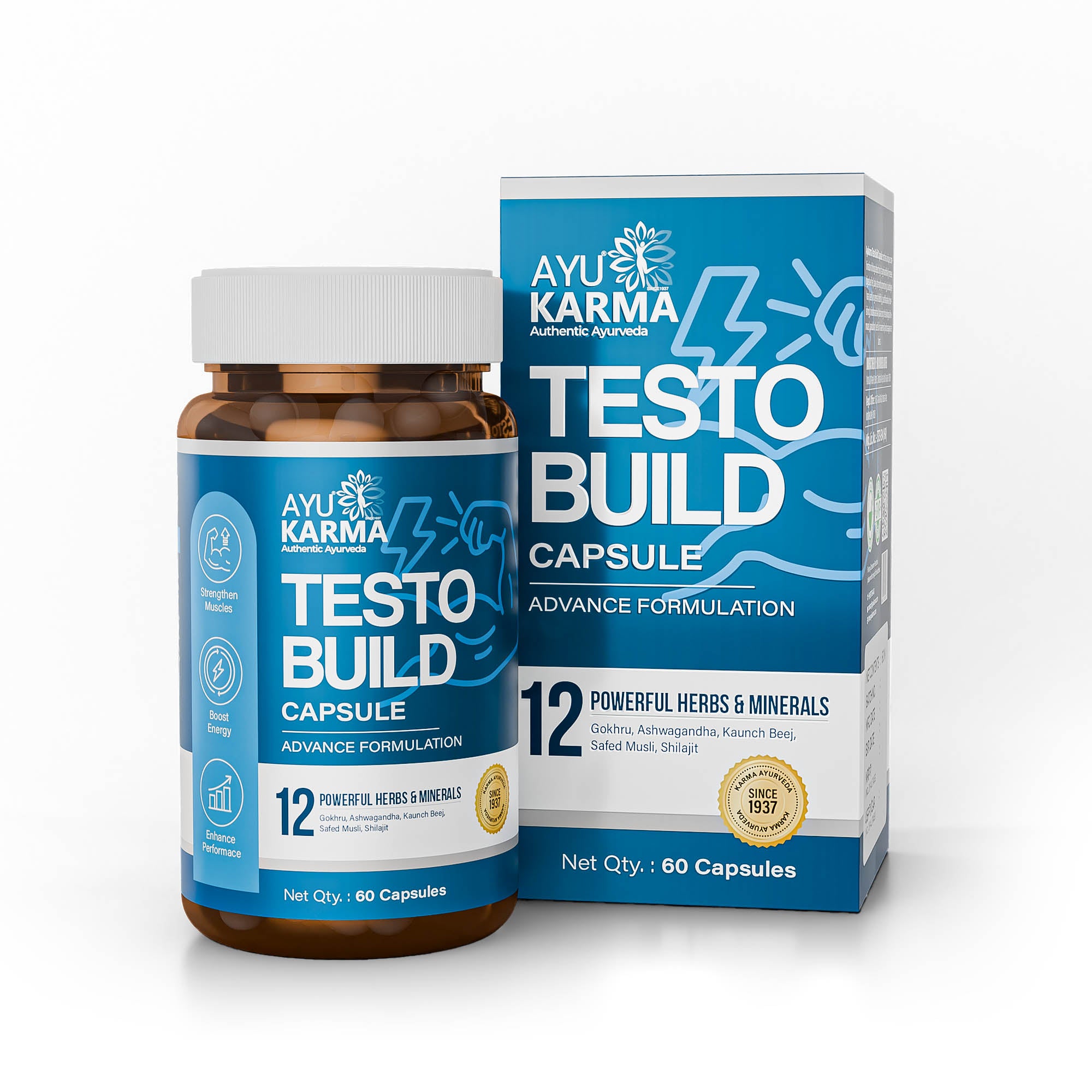
AyuKarma Testo Build Capsules combine 12 Ayurvedic herbs and minerals to support strength, energy, stamina, physical performance, nourishment and overall daily vitality.
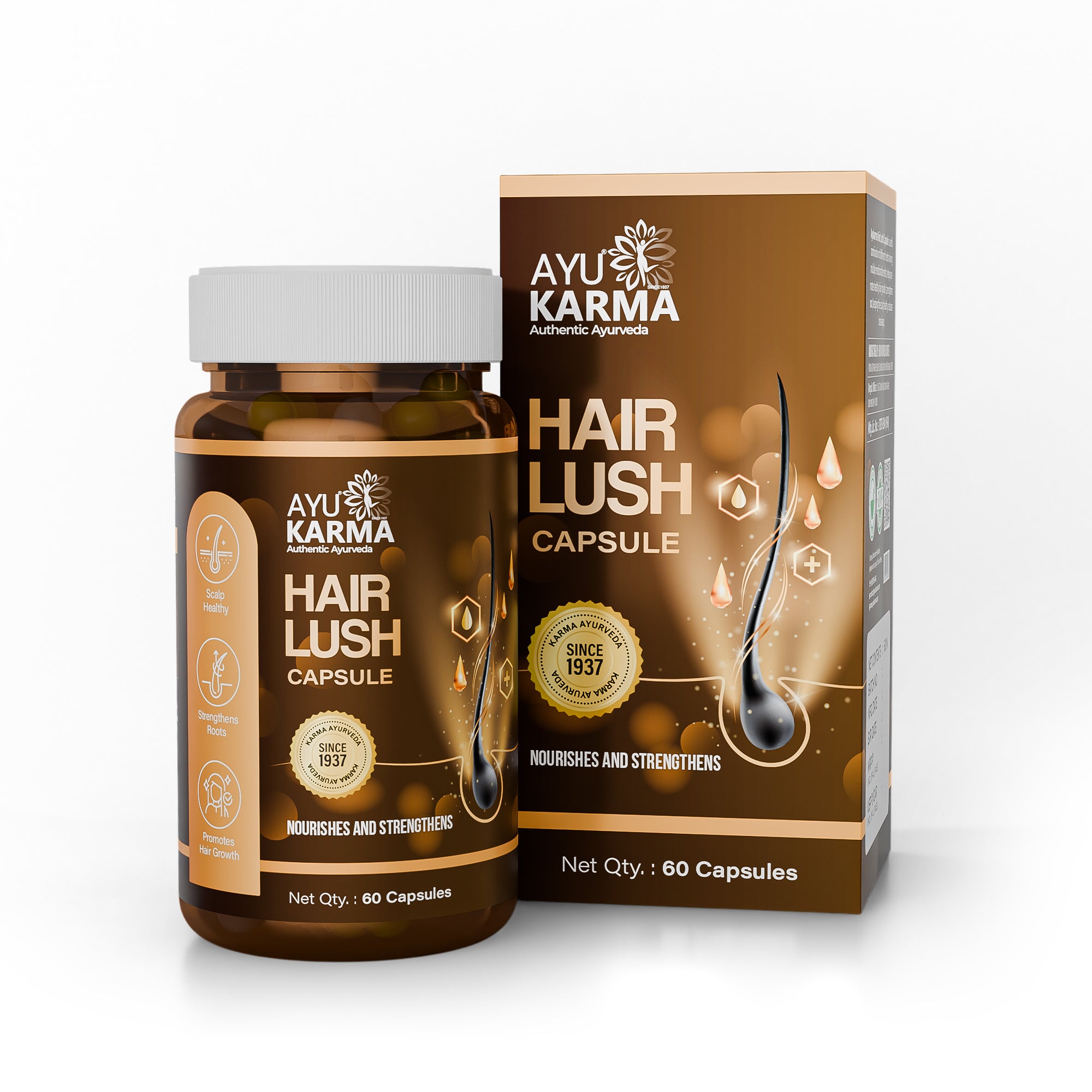
AyuKarma Hair Lush Capsules combine Ayurvedic herbs to support hair growth, reduce hair fall, strengthen roots, nourish the scalp and promote healthier-looking hair.
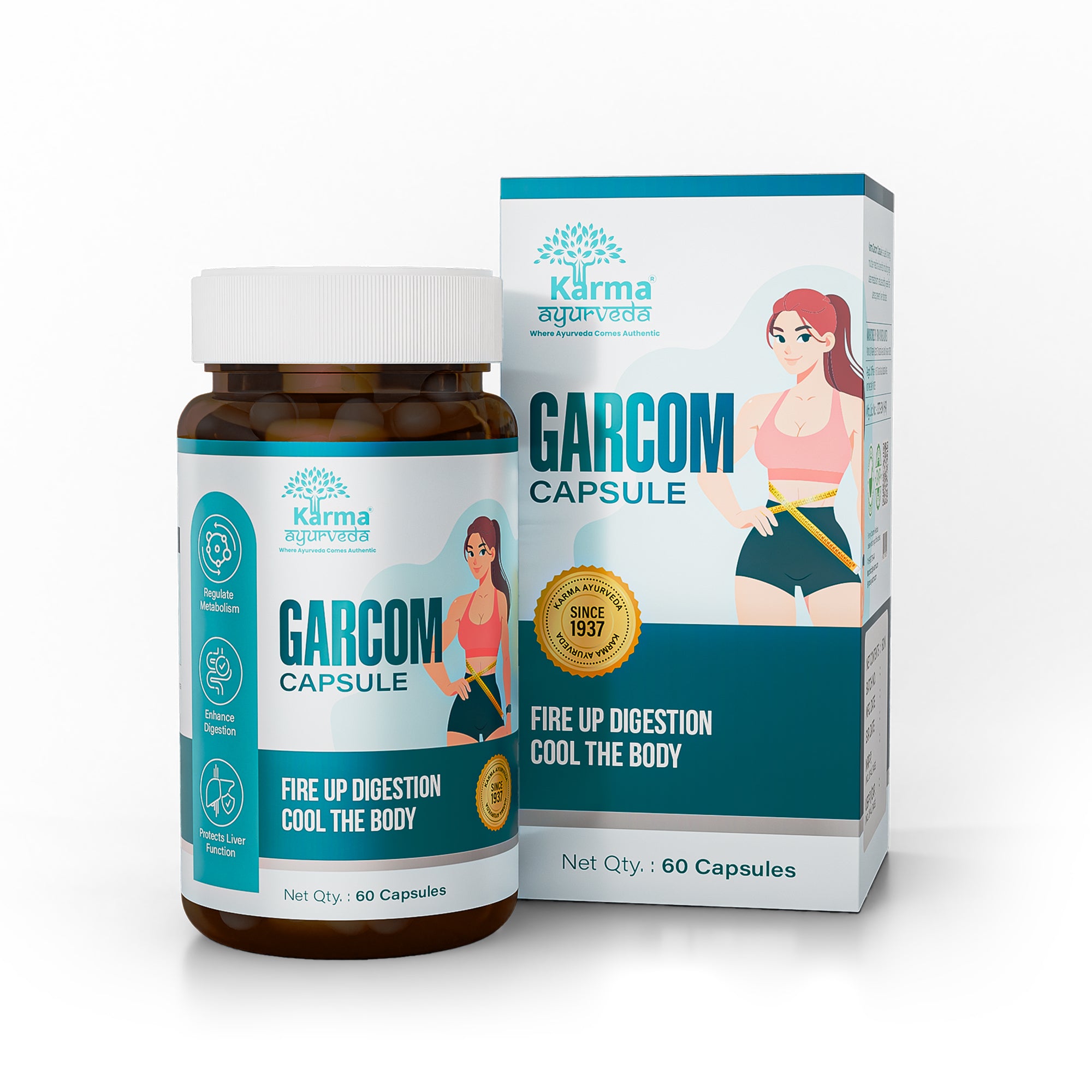
Karma Garcom Capsules contain Garcinia indica to support healthy metabolism, digestion, weight management, digestive comfort and daily wellness alongside a balanced lifestyle.
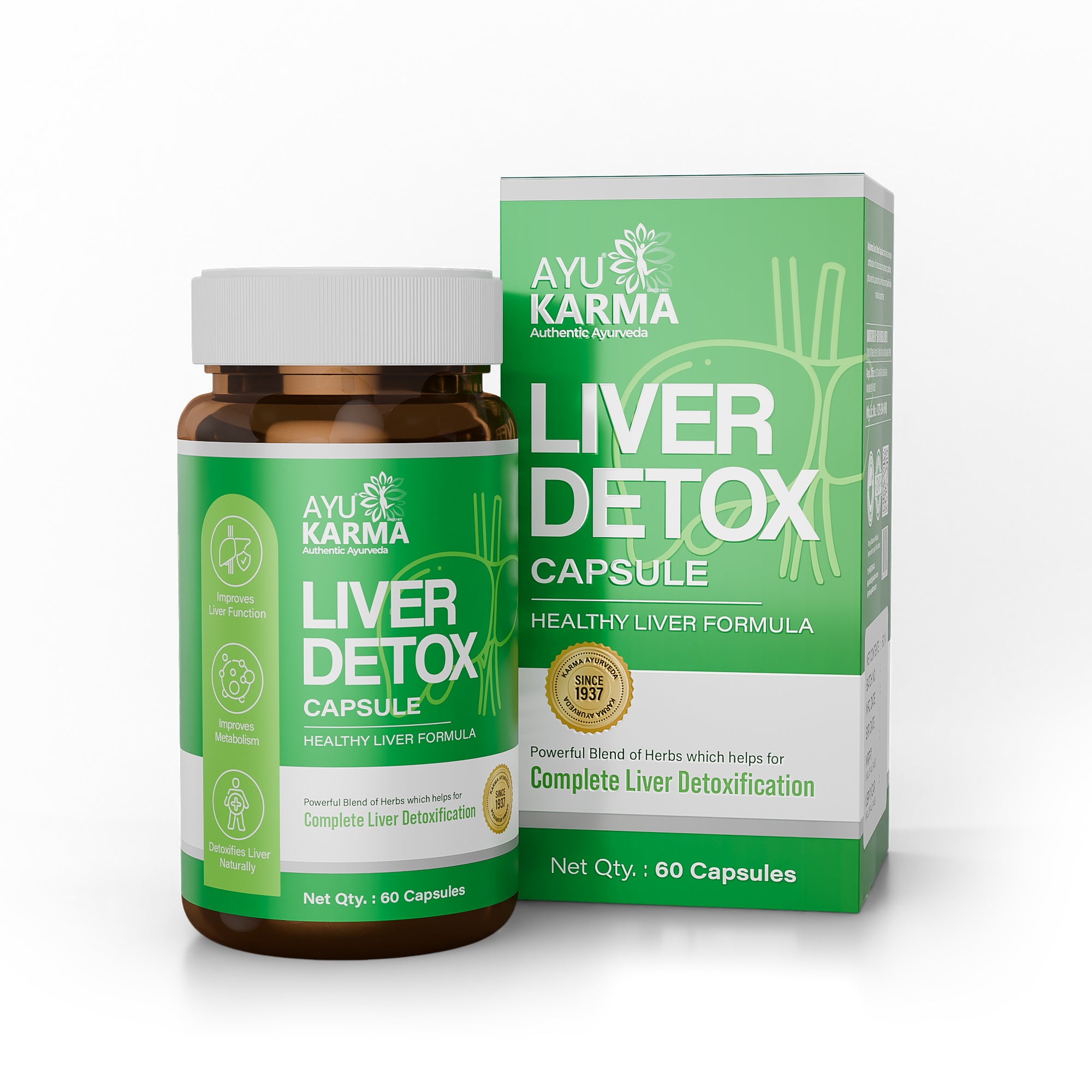
Doctor-recommended liver supplement that helps detoxify the liver, support healthy cholesterol, improve digestion & promote liver health. Developed by Dr. Puneet Dhawan with Karma Ayurveda philosophy.
Second Floor, 77, Block C, Tarun Enclave, Pitampura, New Delhi, Delhi, 110034

Certificate no- AH-2023-0186
JAN 05, 2026 - JAN 04, 2029

US FDA Reg. No.: 14568299376