Unlocking Wellness Naturally
100% Ayurvedic Treatment

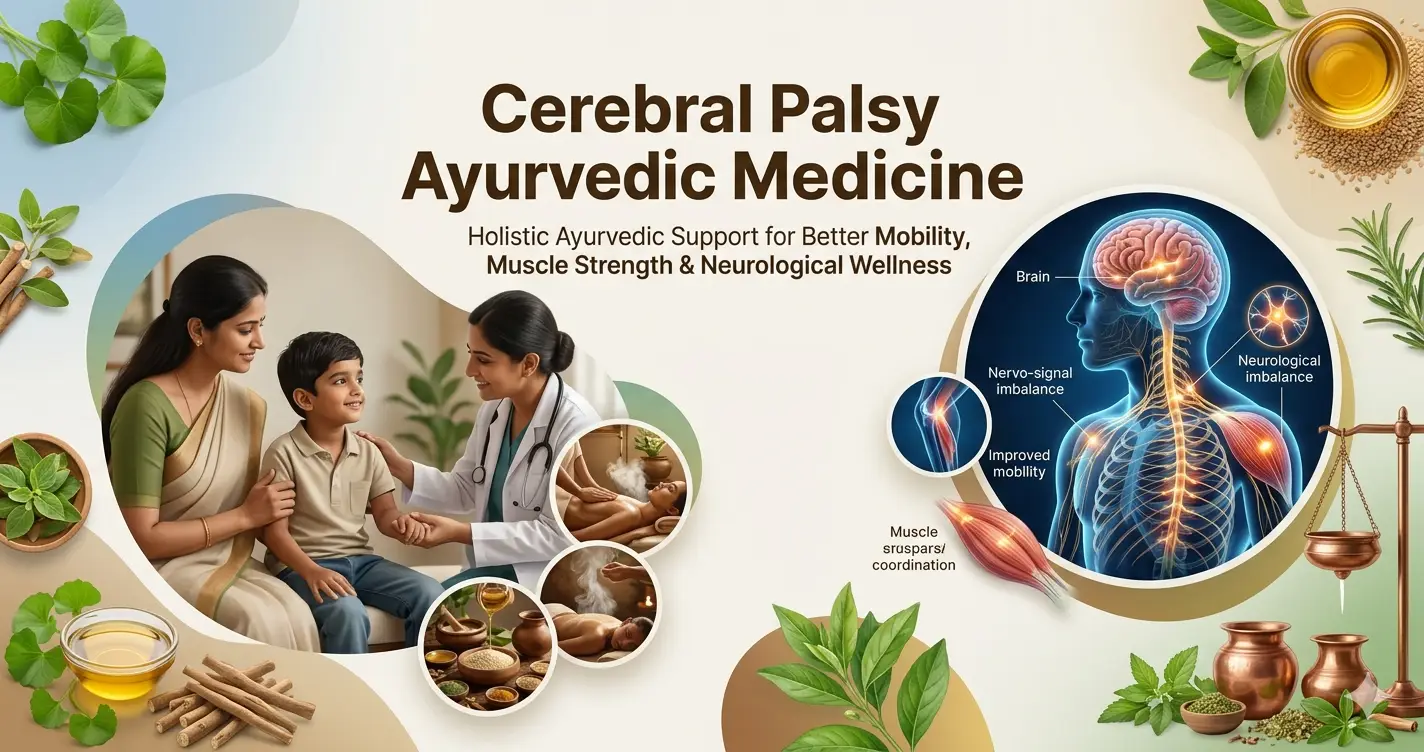
Let’s talk about something important, but without making it feel heavy or complicated. If you or someone in your family is dealing with cerebral palsy, you already know it’s not just a “condition”; it’s a daily journey. Some days are smooth, some days… not so much. And somewhere along the way, many people start looking beyond conventional treatments and wonder, “Is there something more natural? Something gentler?”
That’s where Ayurveda quietly steps in; like that wise old friend who doesn’t rush but always has something meaningful to say.
Cerebral palsy (CP) is a condition that affects movement, muscle tone, and posture. It happens due to damage to the developing brain, usually before or during birth. Now don’t worry; we’re not diving into complicated medical terms today. Think of it like this: the brain is sending signals to the body, but sometimes those signals get a bit “mixed up.”
This can lead to stiffness, difficulty walking, poor coordination, or even speech challenges.
Ayurveda doesn’t look at cerebral palsy as just a “brain issue.” Instead, it sees it as an imbalance in the body; especially related to the Vata dosha. And Vata, in Ayurveda, is all about movement, nerves, and communication within the body.
So when Vata goes out of balance, things like muscle stiffness, tremors, or coordination issues can show up. Sounds familiar, right?
The goal of Ayurvedic treatment for cerebral palsy is not to magically “cure” it overnight (because let’s be honest; nothing works like that), but to improve quality of life, support the nervous system, and help the body function better.
Now here comes the interesting part. Ayurvedic medicines are usually made from herbs, minerals, and natural extracts. And no, they don’t taste like chocolate; but they do have their own charm.
Some commonly used herbs include:
These herbs are often combined into formulations based on the individual’s condition. Ayurveda is very personal; you won’t get the same medicine as your neighbor, even if the condition looks similar.
If you think Ayurveda is just about popping herbal pills, think again. It’s more like a full lifestyle package.
Treatments often include:
These therapies can help improve blood circulation, reduce stiffness, and promote relaxation. And honestly, who doesn’t like a good massage?
Ayurveda also believes that what you eat and how you live plays a big role in managing cerebral palsy.
Simple tips include:
It’s not about strict dieting; it’s about giving your body what it needs to feel supported.
Let’s keep things real. Ayurveda is not a “quick fix.” It’s more like planting a tree; you water it, take care of it, and slowly it starts to grow.
With consistent Ayurvedic medicine for cerebral palsy, many people notice:
And sometimes, even small improvements can make a big difference in daily life.
Many families today are exploring natural treatment for cerebral palsy because they want something that works alongside modern therapies, not against them.
Ayurveda is gentle, holistic, and focuses on long-term balance rather than temporary relief. It doesn’t replace physiotherapy or medical care; it complements them.
When it comes to specialized Ayurvedic care, Karma Ayurveda Hospital has been a well-known name in India. Under the guidance of Dr. Puneet Dhawan, the focus is on providing personalized herbal treatments and therapies for chronic conditions, including neurological disorders like cerebral palsy.
Their approach combines traditional Ayurvedic knowledge with modern understanding, which makes it more practical for today’s lifestyle.
Let’s be honest; if Ayurveda had a slogan, it would probably be something like:
“Slow and steady wins the race… and also fixes your digestion.”
Jokes aside, the beauty of Ayurveda lies in its patience. It doesn’t rush, but it doesn’t give up either.
Living with cerebral palsy is not easy, and there’s no one-size-fits-all solution. But Ayurveda offers a gentle, supportive path that focuses on improving life; not just managing symptoms.
If you’re considering it, take it step by step. Consult a qualified Ayurvedic doctor, stay consistent with treatments, and most importantly, be patient with the process.
Because sometimes, healing isn’t about big dramatic changes; it’s about small, steady improvements that quietly make life better.
No, but it can help manage symptoms and improve quality of life.
Yes, if taken under a qualified Ayurvedic doctor’s guidance.
It varies, but gradual improvement is usually seen over months with consistency.
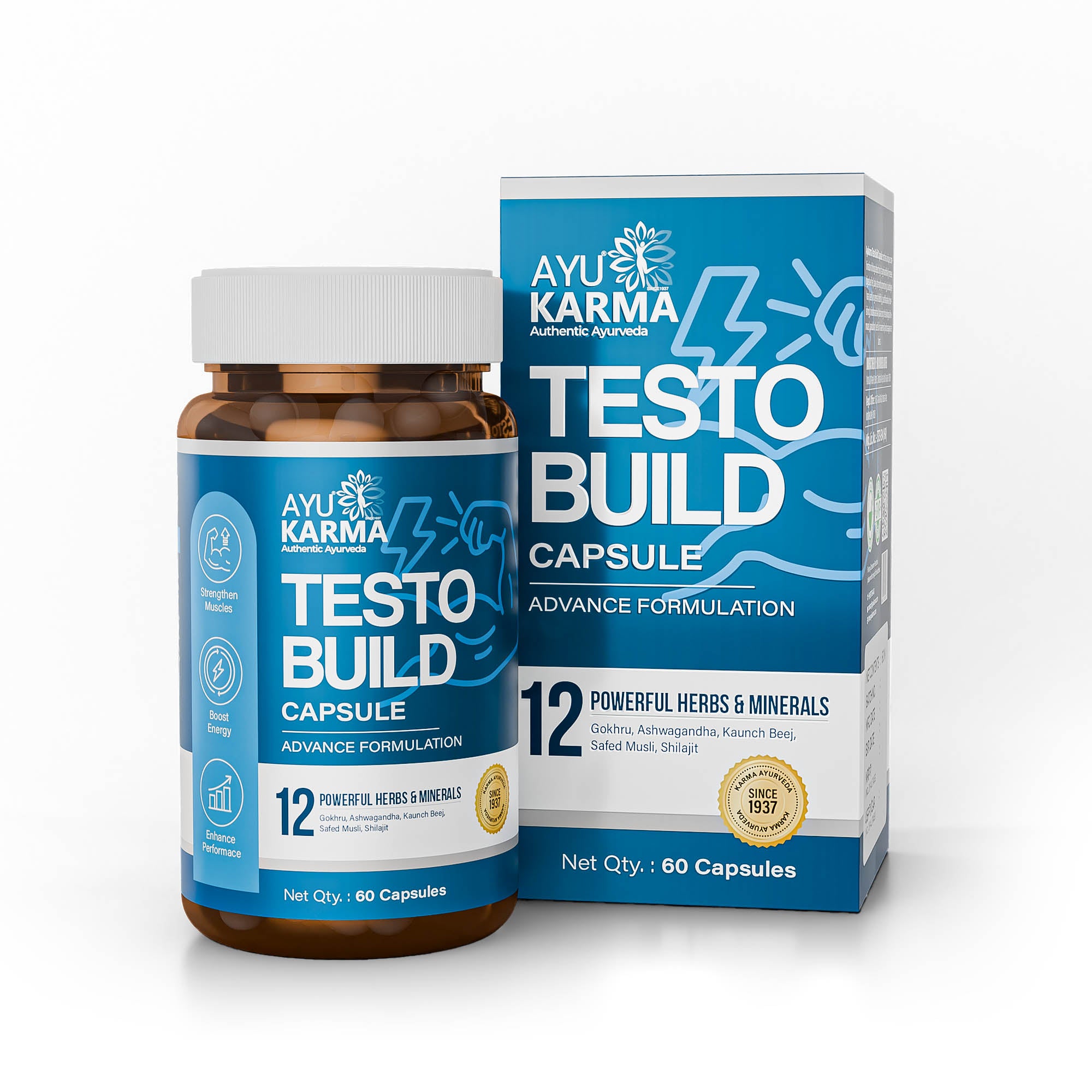
AyuKarma Testo Build Capsules combine 12 Ayurvedic herbs and minerals to support strength, energy, stamina, physical performance, nourishment and overall daily vitality.
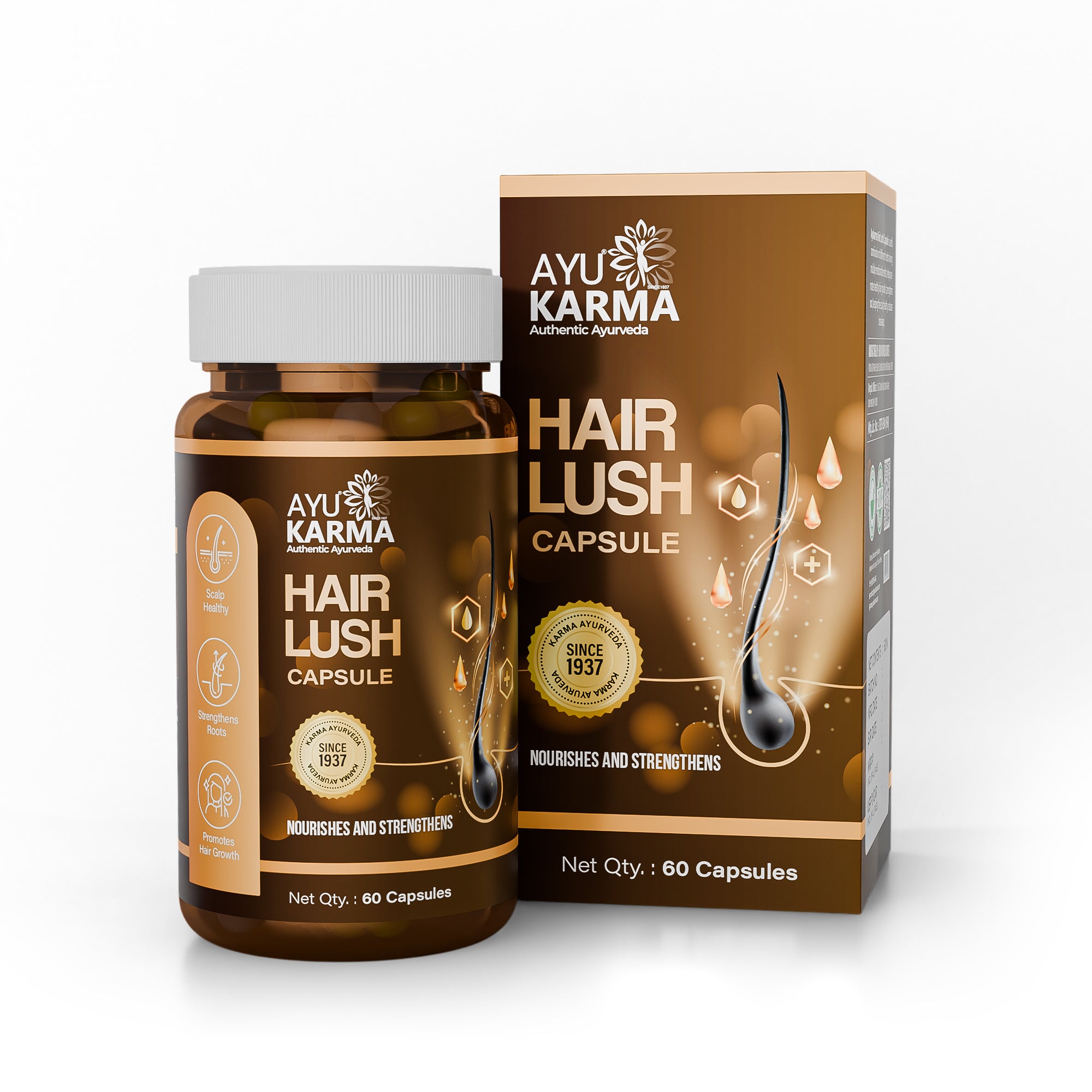
AyuKarma Hair Lush Capsules combine Ayurvedic herbs to support hair growth, reduce hair fall, strengthen roots, nourish the scalp and promote healthier-looking hair.
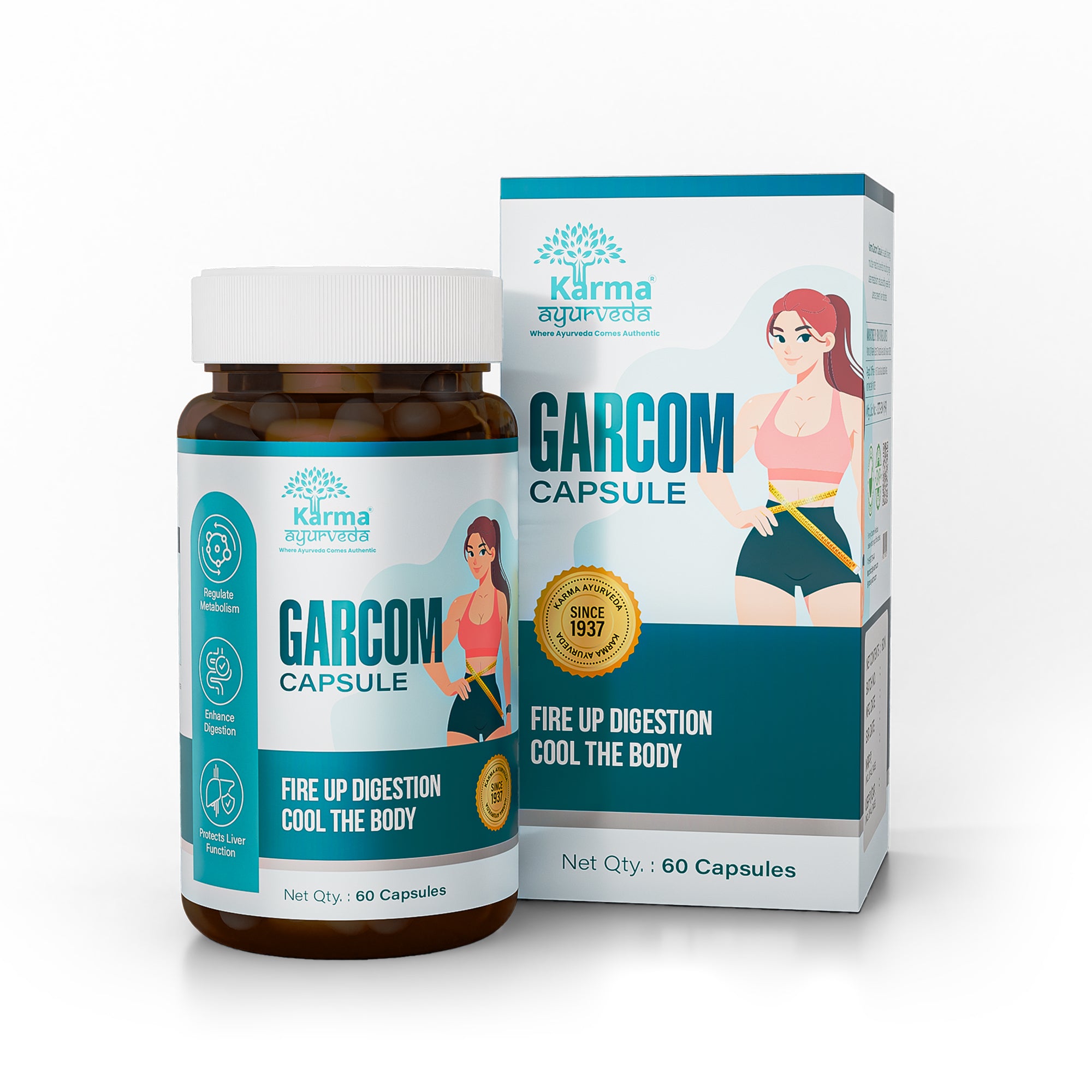
Karma Garcom Capsules contain Garcinia indica to support healthy metabolism, digestion, weight management, digestive comfort and daily wellness alongside a balanced lifestyle.
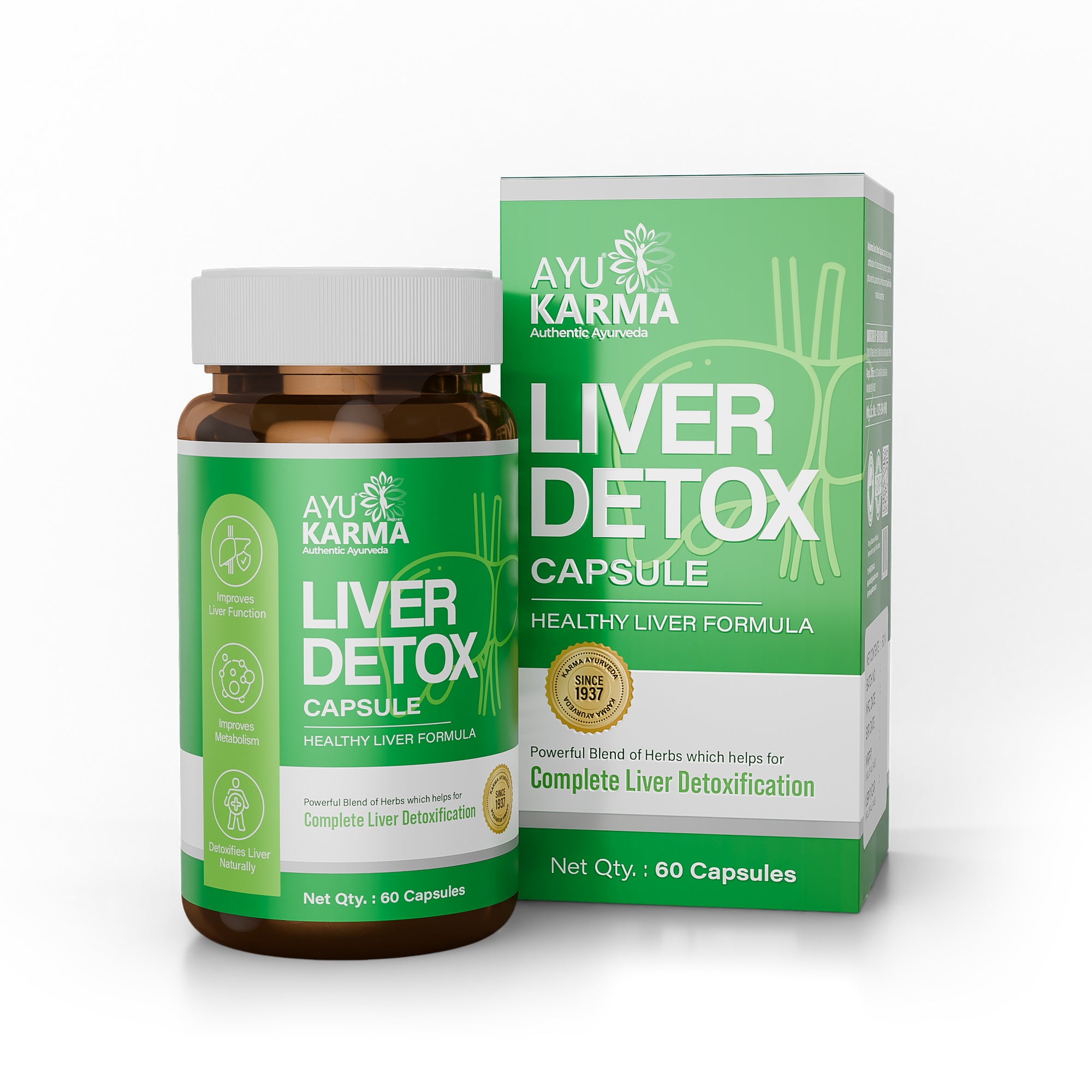
Doctor-recommended liver supplement that helps detoxify the liver, support healthy cholesterol, improve digestion & promote liver health. Developed by Dr. Puneet Dhawan with Karma Ayurveda philosophy.
Second Floor, 77, Block C, Tarun Enclave, Pitampura, New Delhi, Delhi, 110034

Certificate no- AH-2023-0186
JAN 05, 2026 - JAN 04, 2029

US FDA Reg. No.: 14568299376