Unlocking Wellness Naturally
100% Ayurvedic Treatment

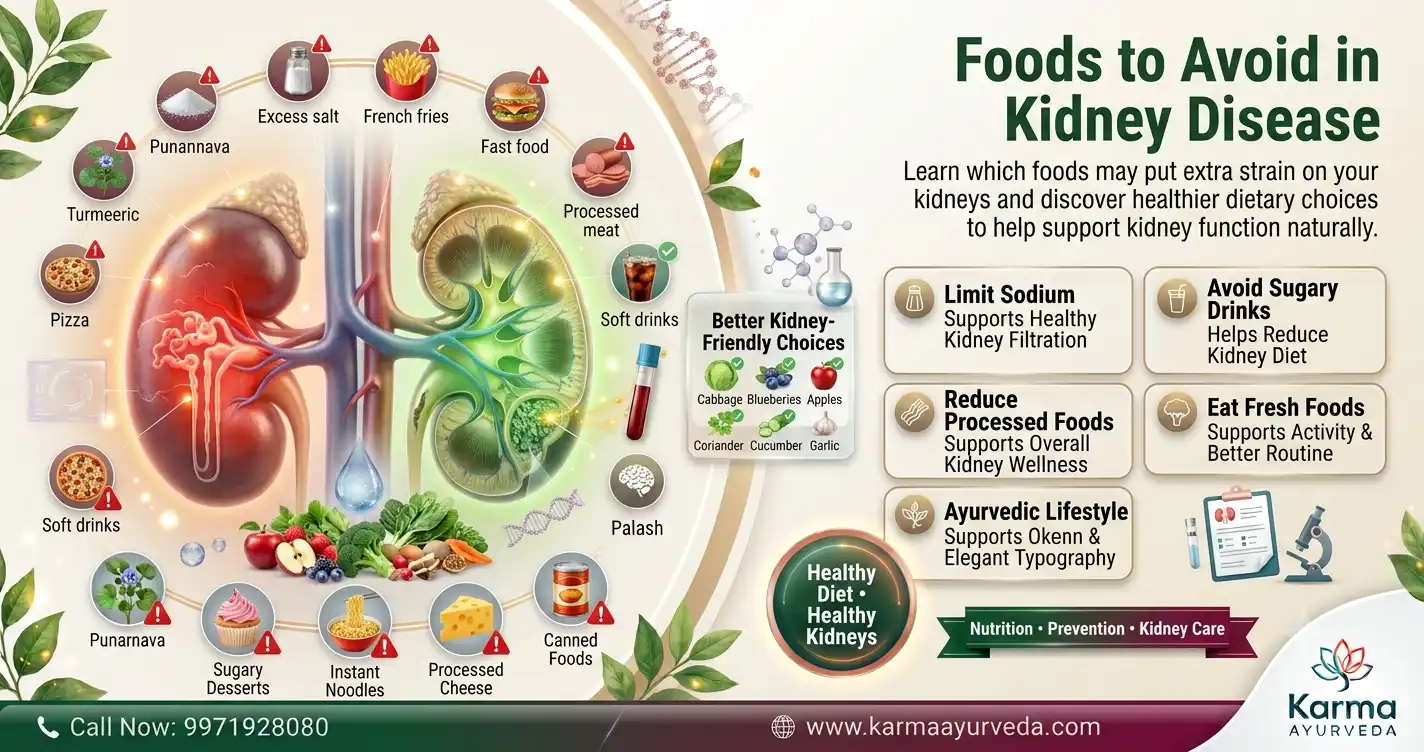
If you have kidney disease, you generally need to avoid foods high in sodium, potassium, phosphorus, and excessive protein to prevent harmful waste buildup in your blood. Steering clear of processed meats, dark colas, canned soups, bananas, and heavy sodium bombs will save your filter system a whole lot of overtime work.
Your kidneys are your body's silent, hardworking cleaning crew. They filter out waste, balance your fluids, and keep your internal chemistry running smoothly. But when chronic kidney disease (CKD) rolls in, those poor filters lose their superpowers. Suddenly, elements that used to be great for you; like the potassium in a healthy banana; turn into uninvited party crashers that your body can't kick out.
Navigating a kidney-friendly diet doesn't mean you're condemned to eating plain cardboard for the rest of your days. However, it does mean learning which foods act like sand in your kidney gears. Let's break down the main troublemakers in plain, simple language so you can keep your kidneys happy without losing your mind in the grocery store aisle.
We all love salt. It makes bland vegetables taste like actual food. But if you have kidney damage, high sodium foods are your absolute worst enemy.
When your kidneys can't flush out extra salt, that sodium hangs out in your bloodstream and holds onto water like a sponge. The result? Ankles that swell up like balloons, shortness of breath, and high blood pressure that beats up your delicate kidney blood vessels even further.
A landmark paper published in the Journal of the American Society of Nephrology highlights that reducing dietary sodium intake significantly lowers blood pressure and reduces proteinuria (protein leaking into urine) in CKD patients, directly slowing down the pathway toward kidney failure.
This is where things get super counterintuitive. Everyone always tells you to eat your fruits and veggies. But when your kidneys slow down, high potassium foods can accumulate in your blood; a condition called hyperkalemia. Too much potassium in your system messes with your electrical signals, which can cause heart palpitations or even cardiac arrest. Yikes.
Research from the American Journal of Kidney Diseases confirms that managing serum potassium through a low-potassium diet is vital for preventing cardiac complications in advanced stages of kidney disease.
Phosphorus is a mineral that usually works with calcium to build strong bones. But damaged kidneys can't clear excess phosphorus from your blood. When phosphorus builds up, your body starts pulling calcium out of your bones to try and balance things out. That leaves your bones brittle and deposits calcium right into your blood vessels. Double bad news.
Worse yet, food manufacturers sneak phosphorus additives into packaged foods because it acts as a preservative and keeps things tasting fresh. Your body absorbs 100% of these chemical additives compared to natural phosphorus.
Protein builds muscle, but processing protein creates a waste product called urea. Healthy kidneys sweep urea away easily; tired kidneys struggle hard under the weight of it.
Eating massive steaks or heavy protein shakes forces your remaining working filters to hyper-filter, accelerating kidney wear-and-tear. A major review in the New England Journal of Medicine demonstrated that a moderate protein restriction diet slows the decline of GFR (Glomerular Filtration Rate) in non-dialysis CKD patients.
Here is a quick look at how you can swap out common kidney hazards for options that won't make your nephrologist cry:
Harpal Singh was struggling with severe kidney problems that had a major impact on his daily life. He experienced persistent nausea, loss of appetite, weakness, and pain in his limbs, making routine activities increasingly difficult. Medical reports revealed a serum creatinine level of 8.95 mg/dL, indicating significantly reduced kidney function. Concerned about his condition, his daughter searched for natural treatment options and decided to consult the specialists at Karma Ayurveda.
After a detailed assessment, Harpal Singh began a personalized Ayurvedic treatment plan that included herbal formulations, dietary recommendations, lifestyle modifications, and regular follow-ups. The treatment focused on supporting kidney function naturally while addressing the underlying causes of his condition and improving his overall health.
Within a short period, he began noticing positive changes. His nausea gradually subsided, his appetite improved, and the pain in his limbs reduced significantly, allowing him to regain comfort and mobility. Follow-up reports showed a remarkable improvement in his kidney health, with his serum creatinine level decreasing from 8.95 mg/dL to 0.95 mg/dL after approximately one and a half months of treatment. Today, Harpal Singh enjoys a better quality of life with improved energy and well-being. His journey demonstrates how personalized Ayurvedic care, combined with consistent treatment and medical supervision, may help support kidney health and overall wellness.
Bananas contain high levels of potassium, so most people with kidney disease should limit or avoid them based on their lab results.
Dark sodas contain artificial phosphorus additives that your body absorbs completely, placing severe strain on impaired kidneys.
Yes, white bread contains significantly less phosphorus and potassium than whole wheat bread, making it easier on damaged kidneys.
Excess salt causes your body to retain fluid, spiking blood pressure and forcing damaged kidneys to work much harder.
No, dietary needs vary based on your specific stage of kidney disease, blood work, and whether or not you are on dialysis.
This article is for informational and educational purposes only and should not replace professional medical advice, diagnosis, or treatment. Nutrition requirements for kidney disease vary significantly depending on your specific CKD stage and lab work. Always consult your nephrologist or a registered renal dietitian before making changes to your diet.
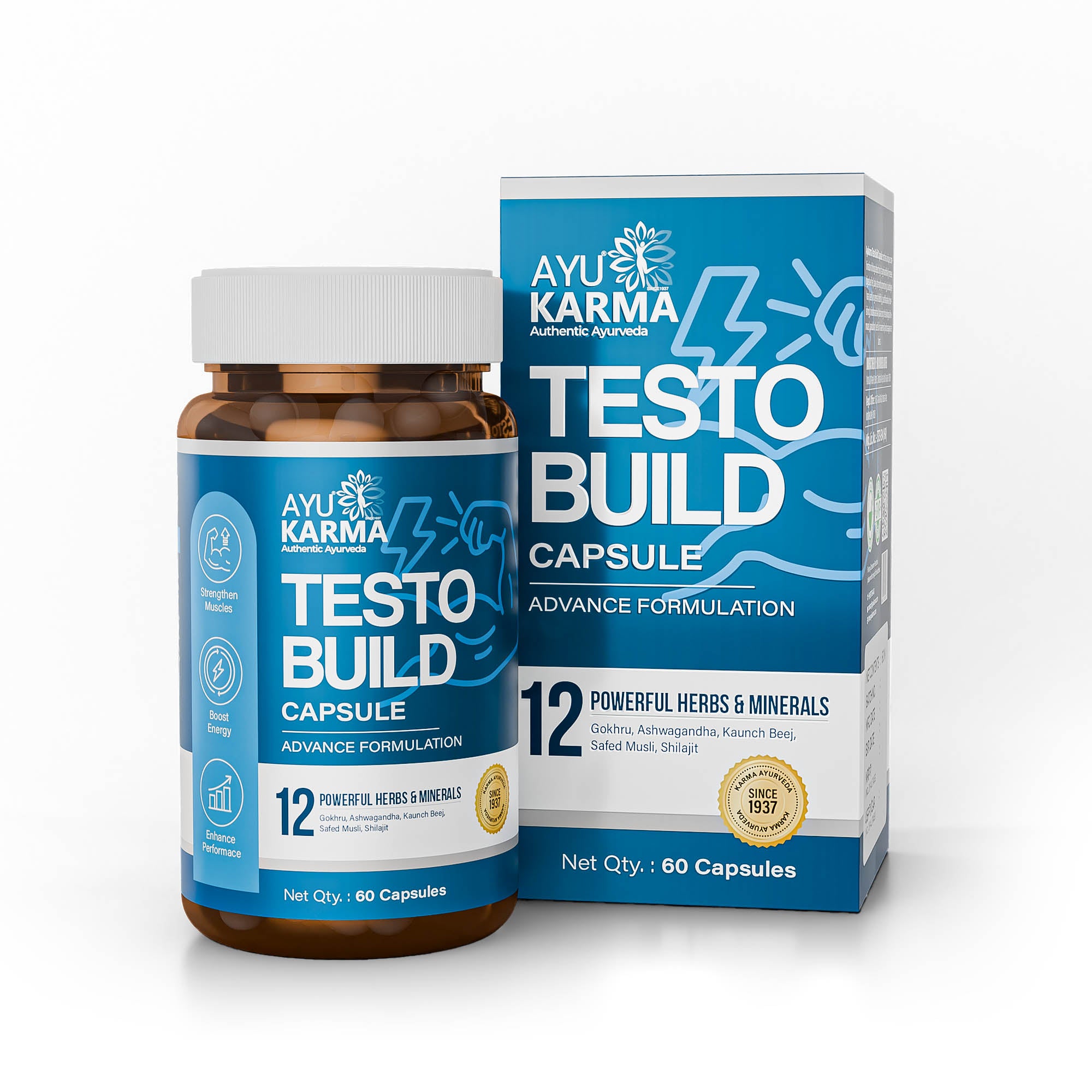
AyuKarma Testo Build Capsules combine 12 Ayurvedic herbs and minerals to support strength, energy, stamina, physical performance, nourishment and overall daily vitality.
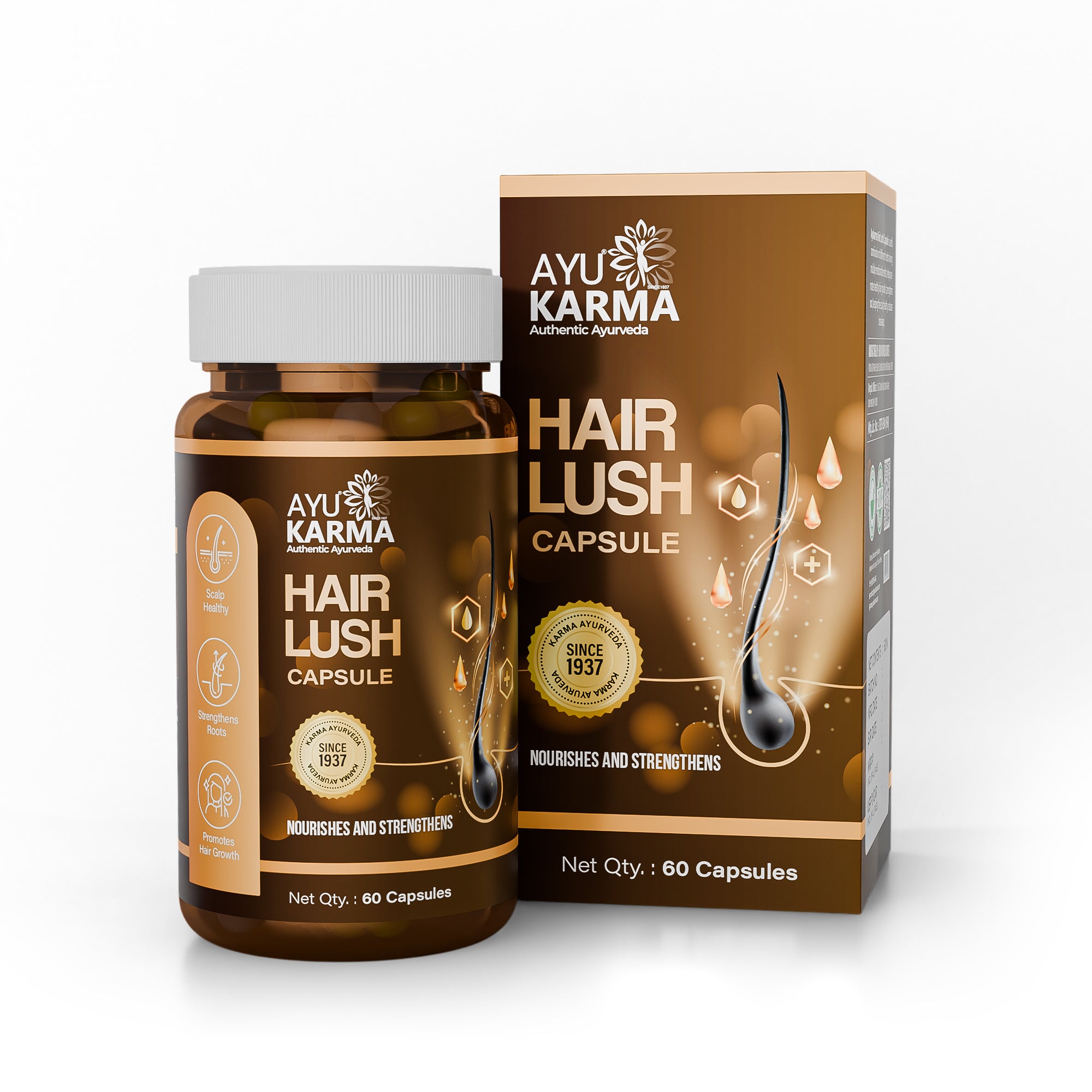
AyuKarma Hair Lush Capsules combine Ayurvedic herbs to support hair growth, reduce hair fall, strengthen roots, nourish the scalp and promote healthier-looking hair.
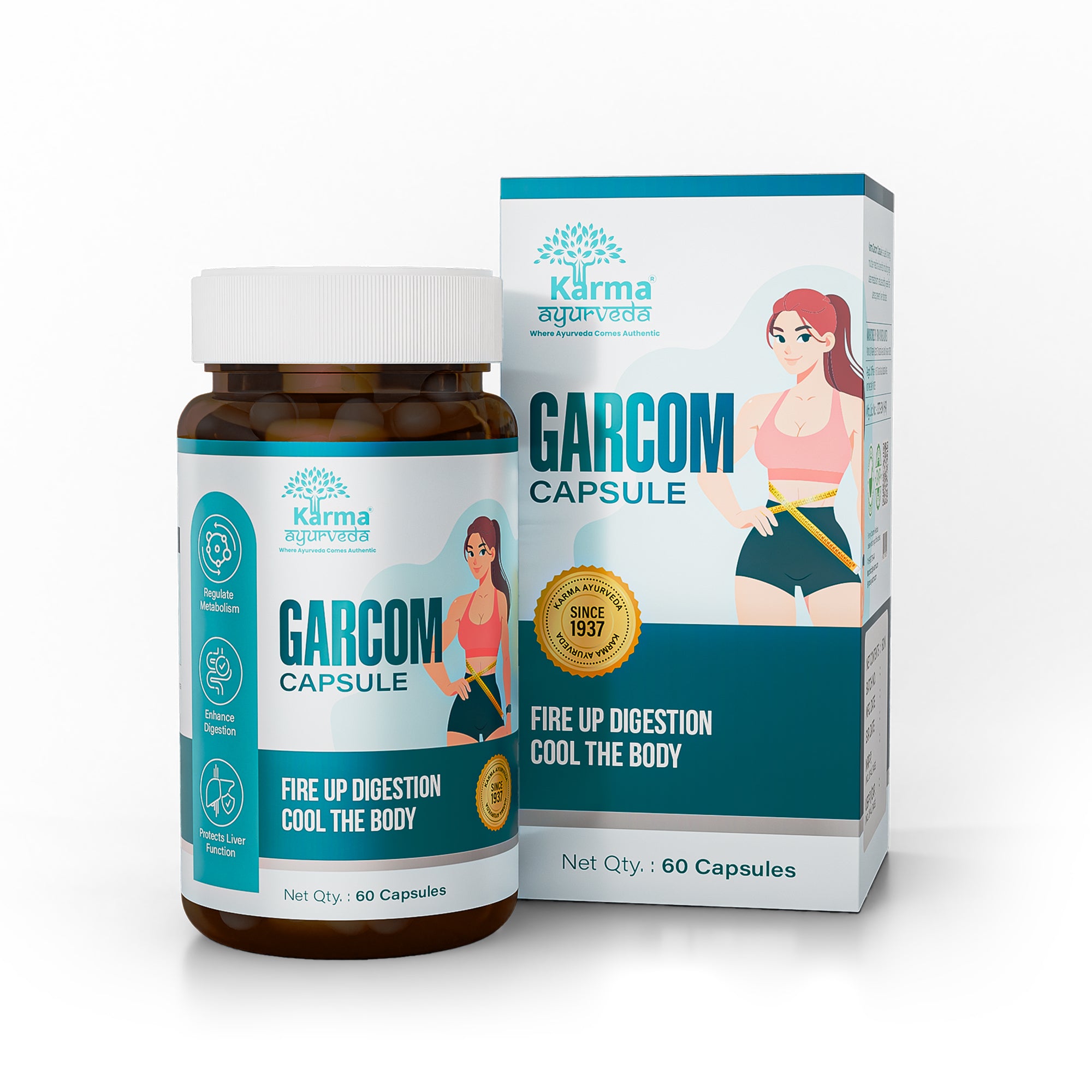
Karma Garcom Capsules contain Garcinia indica to support healthy metabolism, digestion, weight management, digestive comfort and daily wellness alongside a balanced lifestyle.
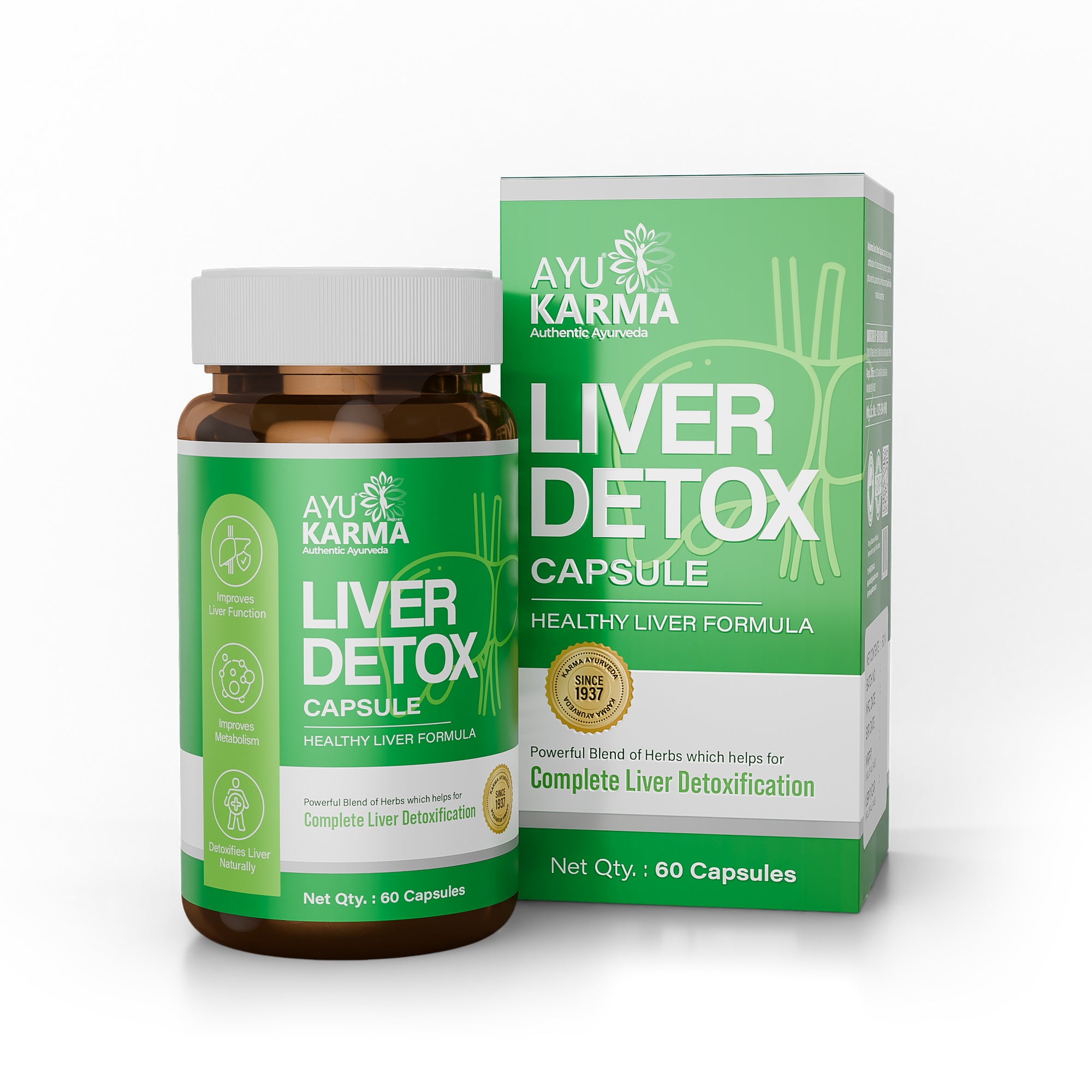
Doctor-recommended liver supplement that helps detoxify the liver, support healthy cholesterol, improve digestion & promote liver health. Developed by Dr. Puneet Dhawan with Karma Ayurveda philosophy.
Second Floor, 77, Block C, Tarun Enclave, Pitampura, New Delhi, Delhi, 110034

Certificate no- AH-2023-0186
JAN 05, 2026 - JAN 04, 2029

US FDA Reg. No.: 14568299376