Unlocking Wellness Naturally
100% Ayurvedic Treatment

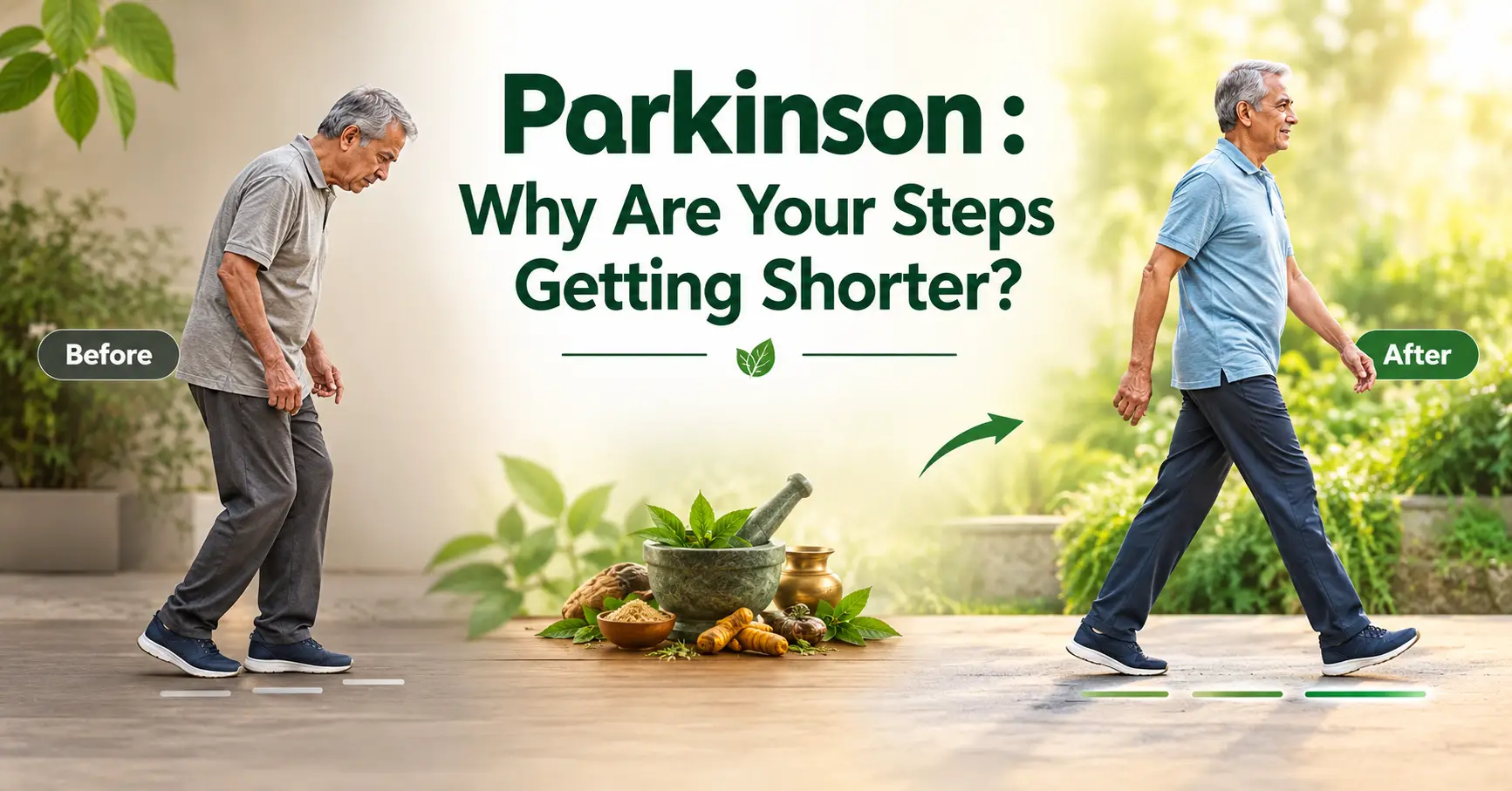
If you've noticed your steps shrinking lately, it's usually your brain, muscles, or joints quietly asking for a bit of extra help staying balanced. Sometimes it's just age, or a muscle that's cranky for a week. Other times it can point to something neurological going on underneath, messing with how your body coordinates movement.
Honestly, walking isn't something most of us think about. You put one foot in front of the other, dodge the cat, end up at the fridge. It just happens. Until one day it doesn't; and your usual confident stride turns into more of a shuffle. If that's you right now, you're definitely not the only one wondering what's going on.
Walking; or "gait," if you want the fancy word for it; is a lot more complicated than it looks. Your brain's sending signals down through your spinal cord telling your muscles when to fire, your joints how to bend, your inner ear how to keep you upright. When it all works, you get a nice, natural rhythm to your walk.
But when something disrupts that chain of communication, your body basically panics a little and plays it safe. Shorter steps, lower center of gravity, more stable; even if it doesn't feel that way to you.
A few things that can cause this:
Age is the obvious one; joints get less flexible, muscles get a bit weaker, and your walk naturally gets more cautious.
Stuff like arthritis in the knees or hips can make fully extending your leg uncomfortable, so your body just... doesn't. Smaller steps, less pain.
Your posture matters too. A slight forward hunch throws off your balance point and your feet end up staying closer together than they should.
And then there's the neurological side; where something's interfering with the automatic patterns your body's supposed to just handle on its own. Doctors call this a shuffling gait.
Here's the thing; when short steps stop being an occasional "my knee's acting up" day and start being just how you walk now, the cause is often sitting deeper, in how the brain handles movement.
There's a part of the brain called the basal ganglia. Think of it as the traffic controller for your everyday movements. When dopamine levels in that area start dropping, the signals it sends get muffled. Movements shrink, slow down; doctors call this bradykinesia; and it's one of the telltale signs of something like Parkinson's.
There's actual research behind this, not just theory. Dr. Alice Nieuwboer and her team published a study in the journal Brain looking at gait in people with movement disorders, and what they found was kind of interesting; it's usually not that the legs physically can't take a bigger step. It's that the brain's internal "cue" for stride length just stops working automatically. So the body defaults to short, quick steps to stay upright.
A lot of people dealing with this end up looking into holistic support alongside whatever their doctor's got them on. Things like an Ayurvedic treatment for Parkinsons focus on overall balance and nerve health, and for some people that's a genuinely useful piece of the puzzle.
Here's a rough way to tell the difference:
Normal aging walk; a bit slower, but steady. Arms swing pretty normally. You lift your feet off the ground fine. It feels like "I'm just taking my time."
Neurological/shuffling walk; speed's inconsistent, might start slow then suddenly speed up. Arm swing's reduced, sometimes on just one side. Feet tend to drag or scrape instead of lifting clean. It feels more like "my feet are stuck to the floor."
Traditional wellness systems tend to look at walking difficulties as an imbalance; the energies responsible for movement and nerve signals not doing their job properly. And honestly, whatever you think of that framing, some of what they recommend does line up with things people find genuinely helpful.
Herbs like Mucuna pruriens; traditionally called Kapikacchu, and it's actually a natural source of L-DOPA; along with ashwagandha, get talked about a lot as some of the best herbs for Parkinsons, mainly for supporting strength and nerve recovery.
Oil massage, like Abhyanga, helps with stiff joints and general muscle rigidity too.
And then there's the bigger picture stuff; a Parkinsons natural treatment approach usually means diet tweaks, gentle movement like yoga or tai chi, and just generally trying to keep stress down, because stress and nerve health are more connected than people realize.
If you're looking into this more seriously, working with someone who actually knows this space matters. People like Dr. Puneet Dhawan have pushed for combining these older botanical approaches with proper modern care, and centres like Karma Ayurveda for Parkinsons treatment run structured programs around exactly this.
You don't need a whole rehab program to start. A few things that genuinely help:
Tape strips on the floor, spaced at a normal step length, and practicing stepping right onto them. Sounds silly, but visual targets like this can bypass the broken automatic pathway and give your brain something concrete to aim for.
Walking to music, or a metronome app set at a steady pace. Sound cues work in a similar way; they help your brain time each step instead of relying on autopilot.
Actually thinking about your heel hitting first and rolling through to your toes, instead of letting your foot just land flat or toe-first.
And strengthening your core and hips; seated leg lifts, wall squats, hip stretches; none of it glamorous, but it builds the base you need for a steadier stride.
Combining all this with the best medicines for Parkinsons, where that's part of your treatment, just means you're covering the problem from more angles instead of relying on one thing alone.
There's another study worth mentioning; Dr. Meg E. Morris published research in the Physical Therapy Journal showing that this kind of visual and auditory cueing genuinely improves stride length in people dealing with motor blocks. Turns out giving the brain something explicit to latch onto actually works.
Shorter steps usually mean your body's protecting your balance; could be joints, muscles, or nerve signals.
If it's neurological, it often comes down to dopamine and how the basal ganglia's handling movement cues.
Visual and sound cues genuinely help retrain longer strides; this isn't just anecdotal, there's research behind it.
Things like an Ayurvedic treatment for Parkinsons can offer real support alongside standard care.
Getting guidance from someone like Dr. Puneet Dhawan, or through something structured like Karma Ayurveda for Parkinsons treatment, can help long-term.
The best herbs for Parkinsons, worked into a proper Parkinsons natural treatment routine, can genuinely support things.
And working with your doctor to find the best medicines for Parkinsons rounds the whole thing out.
This article's for general info only; it's not medical advice, diagnosis, or treatment. Talk to a real healthcare professional about any mobility concerns you're having. Don't put off getting proper medical advice because of something you read here.
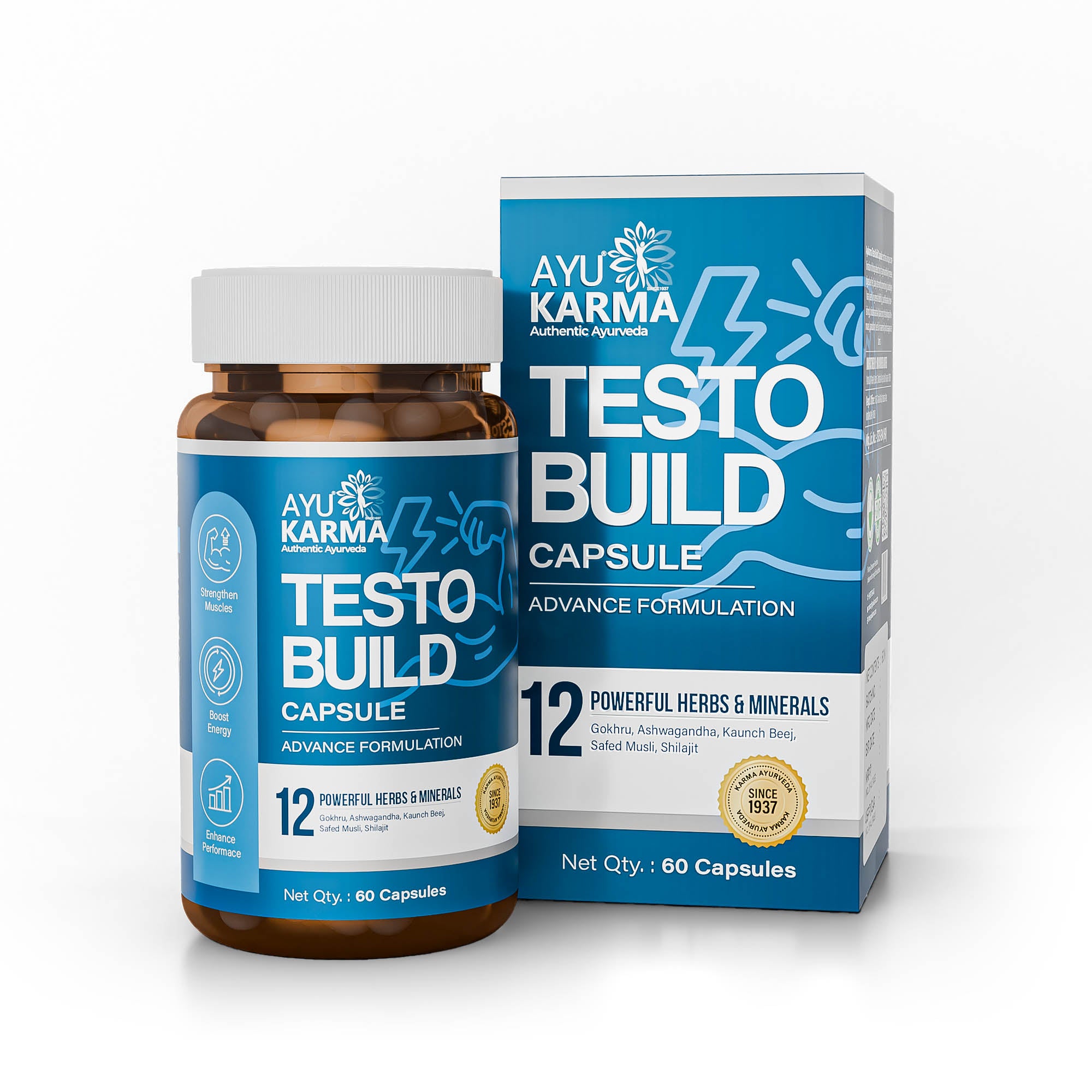
AyuKarma Testo Build Capsules combine 12 Ayurvedic herbs and minerals to support strength, energy, stamina, physical performance, nourishment and overall daily vitality.

AyuKarma Hair Lush Capsules combine Ayurvedic herbs to support hair growth, reduce hair fall, strengthen roots, nourish the scalp and promote healthier-looking hair.

Karma Garcom Capsules contain Garcinia indica to support healthy metabolism, digestion, weight management, digestive comfort and daily wellness alongside a balanced lifestyle.
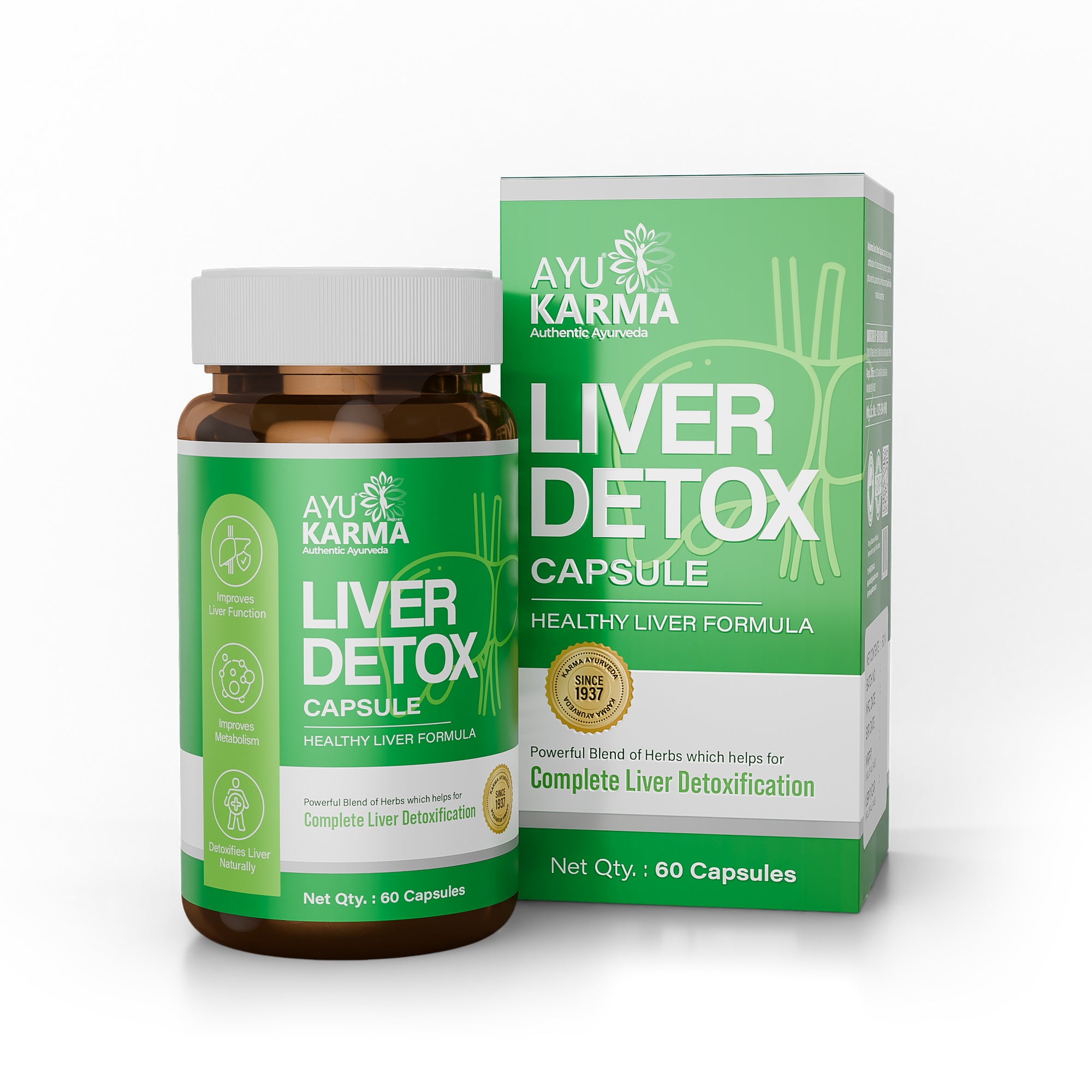
Doctor-recommended liver supplement that helps detoxify the liver, support healthy cholesterol, improve digestion & promote liver health. Developed by Dr. Puneet Dhawan with Karma Ayurveda philosophy.
Second Floor, 77, Block C, Tarun Enclave, Pitampura, New Delhi, Delhi, 110034

Certificate no- AH-2023-0186
JAN 05, 2026 - JAN 04, 2029

US FDA Reg. No.: 14568299376