Unlocking Wellness Naturally
100% Ayurvedic Treatment

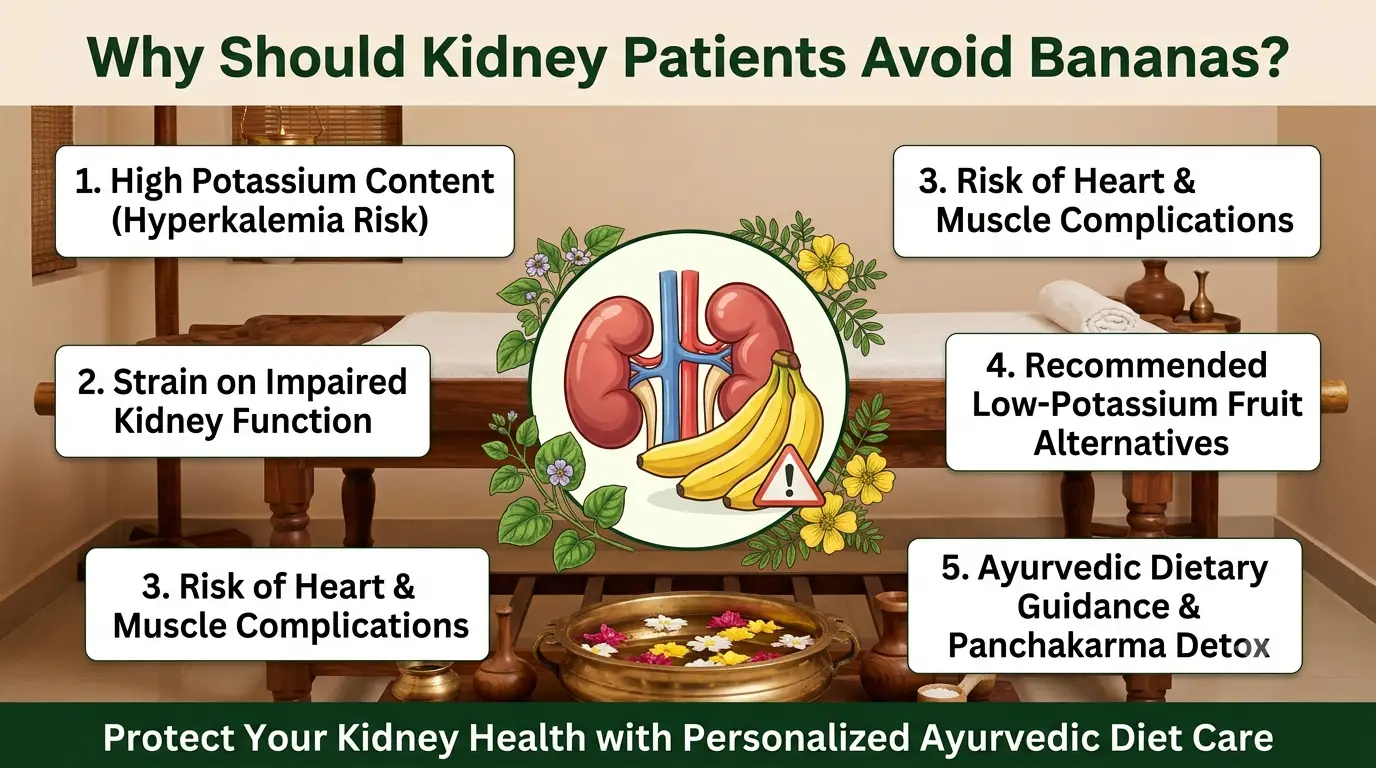
Kidney patients may need to avoid or limit bananas when their blood potassium is high or their doctor has prescribed a potassium-restricted diet. Bananas are naturally rich in potassium, and when the kidneys cannot remove excess potassium efficiently, it can build up in the blood.
But here is the important part: not every person with kidney disease needs to completely avoid bananas. Your potassium level, stage of disease, medications, dialysis status, and overall diet all matter. (National Kidney Foundation)
That little yellow fruit sitting innocently in the fruit basket, therefore, is not exactly the villain. It is simply a food that may need some extra attention when potassium becomes a problem.
Potassium is an essential mineral. Your body needs it for several everyday jobs, including:
Under normal circumstances, the kidneys help maintain the right amount of potassium in the bloodstream by removing excess potassium through urine.
When kidney function declines, however, this balancing act can become more difficult. In advanced chronic kidney disease (CKD), potassium may accumulate, particularly when other factors such as certain medicines, diabetes, heart problems, or a high-potassium diet are also involved.
This is called hyperkalemia, or high blood potassium.
And unlike a little extra salt on your lunch, this isn't something you want to casually ignore.
Severe hyperkalemia can affect the heart and may cause dangerous heart rhythms. The tricky part is that many people with elevated potassium have few or no obvious symptoms. (National Kidney Foundation)
That is why a blood test is much more useful than trying to guess from how you feel.
The simple answer is potassium content.
The National Kidney Foundation lists half a banana among foods providing more than 200 mg of potassium per serving, placing it in its higher-potassium fruit category. For someone whose potassium level is normal and whose healthcare professional has not recommended potassium restriction, this does not automatically make bananas forbidden.
But for someone with reduced renal function and elevated potassium, eating several potassium-rich foods throughout the day can make it harder to stay within their individual target.
Think of potassium like traffic entering a narrow road.
If the kidneys are clearing potassium efficiently, traffic generally moves along nicely. If filtration is reduced, the road gets congested. Adding several high-potassium foods may simply add more cars to an already crowded road.
Some other potassium-rich foods include:
So focusing only on bananas can miss the bigger picture. The total daily potassium intake matters.
This is where things get interesting.
A common belief is that everyone with kidney disease must follow a strict low-potassium diet. That is not quite right.
The National Kidney Foundation specifically notes that people with CKD can have either high or low potassium, and their dietary needs can therefore be very different. (National Kidney Foundation)
So, kidney patients and bananas cannot really be placed into one giant "yes" or "no" box.
Your healthcare professional may consider:
This is why two people with the same diagnosis can receive completely different dietary advice.
One person may be told to limit bananas. Another may not need to avoid them completely.
Can kidney patients eat bananas? Sometimes, yes—but only when their individual potassium requirements allow it.
If your blood potassium is within your recommended range and your doctor or renal dietitian has not advised you to restrict potassium, a banana may not automatically need to disappear from your breakfast table.
On the other hand, if you have hyperkalemia, advanced CKD, or have been specifically asked to follow a low-potassium diet, bananas may need to be limited or replaced with lower-potassium fruits.
The National Kidney Foundation lists options such as apples, berries, cherries, grapes, peaches, pears and pineapple among lower-potassium choices. (National Kidney Foundation)
A quick comparison
Fruit choice | Potassium concern | Simple takeaway
Banana | Higher | May need limiting
Apple | Lower | Often easier to fit in
Grapes | Lower | A handy alternative
Pineapple | Lower | Another option
Berries | Lower | Small but mighty
Of course, portion size still matters. Eating a whole bowl simply because something is considered "low potassium" can turn a sensible choice into a not-so-sensible one. The fruit bowl does not come with unlimited refills.
When the body cannot adequately remove potassium, blood levels may rise.
Mild or gradual hyperkalemia may cause no obvious symptoms. When symptoms occur, they can include:
Severe or sudden hyperkalemia can be a medical emergency because it may interfere with the heart's electrical activity.
This is one reason people with significant renal impairment should not make major dietary changes based solely on internet food lists.
A potassium result tells you considerably more than a random article saying, "Bananas are bad."
There is an important nuance here: potassium itself is not bad.
In fact, having too little potassium can also be harmful.
The Association between Serum Potassium Levels and Adverse Outcomes in Chronic Kidney Disease: The Fukushima CKD Cohort Study followed 1,330 people with non-dialysis CKD. Researchers found a U-shaped relationship between potassium levels and kidney outcomes, meaning both unusually low and high potassium levels were associated with greater risk. (PubMed)
Another large study, Association between Serum Potassium and Outcomes in Patients with Reduced Kidney Function, examined more than 55,000 people with CKD. It similarly found a U-shaped association between serum potassium and mortality, with higher risks at both very low and very high potassium levels. (PubMed)
And in the Cardiovascular and Renal Outcomes Associated With Hyperkalemia in Chronic Kidney Disease cohort study, hyperkalemia was associated with greater risks of cardiovascular events, renal replacement therapy and death.
So the goal isn't "remove potassium from your life."
The goal is maintaining an appropriate potassium level for your body.
That distinction is hugely important.
No.
This is one of the most important points to remember.
The 2024 KDIGO Clinical Practice Guideline for the Evaluation and Management of Chronic Kidney Disease recommends an individualized approach to managing hyperkalemia. Dietary advice should consider the person's overall health, medications, potassium levels and other circumstances rather than applying the exact same food restrictions to everyone. (KDIGO)
The National Kidney Foundation also emphasizes that there is no single diet that works for every person with CKD. Nutritional needs can change according to disease stage, laboratory results and treatment.
In other words, your neighbour's fruit list is not automatically your fruit list.
And yes, that includes the neighbour who confidently gives medical advice while drinking three cups of tea.
If bananas are your favorite fruit and you've been diagnosed with CKD, don't panic.
Instead, check your latest blood potassium and ask your doctor or renal dietitian whether you actually need to restrict them.
If you have been advised to limit potassium, practical steps may include:
The National Kidney Foundation specifically warns that some salt substitutes contain potassium chloride, which can raise potassium intake considerably.
And remember: fresh fruit is not the only source of potassium. Drinks, supplements, processed foods and salt substitutes can contribute too.
People exploring Ayurvedic kidney treatment or kidney disease Ayurvedic treatment should still pay attention to laboratory values, particularly potassium, creatinine and eGFR.
Ayurvedic care may focus on individualized food choices, daily routines and traditional herbal approaches, but "natural" does not automatically mean "safe for everyone with impaired renal function."
Some herbs and supplements can affect electrolytes or interact with medicines. The National Kidney Foundation notes that certain herbal products and supplements may contribute to potassium concerns.
Therefore, anyone considering the best herbs for kidney disease or a natural treatment for kidney diseases should discuss the specific products with a qualified healthcare professional rather than adding several supplements at once.
When renal function is reduced, more is not necessarily better. Sometimes the smartest approach is simply knowing what your body actually needs.
Instead of asking:
"Is this food good or bad for kidney disease?"
Try asking:
"Does this food fit my current potassium, sodium, protein and fluid requirements?"
That small change in thinking can make dietary decisions much easier.
For example:
Question | Why it matters
What is my potassium level? | Determines whether restriction may be needed
What is my eGFR? | Gives an idea of filtration capacity
Am I on dialysis? | Dietary needs can differ
What medicines do I take? | Some affect potassium
What else did I eat today? | Total intake matters
So, why should kidney patients avoid bananas? Mainly because bananas are relatively high in potassium, and some people with reduced renal function cannot remove potassium efficiently enough. If blood potassium rises too much, it can become dangerous.
But saying that every person with CKD must completely avoid bananas would be too simplistic.
The right approach is to look at your potassium blood test, kidney function, medications, stage of disease and overall diet. Some people may need to avoid or limit bananas, while others may be able to enjoy them in an appropriate portion.
The banana isn't plotting against you. It is simply carrying more potassium than some people can comfortably handle.
This article is intended for general educational purposes and should not replace personalized medical advice. Dietary potassium requirements differ from person to person, particularly in chronic kidney disease. Always discuss significant dietary changes, supplements or Ayurvedic kidney treatment with your doctor or qualified healthcare professional, especially if your potassium level is abnormal or you are receiving dialysis.
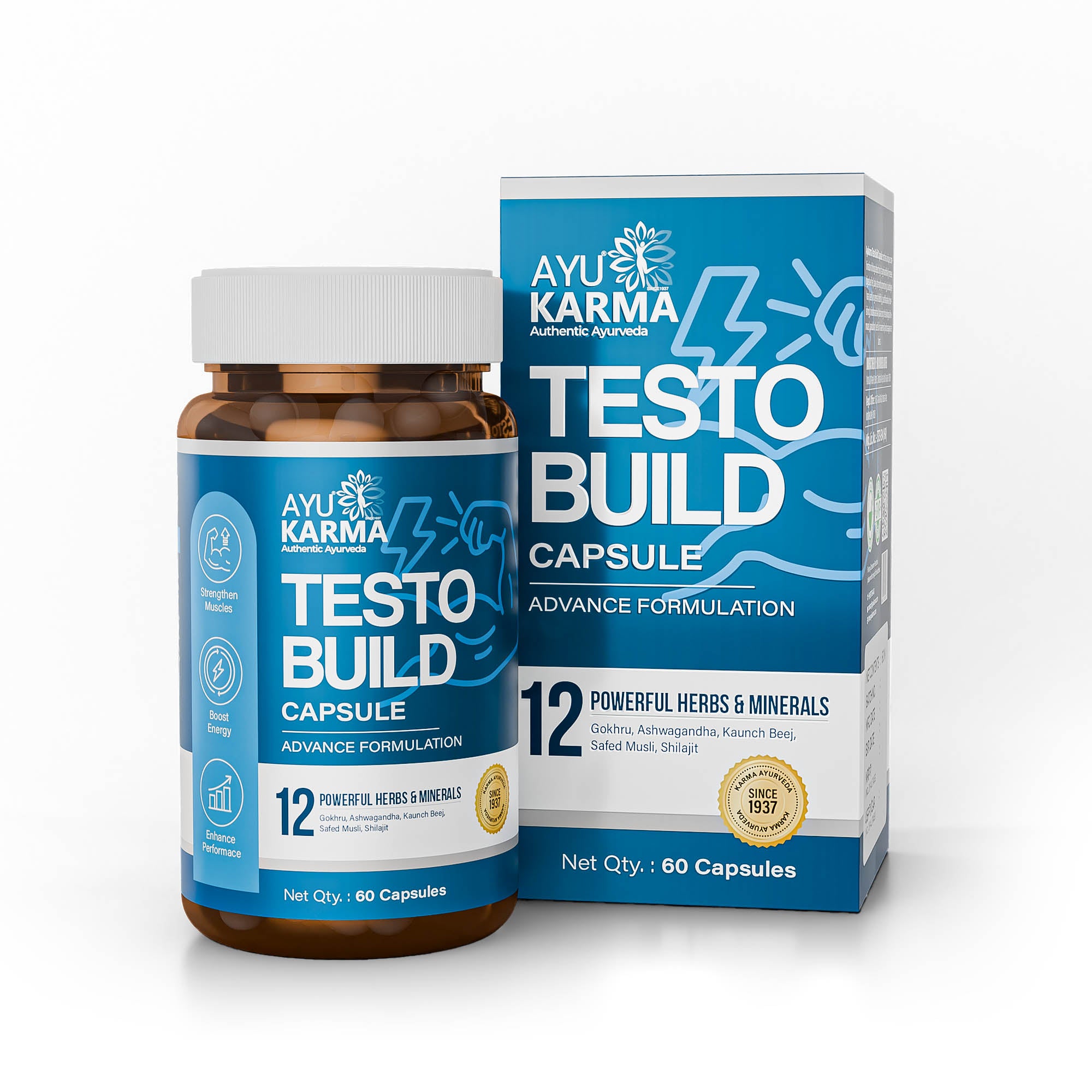
AyuKarma Testo Build Capsules combine 12 Ayurvedic herbs and minerals to support strength, energy, stamina, physical performance, nourishment and overall daily vitality.
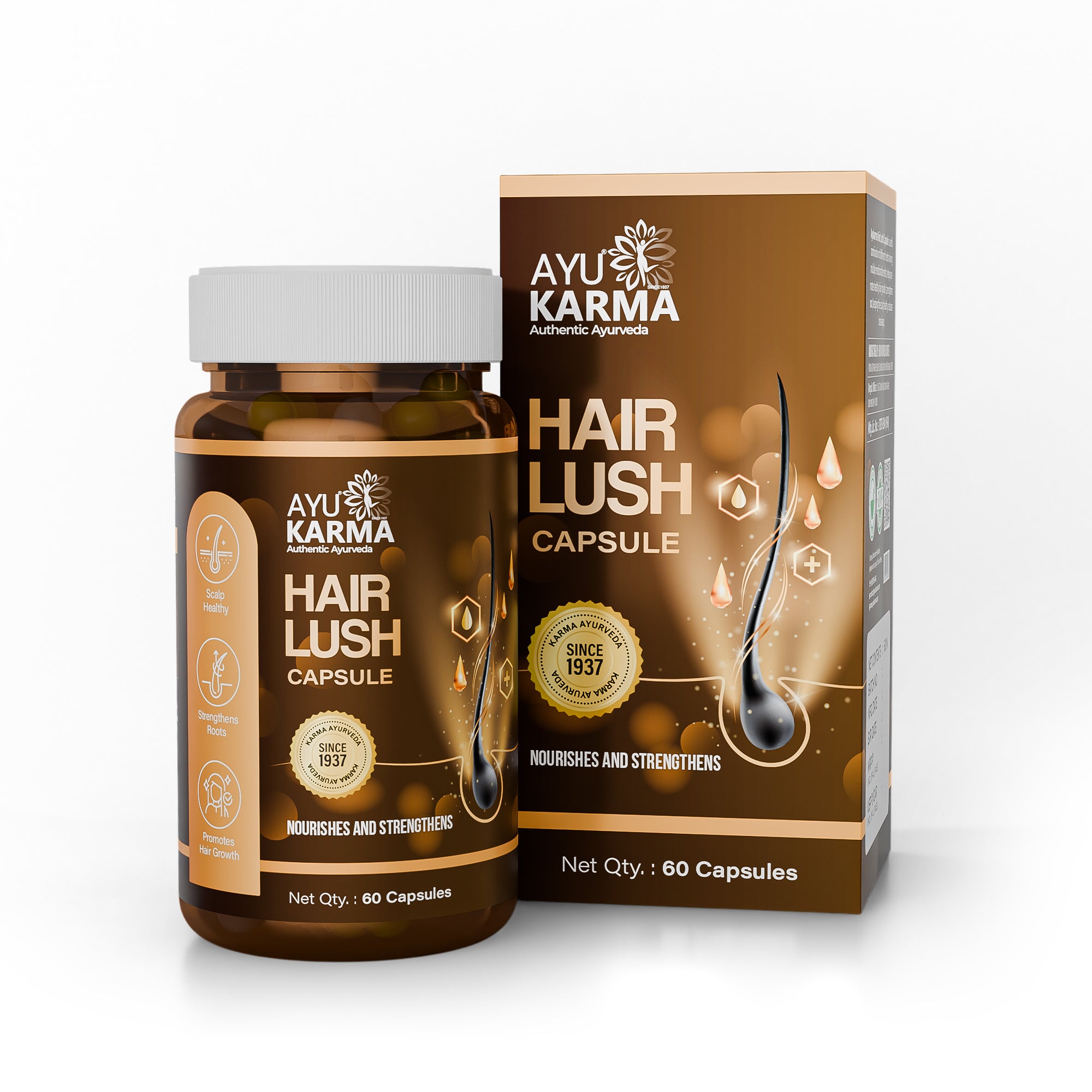
AyuKarma Hair Lush Capsules combine Ayurvedic herbs to support hair growth, reduce hair fall, strengthen roots, nourish the scalp and promote healthier-looking hair.
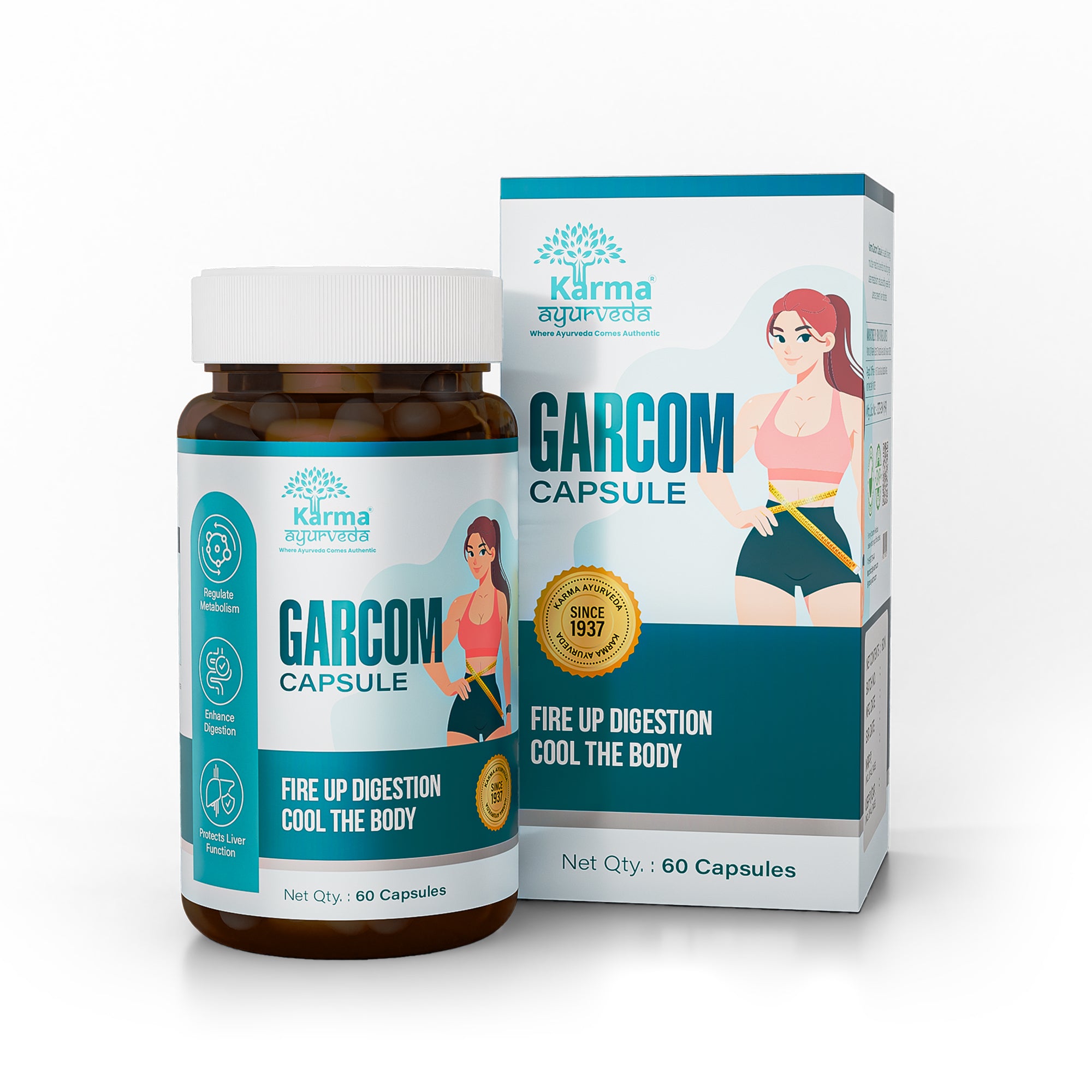
Karma Garcom Capsules contain Garcinia indica to support healthy metabolism, digestion, weight management, digestive comfort and daily wellness alongside a balanced lifestyle.
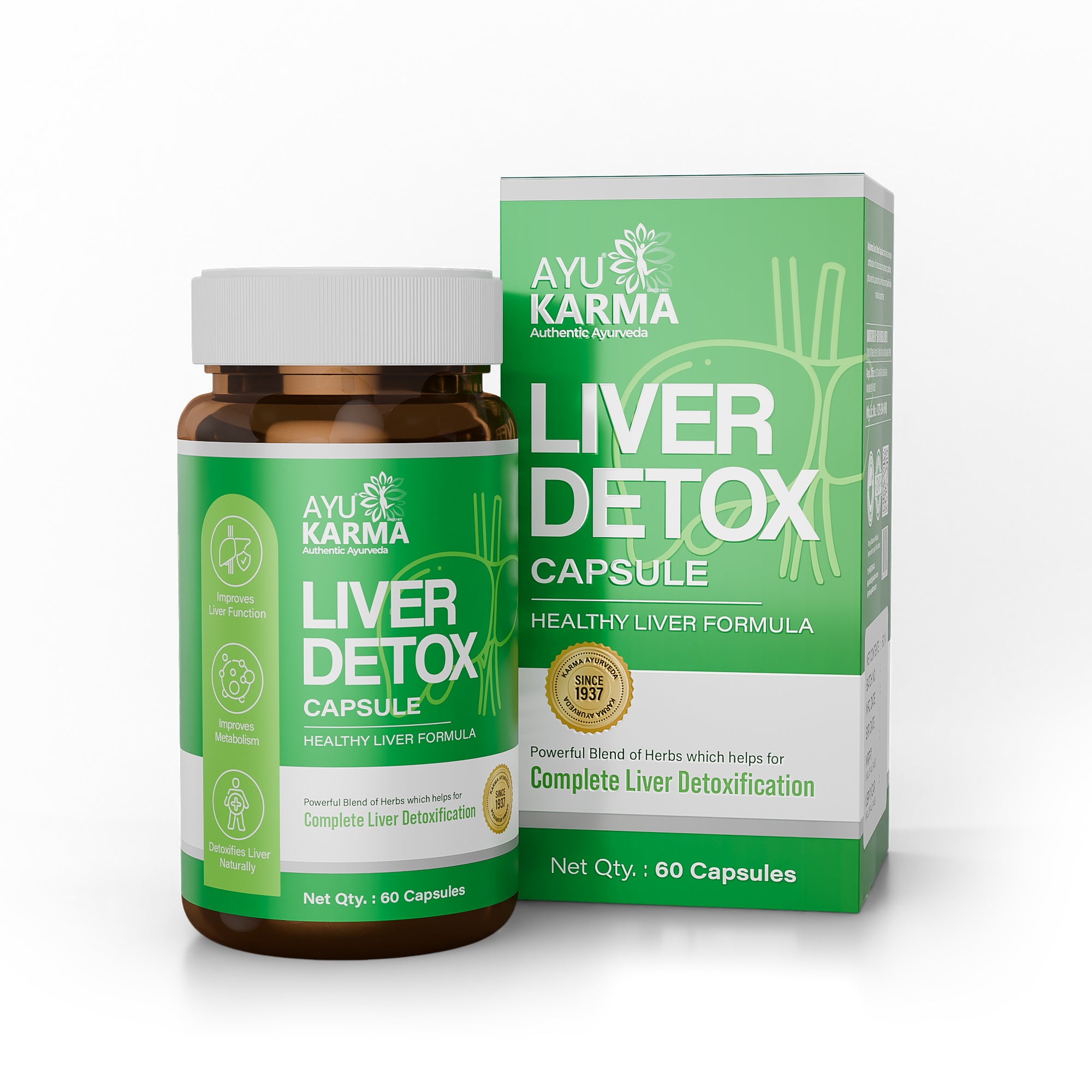
Doctor-recommended liver supplement that helps detoxify the liver, support healthy cholesterol, improve digestion & promote liver health. Developed by Dr. Puneet Dhawan with Karma Ayurveda philosophy.
Second Floor, 77, Block C, Tarun Enclave, Pitampura, New Delhi, Delhi, 110034

Certificate no- AH-2023-0186
JAN 05, 2026 - JAN 04, 2029

US FDA Reg. No.: 14568299376