Unlocking Wellness Naturally
100% Ayurvedic Treatment

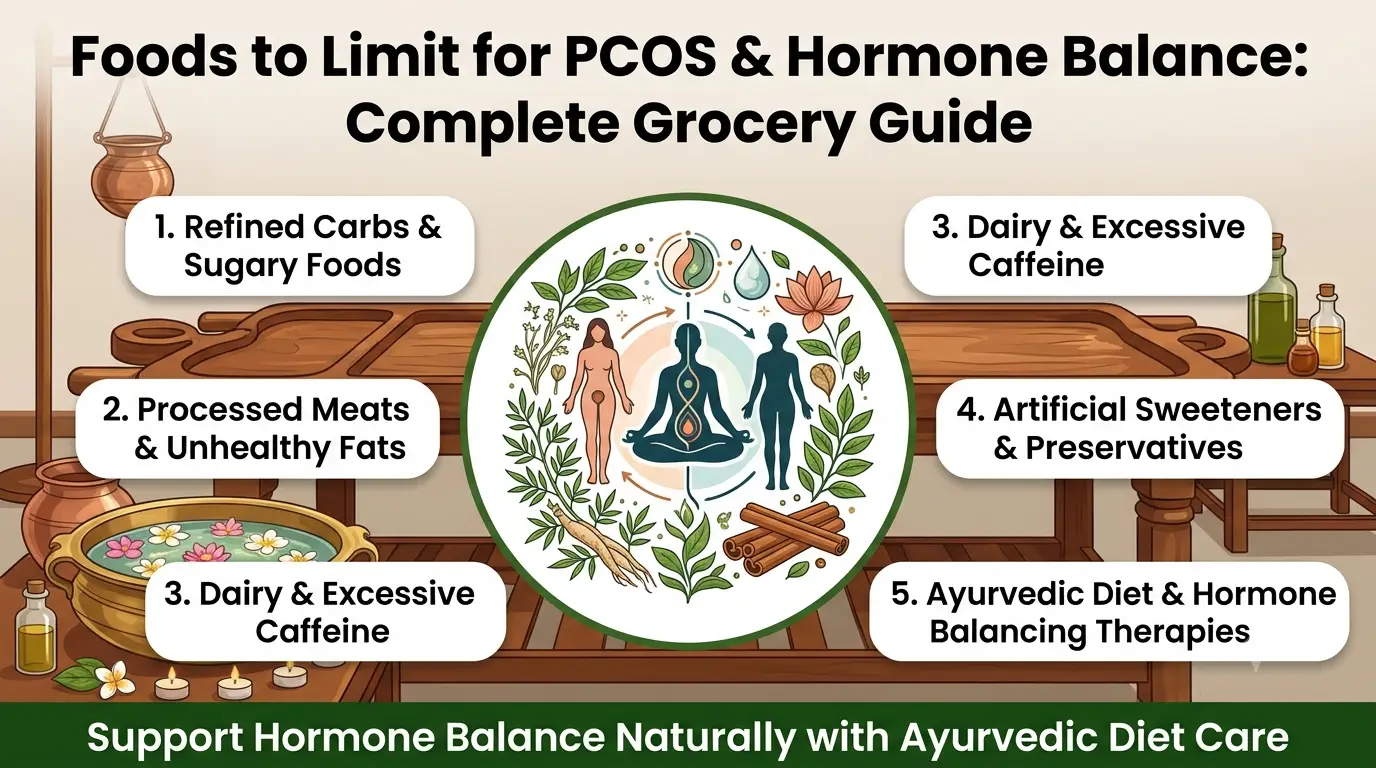
If you are looking for the direct answer to which items you need to cross off your grocery list to tame your hormones, you should steer clear of refined carbohydrates, sugary beverages, ultra-processed snacks, inflammatory seed oils, and excessive dairy products. These items spike your insulin, inflame your system, and send your hormones on a chaotic roller-coaster ride.
Managing PCOS symptoms often feels like trying to solve a puzzle where someone secretly hid half the pieces under the couch. But here is the good news: food is one of the most powerful steering wheels you have. You do not need a degree in biochemistry to figure out what to put on your plate, nor do you need to live on plain lettuce for the rest of your life. Let us look at what to limit, why these items throw off your balance, and how a gentle, holistic approach can help you feel like yourself again.
To understand why certain items trigger flare-ups, we have to talk about insulin. Think of insulin as a enthusiastic delivery worker bringing glucose (energy) to your cells. In a body managing this metabolic condition, the cells often ignore the delivery worker knocking on the door. This is called insulin resistance.
When your cells ignore the delivery, your pancreas panics and pumps out even more insulin. High levels of insulin then send a signal to your ovaries to produce extra testosterone. Suddenly, you are dealing with unexpected hair growth, stubborn weight gain, and irregular cycles. It is a classic domino effect. By curbing items that spike your blood sugar sky-high, you stop that first domino from falling.
Let us break down the main culprits that tend to cause trouble for your hormones.
1. Refined Carbohydrates and White Flour
White bread, standard pasta, bakery pastries, and white rice are delicious, no doubt about it. However, because they have been stripped of their fiber, your body converts them into pure glucose almost instantly. A study published in the Journal of Clinical Endocrinology & Metabolism (2000) demonstrated that sharp spikes in blood glucose trigger an immediate rise in circulating androgen levels in women with metabolic hormonal imbalances.
What happens: Your blood sugar zooms up, insulin skyrockets to clear it out, and your ovaries react by producing extra male hormones.
Swaps to try: Choose brown rice, quinoa, oats, or whole-grain options that contain intact fiber to slow down digestion.
2. Sugary Drinks and Liquid Calories
Sodas, sweetened iced teas, commercial fruit juices, and fancy coffee drinks loaded with syrups are tricky. Liquid sugar enters your bloodstream even faster than solid food because your gut does not have to break down any complex matrix.
What happens: Liquid fructose and sucrose tax your liver and drive-up insulin resistance very quickly.
Swaps to try: Sparkling water with a squeeze of fresh lemon, herbal teas, or plain water infused with cucumber and mint.
3. Fried Foods and Inflammatory Seed Oils
Deep-fried items, French fries, and snacks processed with heavily refined oils (like corn, soybean, and cottonseed oil) carry high amounts of omega-6 fatty acids. While we need some omega-6s, an excess relative to omega-3s promotes systemic, low-grade inflammation. A 2012 research paper in Human Reproduction highlighted that systemic low-grade inflammation directly worsens metabolic disturbances and androgen excess in women.
What happens: Chronic inflammation keeps your body in a state of high stress, making it harder to manage weight and maintain hormonal balance.
Swaps to try: Bake or air-fry your foods using cold-pressed olive oil, avocado oil, or traditional clarified butter (ghee) in moderation.
4. Processed Meats and High-Fat Dairy
Bacon, sausages, hot dogs, and heavily processed meats often contain high levels of saturated fats, sodium, and advanced glycation end-products (AGEs), which promote inflammatory responses in the body. Furthermore, commercial dairy products can sometimes contain natural growth hormones or insulin-like growth factor 1 (IGF-1), which can trigger acne breakouts for sensitive individuals.
What happens: Higher IGF-1 levels can stimulate sebum production on your skin, leading to persistent facial acne.
Swaps to try: Organic, lean protein choices like fish, lentils, beans, or eggs, and plant-based milk options like unsweetened almond or coconut milk.
To make your next trip to the market easier, here is a quick side-by-side comparison.
Food Category | Limit or Skip | Nourishing Alternative | Why the Swap Matters
Grains: White bread, instant noodles, sugary cereals | Quinoa, brown rice, steel-cut oats | Preserves natural fiber to smooth out blood sugar curves
Sweeteners: High-fructose corn syrup, refined white sugar | Stevia, raw honey (sparingly), cinnamon | Prevents massive insulin surges and energy crashes
Beverages: Energy drinks, cola, sweetened fruit juices | Green tea, spearmint tea, infuser water | Spearmint tea naturally helps manage mild androgen levels
Fats & Oils: Commercial corn oil, margarine, re-used fryer oil | Extra virgin olive oil, ghee, coconut oil | Reduces systemic inflammatory triggers in the gut
Snacks: Potato chips, commercial cookies, candy bars | Roasted chickpeas, walnuts, pumpkin seeds | Adds healthy fats and zinc to support clear skin
While modern nutrition gives us a clear look at blood sugar and cellular receptors, traditional wellness practices have been supporting women's reproductive health for thousands of years. In ancient holistic systems, this metabolic pattern is often understood as an imbalance in the body's internal energy and metabolic fire (Agni), leading to a buildup of sluggishness or tissue congestion.
When looking for a natural treatment for PCOS, many women explore holistic traditions that combine gentle diet adjustments with herbal protocols. An integrative PCOS Ayurvedic treatment aims to rebalance the body gently rather than forcing quick, temporary fixes.
When seeking out a structured Ayurvedic PCOS treatment, individuals often look to established practitioners and holistic centers. Leading experts, such as Dr. Puneet Dhawan and his dedicated medical team at Karma Ayurveda Hospital, emphasize root-cause healing. Their clinical philosophy focuses on customized herbal formulations, dietary cleansing, and targeted lifestyle modifications to help restore natural hormonal harmony without harsh systemic stress.
Here are some of the best herbs for PCOS traditionally recommended by holistic practitioners to complement a balanced diet:
You do not need to overhaul your entire life overnight. Extreme diets often backfire because they raise cortisol, which ironically tells your body to hold onto weight. Instead, try these simple, sustainable strategies:
This article is intended purely for informational and educational purposes and does not constitute medical advice, diagnosis, or treatment. Always consult a qualified healthcare professional, physician, or certified Ayurvedic expert before changing your diet, lifestyle, or starting any herbal supplement routine.
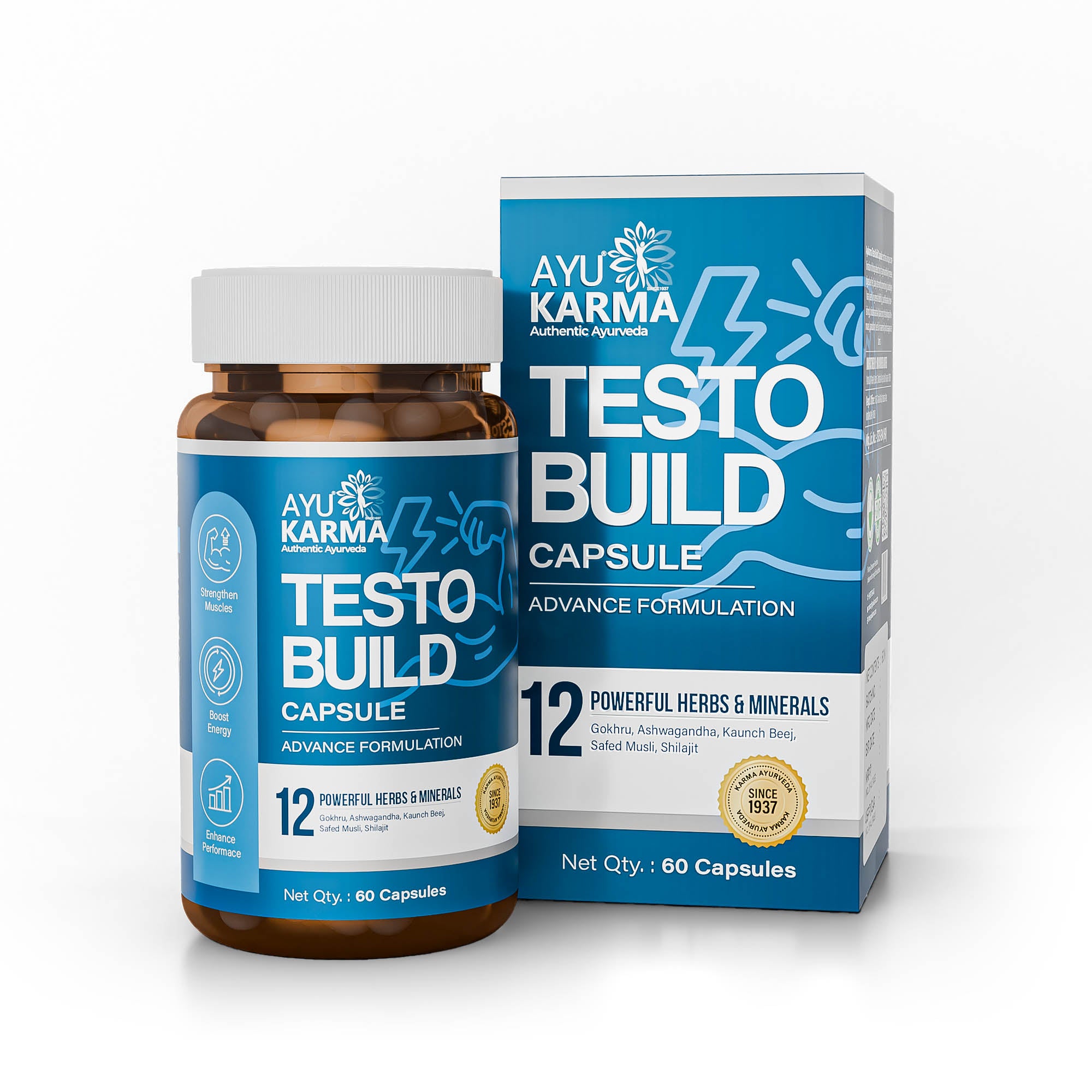
AyuKarma Testo Build Capsules combine 12 Ayurvedic herbs and minerals to support strength, energy, stamina, physical performance, nourishment and overall daily vitality.
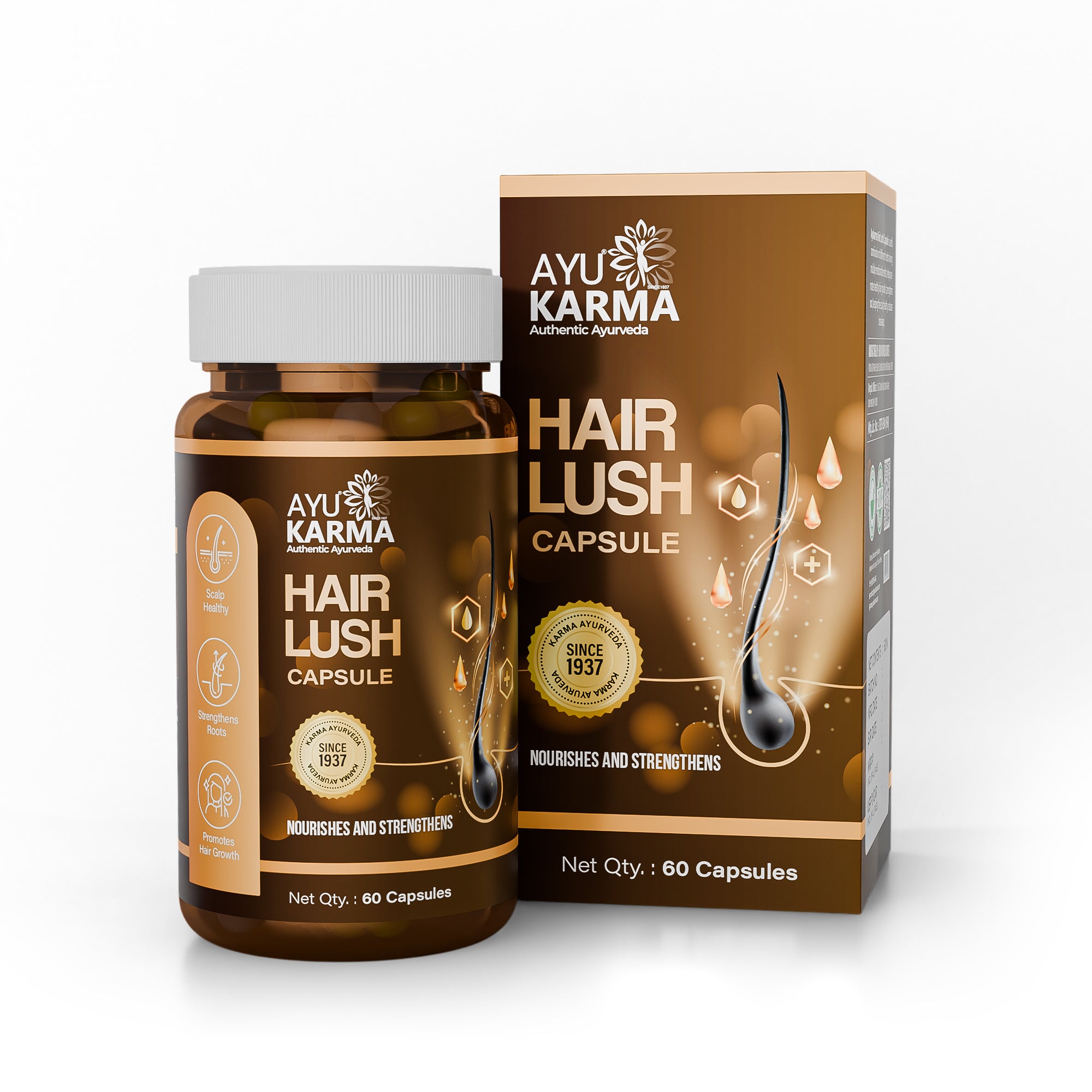
AyuKarma Hair Lush Capsules combine Ayurvedic herbs to support hair growth, reduce hair fall, strengthen roots, nourish the scalp and promote healthier-looking hair.
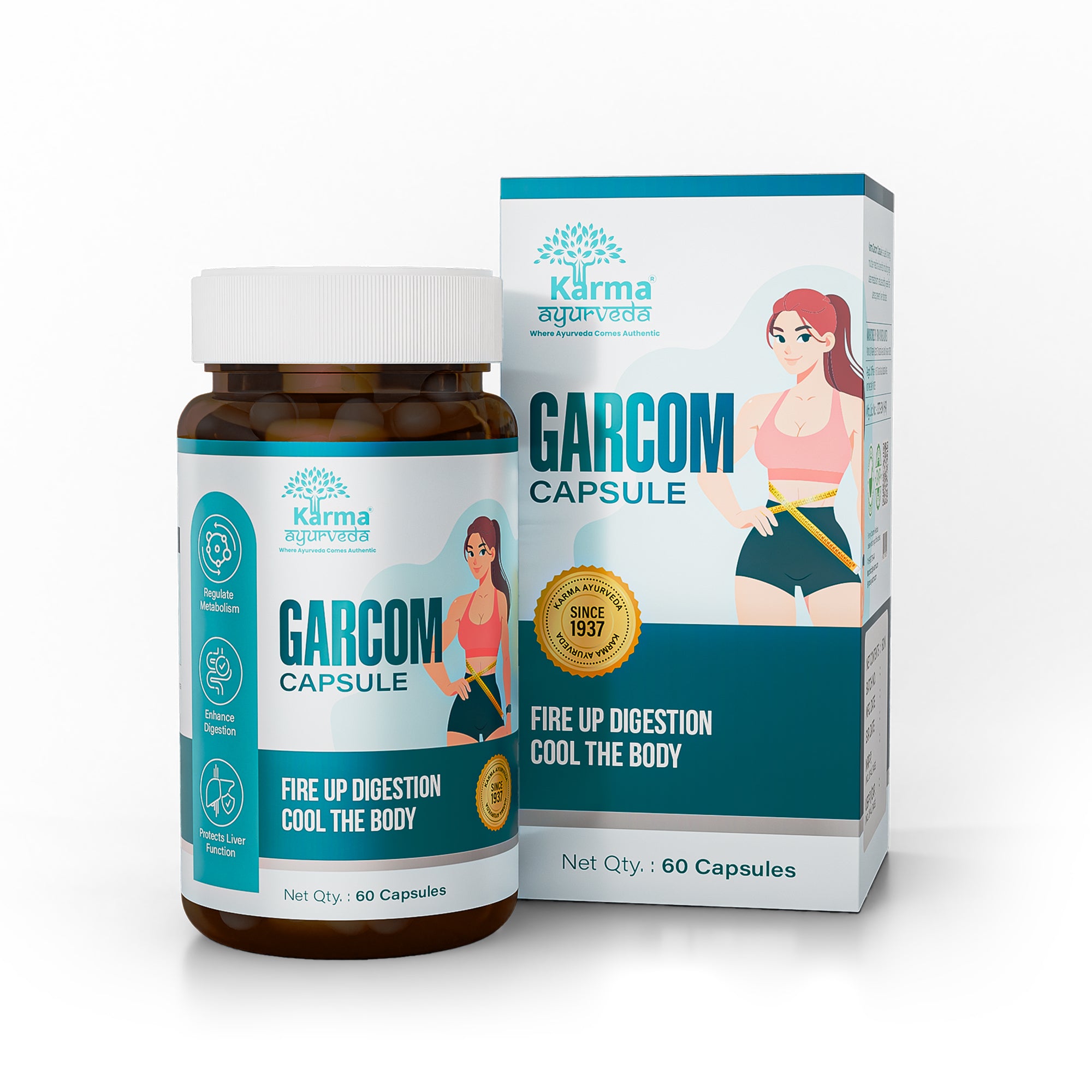
Karma Garcom Capsules contain Garcinia indica to support healthy metabolism, digestion, weight management, digestive comfort and daily wellness alongside a balanced lifestyle.
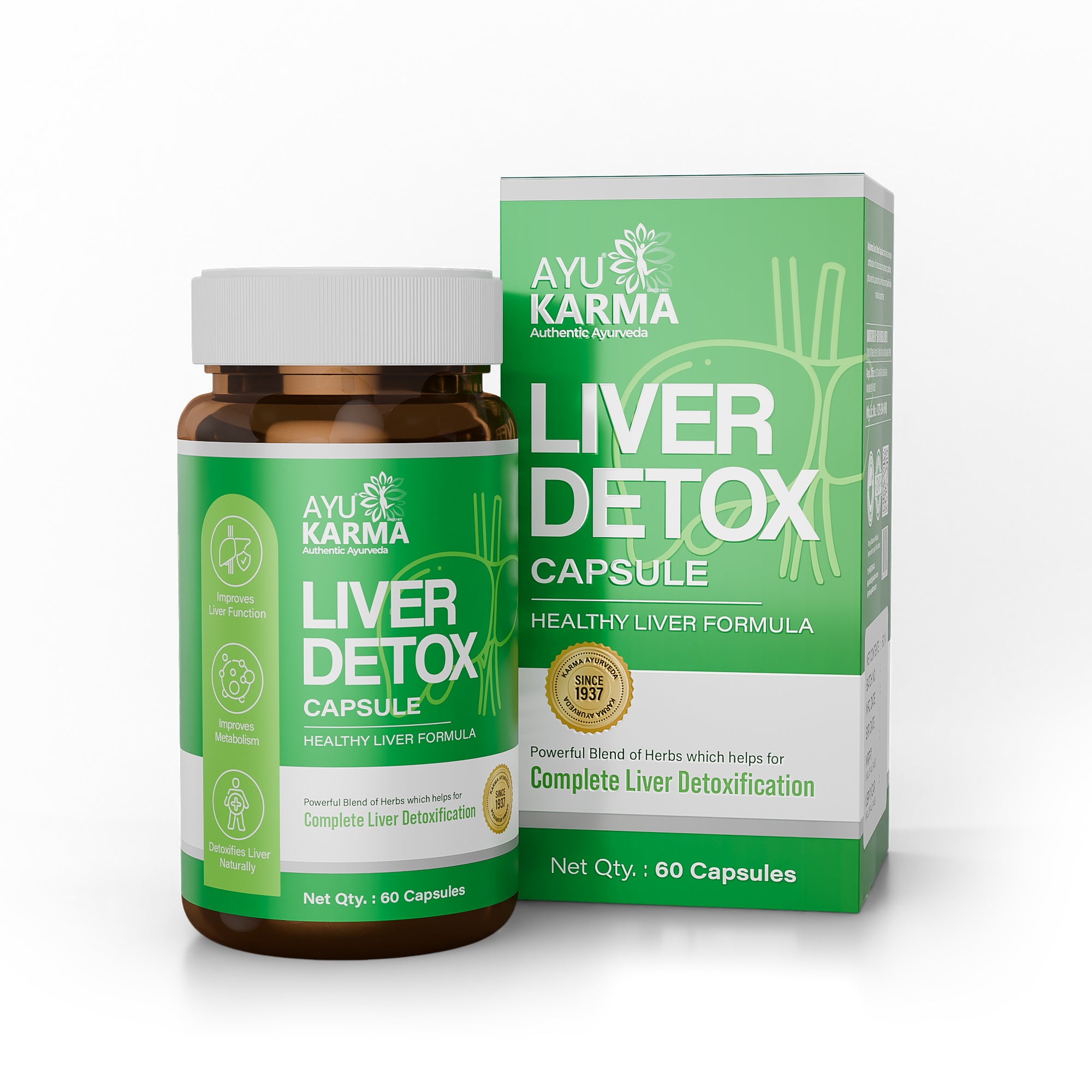
Doctor-recommended liver supplement that helps detoxify the liver, support healthy cholesterol, improve digestion & promote liver health. Developed by Dr. Puneet Dhawan with Karma Ayurveda philosophy.
Second Floor, 77, Block C, Tarun Enclave, Pitampura, New Delhi, Delhi, 110034

Certificate no- AH-2023-0186
JAN 05, 2026 - JAN 04, 2029

US FDA Reg. No.: 14568299376