Unlocking Wellness Naturally
100% Ayurvedic Treatment

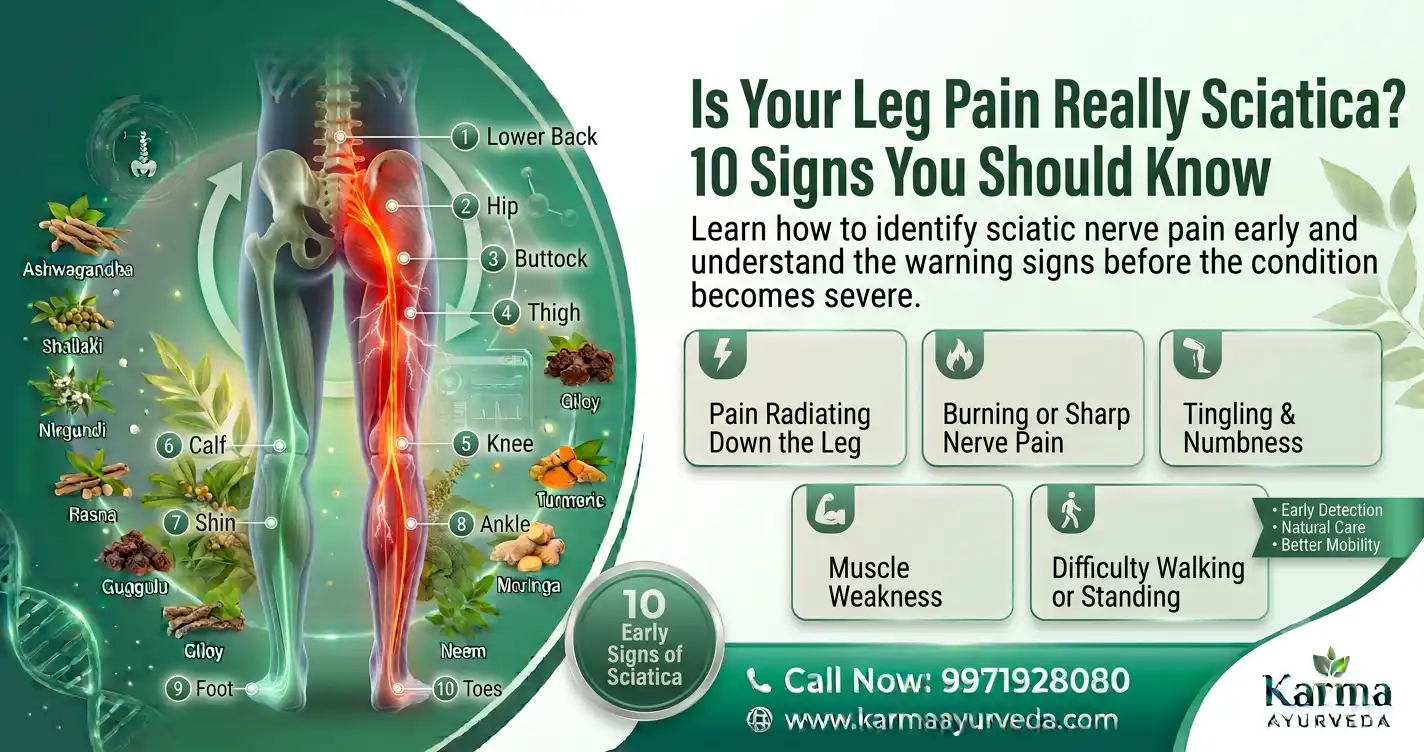
Is Your Leg Pain Really Sciatica? 10 Signs You Should Know
Short answer: if your leg pain starts in your lower back or bum and travels down one leg like it's got somewhere important to be, there's a decent chance it's sciatica; not just "regular" leg pain. But leg pain is sneaky. It can come from a pulled hamstring, bad shoes, a grumpy hip, or your sciatic nerve throwing a tantrum. So, let's actually figure out which one you're dealing with, shall we?
Here's the thing about sciatica; everyone loves to blame it. Knee hurts? "Must be sciatica." Foot's tingly after sitting cross-legged for two hours? "Sciatica, obviously." Meanwhile, actual sciatica is sitting there like, "Guys, I have very specific symptoms, please read the room." So, in this blog, we're going to walk through the real, tell-tale signs of sciatica, back it up with some actual research (not just vibes), and talk about where Ayurvedic treatment for Sciatica fits into the picture if you're someone who'd rather heal the root cause than just mask the pain with another pill.
Quick refresher, because half the confusion around this topic starts here. The sciatic nerve is the longest, thickest nerve in your body; it runs from your lower back, through your hip and glute, and all the way down each leg to your foot. When something presses on it (a herniated disc, a tight piriformis muscle, bone spurs, you name it), you get that classic shooting, burning, "why-is-my-leg-doing-this" pain.
According to a widely cited review published in the New England Journal of Medicine by Ropper and Zafonte (2015), sciatica is generally caused by irritation or compression of the nerve roots that form the sciatic nerve, most commonly due to a herniated disc pressing on a nerve root. It's not a disease in itself; it's a symptom of something else going on in your spine. Which is exactly why treating only the leg pain (and ignoring the spine) often doesn't work long-term.
Let's get into the checklist. Grab a cup of chai, sit up straight (your back will thank you), and see how many of these sound familiar.
If you're nodding along to four or more of these, it's worth getting it properly checked instead of self-diagnosing via Google at 1 AM (we've all been there).
Doctors often use something called the Straight Leg Raise (SLR) test to check for sciatica. You lie down, they lift your straightened leg, and if it triggers that familiar shooting pain below the knee, that's a strong clue. A widely referenced Cochrane meta-analysis on diagnostic tests for sciatica found the SLR test to be highly sensitive, with pooled sensitivity estimates around 0.92 in surgical populations; meaning it's quite good at catching true cases, even if it isn't perfect at ruling out other causes. So if your doctor lifts your leg and you suddenly understand the meaning of pain, that's not them being mean; that's diagnosis in action.
Painkillers can dull the fire for a while, but they don't really deal with the disc, the nerve compression, or the inflammation causing the whole mess in the first place. This is where a lot of people start exploring Sciatica Ayurvedic treatment; not as some trendy alternative, but because Ayurveda has always approached back and nerve pain from a "fix the root, not just the symptom" angle.
Ayurvedic management typically focuses on:
A number of modern clinical studies have also looked into herbal anti-inflammatory compounds commonly used in Ayurveda; for instance, research on curcumin (from turmeric) published in journals like Oncogene and Foundations of Clinical Drug Research has documented its anti-inflammatory action on nerve and joint tissue, which lines up with why turmeric-based formulations are so common in traditional sciatica management.
If you're specifically looking into structured, hospital-grade Ayurvedic care, Karma Ayurveda Hospital is one of the names that comes up often for chronic nerve and spine-related conditions, offering a combination of herbal medicines, therapies, and lifestyle correction rather than a one-size-fits-all pill. Similarly, many people researching Karma Ayurveda for Sciatica treatment are essentially looking for the same thing; a plan that treats the disc and nerve issue holistically instead of just numbing the leg pain temporarily.
Not all "Ayurvedic" labels are created equal (unfortunately, marketing exists everywhere). When looking at Best Ayurvedic medicines for Sciatica, a few things are worth checking:
Mild cases sometimes settle in a few weeks, but if it's been dragging on or getting worse, it's really not something to just wait out.
Gentle walking usually helps more than it hurts, as long as you're not pushing through sharp pain.
It varies person to person, but most people notice gradual relief over a few weeks of consistent therapy and medication.
It's uncommon; sciatica usually sticks to one leg, so bilateral pain often points to a different underlying cause.
Not exactly; a slipped disc is one common cause of sciatica, but sciatica itself is the nerve pain that results from it.
Disclaimer: This blog is for general informational purposes only and isn't a substitute for professional medical advice, diagnosis, or treatment. Sciatica symptoms can overlap with other conditions, so please consult a qualified doctor or Ayurvedic physician before starting any treatment, especially if your pain is severe or worsening.
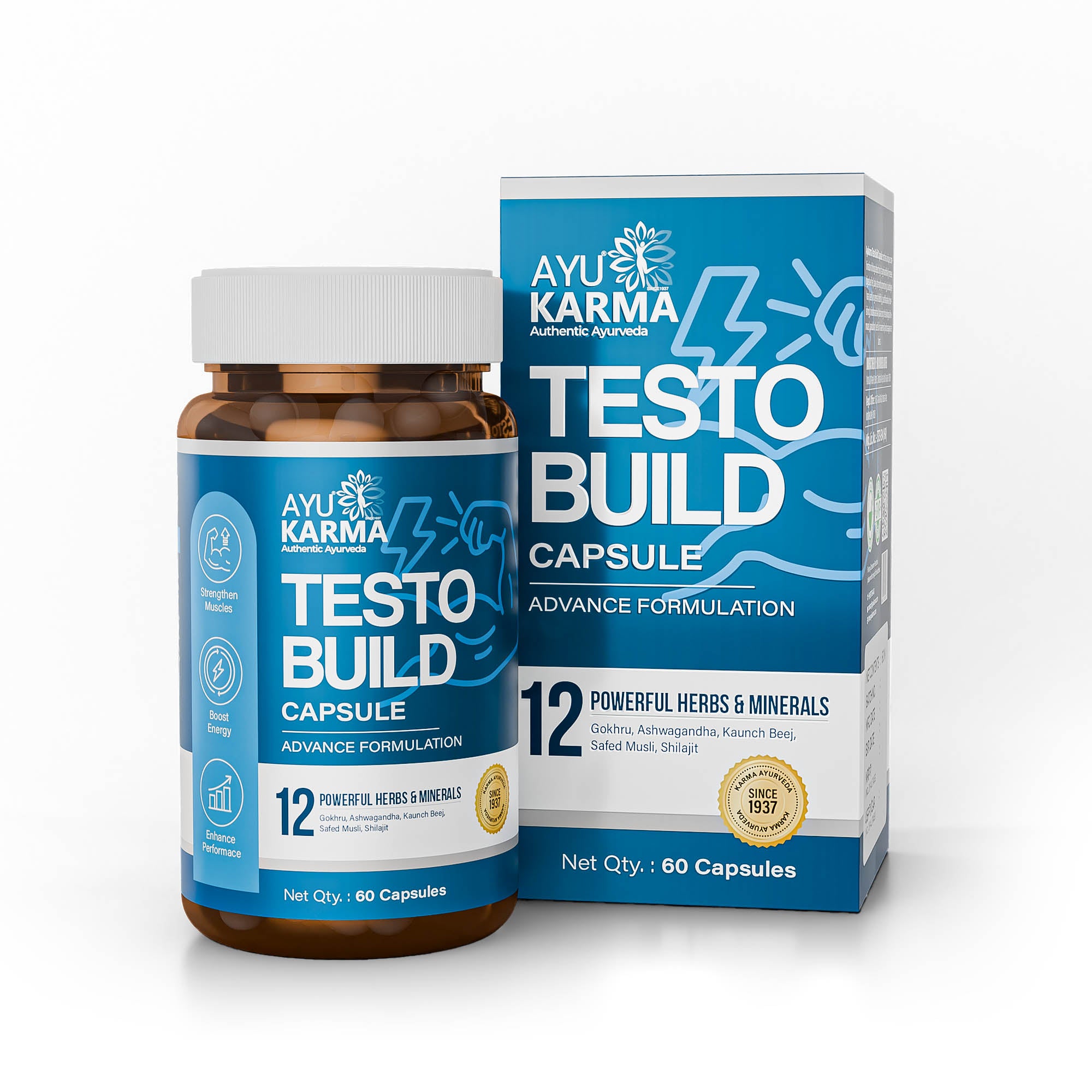
AyuKarma Testo Build Capsules combine 12 Ayurvedic herbs and minerals to support strength, energy, stamina, physical performance, nourishment and overall daily vitality.
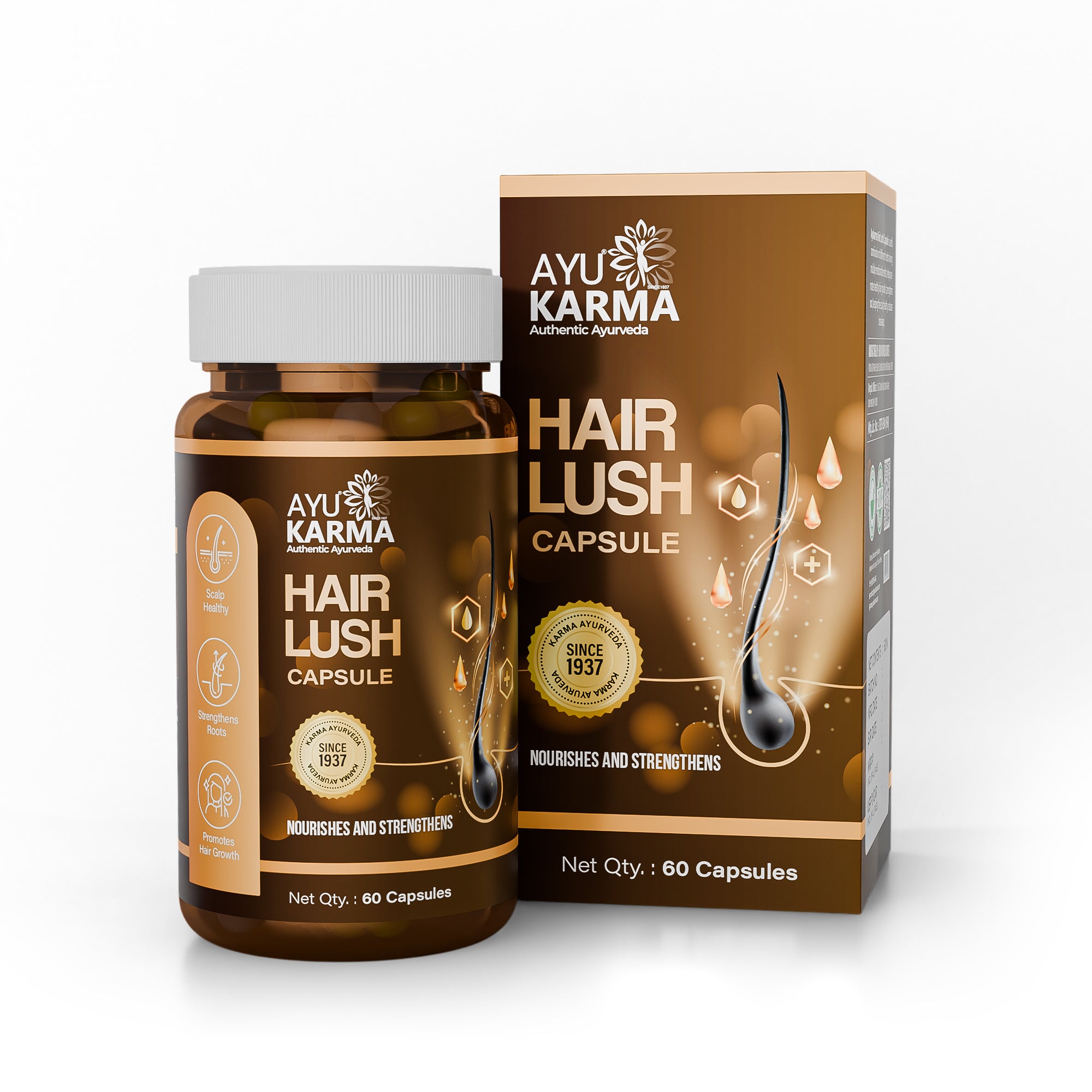
AyuKarma Hair Lush Capsules combine Ayurvedic herbs to support hair growth, reduce hair fall, strengthen roots, nourish the scalp and promote healthier-looking hair.
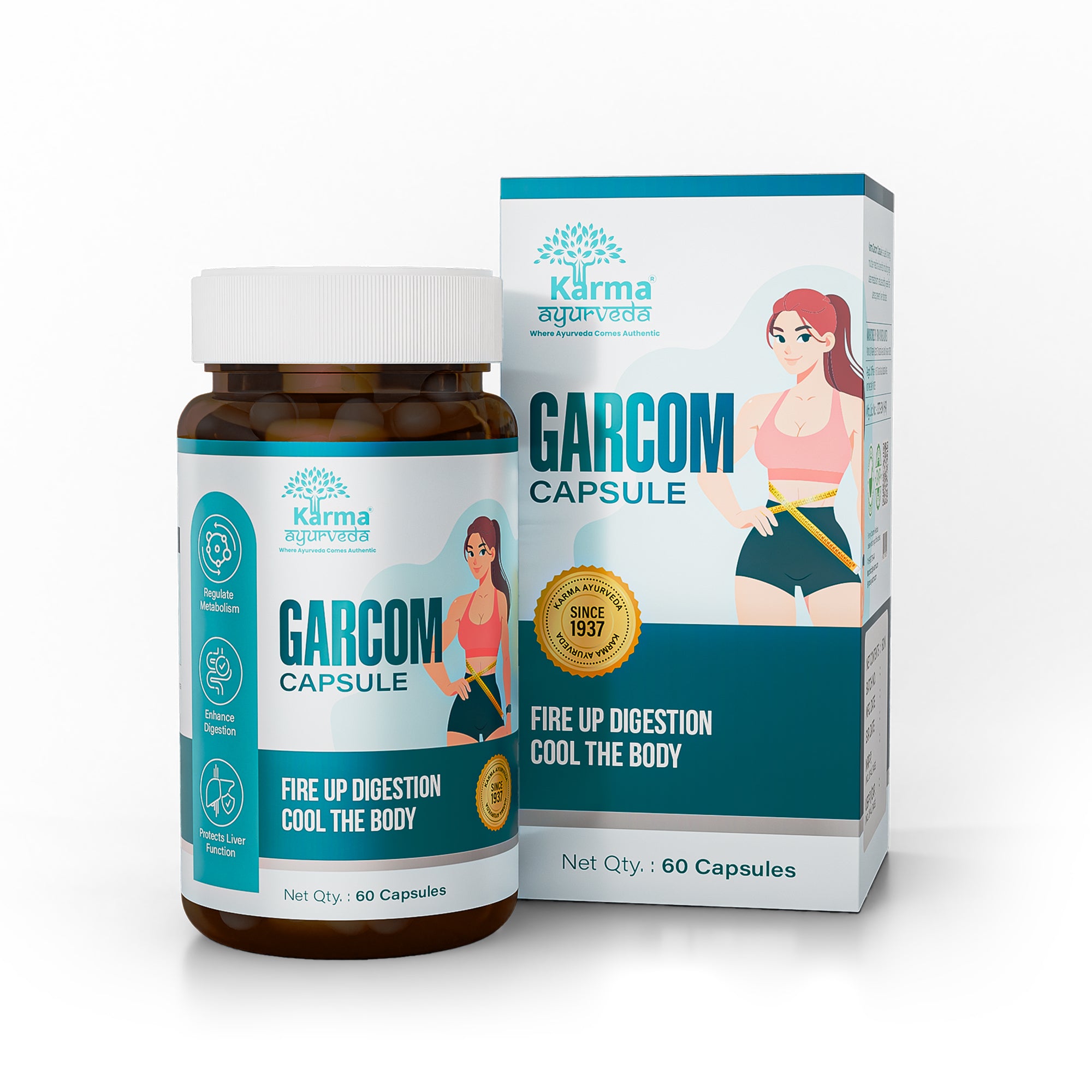
Karma Garcom Capsules contain Garcinia indica to support healthy metabolism, digestion, weight management, digestive comfort and daily wellness alongside a balanced lifestyle.
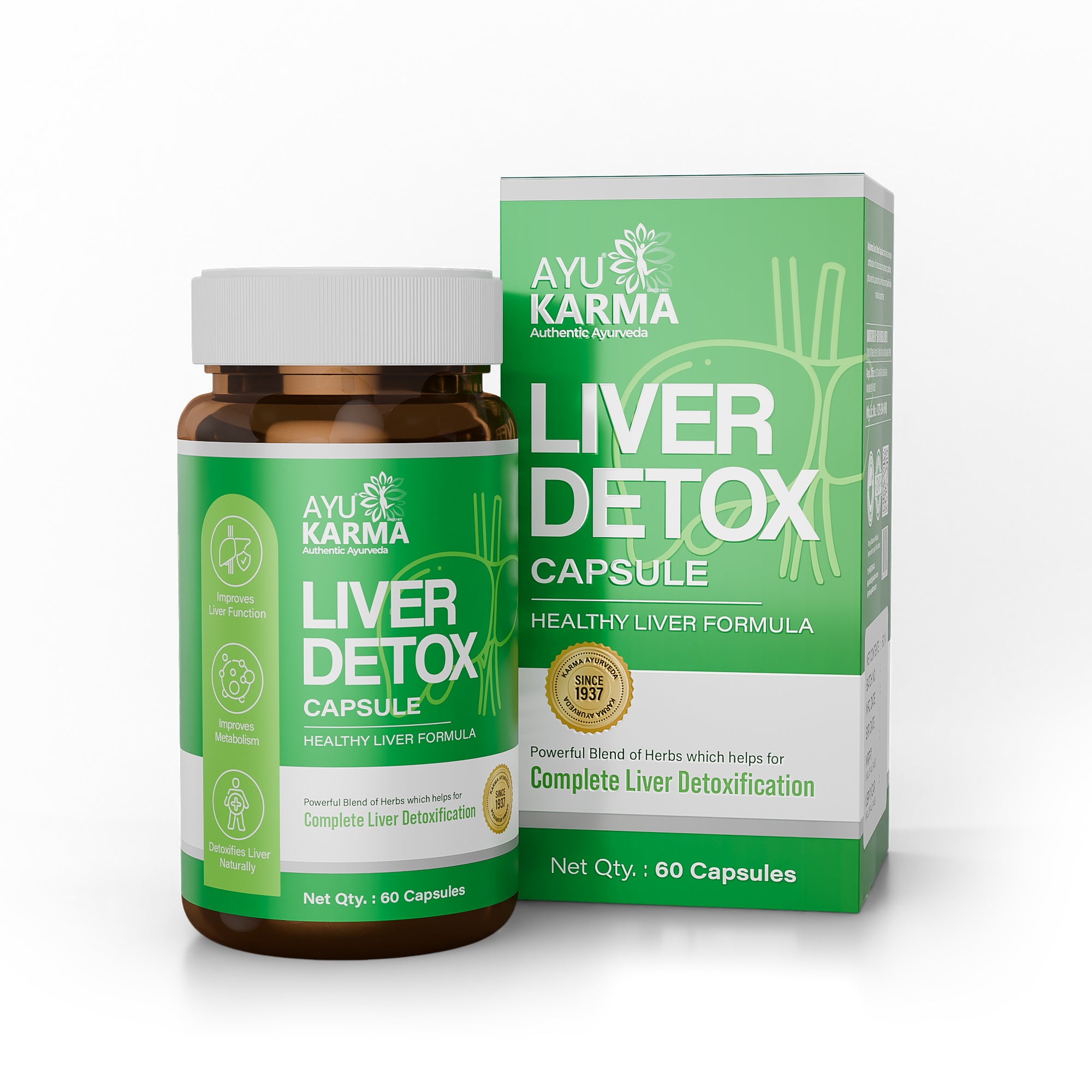
Doctor-recommended liver supplement that helps detoxify the liver, support healthy cholesterol, improve digestion & promote liver health. Developed by Dr. Puneet Dhawan with Karma Ayurveda philosophy.
Second Floor, 77, Block C, Tarun Enclave, Pitampura, New Delhi, Delhi, 110034

Certificate no- AH-2023-0186
JAN 05, 2026 - JAN 04, 2029

US FDA Reg. No.: 14568299376