Unlocking Wellness Naturally
100% Ayurvedic Treatment

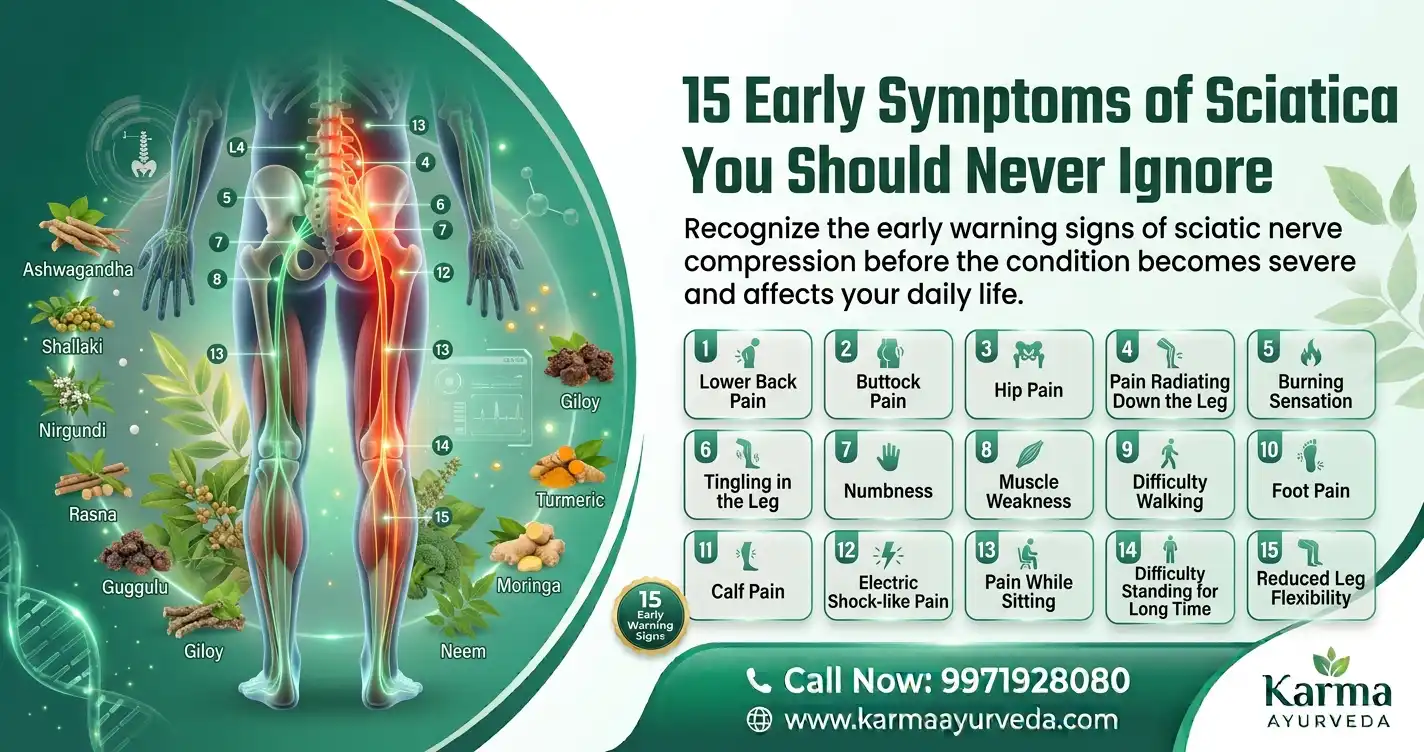
If your leg has been tingling, burning, or randomly deciding to go "on strike" while you're just sitting on the couch; that's probably sciatica, and yes, it's your body's way of waving a red flag. The sooner you catch these signs, the easier it is to deal with before it turns into a full-blown, can't-tie-your-shoes situation.
Sciatica isn't some rare, exotic condition reserved for people who lift too many weights or sit cross-legged for eight hours a day (though, fair, that doesn't help). It's shockingly common; and shockingly good at disguising itself as "oh, I just slept funny" for weeks before it actually announces itself properly. So, let's talk about the early symptoms, because catching sciatica early is a lot like catching a typo before you hit send; so much easier than damage control later.
Quick refresher: the sciatic nerve is the longest nerve in your body, running from your lower back all the way down through your hips, glutes, and legs. When it gets irritated, compressed, or pinched; usually thanks to a herniated disc, bone spur, or plain old muscle tightness; it throws a tantrum. And that tantrum shows up as pain, numbness, or that "why is my leg buzzing" feeling.
A widely cited study published in the BMJ (British Medical Journal) noted that sciatica affects between 13% and 40% of people at some point in their lives, depending on age and lifestyle factors; so if you're dealing with it, you're in very crowded company.
Here's the greatest hits list of symptoms that mean your sciatic nerve is trying to send you a strongly worded email:
If more than a couple of these sound familiar, it's worth getting checked out rather than hoping it magically resolves itself, because sciatica is famously stubborn and not into the "ignore it and it'll go away" strategy.
Nobody loves going to the doctor for "a bit of leg tingling," but here's the thing: sciatica caught early is usually manageable with rest, gentle movement, and targeted treatment. Left alone, it can spiral into chronic pain, muscle weakness, or nerve damage that takes much longer to reverse.
A study published in The Spine Journal found that early intervention; including physical therapy and lifestyle modification; significantly improved long-term outcomes for sciatica patients compared to those who delayed treatment. Translation: don't be the person who waits until they can't walk to the fridge without wincing.
Now here's where it gets interesting for anyone who prefers a gentler, more holistic route. Ayurvedic treatment for sciatica has been used for centuries in Indian traditional medicine, focusing on reducing inflammation, improving nerve function, and restoring balance in the body rather than just masking pain.
Sciatica Ayurvedic treatment typically revolves around a combination of herbal remedies, therapeutic oil massages (like Abhyanga and Kati Basti), and lifestyle adjustments centered around diet and posture. The philosophy here is less "pop a pill and move on" and more "let's actually fix why this is happening."
Some of the best Ayurvedic medicines for sciatica commonly referenced in Ayurvedic literature include herbs like Nirgundi, Rasna, Shallaki (Boswellia), and Ashwagandha, known for their anti-inflammatory and nerve-soothing properties. A study published in the Journal of Ayurveda and Integrative Medicine noted that Boswellia serrata extract showed measurable anti-inflammatory effects comparable to some conventional treatments, particularly for joint and nerve-related pain.
That said; and this is important; Ayurvedic treatment for Sciatica works best as a complementary approach alongside proper diagnosis from a qualified healthcare provider, not as a replacement for medical evaluation, especially if you're experiencing severe weakness, loss of bladder control, or symptoms in both legs (those need urgent medical attention, no herbs required).
A dull ache in the lower back that quietly turns into leg pain is usually the first sign people notice.
Mild cases often improve with rest and gentle movement, but it's smart to get it checked if pain lasts more than a couple of weeks.
Many people find relief through Ayurvedic remedies like herbal oils and anti-inflammatory herbs, especially when combined with proper medical guidance.
Most cases improve within four to six weeks with proper care, though chronic cases can take longer.
See a doctor right away if you notice severe weakness, numbness in both legs, or loss of bladder control.
This blog is for general informational purposes only and isn't a substitute for professional medical advice, diagnosis, or treatment. Sciatica symptoms can vary widely, so please consult a qualified healthcare provider before starting any new treatment, Ayurvedic or otherwise, especially if symptoms are severe or worsening.
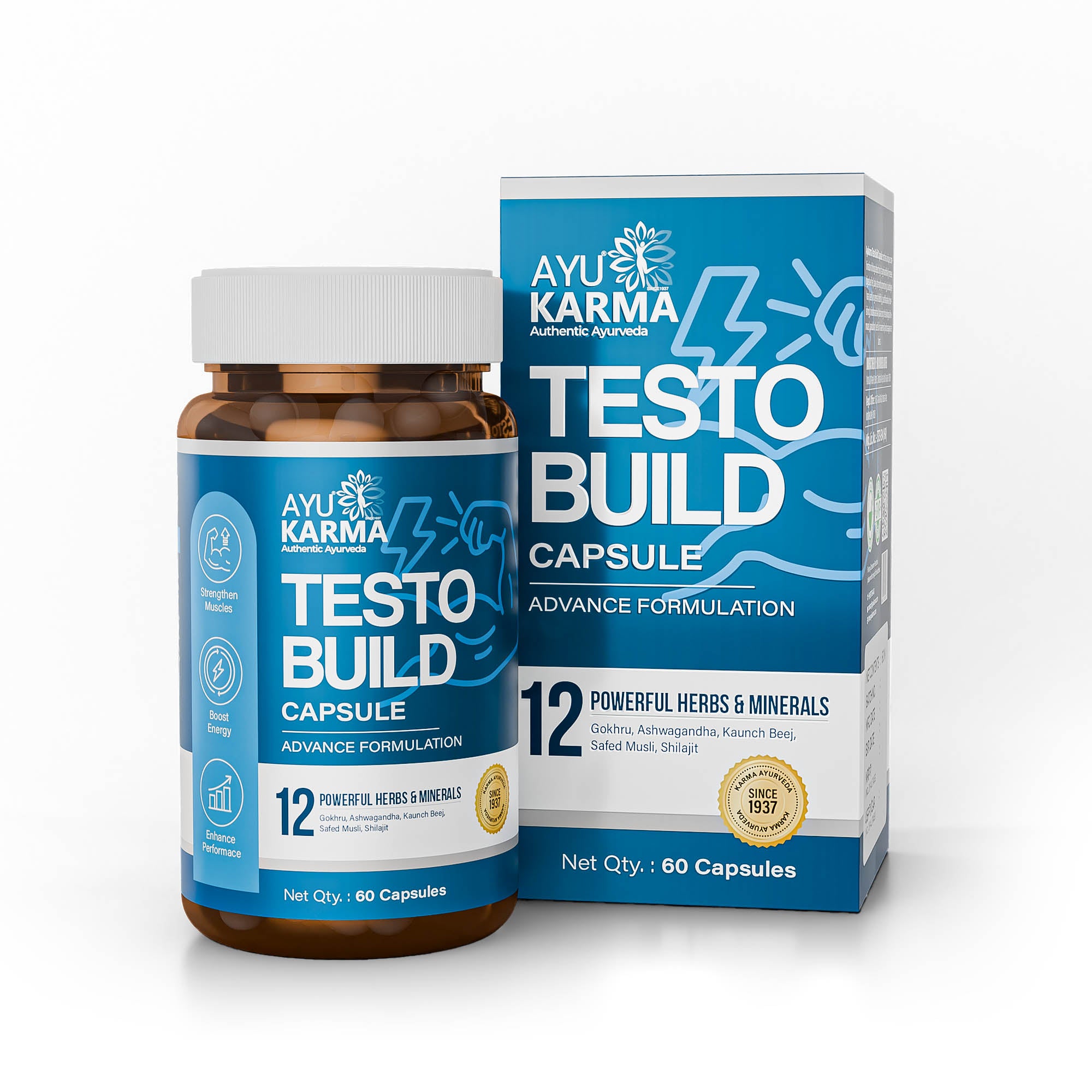
AyuKarma Testo Build Capsules combine 12 Ayurvedic herbs and minerals to support strength, energy, stamina, physical performance, nourishment and overall daily vitality.
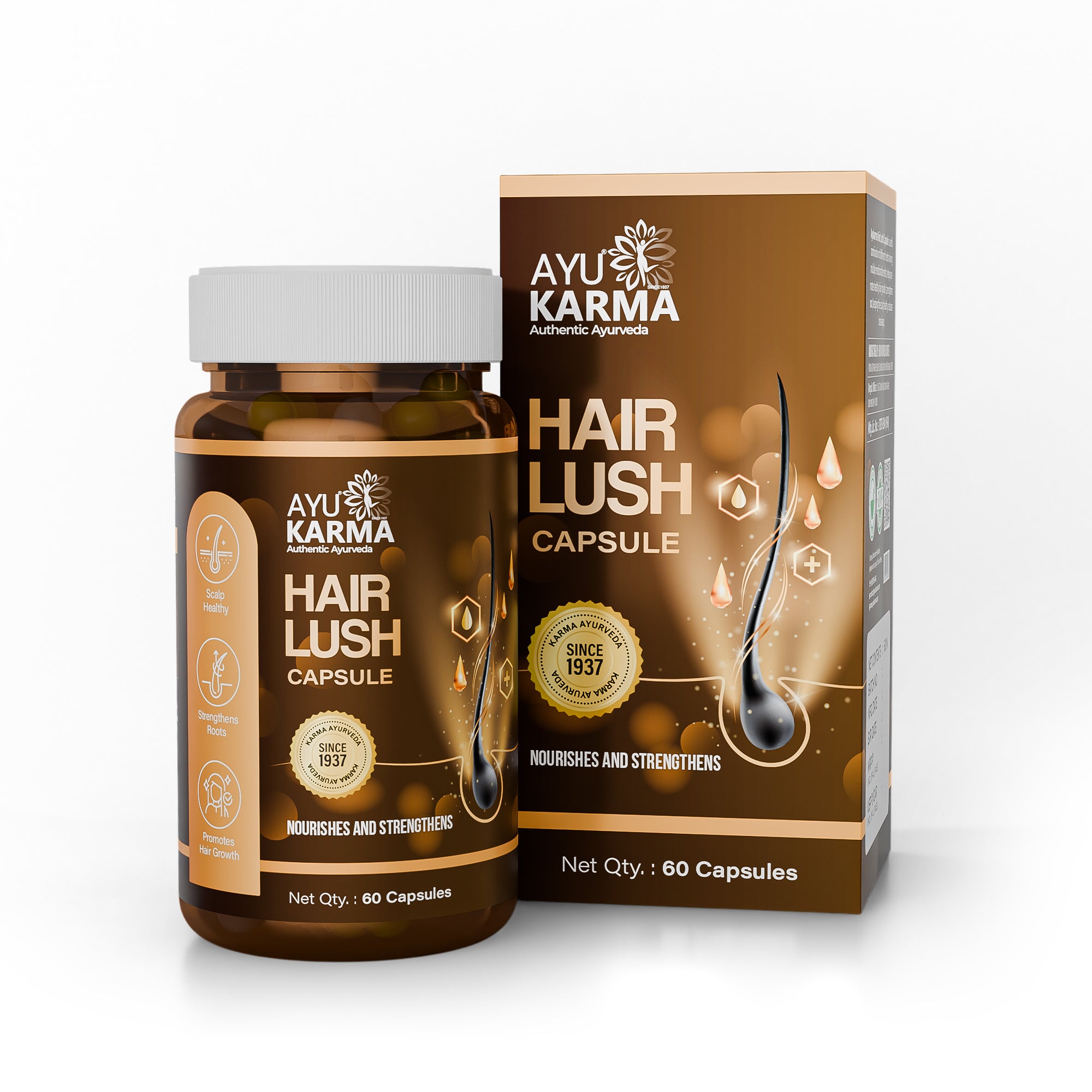
AyuKarma Hair Lush Capsules combine Ayurvedic herbs to support hair growth, reduce hair fall, strengthen roots, nourish the scalp and promote healthier-looking hair.

Karma Garcom Capsules contain Garcinia indica to support healthy metabolism, digestion, weight management, digestive comfort and daily wellness alongside a balanced lifestyle.
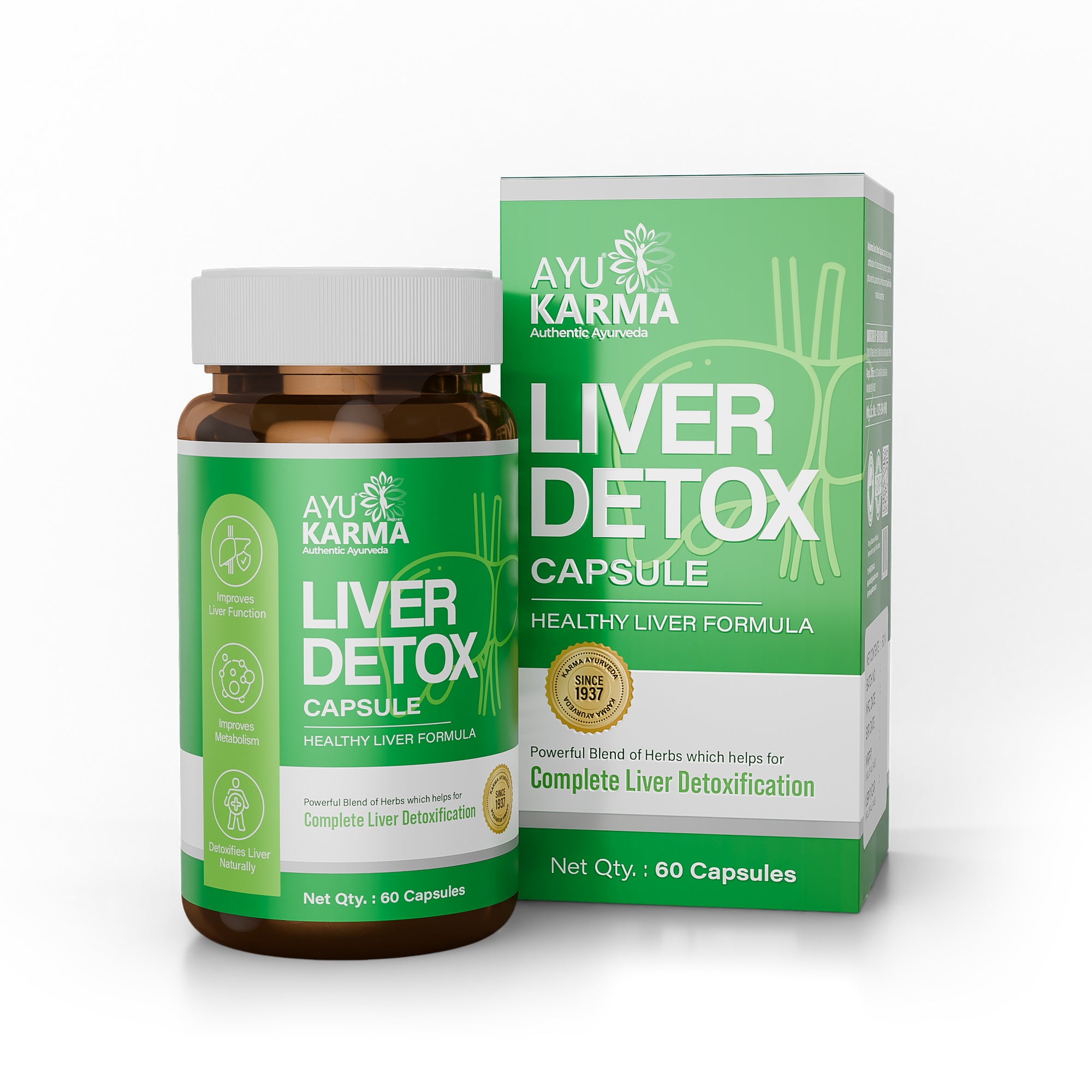
Doctor-recommended liver supplement that helps detoxify the liver, support healthy cholesterol, improve digestion & promote liver health. Developed by Dr. Puneet Dhawan with Karma Ayurveda philosophy.
Second Floor, 77, Block C, Tarun Enclave, Pitampura, New Delhi, Delhi, 110034

Certificate no- AH-2023-0186
JAN 05, 2026 - JAN 04, 2029

US FDA Reg. No.: 14568299376