Marma Therapy and Panchakarma: Ayurveda's Ultimate Reset Button
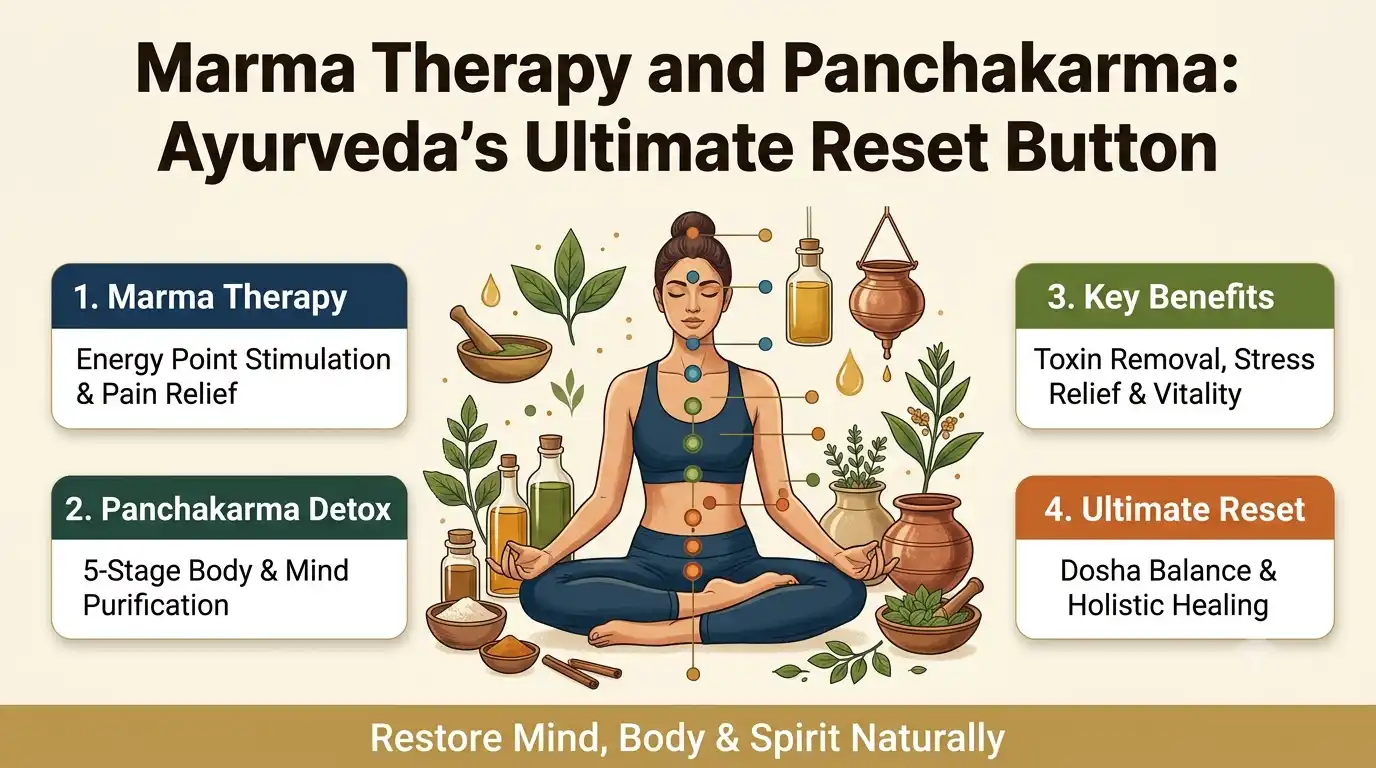
Ever wondered if ancient sages secretly figured out how to fix modern body glitches long before blue-light glasses and foam rollers were even a thing? Well, Marma therapy and Panchakarma work together as Ayurveda’s ultimate reset button, rebooting your body’s pressure points and clearing out deeply buried toxins to relieve joint stiffness, eye fatigue, and organ stress.
Let's be honest for a second. Most of us spend our days hunched over laptops like anxious gargoyles, staring at glowing rectangles until our eyes feel like sandpaper, and wondering why our lower back is making clicking sounds usually reserved for old wooden floorboards. We pop a quick painkiller, drink another espresso, and hope our internal organs figure it out.
But what if, instead of just slapping a temporary Band-Aid on a glitching machine, you could tap into ancient Ayurvedic healing techniques for chronic pain that actually talk to your body's innate intelligence? That is precisely where two heavy hitters of Eastern medicine step onto the stage: Marma Therapy and Panchakarma.
What on Earth is Marma Therapy? (No, It’s Not a Martial Art… Well, Sort Of)
If you have ever asked yourself, what is Marma therapy in Ayurveda, imagine your body as a high-speed highway system. Marma points are the major traffic intersections where flesh, veins, nerves, joints, and subtle energy pathways (known as Prana) intersect. There are 107 of these vital energy points mapped across your human chassis, with the mind acting as the unnumbered 108th.
When life happens; stress, poor posture, bad food choices, or that time you tried to lift a heavy sofa by yourself; these traffic junctions get jammed. Marma therapy is the gentle art of applying subtle pressure to these points to clear the energy traffic jams.
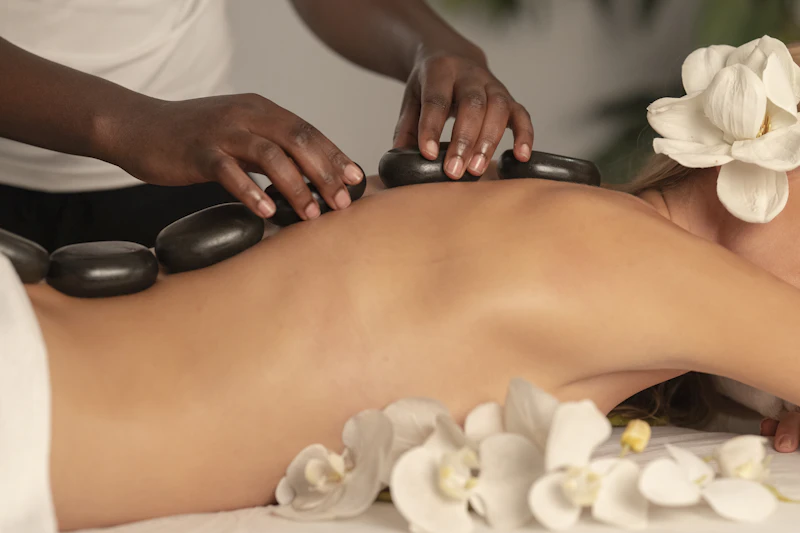
Unlike a standard deep-tissue massage where a practitioner might dig an elbow into your tight shoulder until you meet your ancestors, Marma work is subtle. A trained practitioner uses light, circular pressure, often infused with specific herbal oils, to stimulate these energy switches.
It turns out modern science is starting to back this up. A study published in the Journal of Ayurveda and Integrative Medicine (2018) noted that stimulating specific Ayurvedic vitality points helps release neuro-chemicals, reduce sympathetic nervous system overdrive (your fight-or-flight stress mode), and improve local blood circulation. So yes, pressing these spots actually sends a "calm down" memo straight to your brain.
Key Takeaways
- Targeted Energy Work: Marma therapy uses 107 vital energy points to clear nervous system blockages and improve local blood circulation.
- Deep Toxins Cleanse: Panchakarma flushes out deeply embedded cellular sludge (Ama) through customized oil massages, steam, and therapeutic protocols.
- Joint Relief: Protocols like Janu Basti pool warm medicated oil over stiff joints to reduce inflammation and restore natural flexibility.
- Ocular Rest: Eye-bath treatments (Netra Tarpana) nourish optic nerves and offer genuine relief from modern screen fatigue.
- Filtration Support: Stimulating lower-body points helps optimize nerve signaling to your filtration organs and relieves lower back tension.
Frequently Asked Questions
Does Marma point stimulation hurt?
Not at all; it involves gentle, soothing pressure with warm herbal oils, so you'll likely just fall asleep.
How long does a full Panchakarma program usually take?
A proper detox program typically ranges from 7 to 21 days depending on your personal health requirements.
Can I do these point therapies on myself at home?
While simple daily self-massages help, complex vitality points should always be treated by a qualified practitioner.
How quickly will my eyes feel better after an eye-ghee treatment?
Most people feel immediate relief from dryness and strain right after their very first session.
Disclaimer
This article is strictly for educational and informational purposes and does not constitute formal medical advice. Always consult a qualified physician or certified Ayurvedic practitioner before beginning any new detox program, herbal regime, or physical therapy, especially if you have underlying medical conditions.