Unlocking Wellness Naturally
100% Ayurvedic Treatment

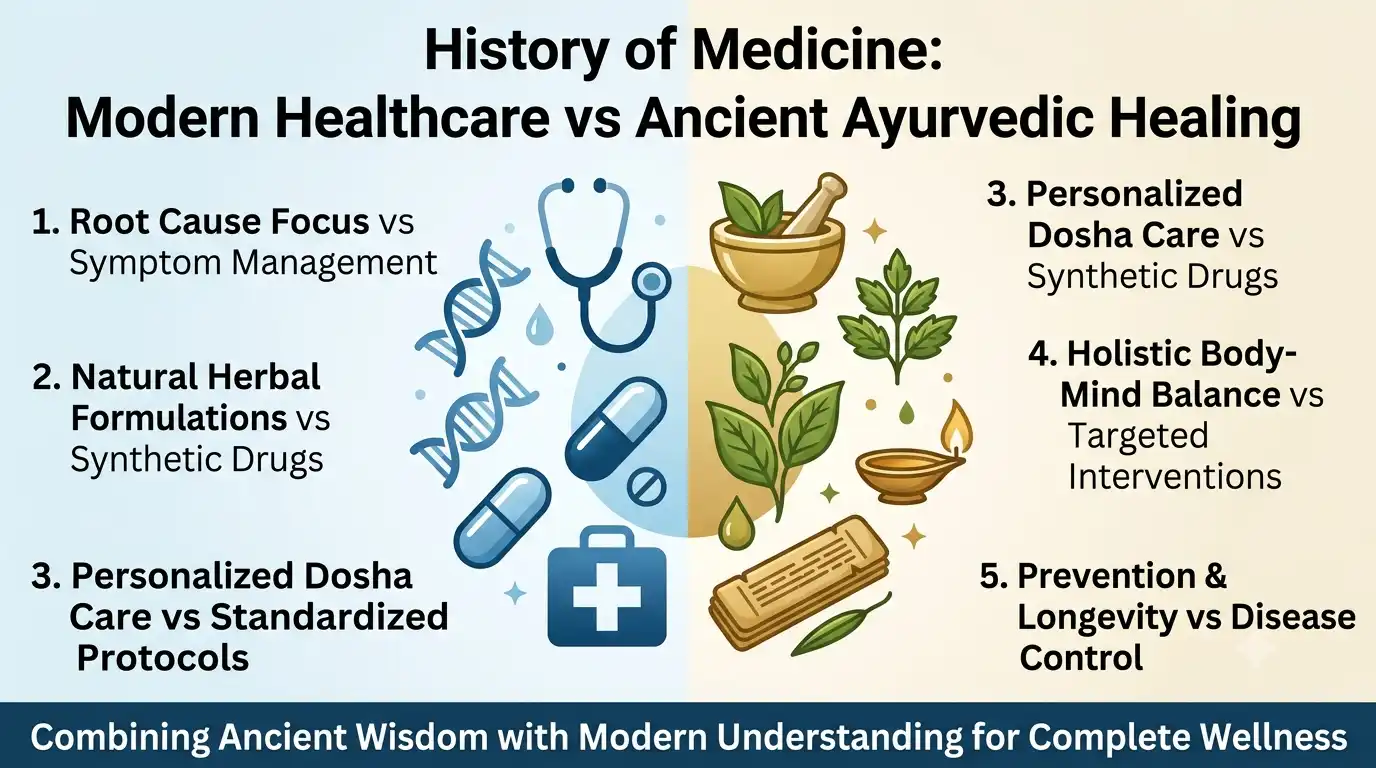
Did modern medicine "defeat" Ayurveda, or did Ayurveda just get pushed out of the room? Honestly, it's closer to the second one; and the full story of the History of Ayurveda vs modern medicine has less to do with which system worked better, and a lot more to do with which one had money, microscopes, and a really good PR department in 1910.
That's the short version. Now let's do the fun version, because this story has everything: oil money, angry doctors, turmeric, and a report that quietly rearranged how the entire planet thinks about getting well.
Picture two doctors sitting in a café. One is roughly 3,000 years old. The other is about 150.
The elder one; let's call him Uncle Charaka; comes from a tradition built on observation over centuries. Watch enough people, for enough generations, and patterns show up: this plant calms the gut, that one helps sleep, this person's constitution runs hot, that one's runs sluggish. No microscopes. Just extremely patient note-taking and a deep interest in why you, specifically, keep getting sick.
The younger doctor has a lab. He doesn't care about your constitution. He wants to know exactly which organism is in your bloodstream, and he has a molecule that will end it by Thursday.
Here's the thing nobody likes admitting: both of them are right about different things. Uncle Charaka is useless during a burst appendix. The lab guy is often stuck when you say "I'm just tired all the time and I don't know why."
For most of human history, the traditional healing systems ran the show by default. Then the 20th century happened.
If you want one document to blame, it's the Flexner Report.
In 1910, an educator named Abraham Flexner was hired by the Carnegie Foundation to inspect medical schools across the US and Canada. He toured 155 of them and came back with a verdict that was, to be fair, not wrong: a lot of these schools were terrible. Some had no labs. Some had no hospitals. Some would hand you a diploma if you handed them a cheque.
Flexner's fix was strict standardisation; laboratory science, university affiliation, rigorous entry standards. Sensible stuff.
But here's the part that gets left out of the textbook summary. The reforms were funded, heavily, by the Rockefeller-backed General Education Board and the Carnegie Foundation. Money flowed to schools that matched the new model. Schools teaching herbal, homeopathic and eclectic medicine got no funding, lost accreditation, and shut down; dozens of them within twenty years. The Rockefeller fortune, built on oil, also had deep interests in the emerging petrochemical-derived pharmaceutical industry, which is where the phrase Rockefeller effect on natural medicine comes from.
Was it a shadowy plot in a smoky room? Probably not. Was it a massive redirection of funding that made one model of medicine rich and the other one homeless? Absolutely, yes.
And this pattern travelled. In colonial India, the same logic arrived by ship. British administration favoured Western medical colleges, and indigenous practitioners were steadily reclassified from "doctor" to "folk healer." A living clinical tradition got demoted to a cultural artefact in about two generations.
I know, "suppressed" sounds dramatic. But when you actually look at the mechanics of why ancient herbal medicine was suppressed, it's less conspiracy and more paperwork:
So the Rockefeller effect on natural medicine wasn't a single villainous act. It was economics quietly deciding what counted as "real."
Here's where it gets interesting, because in the last 25 years, researchers started testing the old stuff properly; and some of it held up surprisingly well.
Turmeric and arthritis. A 2012 pilot study by Chandran and Goel in Phytotherapy Research compared curcumin with diclofenac in rheumatoid arthritis patients. The curcumin group did comparably well on disease-activity scores, with fewer reported side effects. Small study, needs replication; but not nothing.
The bioavailability puzzle, solved in 1998. Shoba et al., publishing in Planta Medica, found that piperine (from black pepper) increased curcumin absorption dramatically. Which is fascinating, because Indian kitchens have been pairing turmeric with pepper and warm fat for centuries without knowing the word "bioavailability."
Ashwagandha and stress. Chandrasekhar, Kapoor and Anishetty published a 2012 randomised, double-blind, placebo-controlled trial in the Indian Journal of Psychological Medicine showing significant reductions in serum cortisol and stress scores in chronically stressed adults.
Boswellia and joint pain. Sengupta et al. (2008), in Arthritis Research & Therapy, ran a placebo-controlled trial on Boswellia serrata extract for osteoarthritis of the knee and reported measurable improvements in pain and function.
The big one. Furst et al. (2011), in the Journal of Clinical Rheumatology, ran an NIH-funded, double-blind trial comparing a classical Ayurvedic treatment protocol against methotrexate for rheumatoid arthritis. The finding: comparable outcomes, with the herbal arm showing fewer adverse events.
None of this means "throw out your prescriptions." It means the science behind ancient Ayurvedic remedies is a real research field with real journals; not folklore.
The Situation | Modern Medicine | Ancient Indian Healing
Broken leg | Absolute legend. Go now. | Will offer tea. Please still go.
Bacterial infection | Antibiotics. Saved millions of lives. | Not the right tool, be serious.
"I'm tired and bloated and vaguely sad" | "Your labs are normal!" | Now we're talking. Pull up a chair.
Prevention | Improving, but reactive by habit | Its entire personality
Speed | Impressively fast | Slow. Deeply, unapologetically slow.
Cost of a consultation | Depends on your insurance mood | Usually your grandmother, free
A warm tone shouldn't mean a dishonest one, so: there are real problems here.
Saper et al. published a study in JAMA in 2008 testing Ayurvedic products sold online and found that roughly one in five contained detectable lead, mercury, or arsenic. That's not a small footnote. Some traditional bhasma preparations intentionally use processed metals, and quality control across the commercial market is wildly inconsistent.
There's also the fringe problem; people claiming herbs can replace insulin or cancer treatment. That's not tradition. That's just dangerous.
The real benefits of traditional Indian healthcare aren't magic cures. They're structural:
India's AYUSH ministry now regulates this formally, and the WHO opened its Global Centre for Traditional Medicine in Jamnagar in 2022; so, the institutional cold shoulder is, slowly, thawing.
Nobody. That's the good news.
The History of Ayurveda vs modern medicine isn't a boxing match with a winner; it's two tools that got separated by economics rather than evidence. Emergency medicine, surgery, vaccines and antibiotics are among humanity's greatest achievements. And a system obsessed with why you got sick in the first place is a genuinely useful companion to that.
Use the ambulance. Also, maybe sleep on time and eat your vegetables. The benefits of traditional Indian healthcare mostly sound like advice your grandmother already gave you; which is, annoyingly, the point.
This article is for general information and curiosity only; it isn't medical advice, and it isn't a substitute for a qualified professional. Please don't start, stop, or swap any treatment based on a blog post. Always consult a registered doctor or a certified practitioner before making decisions about your health, especially if you're managing an existing condition or taking prescribed medication.
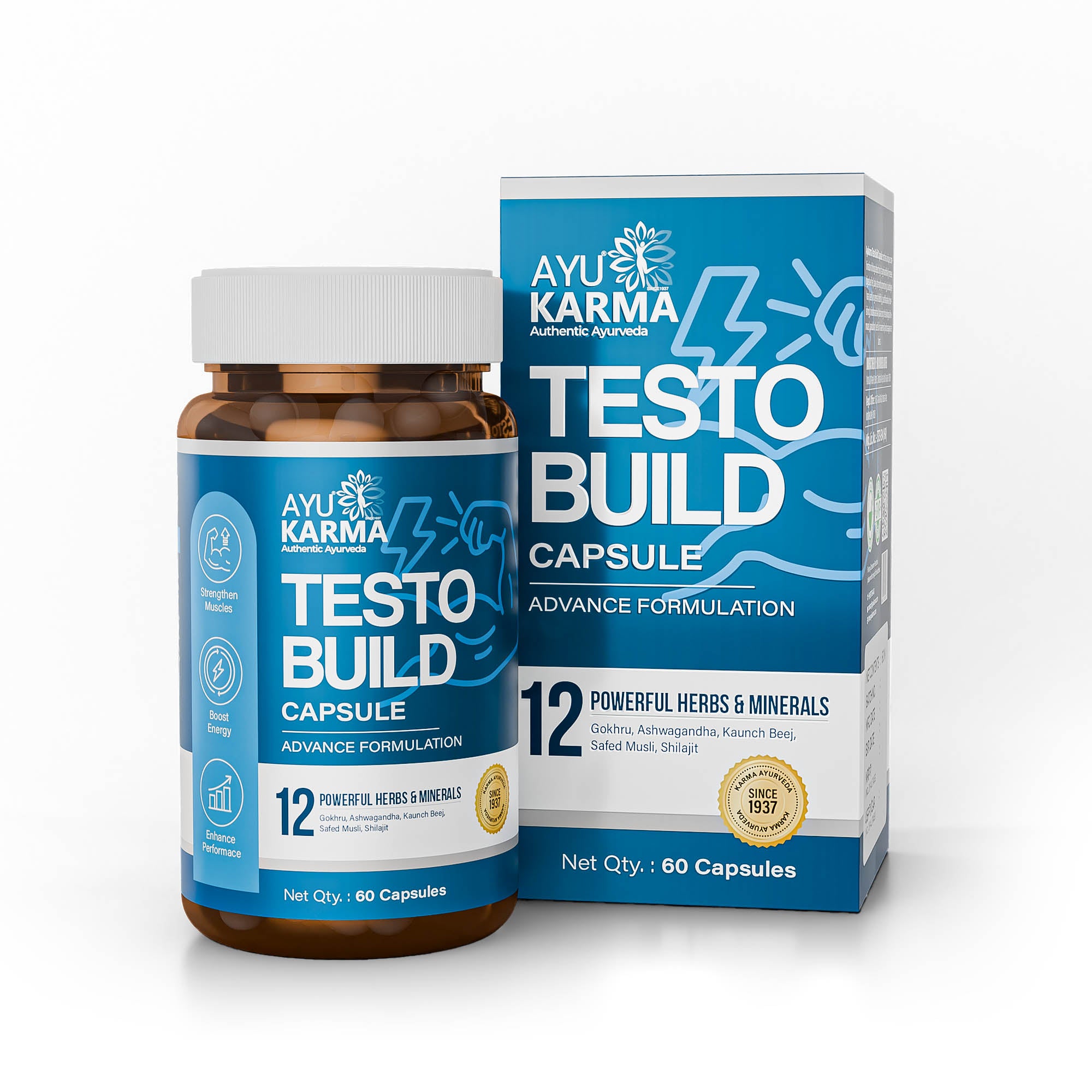
AyuKarma Testo Build Capsules combine 12 Ayurvedic herbs and minerals to support strength, energy, stamina, physical performance, nourishment and overall daily vitality.
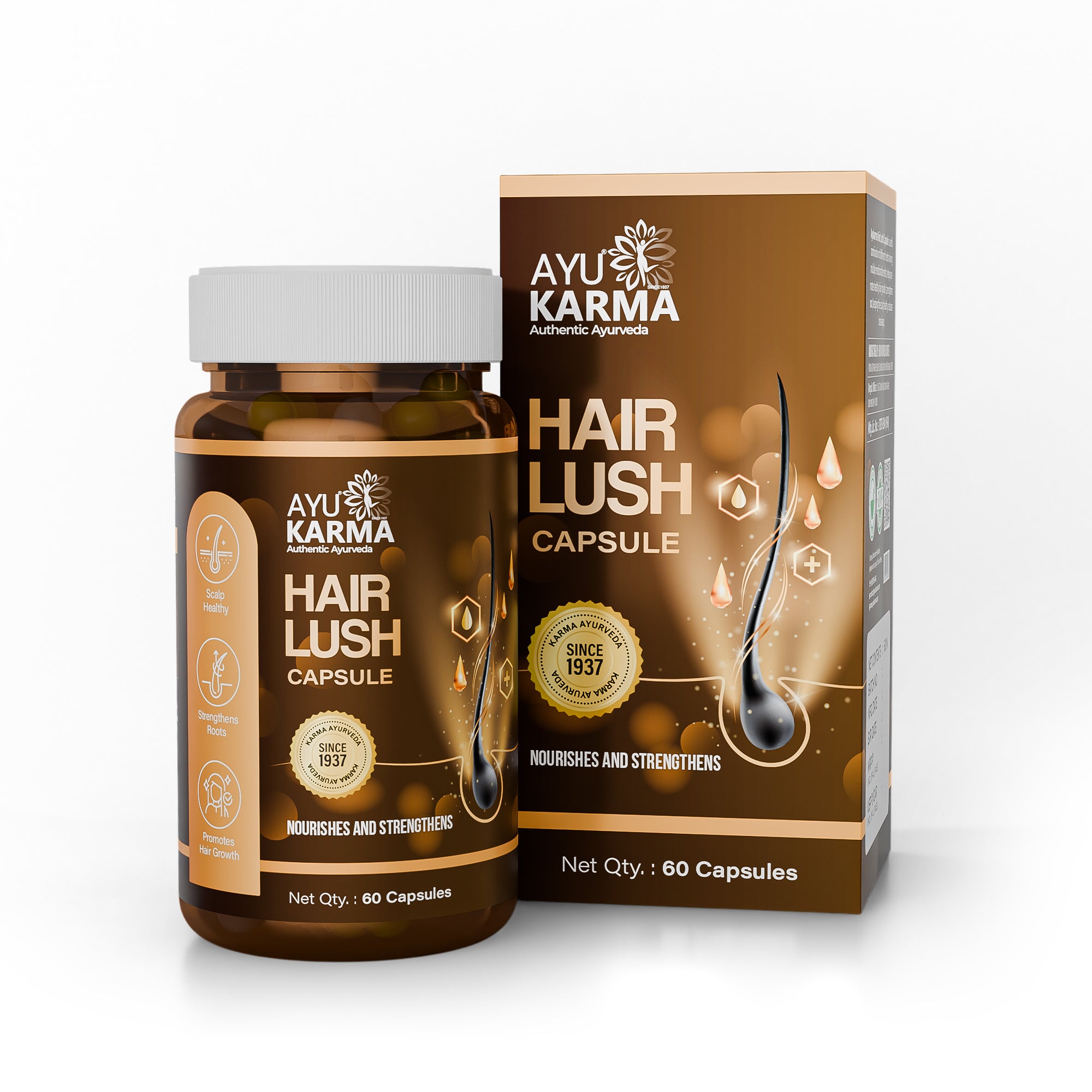
AyuKarma Hair Lush Capsules combine Ayurvedic herbs to support hair growth, reduce hair fall, strengthen roots, nourish the scalp and promote healthier-looking hair.
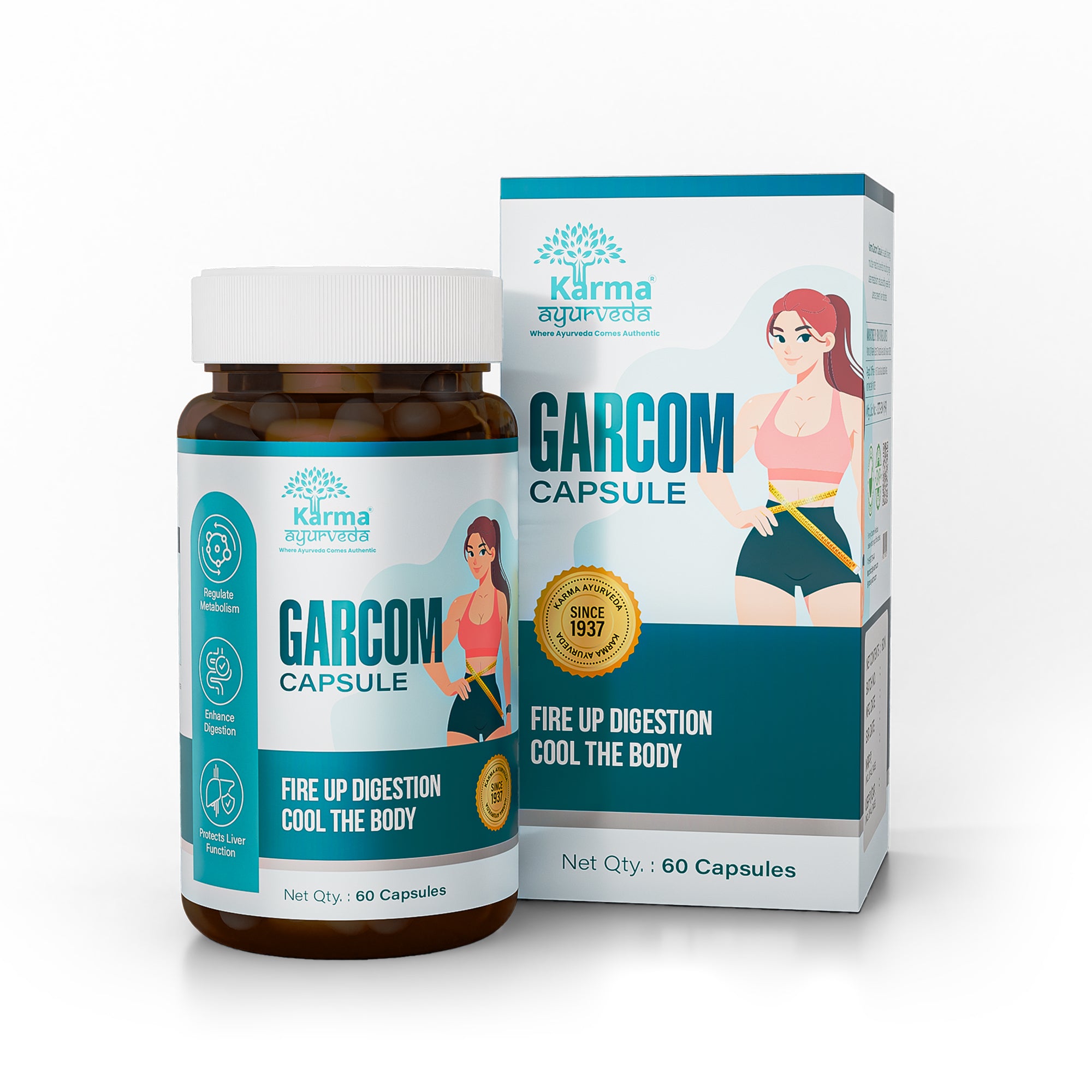
Karma Garcom Capsules contain Garcinia indica to support healthy metabolism, digestion, weight management, digestive comfort and daily wellness alongside a balanced lifestyle.
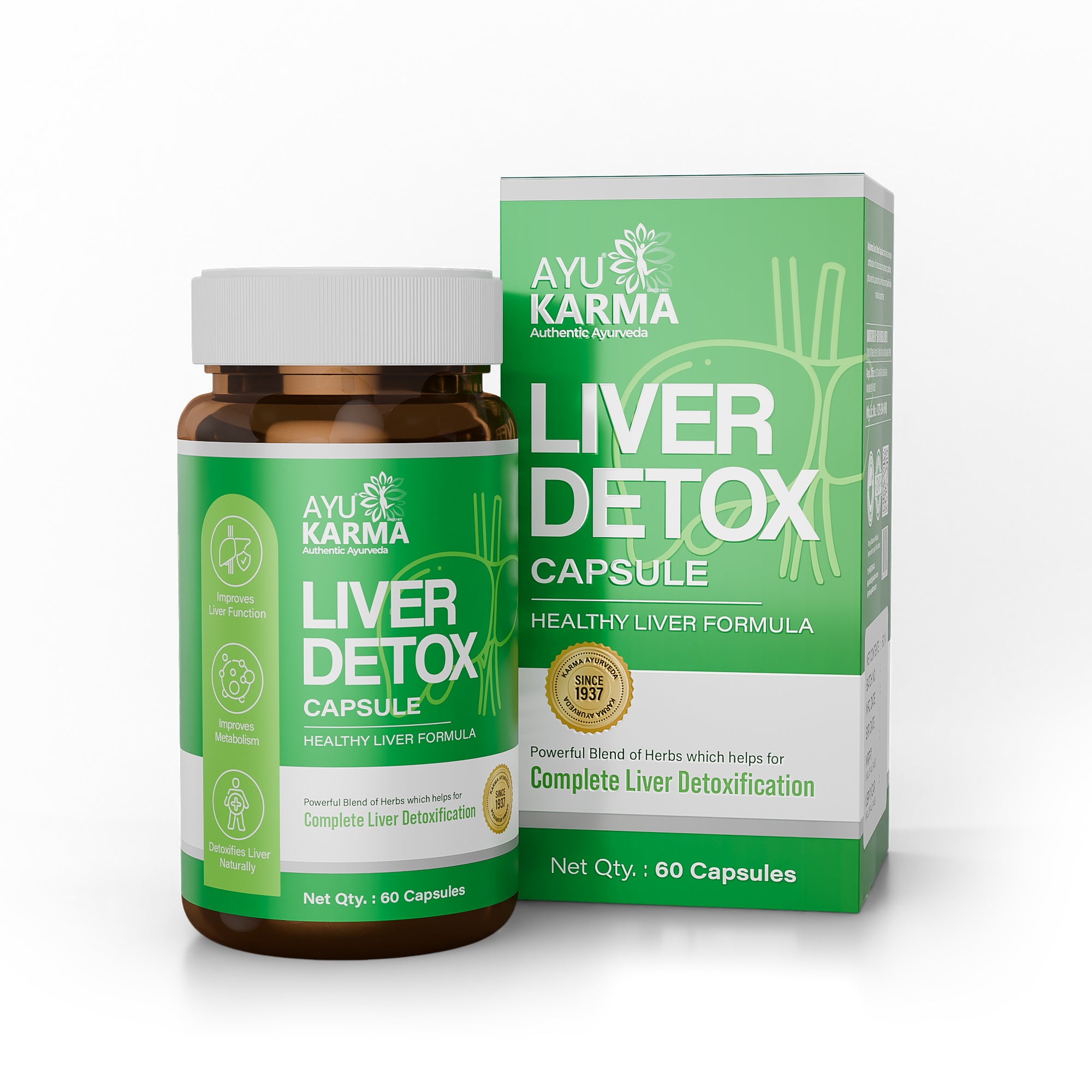
Doctor-recommended liver supplement that helps detoxify the liver, support healthy cholesterol, improve digestion & promote liver health. Developed by Dr. Puneet Dhawan with Karma Ayurveda philosophy.
Second Floor, 77, Block C, Tarun Enclave, Pitampura, New Delhi, Delhi, 110034

Certificate no- AH-2023-0186
JAN 05, 2026 - JAN 04, 2029

US FDA Reg. No.: 14568299376