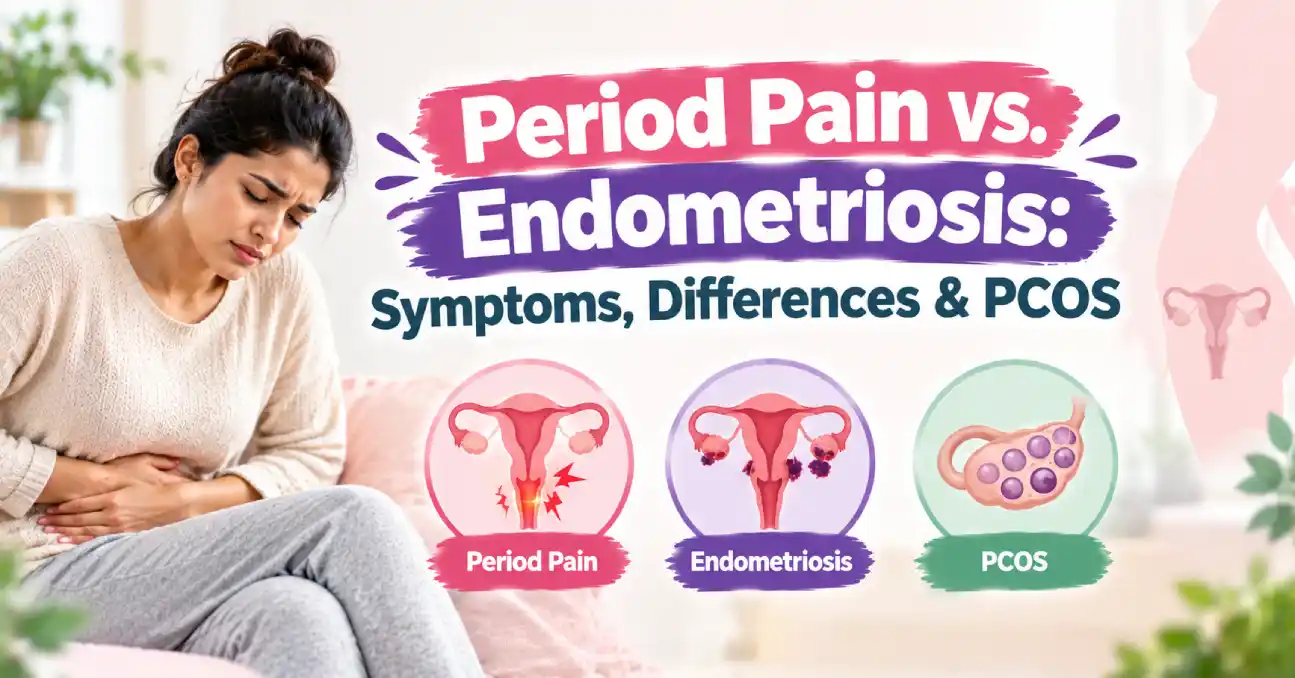
Period Pain vs. Endometriosis
It is important to note that the difference between typical period cramps and the pain of endometriosis is in their intensity and impact: ordinary period cramps are a nuisance but not a big problem, while the pain of endometriosis is usually severe, can be felt outside the cycle and may interfere with one's life activities. Endometriosis is the disease when endometrial tissue starts growing outside the uterine cavity and provokes inflammation, scarring and pain.
If you've ever cuddled with a hot water bottle in a state of confusion whether it is normal or not, this one's for you. It is absolutely normal.
Understanding Menstrual Cramps
The normal cramp that is caused by the hormonal imbalance of the body is referred to as the primary dysmenorrhea by doctors and can be understood in a simple way: it's like a rude but polite guest, who visits you at regular intervals and usually leaves soon. Usually, the following things are noted in relation to the primary dysmenorrhea:
- Pain comes day or two before the start of period or as soon as you start bleeding
- It fades within 2 to 3 days
- Heating pad, rest, and typical painkillers are usually quite useful
- You are able to do your routine things, even if you are irritated
How To Recognize It
However, endometriosis pain does not follow the rules. It is estimated that it affects 1 out of 10 women of reproductive age in the world. Nevertheless, it is known to be missed often. According to a huge global study by Nnoaham and colleagues (2011, Fertility and Sterility), women had to wait approximately 7 years on average to get a diagnosis. Seven years! You could have learned a foreign language during that time.
Watch out for:
- Pain that starts earlier and lasts longer than your regular cramps
- Pain during sexual intercourse, bowel movements and urination
- Heavy bleeding or spotting between periods
- Painkillers that do practically nothing
- Getting pregnant
According to the 2020 review by Zondervan and his collaborators in Nature Reviews Disease Primers, endometriosis is a chronic inflammatory disease. This is why pain associated with it does not only occur on the first day of the cycle but throughout the month.
Quick Comparison: Cramps vs. Endometriosis
| Normal menstrual cramps | Endometriosis | |
|---|---|---|
| Timing | Arrives, behaves, leaves | Moves in, unpacks for weeks |
| Painkillers | Ah, it's much better | So cute, no. |
| Daily life | Mildly inconvenient | Work, school and social life take a hit |
| Other symptoms | Occasional bloating | Pain during sex, digestive problems, fertility issues |
But What about PCOS and PCOD?
Now, there is a tricky point. Irregular cycles, pelvic discomfort, hormonal imbalances are also symptoms of PCOS or PCOD, which are different from endometriosis. The International PCOS Guideline (Teede et al., 2018) identifies the main signs of PCOS: irregular periods, signs of androgen excess, polycystic ovaries. Many women are interested in Ayurvedic treatment for PCOD. In short, Ayurveda evaluates digestion, stress levels, sleep, and menstrual cycle regulation.
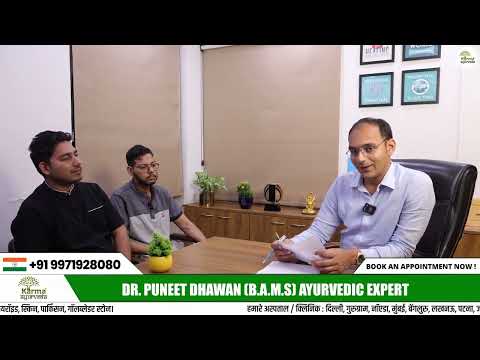
The experienced doctors, for instance, the ones working with Dr. Puneet Dhawan, emphasize that the main component of the treatment plan is the change in lifestyle; eating schedule, movement, sleep and stress reduction. In the traditional Ayurveda, there is a wide array of herbs mentioned for the treatment of PCOS, such as ashoka, shatavari and lodhra. Some scientific studies exist on the topic, but still, do not use these herbs without consulting your doctor.
When to Visit a doctor
Schedule the appointment if the pain makes you stay in bed all the time, gets worse over several months or is associated with the symptoms mentioned above. There are several methods of diagnosis, such as ultrasound scan, MRI scan or even laparoscopy in rare cases. Early answers lead to early healing.
Key Takeaways
- Normal cramps are brief and their symptoms subside with typical methods, whereas endometriosis causes much more severe pain.
- Pain during sex, gut symptoms and fertility problems are the symptoms of adenomyosis.
- Diagnosis is often delayed; therefore, trust yourself and talk about your feelings.
- The difference in the disease and other health problems
- Make sure to have the proper diagnose before choosing any treatment plan.
Conclusion
Periods might bring you some discomfort, but they cannot stop your life. If you notice that the cramps are stronger than normally, ask for medical advice. If your diagnosis reveals you have PCOS, it should be remembered that people seek to cure this condition using Ayurvedic treatment. It should be done only under the supervision of an expert, for example, Karma Ayurveda specialists in PCOD treatment. In the case of herbal treatment of PCOS, you should consult a registered expert about suitable medicines.
FAQs
Is severe period pain always endometriosis?
Not always, but if it wrecks your routine, it deserves a proper check.
Can endometriosis pain happen outside periods?
Yes, it loves showing up uninvited, even mid-cycle.
Is endometriosis the same as PCOS?
Nope, they're different conditions that just happen to share a few confusing symptoms.
How is endometriosis diagnosed?
Usually through a pelvic exam, ultrasound or MRI, and sometimes laparoscopy.
Can endometriosis affect fertility?
It can for some women, but many still conceive with the right care.
Disclaimer
This blog is for general awareness only and isn't medical advice. Everybody is different, so please consult a qualified doctor or Ayurvedic practitioner before starting any treatment, herb or supplement. Don't ignore persistent symptoms, and don't swap professional care for something you read online.