Unlocking Wellness Naturally
100% Ayurvedic Treatment

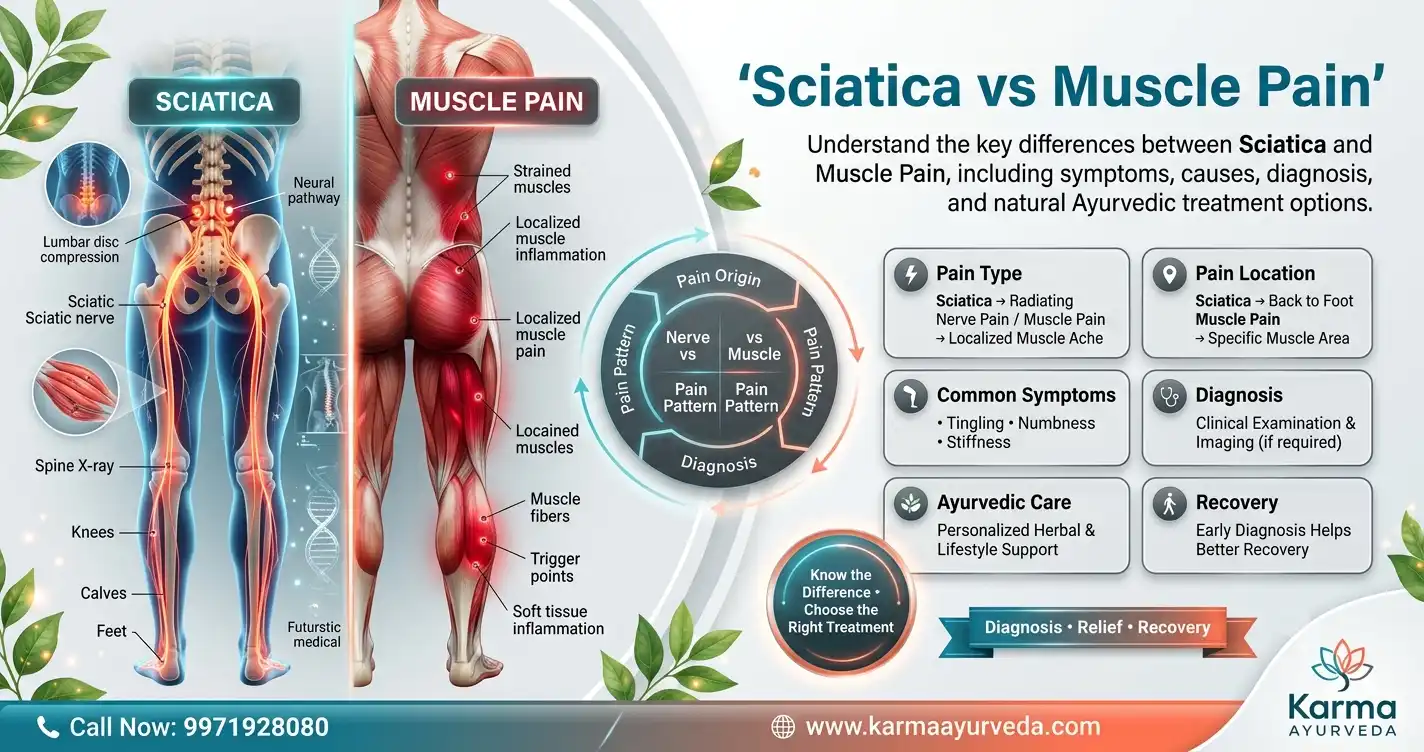
Here’s the thing: if your lower back or leg is currently screaming at you, sciatica feels like a sharp, electric lightning bolt traveling down your leg, while muscle pain feels like a dull, throbbing ache localized in one spot. Knowing the difference between Sciatica vs muscle pain is the ultimate key to fixing the problem instead of just rubbing random creams on your leg and praying for a miracle.
Let’s be honest for a second. We’ve all been there. You bend down to pick up a dropped pen, or maybe you try to show off at the gym like you're still 19, and BAM; your lower back enters the chat. You freeze, holding your breath, wondering: "Did I just strain a muscle, or am I going to be walking like a pirate for the next three weeks?"
Back and leg pain are sneaky. They like to pretend to be each other, leaving you guessing whether you should stretch it out, freeze it, heat it, or write your final will. But fear not! By the time you finish reading this guide, you’ll be able to tell whether your body is dealing with a grumpy sciatic nerve or just throwing a muscle temper tantrum.
Muscle pain; or lumbar muscle strain if we’re being fancy; is pretty straightforward. Think of your back muscles as a set of thick rubber bands supporting your spine. When you lift something awkwardly, sleep in a weird pretzel shape, or decide to move heavy furniture on a Sunday afternoon, those rubber bands get overstretched or tiny micro-tears form in the fibers.
When that happens, the body freaks out a bit. The surrounding tissue inflames, the muscle tightens up to protect itself, and you end up with localized stiffness.
Now, sciatica is a completely different beast. It isn't actually a medical condition in itself; rather, it’s a symptoms parade caused by irritation, pinch, or compression of the sciatic nerve. And the sciatic nerve isn't just any nerve; it’s the VIP of your nervous system, running all the way from your lower spine, through your hips and buttocks, and down each leg.
When a spinal disc slips (herniated disc), or bone spurs narrow the spine, they push directly onto this massive nerve. The nerve then sends frantic alarm signals all the way down its path.
You don’t just have to take my word for it; science back this up completely!
A famous clinical study published in The New England Journal of Medicine by Dr. Richard A. Deyo and colleagues highlighted that sciatic nerve pain is uniquely characterized by radicular symptoms (pain radiating below the knee), whereas mechanical low back pain (muscle strain) stays largely confined above the knee area. The study emphasized that over 90% of sciatica cases stem from a herniated disc compressing a nerve root.
Furthermore, a study in the European Spine Journal by Koes et al. looked into the diagnosis and management of sciatica, finding that while muscle strains tend to resolve on their own within 1 to 2 weeks, true sciatic pain often requires targeted therapy because nerve inflammation takes longer to settle down than simple muscle micro-tears.
To make life easy, here is a quick, painless side-by-side breakdown so you can spot the differences instantly:
When it comes to soothing back and nerve discomfort, many people look beyond simple ice packs and warm baths. Traditional systems like Ayurveda offer time-tested protocols aimed at calming aggravated nerves and relaxing tight muscle groups.
In Ayurvedic philosophy, sciatica is closely aligned with a condition called Gridhrasi. It is primarily associated with an imbalance in Vata dosha (the energy controlling movement and nerve impulses). When Vata gets out of whack; often due to poor posture, cold weather, or overexertion; it causes dryness, stiffness, and sharp pain along the nerve pathway.
If you are exploring natural remedies, incorporating an Ayurvedic treatment for Sciatica often focuses on warm, nourishing external therapies combined with gentle movement:
(Note: Always make sure to consult a qualified practitioner before starting any traditional wellness routine to ensure it fits your specific body type!)
Most back pain, whether muscle or nerve-related, improves over time. However, there are a few "red flag" symptoms where you should skip the home remedies and head straight to a healthcare professional:
If the pain shoots below your knee like an electric shock or brings numbness, it's likely sciatica; if it stays strictly in your lower back as a dull ache, it's likely a muscle strain.
Yes, a tight piriformis muscle in your buttock can pinch the underlying sciatic nerve, creating a condition known as Piriformis Syndrome which mimics true sciatica.
Applying an ice pack for the first 48 hours to reduce localized inflammation, followed by gentle walking and warm baths, is the quickest home fix for muscle strains.
Gentle application of warm herbal oils can help soothe surrounding muscle spasms and calm nerve irritation, provided you avoid rough, deep-pressure tissue manipulation directly on inflamed nerves.
This article is for informational and educational purposes only and does not constitute formal medical advice, diagnosis, or treatment. Always seek the advice of a qualified healthcare provider or doctor regarding any medical condition, back pain episode, or starting a new treatment protocol.
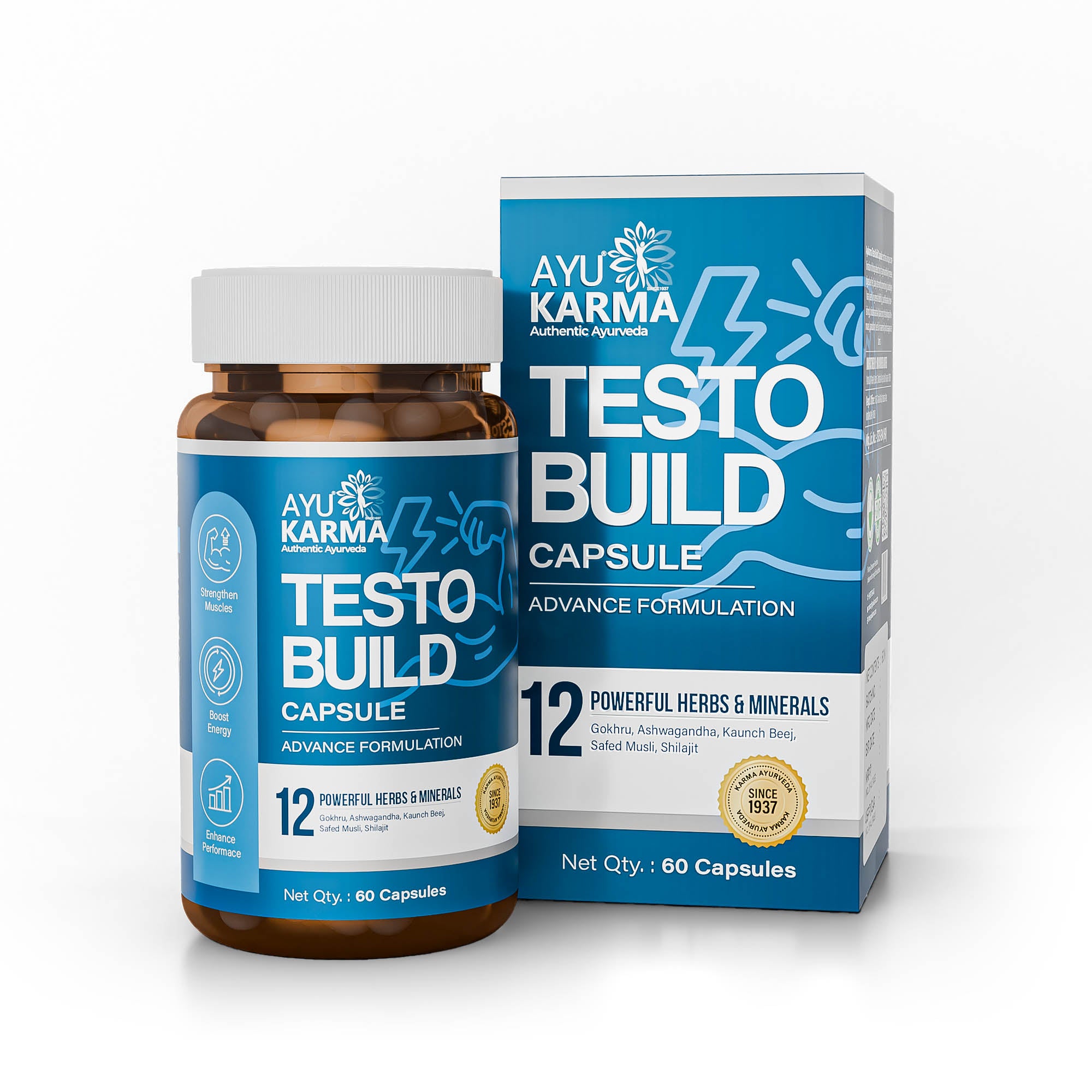
AyuKarma Testo Build Capsules combine 12 Ayurvedic herbs and minerals to support strength, energy, stamina, physical performance, nourishment and overall daily vitality.
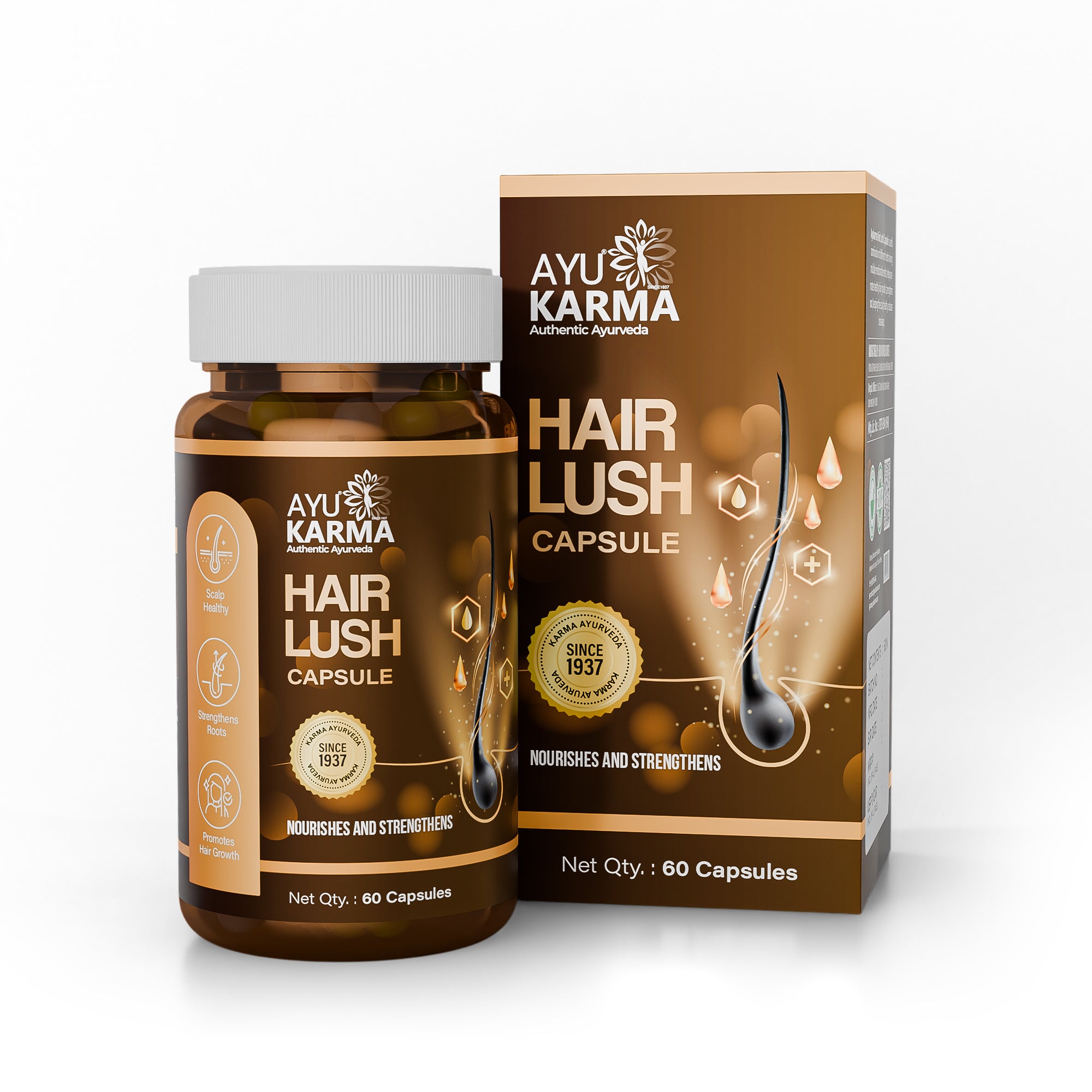
AyuKarma Hair Lush Capsules combine Ayurvedic herbs to support hair growth, reduce hair fall, strengthen roots, nourish the scalp and promote healthier-looking hair.
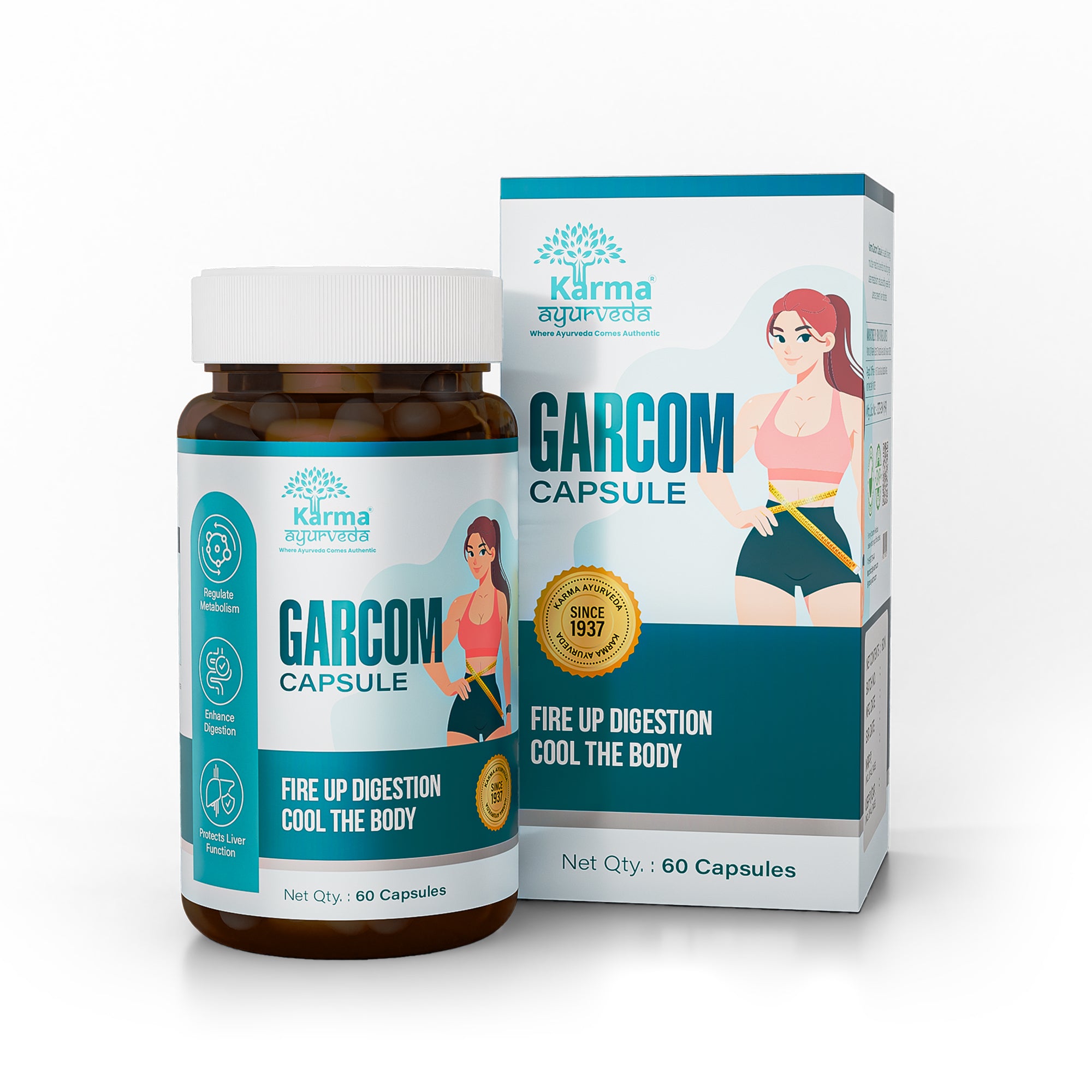
Karma Garcom Capsules contain Garcinia indica to support healthy metabolism, digestion, weight management, digestive comfort and daily wellness alongside a balanced lifestyle.
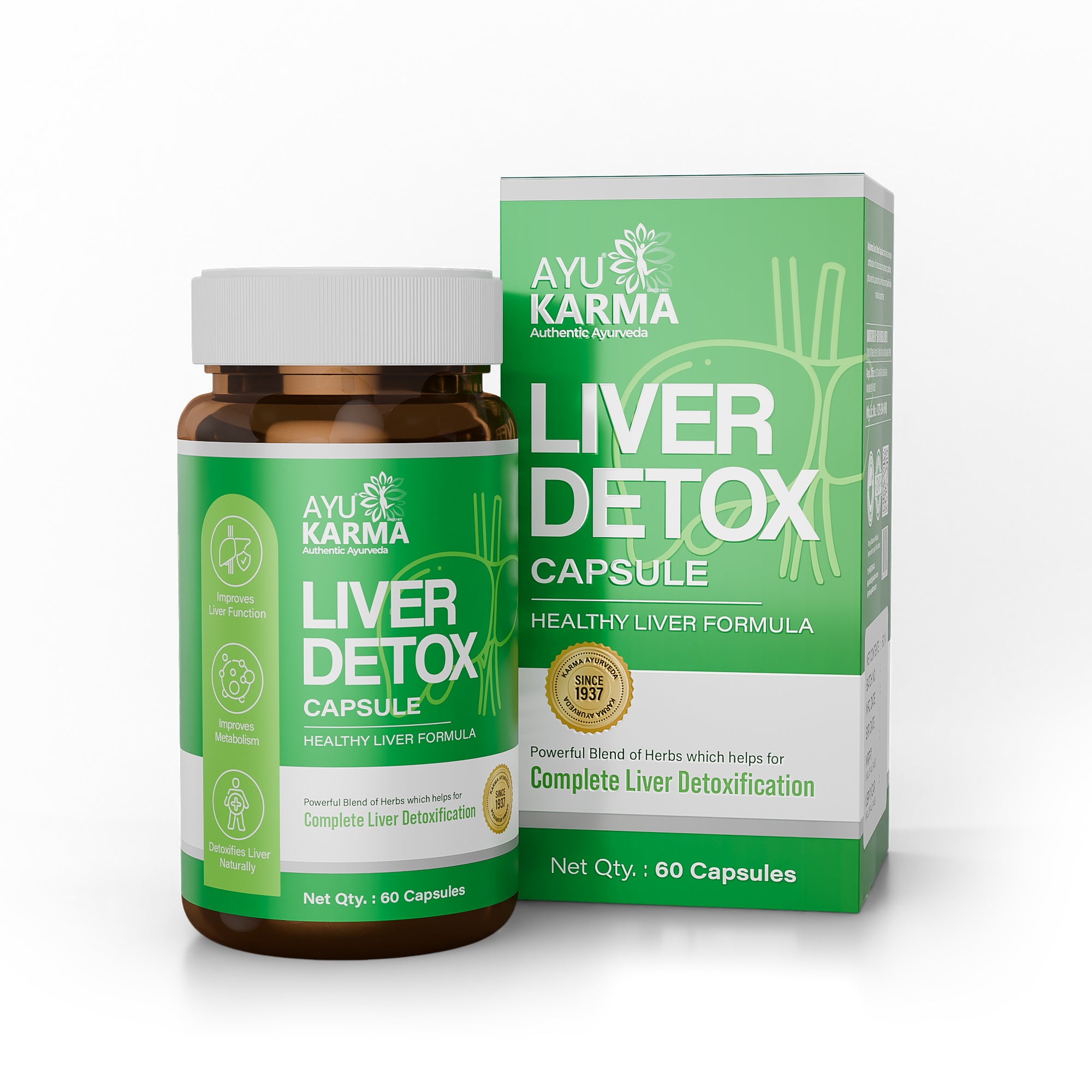
Doctor-recommended liver supplement that helps detoxify the liver, support healthy cholesterol, improve digestion & promote liver health. Developed by Dr. Puneet Dhawan with Karma Ayurveda philosophy.
Second Floor, 77, Block C, Tarun Enclave, Pitampura, New Delhi, Delhi, 110034

Certificate no- AH-2023-0186
JAN 05, 2026 - JAN 04, 2029

US FDA Reg. No.: 14568299376