Unlocking Wellness Naturally
100% Ayurvedic Treatment

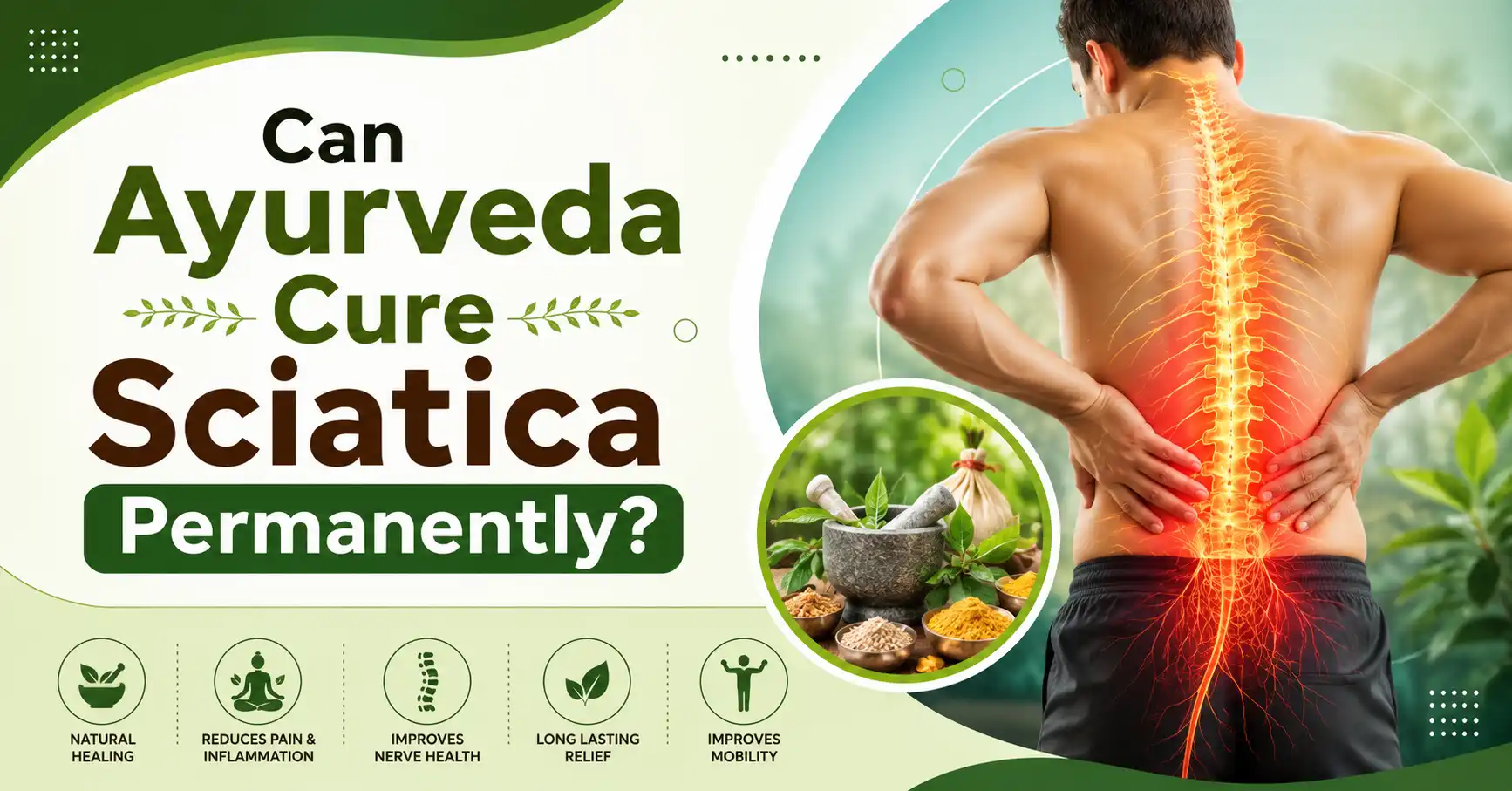
Short answer: no single treatment "cures" sciatica permanently and forever, but Ayurvedic treatment for sciatica can bring genuinely long-lasting relief when the root cause is treated, not just the pain. If someone promises you a magic pill that guarantees sciatica never comes back, that's a sales pitch, not medicine.
Now that we've gotten the honest answer out of the way, let's actually talk about what's going on down there in your lower back, why it hurts so much when you sneeze wrong, and whether Ayurveda genuinely has something useful to offer or if it's all turmeric and hope.
Sciatica is basically your body's most dramatic way of saying "something is pressing on my sciatic nerve." That nerve runs from your lower back, through your hips and buttocks, and all the way down each leg. When it gets irritated; usually because of a herniated disc, spinal stenosis, or a tight piriformis muscle throwing a tantrum; you feel that shooting, burning, "why does my leg feel like it's on fire" pain.
In Ayurveda, this exact condition has a name too: Gridhrasi. Fun fact; it's called that because the affected person's walk was said to resemble a vulture's gait ("gridhra" means vulture). Not the most flattering comparison, but Ayurvedic scholars weren't exactly worried about hurting anyone's feelings a couple thousand years ago.
Let's break the big question into two smaller, more honest ones.
Myth: Ayurveda can permanently erase sciatica overnight with one bottle of oil and a week of "detox."
Reality: Sciatica Ayurvedic treatment works on the idea that pain is a symptom of an aggravated Vata dosha, and that real, sustained relief comes from calming that aggravation, improving nerve function, reducing inflammation, and correcting posture and lifestyle habits that caused the flare-up in the first place. That's not an overnight process. It's a process; usually weeks to a few months, depending on severity.
If your sciatica is caused by something structural, like a significantly herniated disc pressing hard on a nerve root, Ayurveda can help manage the pain and improve mobility, but it isn't going to physically undo a disc herniation the way surgery might. It manages, strengthens, and often prevents recurrence; which, honestly, for a condition as stubborn as sciatica, is a pretty big win.
Here's where people usually picture someone getting oiled up like a tandoori chicken and calling it a day. There's actually a lot more structure to it.
A 2012 clinical study published in the journal AYU by Kumar, Suryawanshi, Bawankar, and Tembhurne actually looked into the effect of Panchakarma specifically for sciatica patients and found measurable improvement in pain and mobility scores after the therapy. Several other case studies published in Ayurvedic journals like Ayurline and the International Journal of Ayurveda and Pharma Research have documented similar patterns; patients showing significant improvement in walking ability and reduced pain scores (measured through tools like the Visual Analogue Scale) after structured Panchakarma protocols. That's not folklore, that's documented clinical observation.
You've probably seen the name Karma Ayurveda Hospital floating around if you've searched anything related to Ayurvedic treatment in India. And the reason names like this keep coming up isn't random; it's because Karma Ayurveda for sciatica treatment approaches the condition the traditional way: diagnosing the specific dosha imbalance behind the pain, and building a treatment plan instead of handing out a one-size-fits-all bottle of oil. Whether it's this particular hospital or any credible Ayurvedic centre, what actually matters is whether the treatment is personalised, supervised by qualified Vaidyas, and tracked over time; not just marketed with fancy before-and-after photos.
People love asking for a list, so here's a general one. Please don't just walk into a pharmacy and start popping these; Ayurvedic medicine works best when it's tailored to your specific body type and condition, not picked off a blog (yes, even this one).
These fall under what's generally considered best Ayurvedic medicines for sciatica, but "best" always depends on your specific constitution, severity, and whether there's an underlying structural issue that needs to be ruled out first with an MRI or X-ray. Ayurveda doesn't work in a vacuum; a good practitioner will still want to know what's actually going on structurally before deciding on a treatment plan.
Basically, if sciatica pain is being extremely rude to you right now and you need relief in the next hour, Ayurveda is not your instant fix. But if you're looking at the bigger picture; actually addressing why this keeps happening; that's where Ayurvedic treatment for sciatica genuinely shines.
Here's an uncomfortable truth nobody selling treatments likes to say out loud: nothing is "permanent" in the sense that your spine is now magically immune to future stress, bad posture, or that one time you decide to lift a couch by yourself because "how heavy can it be." What Ayurveda can realistically offer is long-term, sustained relief with a much lower chance of recurrence; provided you actually stick to the lifestyle and posture corrections instead of going right back to your questionable sitting habits the moment the pain disappears.
Systematic reviews on sciatica management, including one published in Clinical Spine Surgery examining conservative treatment approaches, have consistently noted that most sciatica cases improve significantly with non-surgical management over time; which lines up well with what Ayurvedic case studies have been showing for centuries in their own language and framework.
No, real relief through Ayurveda takes weeks of consistent treatment, not days; anyone promising overnight cures is exaggerating.
Yes, several clinical case studies show Panchakarma therapies like Basti and Swedana significantly reduce sciatica pain and improve mobility.
Generally yes when prescribed and monitored by a qualified Ayurvedic doctor, but self-medicating without guidance isn't a great idea.
It can help manage pain and improve function, but severe structural issues may still need medical imaging and, in some cases, surgical opinion alongside Ayurvedic care.
Gridhrasi specifically refers to pain radiating down the leg along the sciatic nerve, not just localized lower back discomfort.
This blog is for general informational purposes only and isn't a substitute for professional medical advice, diagnosis, or treatment. Always consult a qualified doctor or Ayurvedic practitioner before starting any treatment for sciatica or any other health condition.
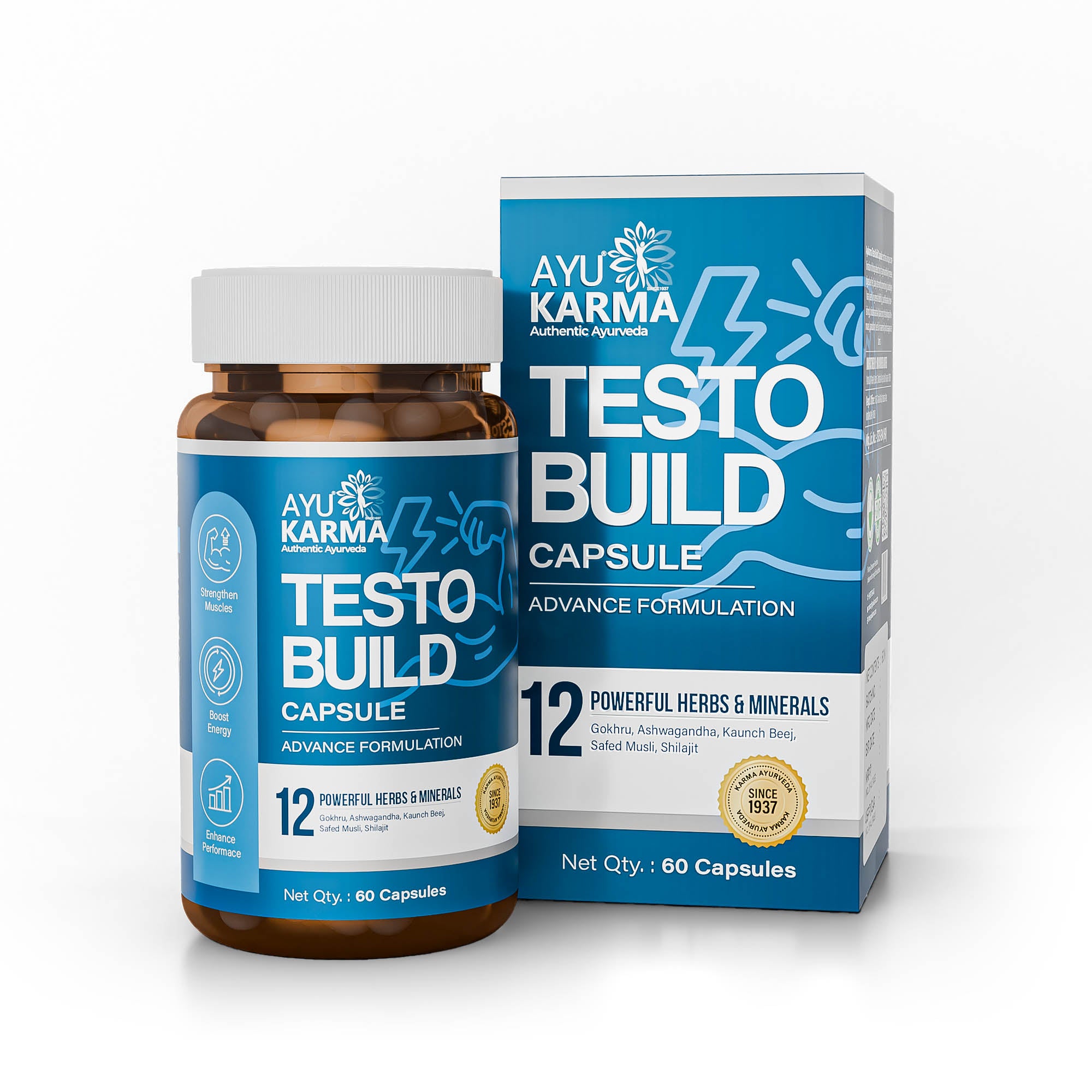
AyuKarma Testo Build Capsules combine 12 Ayurvedic herbs and minerals to support strength, energy, stamina, physical performance, nourishment and overall daily vitality.
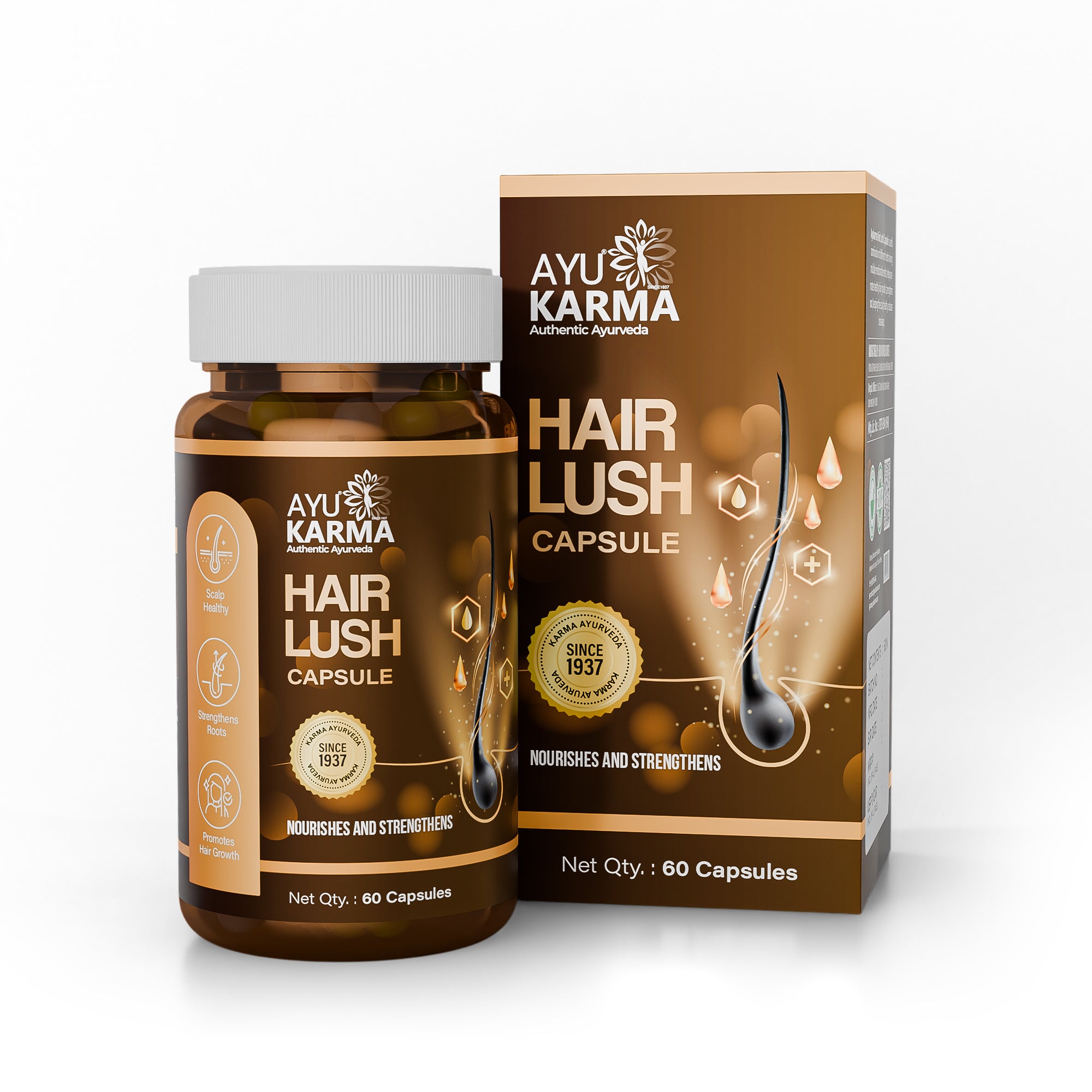
AyuKarma Hair Lush Capsules combine Ayurvedic herbs to support hair growth, reduce hair fall, strengthen roots, nourish the scalp and promote healthier-looking hair.
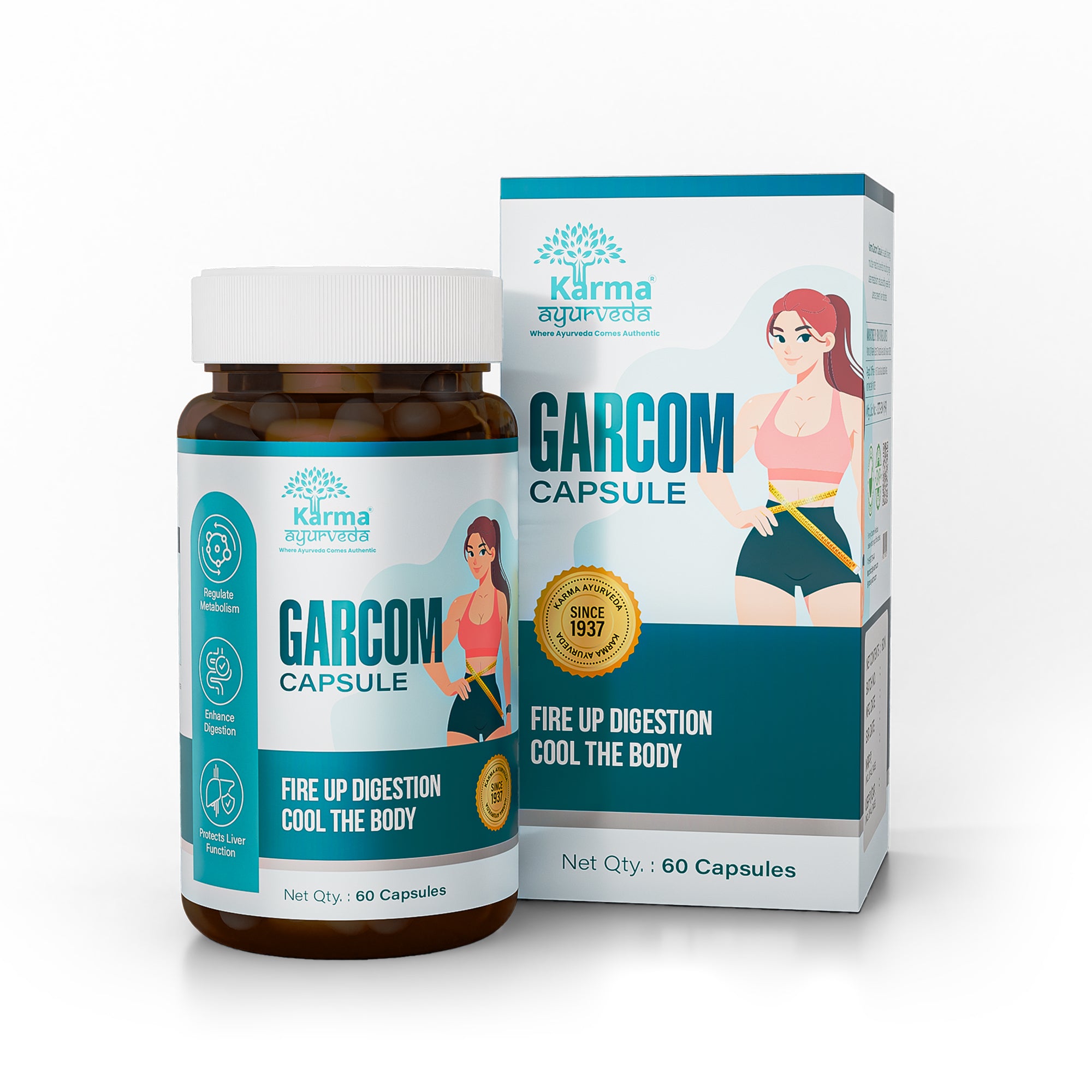
Karma Garcom Capsules contain Garcinia indica to support healthy metabolism, digestion, weight management, digestive comfort and daily wellness alongside a balanced lifestyle.
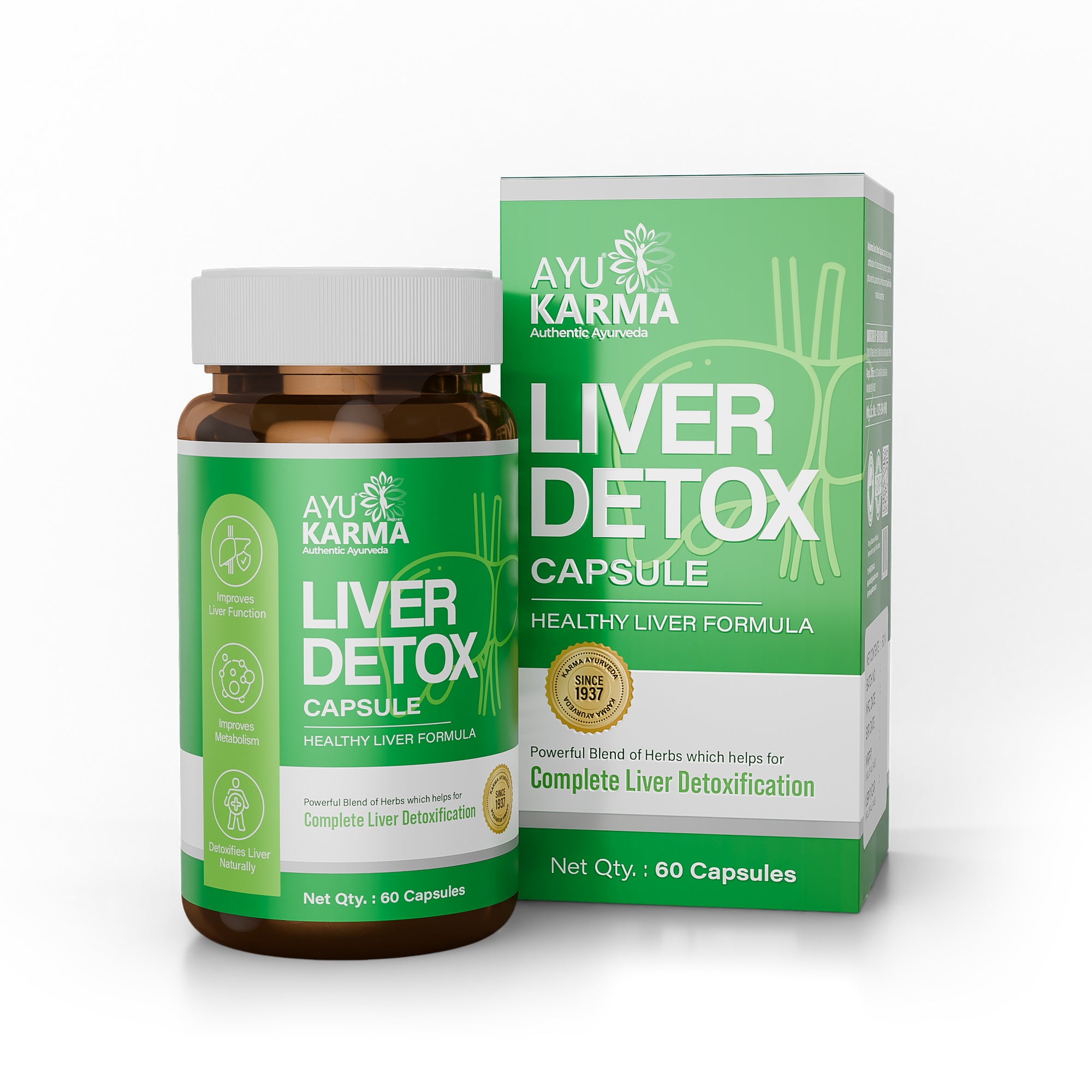
Doctor-recommended liver supplement that helps detoxify the liver, support healthy cholesterol, improve digestion & promote liver health. Developed by Dr. Puneet Dhawan with Karma Ayurveda philosophy.
Second Floor, 77, Block C, Tarun Enclave, Pitampura, New Delhi, Delhi, 110034

Certificate no- AH-2023-0186
JAN 05, 2026 - JAN 04, 2029

US FDA Reg. No.: 14568299376