What Should Kidney Patients Eat for Dinner?
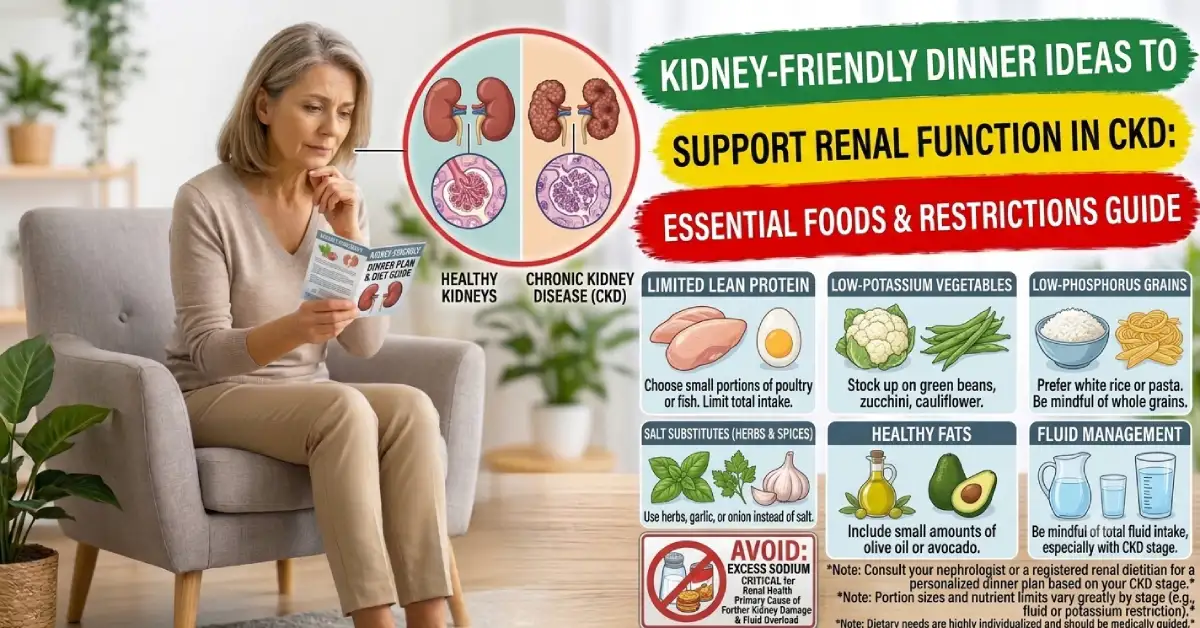
If your kidneys need looking after, dinner should be low in sodium, potassium and phosphorus, with a sensible portion of good-quality protein. A typical plate might have cauliflower or zucchini, some apple or berries on the side, a lean protein like white-meat poultry or egg whites, and a drizzle of olive oil.
By the time dinner rolls around, most of us just want to sit down and stop thinking. But if you're managing kidney disease, standing in front of an open fridge can feel like a quiz. Is the carrot okay? What about the spinach? Honestly, who knows anymore.
The good news is that looking after your kidneys doesn't mean eating bland, sad food. A few small changes can give you a dinner you actually enjoy and that doesn't put extra strain on your kidneys.
Why Dinner Needs a Little Planning
Picture your kidneys as two small dishwashers that never get a day off. When they're already struggling, a heavy late meal full of salt, potassium and phosphorus is like dumping greasy roasting pans into a clogged sink at 9 PM. It only makes things worse.
Keeping dinner lighter makes a real difference. The right dinner for kidney patients can help reduce fluid buildup overnight and cut down on the waste your body has to deal with while you sleep.
The Big Three to Watch
Sodium. It makes your body hold onto water, and too much of it pushes your blood pressure up.
Potassium. Your muscles need it, but when blood levels climb too high, your heart can pay the price.
Phosphorus. If your body can't clear the extra, it can slowly pull calcium out of your bones.
A review in the American Journal of Nephrology (2020) reported that plant-heavy, lower-protein diets cut down metabolic complications in later-stage kidney disease. So leaning toward lighter, plant-based dinners has actual research behind it, not just internet wellness talk.
What a Good Dinner Plate Looks Like
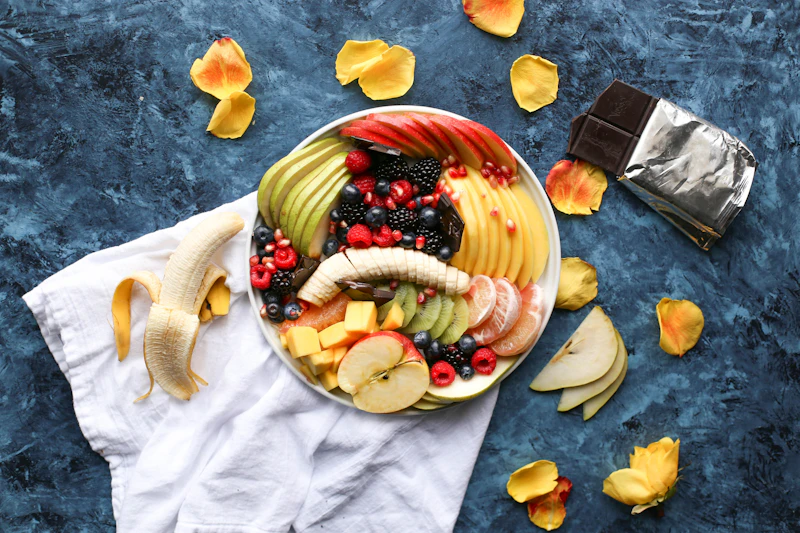
When you're working out the best foods for kidney patients, think color, crunch and comfort, minus the hidden salt. Here are some ideas that should keep both you and your doctor happy.
Cauliflower everything. It's the most adaptable vegetable around. Mash it, rice it, or roast it with garlic and herbs. It works every time.
Red bell peppers. They're low in potassium, high in vitamin C, and they bring colour and crunch to a stir-fry.
Cabbage wrap tacos. Skip the salty tortilla shells and fill crisp cabbage leaves with seasoned minced turkey or sautéed veggies. They're filling and a lot lighter.
Egg white omelet with zucchini. Breakfast for dinner works fine here. Egg whites are a clean, high-quality protein without much phosphorus.
Holistic Approaches and Natural Support
Plenty of people look at integrative options alongside their regular treatment. Natural kidney disease treatment usually means a mix of a tailored diet, herbal therapy and stress management, folded into one routine.
Practitioners such as Dr. Puneet Dhawan, a familiar name at Karma Ayurveda for kidney disease treatment, tend to pair traditional herbal formulas with strict dietary changes. These plans often include the best herbs for kidney disease, such as Punarnava, Varun and Gokshura, which have long been used to support fluid balance and normal urinary function.
These routes can offer useful complementary support, but check with your nephrologist before you add any herbal supplement. Herbs are real medicine with real effects, so they need the same care as anything else you take.
Easy Cooking Tricks for the Evening
You don't need culinary training to cook for sensitive kidneys. A few simple habits go a long way.
The double-boil trick for veggies. If you want potatoes or dark leafy greens now and then, peel and chop them, boil in plenty of water, drain, and boil again. This is called leaching, and it pulls out some of the potassium.
Herbs over the salt shaker. Put the table salt away and use garlic powder, onion flakes, lemon juice, rosemary or thyme. The food still tastes lively, and your blood vessels get a break.
Smart fluid control. If you have a fluid limit, remember that soup, stew, ice cream and gelatin all count. Stick with stir-fries or baked dishes for late meals.
A study in the Journal of Renal Nutrition (2018) found that teaching patients to cook with herbs instead of salt improved their blood pressure control and lowered markers of fluid retention in people with chronic kidney problems.
What About Medications and Supplements?
People often ask about the best medicines for kidneys, hoping for one pill that sorts everything out. There isn't one. Doctors usually rely on targeted treatments like ACE inhibitors, ARBs and SGLT2 inhibitors, which ease the load on blood vessels and slow damage to kidney cells.
The same goes for food. Finding the best foods for kidney patients depends on your own blood work. What suits your neighbour may not suit your potassium or creatinine levels at all.
Key Takeaways
Prioritize low sodium. Hide the salt shaker and use herbs, citrus and garlic for flavour.
Watch the big three. Keep potassium, phosphorus and sodium within the targets your doctor gave you.
Light protein choices. Stick to moderate portions of egg whites, fish or white poultry at dinner.
Leach high-potassium veggies. Double-boil them if you want to enjoy higher-potassium produce once in a while.
Consult the experts. Whether it's the best medicines for kidneys or a holistic plan from a centre like Karma Ayurveda for kidney disease treatment led by Dr. Puneet Dhawan, keep your main healthcare team in the loop.
Frequently Asked Questions
Can I eat rice for dinner if I have kidney issues?
Yes. White rice is generally low in potassium and phosphorus, so it's an easy, gentle choice for the evening.
Are tomatoes safe to eat at dinner?
Tomatoes are high in potassium, so limit them strictly or swap in something lower, like red bell peppers.
Can natural kidney disease treatment completely replace my prescribed medications?
No. Integrative approaches and the best herbs for kidney disease should support your prescribed treatment, not replace it, and only under expert supervision.
Is chicken a good protein for dinner?
Skinless chicken breast is lean and lower in phosphorus than processed meats, so it's a solid choice in moderate portions.
Disclaimer
This blog is for information and education only. It isn't medical advice, diagnosis or treatment. Talk to your doctor, nephrologist or a qualified renal dietitian before making major changes to your diet, lifestyle or treatment.