Unlocking Wellness Naturally
100% Ayurvedic Treatment

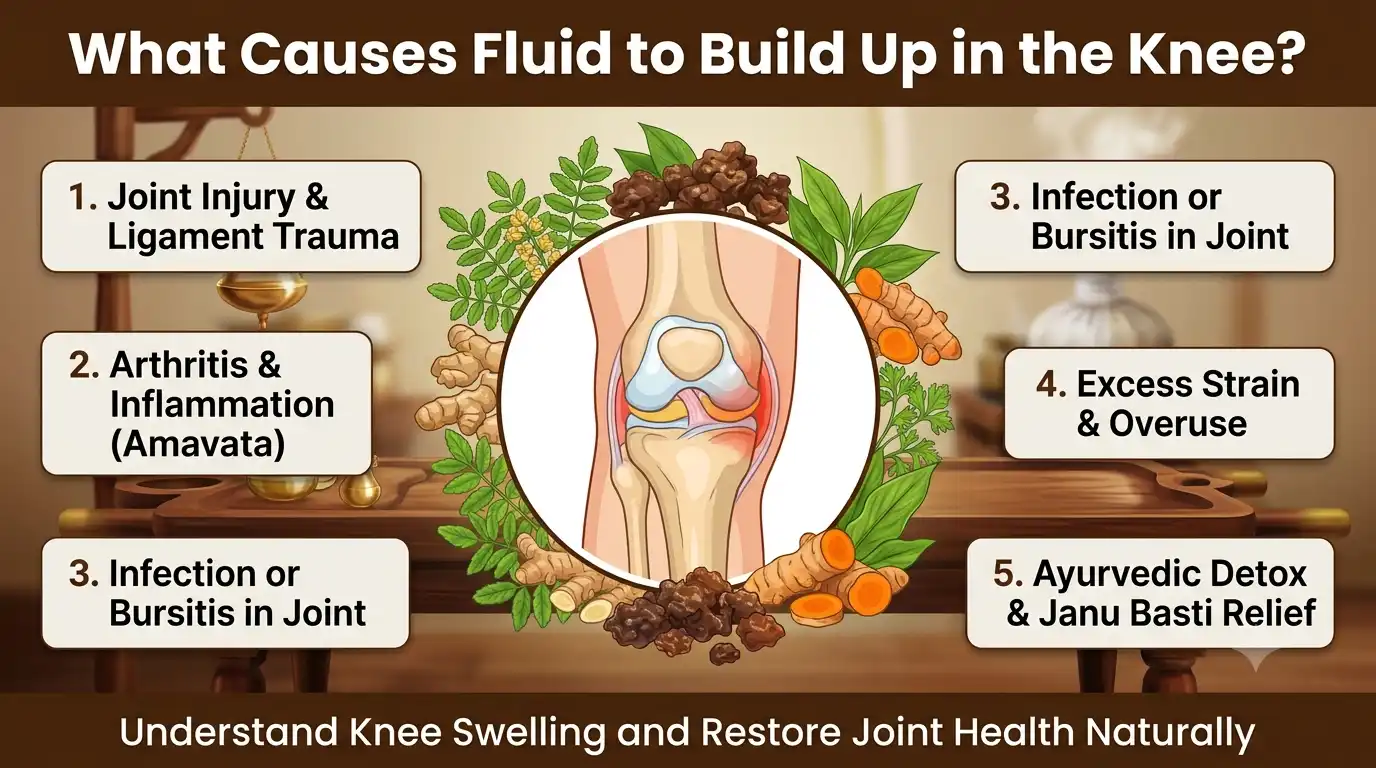
Fluid can build up in the knee when the joint becomes irritated or inflamed, often because of osteoarthritis, an injury, gout, infection, or another joint condition. In simple words, the knee produces extra fluid as part of its response to something going wrong inside or around the joint.
And yes, that annoying feeling of a knee that suddenly looks a little “puffy” has a medical name: knee effusion. Some people casually call it “water in the knee,” although it isn't simply water sitting there like someone forgot to drain the bathtub.
What exactly is this fluid?
Your knee naturally contains a small amount of synovial fluid. Think of it as the joint's built-in lubricant. It helps the bones move smoothly and reduces friction when you walk, bend, climb stairs or perform your daily activities.
The problem starts when the joint becomes irritated.
The lining of the joint, called the synovium, may produce more fluid than usual. Blood vessels around the area can also become more permeable during inflammation. The result can be swelling, stiffness, heaviness and sometimes pain.
Doctors refer to this excess fluid as a joint effusion.
A swollen knee can happen because of trauma, overuse, arthritis, gout, infection and several other conditions.
There isn't one universal culprit. Your knee may be swollen because of something as straightforward as an injury or something that needs more careful investigation.
Here are the common causes.
1. Osteoarthritis
Knee osteoarthritis is one of the common reasons for swelling and discomfort, particularly as the joint undergoes gradual structural changes.
With osteoarthritis, cartilage becomes thinner and the tissues inside the joint can become irritated. This irritation may involve synovitis, or inflammation of the joint lining, which can contribute to excess fluid.
Interestingly, research has made it clear that osteoarthritis isn't simply a story of “cartilage wearing away.” Inflammation can also play an important role.
A systematic review published in Osteoarthritis and Cartilage looked at 37 studies and found moderate evidence linking synovitis with knee pain, although the relationship between effusion alone and pain was less consistent.
So, if someone says, “My X-ray shows arthritis, but why is my knee swollen today?”—there can be more going on than cartilage changes alone.
2. Knee injuries
A sudden twist, fall, awkward landing or sports injury can make the knee swell.
Common examples include:
Sometimes the swelling appears fairly quickly after an injury. In other cases, it gradually becomes noticeable over the following hours.
Mayo Clinic lists ligament tears, meniscus injuries, fractures and overuse among causes of excess fluid around the knee.
If your knee became swollen after a memorable “I definitely should not have tried that” moment, the timing itself is useful information for a doctor.
3. Gout
Gout isn't limited to the big toe.
Uric acid crystals can accumulate inside a joint and trigger an intense inflammatory reaction. The knee can become swollen, painful, warm and sometimes extremely tender.
During an acute attack, even moving the joint slightly can feel like an unreasonable amount of drama for one knee.
Gout occurs when uric acid levels become high enough for crystals to form in joints, triggering inflammation and swelling.
4. Pseudogout
Pseudogout can look quite similar to gout, but the crystals involved are different.
Instead of uric acid crystals, calcium pyrophosphate crystals accumulate in the joint.
The knee is actually one of the most commonly affected joints in pseudogout.
This distinction matters because similar-looking swelling doesn't necessarily mean the underlying cause is the same.
5. Rheumatoid arthritis and other inflammatory conditions
Some autoimmune and inflammatory disorders can affect the knee.
Rheumatoid arthritis, for example, can cause inflammation of the joint lining, resulting in swelling, stiffness and discomfort.
Unlike a straightforward injury, inflammatory arthritis may affect more than one joint and can have periods when symptoms become more noticeable.
That's one reason recurring swelling shouldn't simply be brushed off as “getting older.”
6. Infection inside the joint
This is one cause you shouldn't ignore.
A bacterial infection can enter a joint and cause septic arthritis. The knee may become:
Fever may also occur.
Septic arthritis can damage joint cartilage quickly, so sudden severe swelling accompanied by fever or a hot, intensely painful joint requires prompt medical attention.
7. Bursitis or cysts
Not every lump or swelling around the knee means fluid has accumulated inside the main joint.
Bursitis involves inflammation of a bursa, a small fluid-filled sac that helps tissues move smoothly over one another.
A Baker's cyst, meanwhile, is a fluid-filled swelling behind the knee that can occur alongside conditions such as osteoarthritis or inflammatory arthritis.
So location matters. Front of the knee, behind the knee and inside the joint aren't necessarily telling the same story.
Not necessarily.
Some people notice obvious swelling with relatively little pain, while others experience considerable discomfort.
Research also suggests that the relationship between visible or imaging-detected inflammation and pain isn't perfectly straightforward.
A 2016 meta-analysis found that ultrasound-detected effusion and synovial abnormalities were more common among people with knee osteoarthritis or knee pain than in asymptomatic populations.
Another study using data from the Osteoarthritis Initiative found that greater joint effusion was independently associated with weight-bearing knee pain.
In other words, swelling can matter—but the size of the swelling doesn't always tell you exactly how much pain someone should have.
Bodies, as usual, refuse to follow a neat spreadsheet.
Depending on the underlying cause, you may notice:
A swollen joint can also make normal movements feel strangely restricted because there simply isn't as much comfortable room for movement.
The first step is usually a physical examination and a discussion about your symptoms.
Your doctor may want to know:
Depending on the situation, investigations may include:
Joint aspiration can sometimes be particularly helpful because a sample of the fluid can be examined for infection, crystals, blood and other clues about what's happening inside the joint.
What the test may tell you
The list isn't a diagnosis—it is simply a reminder that “fluid in the knee” is a symptom, not a single disease.
The right approach depends on why the fluid accumulated in the first place.
For example, treatment for a ligament injury won't be identical to management of gout, infection or osteoarthritis.
For recurring discomfort associated with degenerative or inflammatory joint problems, people often explore lifestyle changes, physiotherapy, weight management, appropriate exercise and complementary approaches alongside medical guidance.
If you're considering Ayurvedic treatment for knee pain, it's sensible to first understand what is causing the swelling rather than treating every swollen knee exactly the same way.
Similarly, anyone searching for a Natural treatment for knee should remember that “natural” doesn't automatically mean suitable for every person or every diagnosis.
Ayurvedic approaches may focus on factors such as movement, diet, daily routine and traditional herbal preparations depending on the individual's symptoms and assessment.
People exploring Natural knee pain treatment may also come across practitioners such as Dr. Puneet Dhawan and approaches associated with Karma Ayurveda for knee pain treatment.
However, persistent swelling deserves proper assessment first. Traditional approaches should not be used as a substitute for urgent care when infection, major injury or another serious condition is suspected.
When people search online for the best medicines for knee pain or the best herbs for knee issues, there is an important catch: there isn't one “best” option for every swollen knee. The cause, other medicines, age, medical history and severity all matter.
Quite a lot, actually.
A prospective observational study involving 100 people with knee osteoarthritis compared patients with and without joint effusion. Researchers found differences in inflammatory markers and synovial fluid characteristics, supporting the idea that inflammation can be an important part of osteoarthritis rather than merely a side character.
Another study from the Osteoarthritis Initiative found that synovitis and effusion were associated with the development of radiographic osteoarthritis over time.
More recent research continues to investigate synovial inflammation as an important feature of knee osteoarthritis, including how it may relate to structural changes and symptoms.
So, when a knee becomes swollen, the question shouldn't simply be, “How do I get rid of the fluid?”
A better question is:
“Why is my knee producing extra fluid in the first place?”
That question gets you much closer to the real issue.
Don't wait around hoping the swelling will politely introduce itself and then disappear if you have:
In particular, fever + a hot, swollen and painful knee can indicate joint infection and needs urgent medical assessment.
Fluid buildup in the knee can happen for many reasons, from osteoarthritis and overuse to ligament injuries, gout, inflammatory arthritis or infection.
The swelling itself is usually a sign that something has irritated the joint—not a diagnosis by itself.
If knee swelling keeps returning, don't just keep treating the puffiness and hoping for the best. Finding the underlying cause is the more useful first step.
For people considering Ayurvedic treatment for knee pain, the same principle applies: understand the condition first, then discuss an appropriate approach with a qualified professional. A thoughtful Natural knee pain treatment plan should fit the person, not just the symptom.
And if you're researching Karma Ayurveda for knee pain treatment, Dr. Puneet Dhawan, or traditional options involving the best herbs for knee issues, make sure your search is guided by an accurate understanding of what's actually causing your knee problem.
This article is intended for general educational purposes and does not replace medical diagnosis or treatment. Knee swelling can have several causes, including conditions requiring urgent care. If swelling is severe, sudden, recurrent, associated with fever, redness or significant injury, consult a qualified healthcare professional for appropriate evaluation.
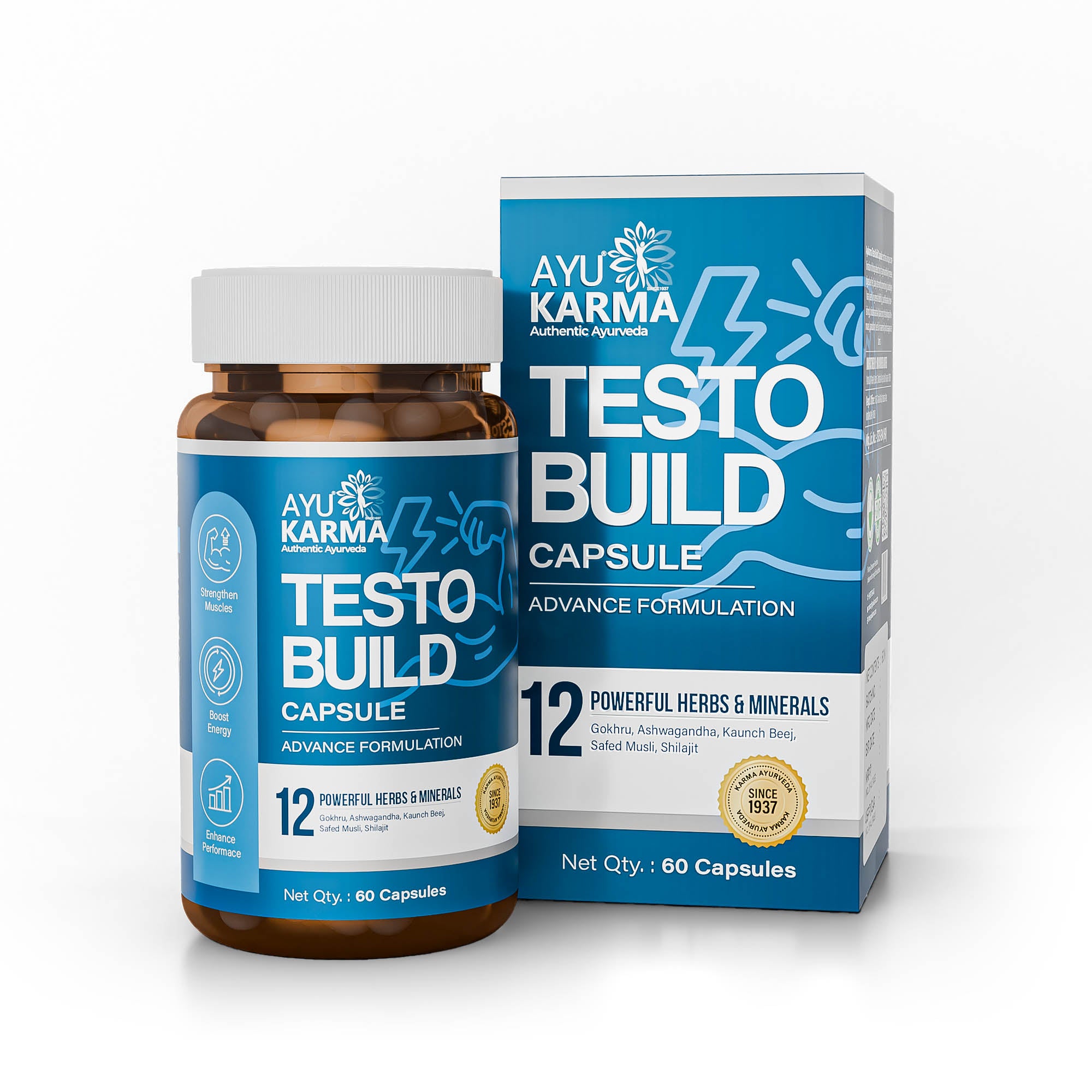
AyuKarma Testo Build Capsules combine 12 Ayurvedic herbs and minerals to support strength, energy, stamina, physical performance, nourishment and overall daily vitality.

AyuKarma Hair Lush Capsules combine Ayurvedic herbs to support hair growth, reduce hair fall, strengthen roots, nourish the scalp and promote healthier-looking hair.
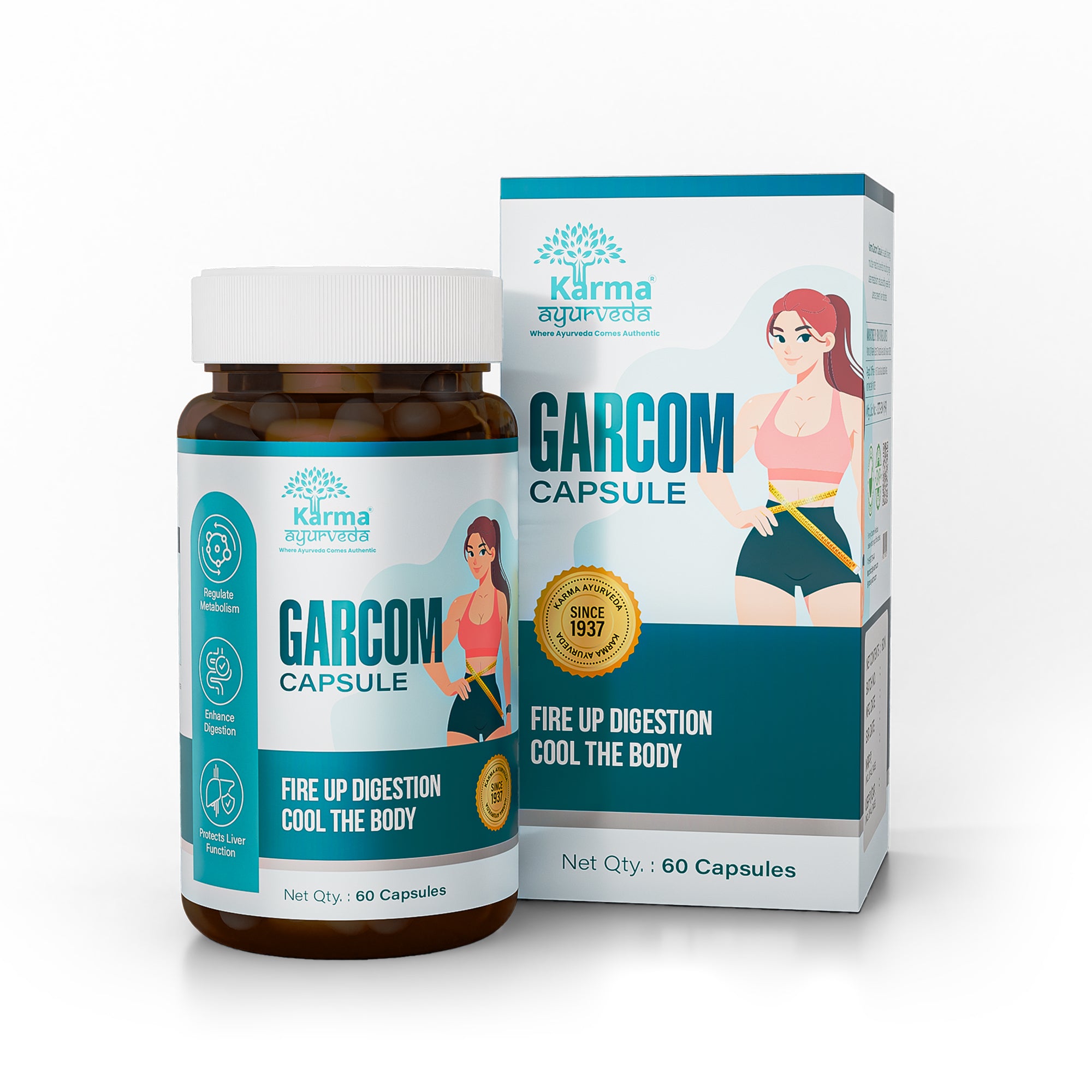
Karma Garcom Capsules contain Garcinia indica to support healthy metabolism, digestion, weight management, digestive comfort and daily wellness alongside a balanced lifestyle.
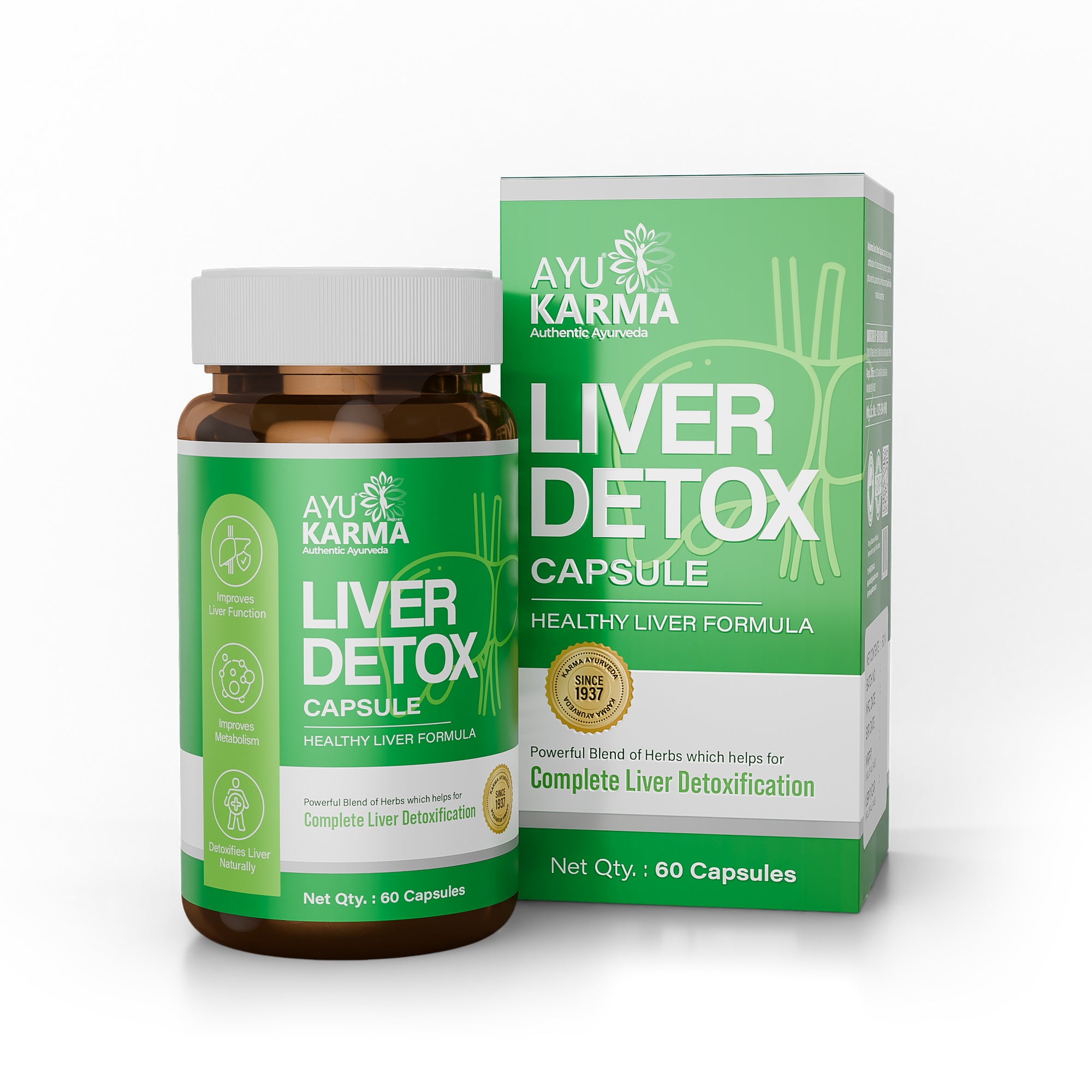
Doctor-recommended liver supplement that helps detoxify the liver, support healthy cholesterol, improve digestion & promote liver health. Developed by Dr. Puneet Dhawan with Karma Ayurveda philosophy.
Second Floor, 77, Block C, Tarun Enclave, Pitampura, New Delhi, Delhi, 110034

Certificate no- AH-2023-0186
JAN 05, 2026 - JAN 04, 2029

US FDA Reg. No.: 14568299376