Unlocking Wellness Naturally
100% Ayurvedic Treatment

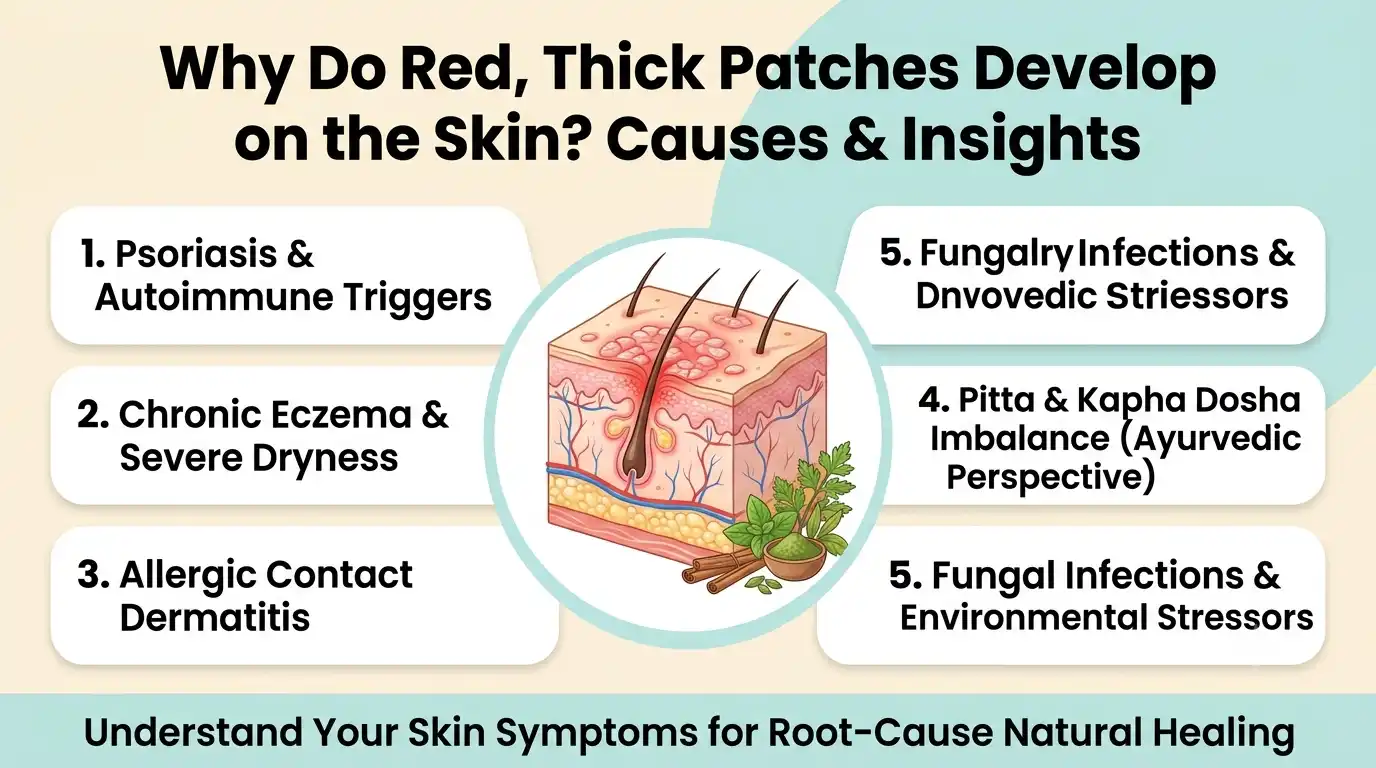
Red, thick patches can develop because of several conditions, including psoriasis, eczema, contact dermatitis, fungal infections, or repeated scratching and irritation. The appearance may look similar, but the underlying reason can be quite different.
That is why a red patch on the elbow is not automatically psoriasis, and a scaly patch does not always mean your skin has suddenly declared war on you. Location, texture, itching, scaling, duration and other symptoms all matter when figuring out what is happening.
Healthy skin is constantly renewing itself. Old cells gradually shed while new ones take their place. When inflammation, irritation, infection or an abnormal immune response interferes with this process, the skin can become red, swollen, dry, scaly or thickened.
Sometimes the redness comes from increased blood flow during inflammation. The thickening may happen because skin cells are multiplying more rapidly, or because repeated rubbing and scratching causes the outer layer to become thicker.
This is why two people can both say, “I have a red patch,” while actually dealing with completely different conditions.
Some common possibilities include:
So, appearance gives us a clue, but it does not give us the whole answer.
When patches are raised, clearly defined, thick and covered with dry or silvery-white scales, psoriasis becomes one possibility worth considering.
Plaque psoriasis is the most common form of the condition. The American Academy of Dermatology notes that around 80–90% of people with psoriasis have this form, with plaques commonly appearing on the elbows, knees, scalp and lower back. They can also appear elsewhere.
Why does the skin become thick?
In psoriasis, the immune system plays an important role in driving inflammation and speeding up the production of skin cells. Instead of taking weeks to move through the normal skin-renewal process, cells can accumulate much more quickly, producing those familiar raised plaques.
Research has identified the IL-23/IL-17 pathway as a central part of psoriasis biology. The review “Pathophysiology of psoriasis: recent advances on IL-23 and Th17 cytokines” explains how these immune signals can stimulate inflammation and excessive growth of skin cells.
A more recent review, “Interleukin-17 and Interleukin-23: A Narrative Review of Mechanisms of Action in Psoriasis and Associated Comorbidities,” similarly describes the importance of this pathway in the inflammatory process.
In simple language: the immune system sends too many inflammatory messages, and the skin starts behaving like it has been given an unnecessarily ambitious production deadline.
This is an important distinction.
A patch that is red, itchy and thick can belong to several different conditions. Treating everything that looks vaguely similar as psoriasis can sometimes make matters worse.
Eczema
Atopic dermatitis, commonly called eczema, can cause dry, inflamed, itchy and irritated skin. Scratching over time can also make affected areas thicker.
The itching can be particularly troublesome, creating an annoying cycle:
Itch → scratch → irritation → more itching → more scratching.
A systematic review and network meta-analysis published in “Topical treatments for atopic dermatitis (eczema): Systematic review and network meta-analysis of randomized trials” examined 219 trials involving more than 43,000 participants, showing how extensively eczema treatments have been studied.
Contact Dermatitis
Sometimes the culprit is much closer to home; or sitting in your bathroom.
Soaps, detergents, fragrances, cosmetics, metals, hair products and other substances can irritate the skin or trigger an allergic reaction.
A review titled “Allergic contact dermatitis: From pathophysiology to development of new preventive strategies” explains that allergic contact dermatitis can cause redness, itching, swelling and skin lesions, with avoiding the responsible allergen being an important part of management.
Another review, “Environmental Causes of Dermatitis,” notes that irritant and allergic contact dermatitis together account for a large proportion of environmental dermatitis and that the location of the rash can provide clues about the trigger.
For example, if a rash repeatedly appears exactly where a watch strap, belt buckle, cosmetic or cleaning product touches the skin, that little geographical coincidence is worth paying attention to.
Fungal Infection
Fungal infections can also produce red, scaly patches. Ringworm, or tinea corporis, often produces circular or oval patches with a more active, raised edge.
The scientific review “Tinea corporis: an updated review” describes these lesions as sharply circumscribed, scaly patches or plaques that can sometimes be mistaken for other skin disorders. Diagnosis may require examination or testing of skin scrapings.
This is one reason randomly applying steroid creams to an unexplained rash is not always a good idea. Some fungal infections can become harder to recognize or worsen after inappropriate steroid use.
Redness usually tells us that inflammation is present, but thickness can develop for several reasons.
One is accelerated skin-cell production, as seen in psoriasis.
Another is repeated scratching or rubbing.
When an area is scratched again and again, the skin can become leathery, thicker and more pronounced. This condition is known as lichen simplex chronicus.
The systematic review “A systematic review of evidence based treatments for lichen simplex chronicus” describes it as thickened skin resulting from repeated rubbing or scratching.
This explains something many people notice: the more they scratch because the patch itches, the thicker and rougher it seems to become.
In other words, sometimes the hand trying to help the skin is actually making the situation considerably less helpful.
There is no single trigger because the underlying condition matters.
Potential triggers include:
In psoriasis specifically, infections, skin injury and certain medicines can sometimes trigger or aggravate flares. Research into psoriasis also shows an interaction between genetic susceptibility, immune pathways and environmental factors.
That does not mean every flare has an obvious trigger. Sometimes the skin simply refuses to provide a helpful explanation.
They can overlap, so a dermatologist may need to examine the skin carefully. Still, some broad differences can offer clues.
Psoriasis
Eczema
Contact dermatitis
Fungal infection
Lichen simplex
These are clues, not a home diagnosis. Skin conditions can overlap, and even experienced clinicians sometimes need tests to tell them apart.
First, resist the urge to attack it with every cream currently living in your bathroom cabinet.
Instead, pay attention to the patch.
Ask yourself:
These details can be surprisingly useful when discussing the problem with a dermatologist.
If a suspected allergic contact reaction keeps returning, patch testing may help identify the responsible allergen. The review “Contact dermatitis and patch testing for the allergist” describes patch testing as the standard diagnostic approach for allergic contact dermatitis.
They can certainly influence how comfortable your skin feels, although lifestyle changes should not be treated as a universal cure for inflammatory or infectious disorders.
A sensible skin-care routine generally includes:
The goal is not to create a 17-step skincare routine. Your skin has enough responsibilities already.
People who explore Ayurvedic psoriasis treatment often look at skin health from a broader perspective, including diet, digestion, daily routine, stress, sleep and traditional herbal preparations.
Ayurveda traditionally places considerable emphasis on individualized assessment rather than treating every skin complaint in exactly the same way.
However, psoriasis is a chronic immune-mediated inflammatory condition, and modern research has established specific immune pathways involved in its development. Therefore, traditional approaches should be considered carefully and should not replace appropriate dermatological assessment or proven medical treatment.
If someone is considering Ayurveda, the sensible approach is to discuss the complete health history, current medicines and skin symptoms with a qualified practitioner.
The phrase Skin Ayurvedic treatment covers a wide range of traditional approaches, so it is important not to assume that every herbal oil, paste or supplement is appropriate for every rash.
Depending on the individual situation, traditional care may focus on:
But the underlying diagnosis still matters.
An herbal preparation suitable for dry, non-infected skin may not be appropriate for an active fungal infection. Likewise, an unexplained changing lesion should not be covered repeatedly with home remedies simply because something is labelled natural.
Natural does not automatically mean harmless, and “herbal” is not a synonym for “works for everyone.”
There is considerable interest in herbs traditionally used for inflammatory skin complaints. People searching for the Best herbs for red patches on skin may come across ingredients such as turmeric, neem, aloe vera and others.
Some of these ingredients have been investigated for anti-inflammatory, antimicrobial or antioxidant properties, but laboratory activity is not the same thing as proven effectiveness for a particular skin disease in humans.
This distinction is important.
For example, turmeric contains curcumin, which has been extensively studied for its biological effects. But that does not mean applying kitchen turmeric directly to an unexplained rash is a scientifically established treatment.
The same principle applies to neem, aloe and other traditional ingredients.
Before taking concentrated herbal supplements or applying potent herbal preparations, consider possible allergies, interactions with medicines and the actual diagnosis.
Searching for a Natural treatment for skin disease is understandable. Nobody enjoys dealing with itchy, flaky or uncomfortable skin, and most people would happily choose a simple solution if one existed.
But “skin disease” is a huge category.
A fungal infection, psoriasis, eczema, bacterial infection and allergic reaction do not have the same cause, so they should not automatically receive the same treatment.
Natural approaches may be useful as supportive care in some circumstances, but persistent symptoms deserve proper evaluation.
This becomes particularly important when:
A new rash does not always require an emergency appointment. But persistent or unusual changes should not be ignored indefinitely.
Seek professional evaluation if the patch:
A dermatologist may diagnose the condition clinically and, when necessary, use tools such as skin scrapings, fungal testing, patch testing or biopsy.
That extra step can save a lot of guesswork; and a lot of experimenting with random creams.
For people interested in complementary care, Dr. Puneet Dhawan is associated with Ayurvedic healthcare and patient education, including discussions around chronic health conditions and lifestyle-oriented care.
At Karma Ayurveda Hospital, an individualized approach may involve understanding a person's symptoms, health history, diet, daily habits and existing treatment before suggesting supportive measures.
The important part is the word “individualized.” A red patch is a symptom or visible skin change, not a diagnosis by itself. Any approach; Ayurvedic, conventional or complementary; makes more sense when the underlying condition has first been identified.
Red, thick patches on the skin can develop for many reasons, with psoriasis, eczema, contact dermatitis, fungal infections and repeated scratching among the possibilities.
The appearance can offer useful clues, but it cannot always tell the whole story. A thick, scaly plaque may suggest psoriasis, while a circular patch may point toward a fungal infection, and a rash appearing exactly where a product touches the skin may suggest contact dermatitis.
The best first step is not panic; and definitely not turning the bathroom shelf into a dermatology laboratory.
Observe the patch, avoid obvious irritants, keep the skin gently moisturized and seek professional advice when the problem persists, spreads or changes.
This article is for general educational purposes and is not a substitute for professional medical diagnosis or treatment. Red, thick skin patches can have different causes and require different care. Do not start or stop medicines or herbal products without appropriate medical advice, especially when symptoms are persistent or worsening.

AyuKarma Testo Build Capsules combine 12 Ayurvedic herbs and minerals to support strength, energy, stamina, physical performance, nourishment and overall daily vitality.
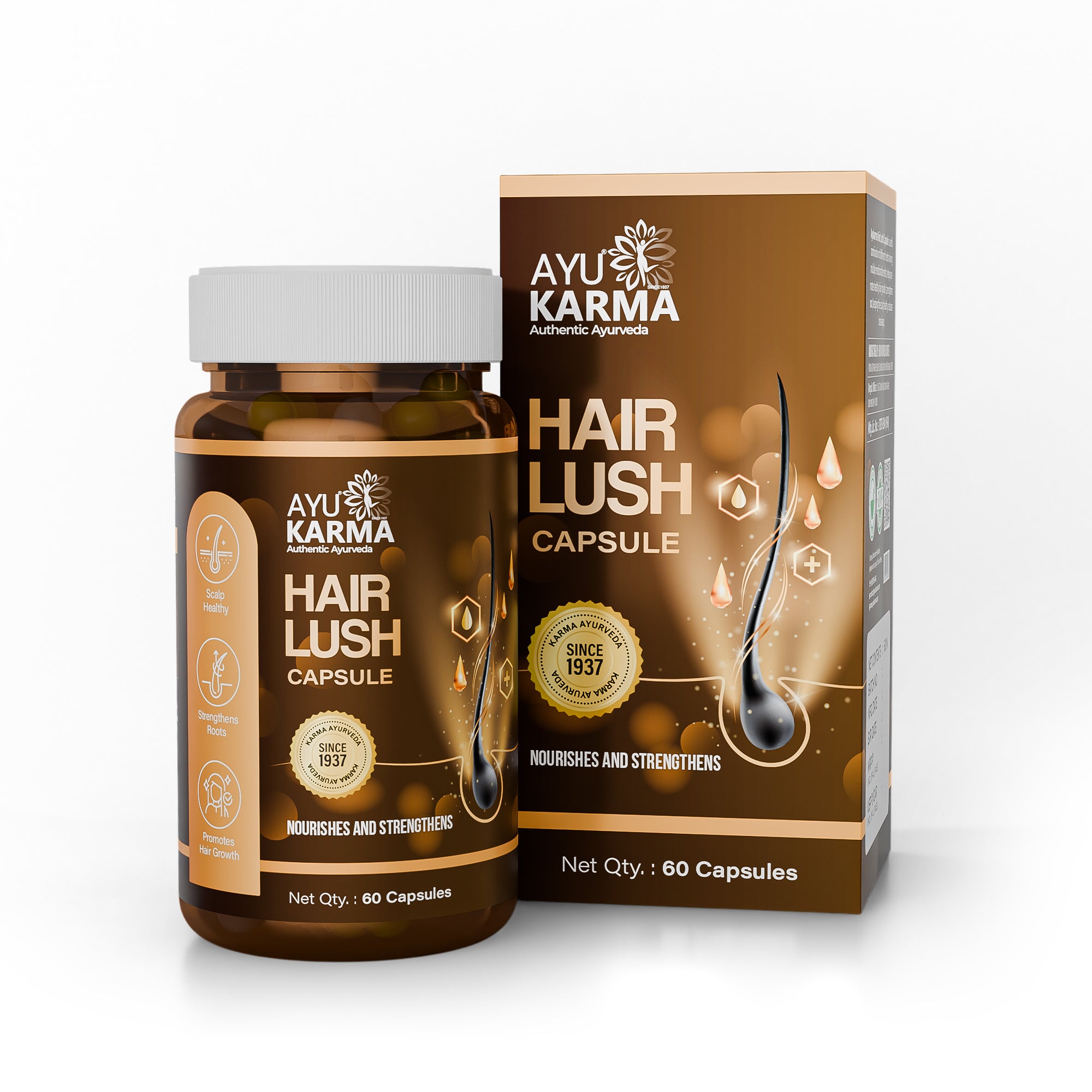
AyuKarma Hair Lush Capsules combine Ayurvedic herbs to support hair growth, reduce hair fall, strengthen roots, nourish the scalp and promote healthier-looking hair.
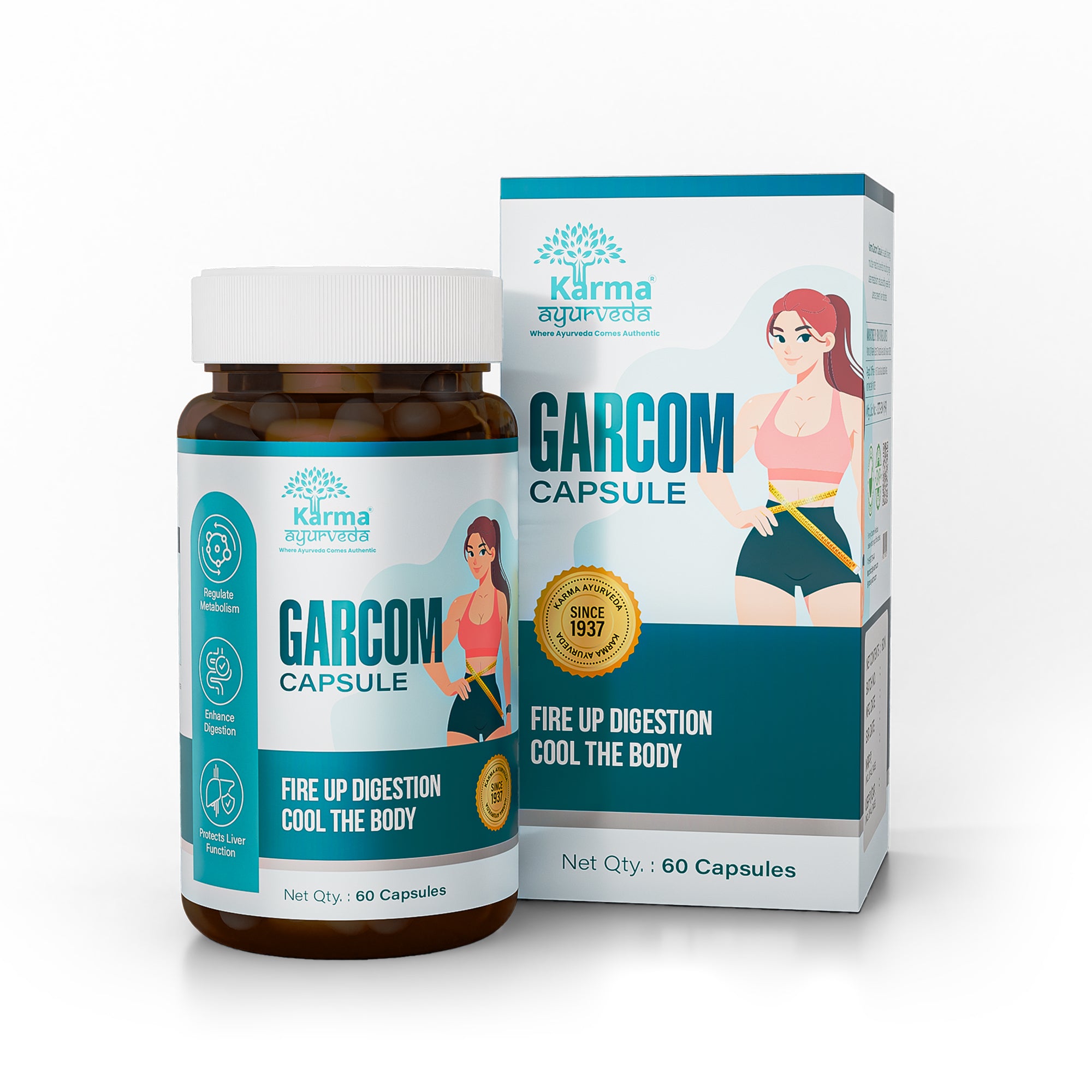
Karma Garcom Capsules contain Garcinia indica to support healthy metabolism, digestion, weight management, digestive comfort and daily wellness alongside a balanced lifestyle.
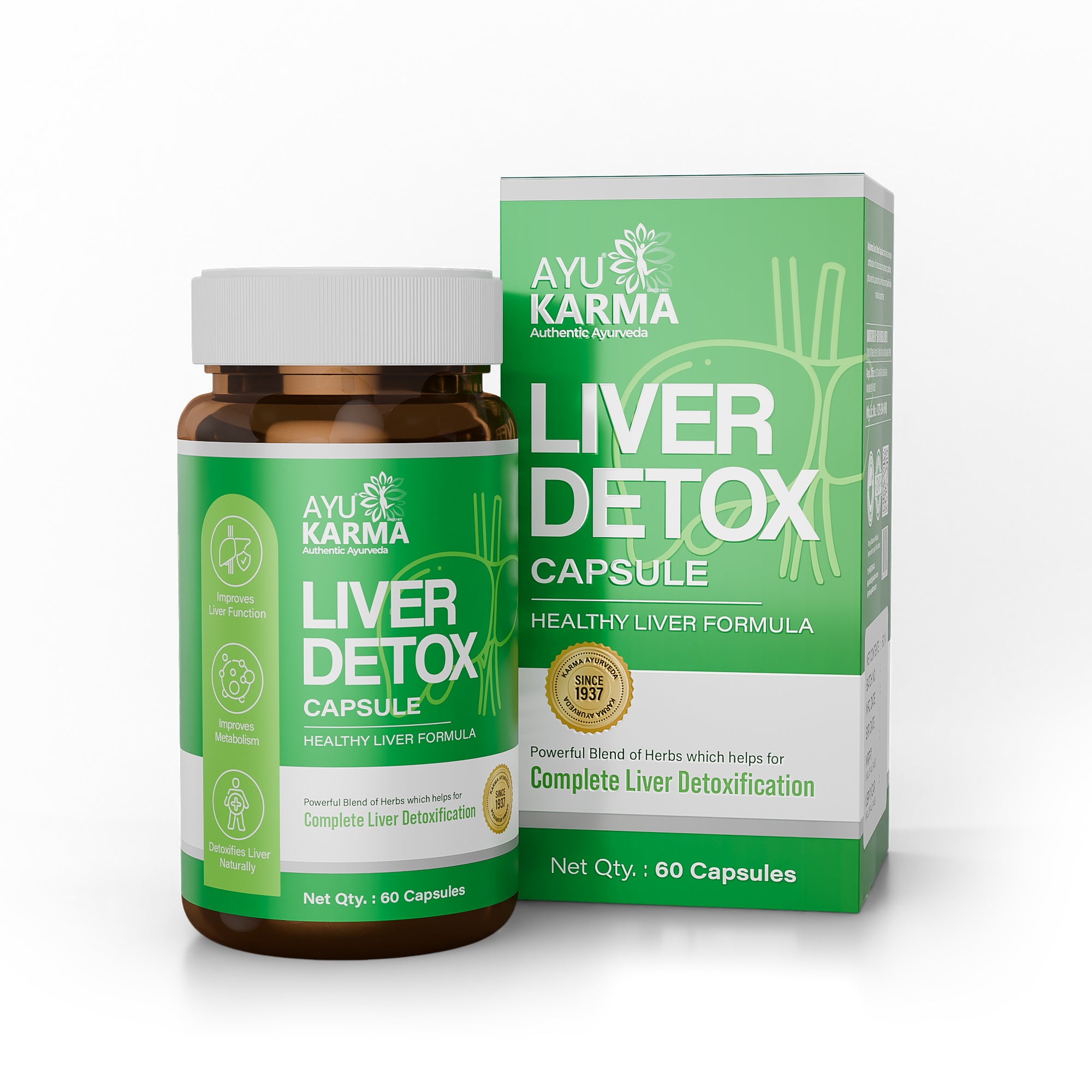
Doctor-recommended liver supplement that helps detoxify the liver, support healthy cholesterol, improve digestion & promote liver health. Developed by Dr. Puneet Dhawan with Karma Ayurveda philosophy.
Second Floor, 77, Block C, Tarun Enclave, Pitampura, New Delhi, Delhi, 110034

Certificate no- AH-2023-0186
JAN 05, 2026 - JAN 04, 2029

US FDA Reg. No.: 14568299376