Unlocking Wellness Naturally
100% Ayurvedic Treatment

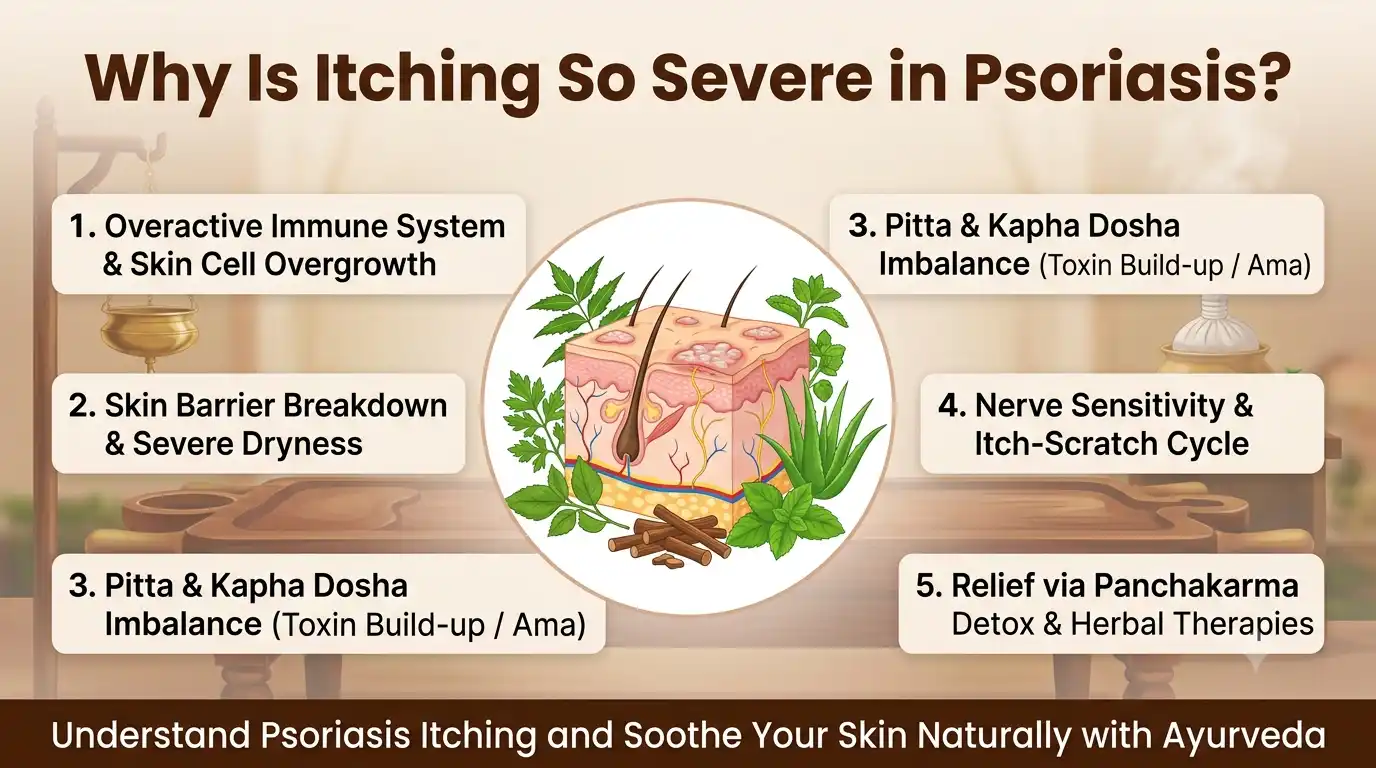
Itching in psoriasis is severe because the immune system mistakenly triggers hyperactive nerve endings in the skin, releasing inflammatory neuropeptides rather than relying on standard histamine signals. This creates a continuous feedback loop where skin inflammation directly excites local nerve fibers, causing an intense, persistent itch.
If you have ever dealt with a psoriatic flare, you know it isn't just a mild tickle. It is a stubborn, deep-seated urge to scratch that feels almost impossible to ignore. Understanding why this happens; and how holistic approaches can address it; is the first step toward finding relief.
Most everyday skin irks; like a mosquito bite; are driven by histamine. You take an antihistamine, the swelling goes down, and you move on. Psoriasis doesn't work that way. Antihistamines often fail to relieve this specific discomfort because the body uses a completely different communication network here.
In psoriatic skin, immune cells produce high levels of inflammatory proteins such as Interleukin-17 (IL-17) and Interleukin-31 (IL-31). These proteins interact directly with peripheral sensory nerves embedded in the epidermis.
A study published in the Journal of Investigative Dermatology highlighted that non-histaminergic pathways, driven by neuropeptides like Substance P and Calcitonin Gene-Related Peptide (CGRP), play a central role in transmitting itch signals from psoriatic lesions to the brain. Research in Molecular and Cellular Biology also points to the overexpression of the TRPV1 receptor (a thermal and pain sensory channel on nerve endings) in affected skin, which significantly lowers the threshold for feeling an itch.
This sequence forms the "itch-scratch cycle." Scratching provides momentary distraction by sending pain signals to the brain, which briefly mask the itch. However, the physical trauma of scratching damages the outer skin layer and triggers the Koebner phenomenon; where trauma causes new plaques to form, aggravating the original issue.
Managing this discomfort requires addressing both surface skin barrier health and underlying immune activity.
Feature: Conventional Topicals
Feature: natural treatment for psoriasis
When seeking long-term comfort, many turn to time-tested herbal remedies and holistic practices. Incorporating a well-rounded natural psoriasis treatment strategy can help balance internal heat (Pitta) and ease tissue reactivity.
Certain best herbs for psoriasis have demonstrated significant anti-inflammatory and skin-soothing properties:
For those exploring structured herbal care, an Ayurvedic treatment for psoriasis focuses on internal detoxification (Panchakarma), dietary adjustments, and herbal formulations to balance the body's constitution. Specialized care providers, such as Karma Ayurveda for psoriasis treatment under the guidance of experts like Dr. Puneet Dhawan, emphasize personalized herbal regimens aimed at addressing root causes rather than just masking surface symptoms.
Integrating lifestyle modifications alongside the best medicines for psoriasis; whether conventional or holistic; helps manage daily triggers.
Key Daily Strategies:
This article is for informational purposes only and does not constitute medical advice. Always consult a qualified healthcare provider or dermatologist before starting any new treatment, herbal regimen, or dietary change.
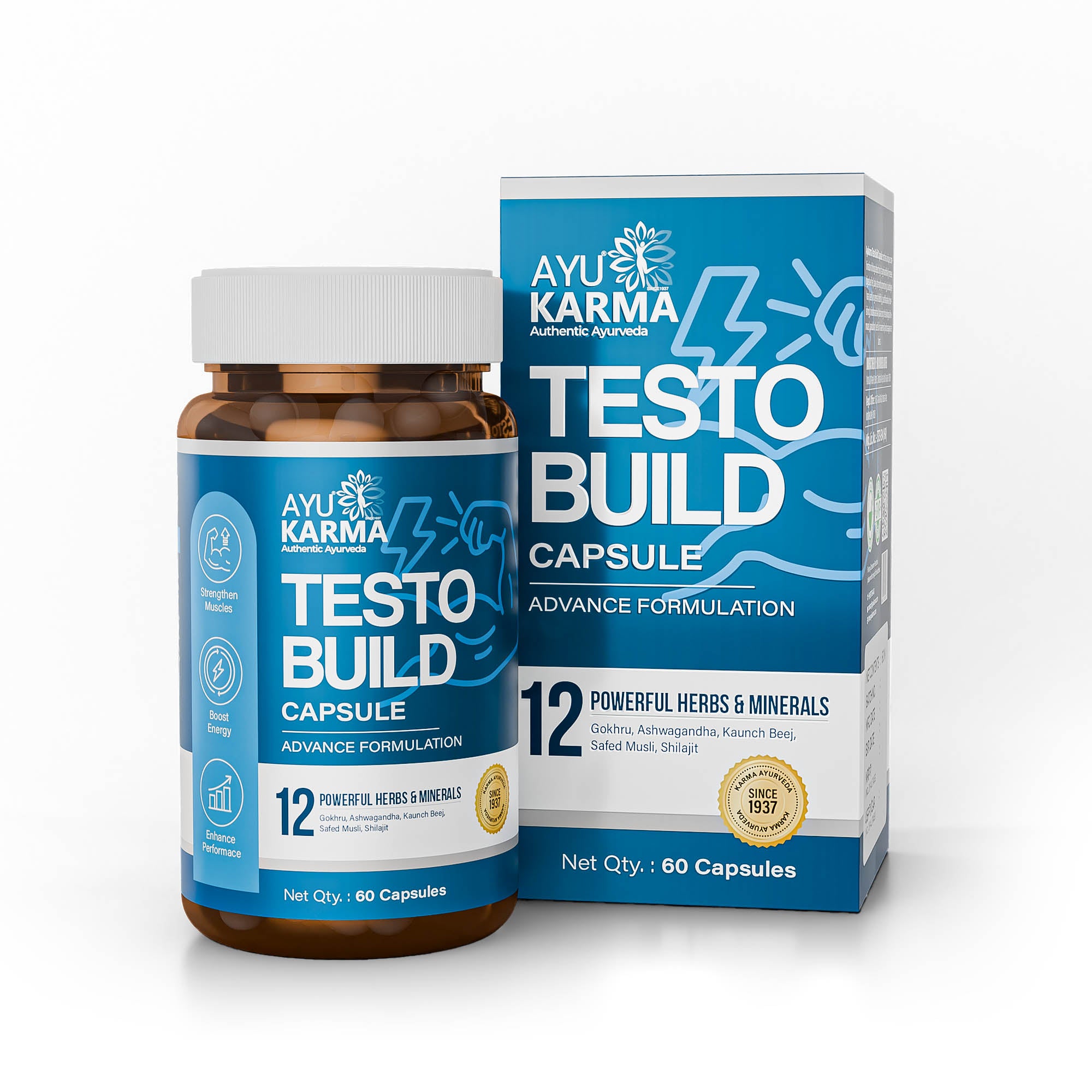
AyuKarma Testo Build Capsules combine 12 Ayurvedic herbs and minerals to support strength, energy, stamina, physical performance, nourishment and overall daily vitality.
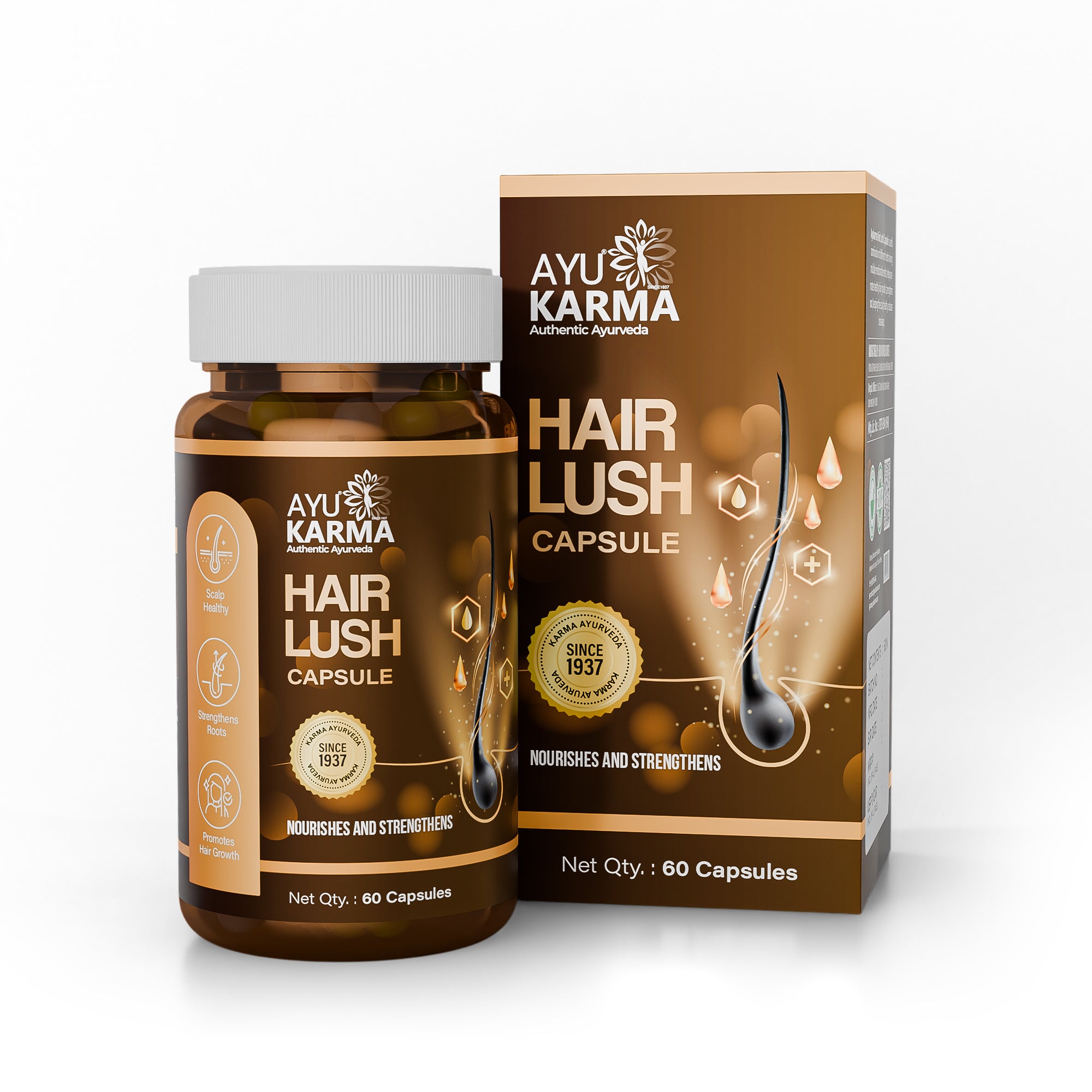
AyuKarma Hair Lush Capsules combine Ayurvedic herbs to support hair growth, reduce hair fall, strengthen roots, nourish the scalp and promote healthier-looking hair.
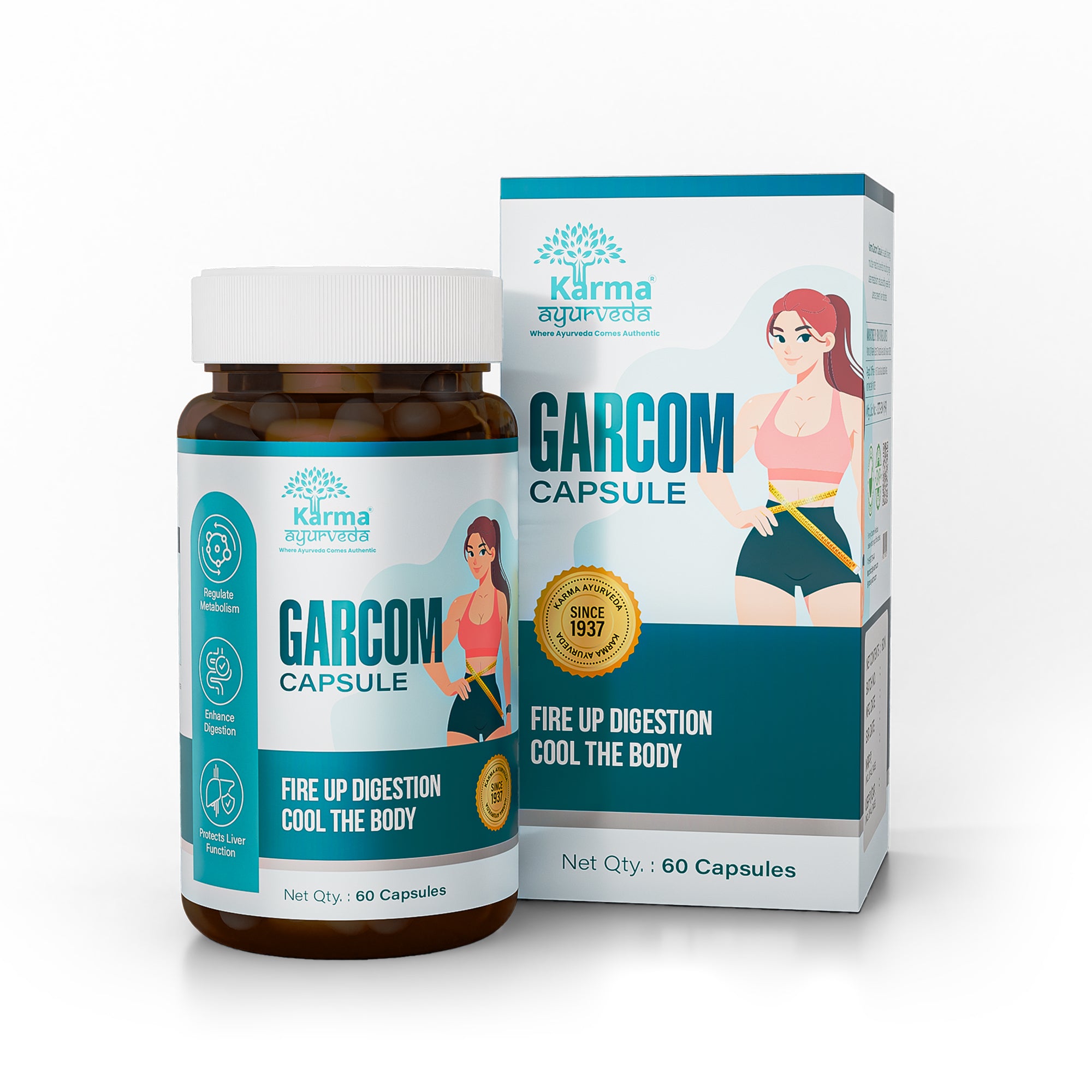
Karma Garcom Capsules contain Garcinia indica to support healthy metabolism, digestion, weight management, digestive comfort and daily wellness alongside a balanced lifestyle.
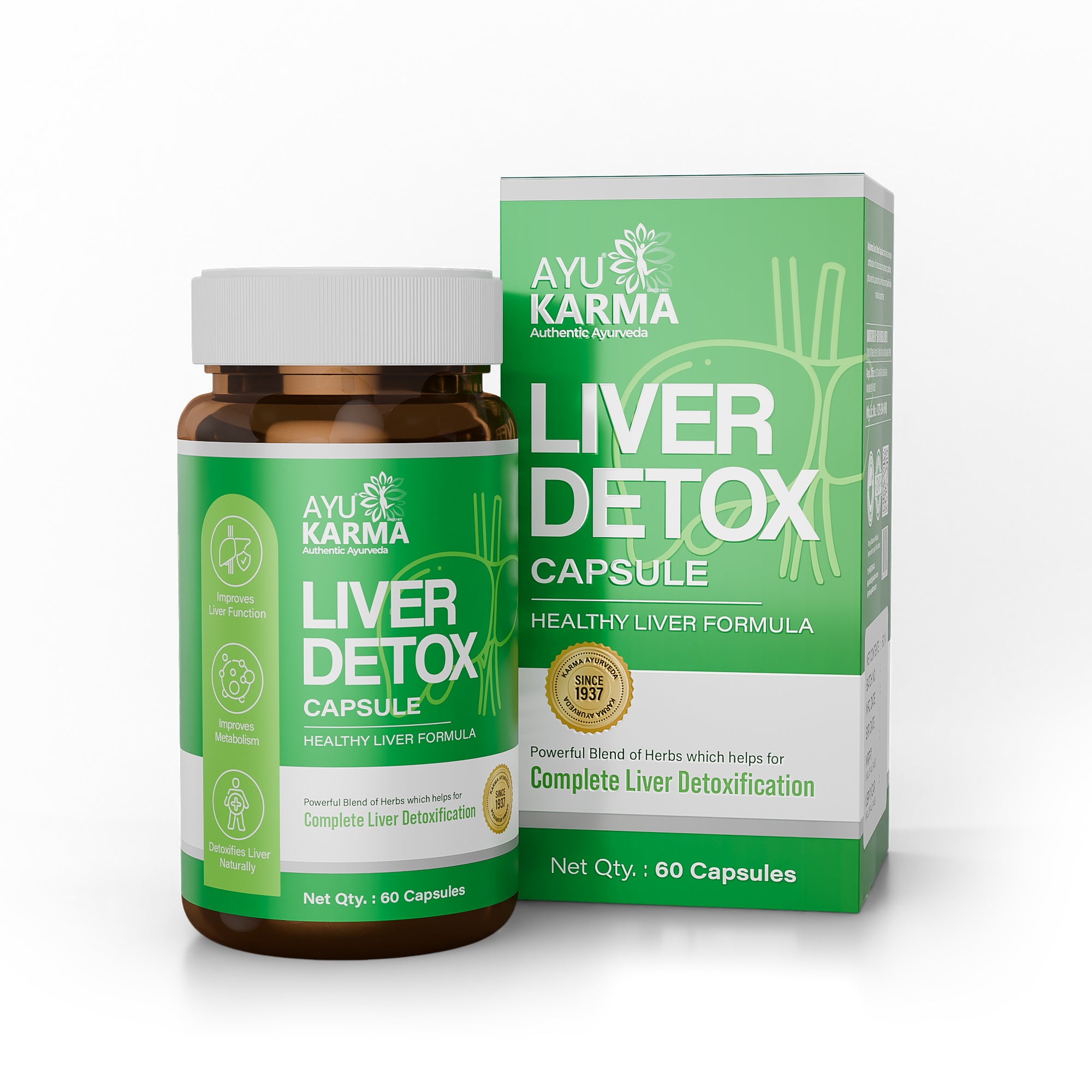
Doctor-recommended liver supplement that helps detoxify the liver, support healthy cholesterol, improve digestion & promote liver health. Developed by Dr. Puneet Dhawan with Karma Ayurveda philosophy.
Second Floor, 77, Block C, Tarun Enclave, Pitampura, New Delhi, Delhi, 110034

Certificate no- AH-2023-0186
JAN 05, 2026 - JAN 04, 2029

US FDA Reg. No.: 14568299376