Unlocking Wellness Naturally
100% Ayurvedic Treatment

.webp)
The moment someone hears the words “kidney failure,” it feels scary. It sounds serious (and it is), and suddenly Google becomes your best friend at 2 a.m., and every small symptom feels like a breaking news alert. But take a deep breath. While modern medicine offers treatments like dialysis and transplant, many people also explore Ayurvedic treatment for kidney failure for natural support and long-term wellness.
Now before we go any further, let’s clear something up. Ayurveda is not a magic wand. It doesn’t promise that you’ll wake up tomorrow with brand-new kidneys. What it does offer is a gentle, holistic way to support your kidneys and overall health. And sometimes, slow and steady is exactly what the body needs.
Your kidneys are like the body’s hardworking cleaning staff. They filter waste, balance fluids, control blood pressure, and even help produce red blood cells. They work 24/7 without asking for appreciation. (Honestly, they deserve a thank-you card.)
When they stop working properly, waste starts building up in the body. That condition is called kidney failure.
In Ayurveda, kidney disorders are often linked to imbalances in Vata and Kapha doshas along with toxin buildup, known as “ama.” Weak digestion leads to more toxins, and those toxins eventually burden the kidneys.
This is why people searching for natural treatment for kidney failure often turn toward Ayurveda. The focus isn’t just on the kidneys; it’s on improving digestion, detoxification, and strengthening the entire system.
In Ayurvedic medicine for kidney disease, the approach is simple but powerful:
And no, this doesn’t involve anything dramatic or scary. Most of it revolves around herbs, dietary corrections, and lifestyle improvements.
Ayurveda believes that if digestion improves, toxin formation reduces. If toxins reduce, the kidneys feel less pressure. It’s like cleaning the kitchen regularly so the sink doesn’t get clogged.
Now comes the part everyone is curious about; herbs.
Several Ayurvedic herbs are traditionally used in herbal treatment for kidney failure:
Punarnava is one of the most famous herbs in kidney care. Its name means “renewal.” It helps reduce swelling and supports healthy urine output. Think of it as your kidney’s calm and supportive best friend.
Gokshura supports urinary health and may help maintain balanced creatinine levels.
Varun supports urinary tract function and helps reduce crystal formation.
Kaasni supports both liver and kidney detoxification. Because yes, your liver and kidneys are teammates, not competitors.
These herbs are often combined in specific formulations. However, they should always be taken under expert supervision. Mixing herbs randomly because “it worked for someone on the internet” is not a great idea.
Many people consult experienced Ayurvedic practitioners like Dr. Puneet Dhawan, who has worked extensively in kidney care using herbal approaches tailored to individual needs.
If kidneys had social media, they would probably unfollow junk food immediately.
Diet plays a huge role in chronic kidney disease treatment naturally. Ayurveda recommends light, freshly cooked, and easy-to-digest meals.
Heavy, oily, spicy, and processed foods are minimized. Salt intake is controlled. Protein intake may also be monitored depending on the stage of kidney disease.
Hydration is important; but more water doesn’t always mean better. The right amount depends on your condition and medical advice.
Eating on time and avoiding overeating are equally important. Because when digestion is strong, toxin production is low. And when toxins are low, your kidneys can finally breathe a little easier.
Stress is not just “in your head.” It affects blood pressure, hormones, and eventually kidney health too.
Gentle yoga, breathing exercises (pranayama), and meditation are often recommended in Ayurveda. They help calm the nervous system and support better circulation.
Adequate sleep is also essential. Staying up late scrolling on your phone may feel relaxing, but your kidneys strongly disagree.
Light physical activity like walking for 20–30 minutes daily can improve overall metabolism and detoxification. You don’t need to train for the Olympics. Your kidneys are asking for consistency, not medals.
A common question is whether Ayurveda can replace dialysis.
The honest answer? In advanced kidney failure, dialysis or transplant may still be necessary. Ayurveda can play a supportive role, especially in early to moderate stages.
Many patients choose an integrated approach; combining conventional treatment with Ayurvedic treatment for kidney failure under proper supervision.
Institutions like Karma Ayurveda Hospital focus on providing structured herbal and lifestyle-based support for kidney patients while encouraging coordination with nephrologists.
The key is teamwork. Your kidneys need cooperation, not confusion.
The beauty of natural treatment for kidney failure in Ayurveda lies in its root-cause philosophy. Instead of only focusing on lab numbers, it looks at digestion, immunity, toxin load, stress levels, and daily habits.
The goal is long-term balance and better quality of life.
If you are exploring Ayurvedic medicine for kidney disease or considering chronic kidney disease treatment naturally, remember that patience is part of the journey. Ayurveda works gradually. It supports, nourishes, and restores balance over time.
And honestly, when it comes to something as serious as kidney failure, a gentle and sustainable approach makes sense.
Kidney failure is serious, but it is not the end of hope. With the right guidance, lifestyle changes, and carefully supervised herbal treatment for kidney failure, many people experience improved comfort and better day-to-day health.
Choose qualified experts. Avoid self-medication. And most importantly, listen to your body.
Take care of your digestion. Manage stress. Sleep properly. Eat mindfully.
And maybe; just maybe; give your kidneys the appreciation they deserve. They’ve been working quietly for you all these years. It’s time to return the favor.
It may help support kidney function and slow progression, but advanced cases may still need medical treatment.
Yes, if taken under proper medical supervision. Avoid self-medication.
Results vary, but improvement usually takes a few weeks to months with consistent care.

AyuKarma Testo Build Capsules combine 12 Ayurvedic herbs and minerals to support strength, energy, stamina, physical performance, nourishment and overall daily vitality.

AyuKarma Hair Lush Capsules combine Ayurvedic herbs to support hair growth, reduce hair fall, strengthen roots, nourish the scalp and promote healthier-looking hair.

Karma Garcom Capsules contain Garcinia indica to support healthy metabolism, digestion, weight management, digestive comfort and daily wellness alongside a balanced lifestyle.
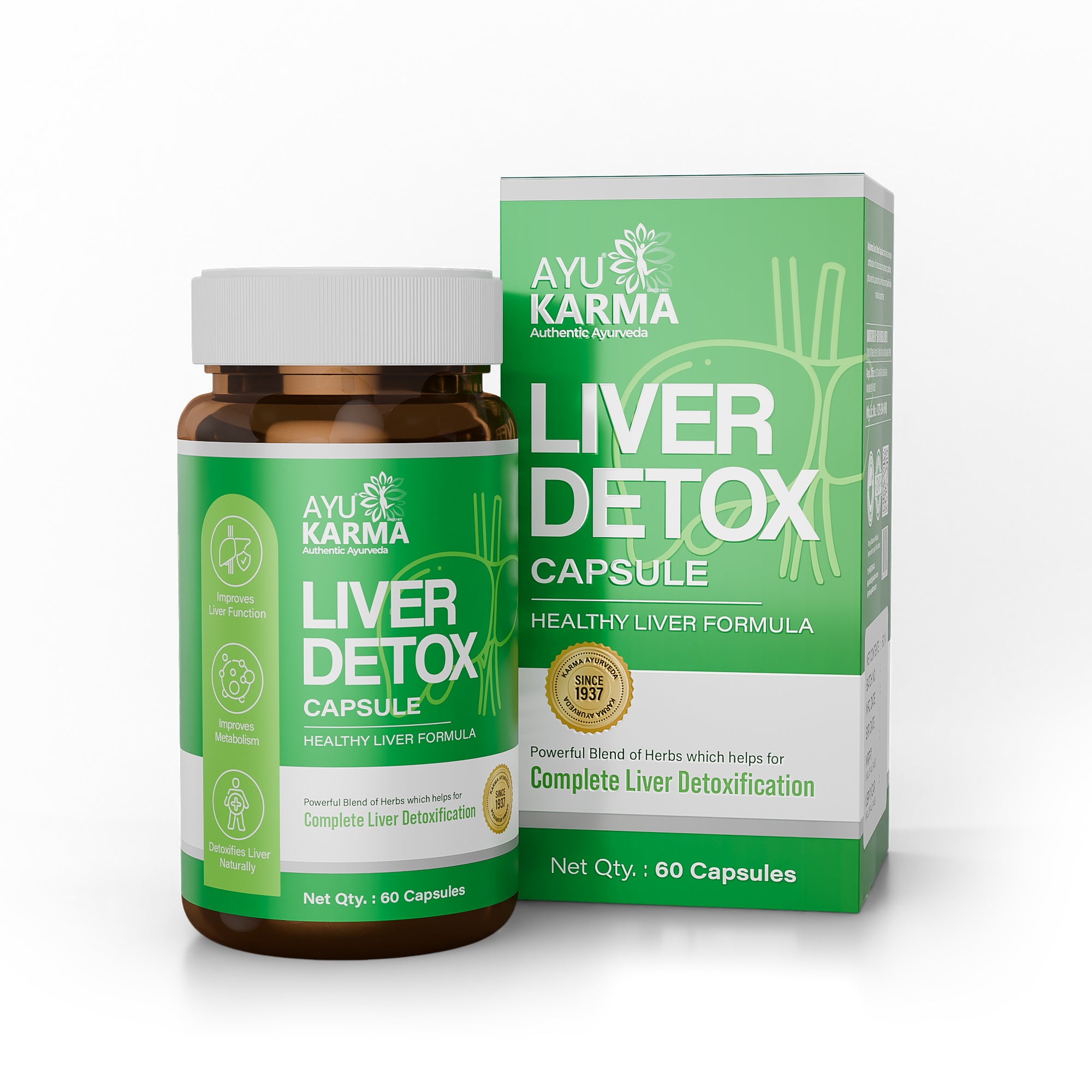
Doctor-recommended liver supplement that helps detoxify the liver, support healthy cholesterol, improve digestion & promote liver health. Developed by Dr. Puneet Dhawan with Karma Ayurveda philosophy.
Second Floor, 77, Block C, Tarun Enclave, Pitampura, New Delhi, Delhi, 110034

Certificate no- AH-2023-0186
JAN 05, 2026 - JAN 04, 2029

US FDA Reg. No.: 14568299376