Unlocking Wellness Naturally
100% Ayurvedic Treatment

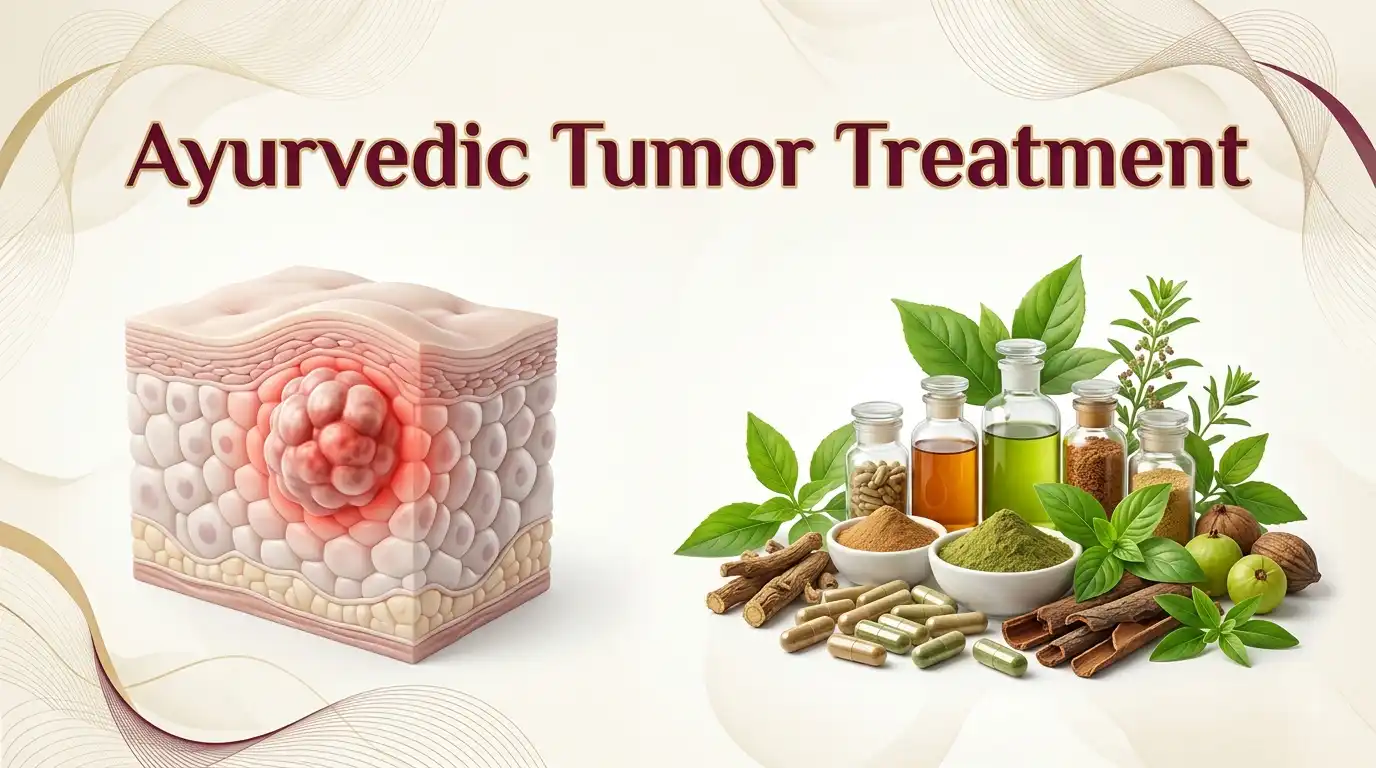
Short answer: Ayurveda doesn't claim to "cure" a tumor overnight, but it does offer supportive, body-balancing care that many people use alongside their regular medical treatment. Think of it less like a magic wand and more like a really dedicated backstage crew; it's not the one taking the final bow, but it's quietly making sure the show doesn't fall apart.
Now that we've got the elephant (or should I say, the tumor) out of the room, let's actually talk about what tumor treatment in Ayurveda involves, why people are curious about it, and what science has to say about some of these age-old remedies.
In Ayurveda, a tumor (called Granthi or Arbuda, depending on severity) is seen as a result of an imbalance in the three doshas; Vata, Pitta, and Kapha; combined with something called Ama (toxic buildup from poor digestion). Basically, your body's internal filing system gets messy, toxins pile up like unread emails, and over time, that pile turns into something more solid and stubborn.
This is where Ayurvedic treatment for tumor management steps in; not to nuke the problem overnight, but to work on the root cause: digestion, detoxification, and restoring balance so the body can function the way it's supposed to.
Unlike the "attack it fast" approach of modern oncology, Tumor treatment in Ayurveda usually focuses on:
This isn't a replacement for chemotherapy, radiation, or surgery; it's generally positioned as complementary support, and any credible Ayurvedic practitioner will tell you the same.
When people ask about the best herbs for tumor support, a few names keep popping up in both classical texts and modern research:
Worth repeating: these are supportive findings, mostly from lab or animal studies, not proof that herbs alone treat tumors in humans. So please don't raid your kitchen spice rack instead of visiting your oncologist.
Practitioners often combine multiple herbs into classical formulations rather than prescribing a single herb in isolation. Some commonly referenced Ayurvedic medicines for tumor support include Kanchnar Guggul, Triphala Guggul, and customized herbal decoctions based on the patient's dosha imbalance and overall health condition.
These formulations are typically prescribed after a detailed assessment; Ayurveda is famously not a "one size fits all" system. What works for your neighbor's uncle may not work for you, and that's not the medicine failing, that's just how personalized this system is designed to be.
Neither column wins outright; most doctors today actually encourage using both in an integrative way, under proper supervision.
Because Ayurveda involves detoxification protocols and herb-drug interactions that can genuinely affect ongoing treatments, self-medicating is a bad idea (yes, even if your cousin's WhatsApp forward says otherwise). Institutions like Karma Ayurveda Hospital, led by practitioners such as Dr. Puneet Dhawan, are examples of setups where Ayurvedic protocols are typically discussed within a structured, supervised environment rather than as a DIY project.
If you or someone you know is exploring Ayurvedic treatment for tumor support, the sensible move is always to loop in both your oncologist and a qualified Ayurvedic doctor; not to pick one and ghost the other.
Not on its own; it's generally used to support the body during treatment, not replace conventional medical care.
It can be, but only under medical supervision, since some herbs may interact with ongoing treatments.
Turmeric, Ashwagandha, and Guduchi are commonly studied for their anti-inflammatory and immune-supportive properties.
They shouldn't be self-prescribed; proper diagnosis and dosage guidance from a qualified practitioner matters a lot here.
It varies widely by individual and condition, and it's typically a gradual, long-term process rather than a quick fix.
This blog is for general informational purposes only and is not a substitute for professional medical advice, diagnosis, or treatment. Always consult a qualified oncologist and Ayurvedic practitioner before making any decisions regarding tumor treatment or related health conditions.
Continue using AI Cursor?Keep it onTurn Off

AyuKarma Testo Build Capsules combine 12 Ayurvedic herbs and minerals to support strength, energy, stamina, physical performance, nourishment and overall daily vitality.

AyuKarma Hair Lush Capsules combine Ayurvedic herbs to support hair growth, reduce hair fall, strengthen roots, nourish the scalp and promote healthier-looking hair.

Karma Garcom Capsules contain Garcinia indica to support healthy metabolism, digestion, weight management, digestive comfort and daily wellness alongside a balanced lifestyle.

Doctor-recommended liver supplement that helps detoxify the liver, support healthy cholesterol, improve digestion & promote liver health. Developed by Dr. Puneet Dhawan with Karma Ayurveda philosophy.

AyuKarma Muscle Magic Capsules combine Ayurvedic herbs to support appetite, digestion, nourishment, healthy weight gain, muscle strength and daily vitality for adults.

AyuKarma Obes-Fit Capsules combine Ayurvedic herbs to support appetite control, digestion, metabolism, healthy weight management, energy and overall wellness alongside an active lifestyle.

AyuKarma Body Detox Capsules combine Ayurvedic herbs to support natural detoxification, digestion, colon cleansing, metabolism, gut wellness and overall rejuvenation for daily vitality.

Doctor-recommended ayurvedic medicine to control diabetes, manage blood sugar levels & reduce diabetes-related complications in diabetic patients. Developed by Dr. Puneet Dhawan with the Karma Ayurveda philosophy.

Doctor-recommended Ayurvedic gut supplement that helps relieve occasional constipation, promote smooth bowel movement, reduce gas & bloating and improve digestion. Developed by Dr. Puneet Dhawan with Karma Ayurveda philosophy.

Doctor-recommended Ayurvedic joint supplement that helps relieve joint pain & stiffness, improve flexibility and support smoother, more comfortable movement. Developed by Dr. Puneet Dhawan with Karma Ayurveda philosophy.

Ayurvedic Kidney Detox Kit for individuals with high creatinine, high BP, diabetes, high uric acid, alcohol consumption habits, frequent painkiller use or early signs of kidney stress.
Second Floor, 77, Block C, Tarun Enclave, Pitampura, New Delhi, Delhi, 110034

Certificate no- AH-2023-0186
JAN 05, 2026 - JAN 04, 2029

US FDA Reg. No.: 14568299376