Unlocking Wellness Naturally
100% Ayurvedic Treatment

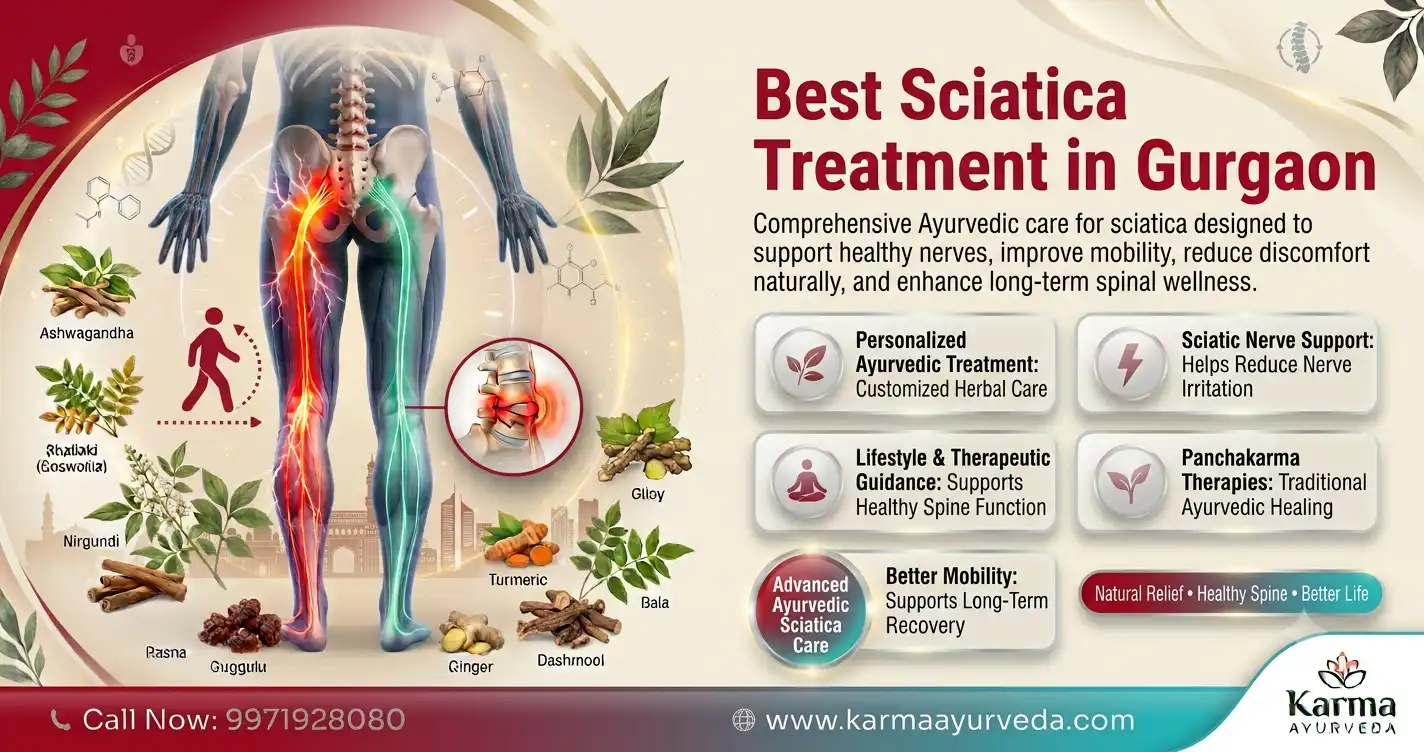
If you're looking for the Best Sciatica treatment in Gurgaon, the answer isn't just about finding the strongest painkiller or the fastest fix. The right treatment depends on what's causing your sciatica, how severe it is, and choosing an approach that focuses on both pain relief and long-term recovery.
Here's the good news: most people with sciatica don't need surgery. A combination of timely diagnosis, movement, physiotherapy, lifestyle changes, and in some cases, Ayurvedic treatment for Sciatica, can help manage symptoms and improve daily life.
Let's dive in; without the complicated medical jargon that makes you feel like you accidentally opened a textbook.
Imagine your body's longest nerve deciding to throw a tantrum.
That's your sciatic nerve.
It starts in your lower back, travels through your hips and buttocks, and runs all the way down each leg. When this nerve gets irritated or compressed, you experience what's called sciatica.
Common symptoms include:
If you've ever described your pain as "someone plugged electricity into my leg," you're not alone.
Many people confuse muscle pain with sciatica.
Here's a simple comparison.
Knowing the difference between Sciatica vs muscle pain is important because both conditions require different treatment approaches.
Sciatica isn't a disease itself.
It's usually a symptom of another problem.
Some common causes include:
In a city like Gurgaon, where many people spend 8-10 hours working on laptops, prolonged sitting has become one of the biggest contributors.
Seek medical evaluation if you notice:
These symptoms may require urgent assessment.
The Best Sciatica treatment in Gurgaon isn't one-size-fits-all.
Doctors usually recommend treatment based on the severity of symptoms.
Let's look at the available options.
Physiotherapy is often considered one of the first treatments.
It may include:
Many patients notice gradual improvement when exercises are performed consistently.
Doctors may prescribe:
These can help reduce symptoms but usually don't address the underlying cause.
Small changes often make a surprisingly big difference.
Try:
Your spine enjoys movement far more than marathon sitting sessions.
Cold packs may help during the first couple of days after pain begins.
Heat therapy can help relax tight muscles later.
Simple; but often effective.
Surgery is generally reserved for cases involving:
Thankfully, most people improve without surgery.
Many people also explore Ayurvedic treatment for Sciatica as part of an integrative care approach.
According to Ayurveda, sciatica is commonly associated with an imbalance of Vata dosha, particularly a condition known as Gridhrasi.
Management may include:
The goal is to support overall musculoskeletal health while addressing contributing lifestyle factors.
It's important to consult qualified practitioners and continue conventional medical evaluation when needed.
A personalized plan may include:
Ayurvedic physicians may recommend herbal preparations depending on individual constitution and symptoms.
Certain therapies may be advised in selected cases, such as:
These therapies are traditionally used in Ayurveda for musculoskeletal concerns.
Patients may receive recommendations regarding:
Since everyone's condition is different, treatment plans are usually individualized.
Yes; for mild to moderate symptoms.
Some commonly recommended Sciatica home treatment strategies include:
What you shouldn't do:
Your sofa may feel like your best friend today, but your spine prefers you get up once in a while.
Traditionally, several medicated oils are used in Ayurvedic practice for massage under professional guidance.
Some commonly used examples include:
These Best Ayurvedic oils for Sciatica are generally selected based on the individual's condition and should ideally be used after consulting an Ayurvedic physician.
Increasingly, patients choose an integrative approach.
This may involve:
Rather than viewing them as competing systems, many healthcare professionals emphasize coordinated care based on individual needs.
The ACP recommends non-pharmacological therapies such as exercise, physical therapy, heat therapy, and other conservative approaches as first-line management for many patients with low back pain before considering medications.
The NICE guideline highlights exercise, maintaining activity, patient education, and individualized care for people with low back pain and sciatica, while reserving surgery for selected cases.
The review found that while surgery may provide faster relief in selected patients, many individuals improve over time with conservative treatment, reinforcing the importance of personalized decision-making.
WHO recommends education, exercise programs, physical therapies, and holistic management strategies for chronic low back pain, which often overlaps with care pathways for persistent sciatica.
Some individuals also consider Karma Ayurveda for Sciatica treatment as part of their broader wellness journey.
Their approach generally focuses on:
As with any healthcare decision, treatment should be discussed with qualified medical professionals, especially if symptoms are severe or progressive.
Nobody wants an unwanted sequel.
To reduce the chances of recurrence:
Your future self; and your sciatic nerve; will probably thank you.
Finding the Best Sciatica treatment in Gurgaon isn't about chasing miracle cures. It's about understanding what's causing your pain and choosing the right combination of medical evaluation, movement, lifestyle changes, and supportive therapies.
Whether you explore physiotherapy, Sciatica home treatment, or Sciatica Ayurvedic treatment, the earlier you seek guidance, the better your chances of managing symptoms effectively. Most importantly, persistent or worsening symptoms should always be evaluated by a qualified healthcare professional rather than being ignored in the hope that they'll magically disappear.
The best treatment depends on the cause, but most people improve with exercise, physiotherapy, lifestyle changes, and medical guidance.
Yes, many cases improve without surgery through conservative treatment.
Yes, gentle walking often helps keep the spine and muscles active.
Sciatica Ayurvedic treatment may provide supportive care when guided by a qualified Ayurvedic practitioner.
Several medicated oils, including Mahanarayana Taila and Sahacharadi Taila, are traditionally used under professional guidance.
This article is intended for educational purposes only and should not be considered medical advice. Sciatica can have different underlying causes, and treatment varies from person to person. Always consult a qualified healthcare professional or an experienced Ayurvedic practitioner before starting any new treatment, therapy, exercise program, or herbal remedy, especially if your symptoms are severe, persistent, or worsening.
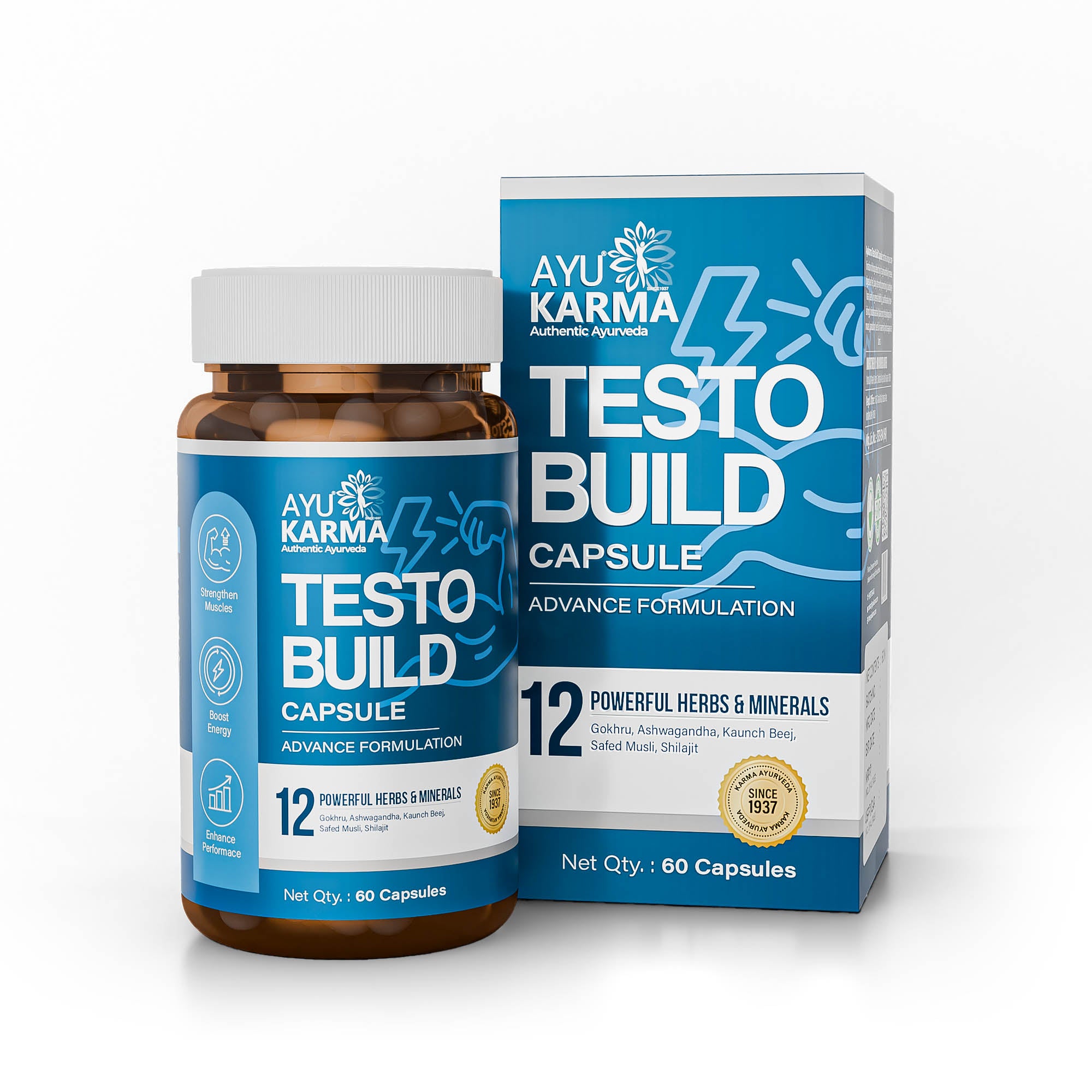
AyuKarma Testo Build Capsules combine 12 Ayurvedic herbs and minerals to support strength, energy, stamina, physical performance, nourishment and overall daily vitality.
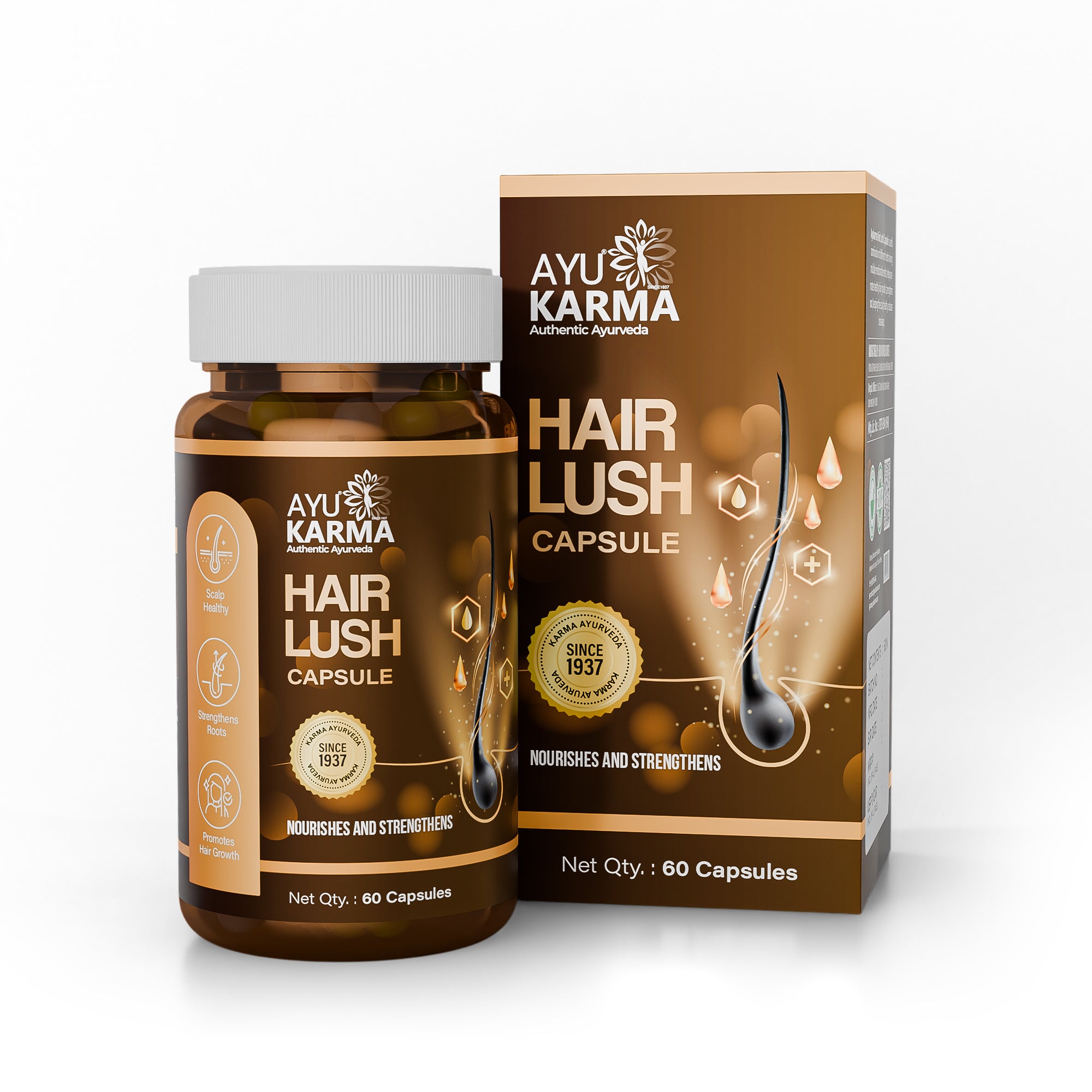
AyuKarma Hair Lush Capsules combine Ayurvedic herbs to support hair growth, reduce hair fall, strengthen roots, nourish the scalp and promote healthier-looking hair.
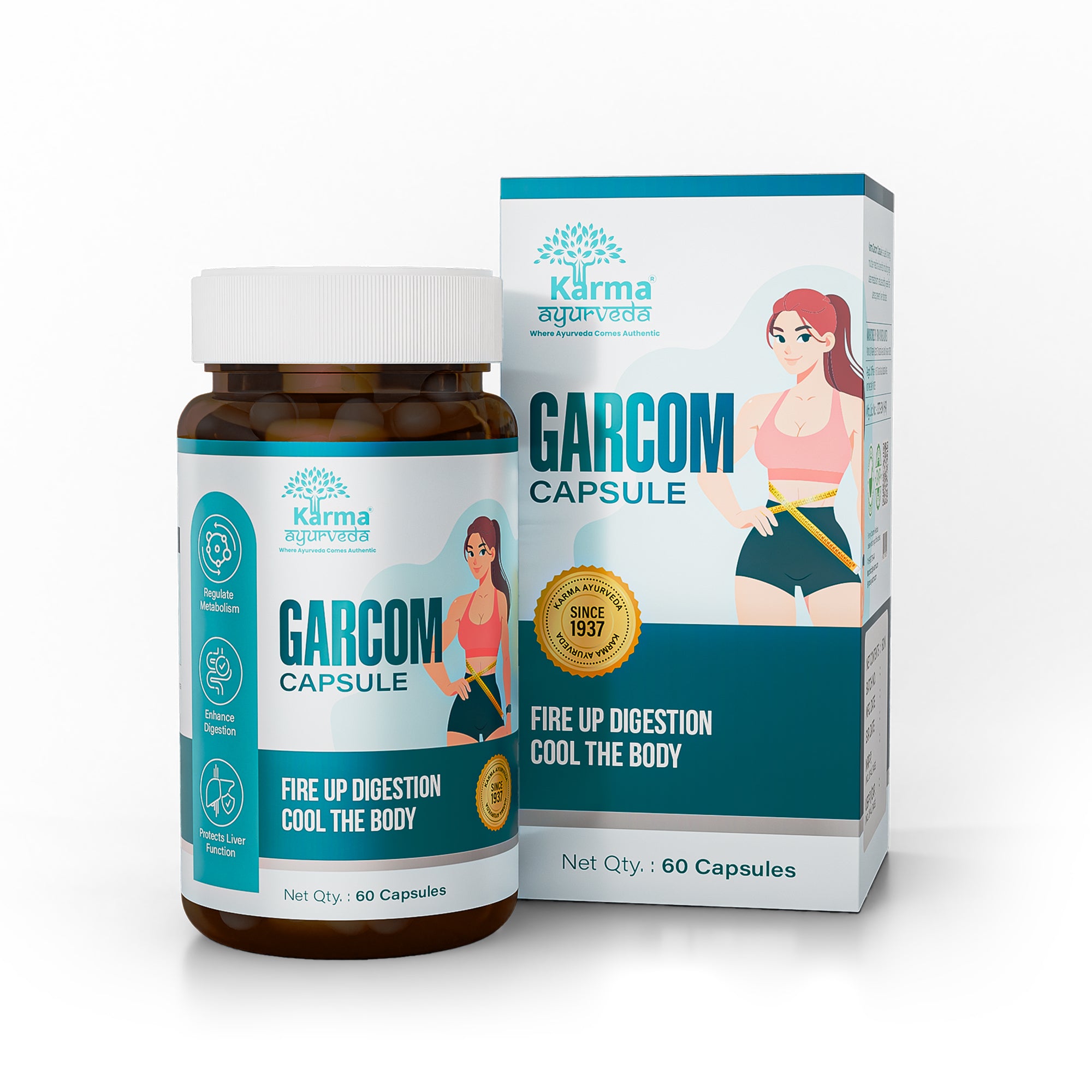
Karma Garcom Capsules contain Garcinia indica to support healthy metabolism, digestion, weight management, digestive comfort and daily wellness alongside a balanced lifestyle.
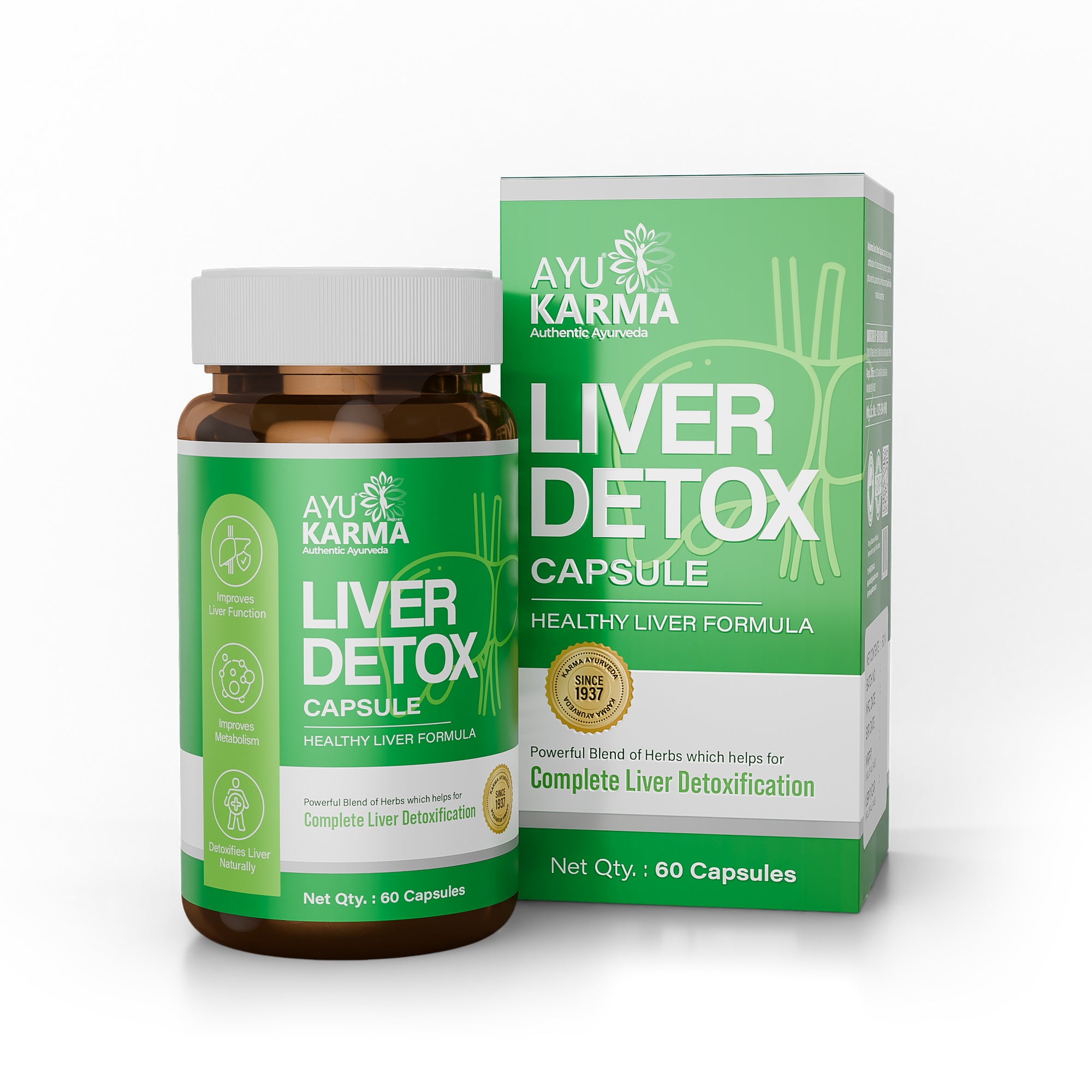
Doctor-recommended liver supplement that helps detoxify the liver, support healthy cholesterol, improve digestion & promote liver health. Developed by Dr. Puneet Dhawan with Karma Ayurveda philosophy.
Second Floor, 77, Block C, Tarun Enclave, Pitampura, New Delhi, Delhi, 110034

Certificate no- AH-2023-0186
JAN 05, 2026 - JAN 04, 2029

US FDA Reg. No.: 14568299376