Unlocking Wellness Naturally
100% Ayurvedic Treatment

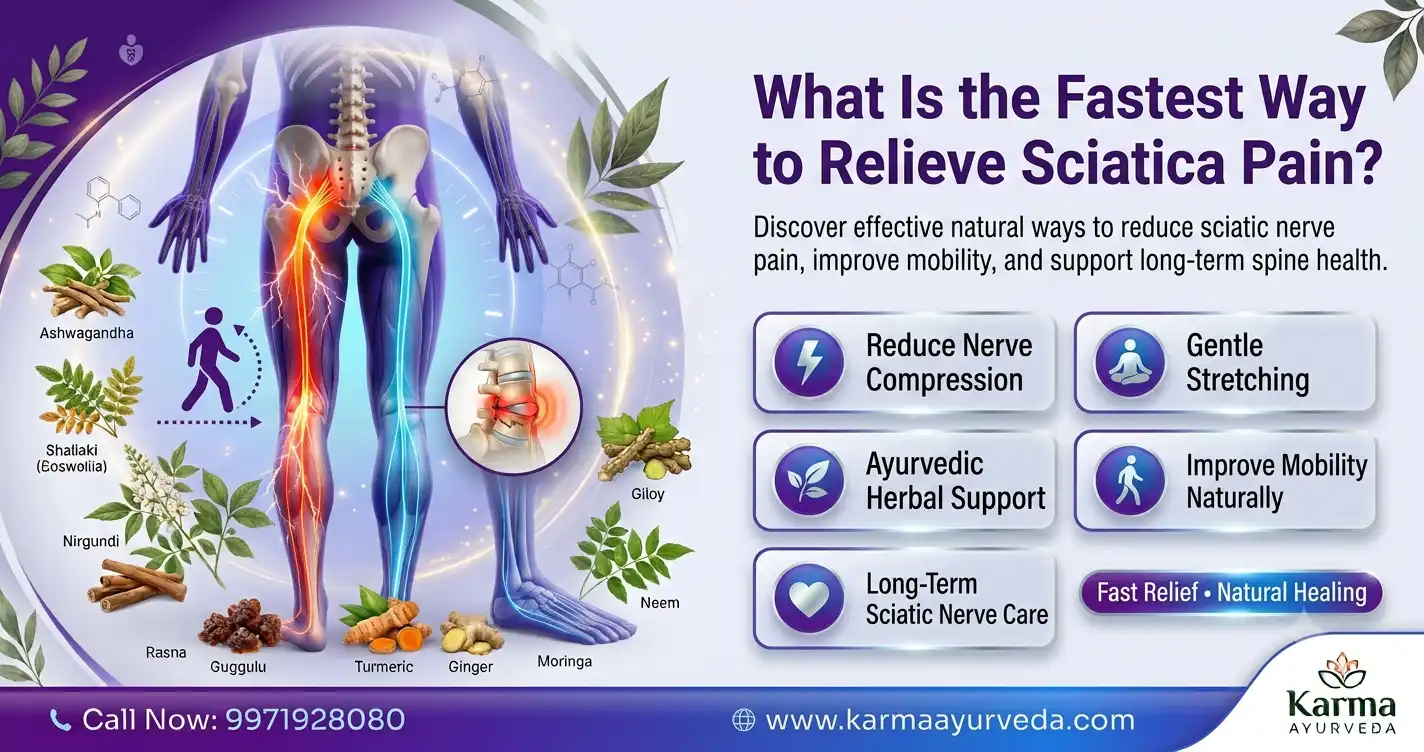
The fastest way to relieve sciatica pain is a mix of gentle movement, heat or ice, and correcting whatever's pinching that poor nerve; with Ayurvedic treatment for sciatica stepping in when you want relief that actually sticks around. If you've ever tried to tie your shoelaces while your leg screamed at you like it owed you money, you already know this isn't a "wait it out" kind of pain.
So, in this blog, we're going to talk about what actually helps (spoiler: not just popping painkillers and hoping for a miracle), why the root cause matters more than the symptom, and where Ayurvedic treatment for Sciatica; the kind you'd get from a place like Karma Ayurveda Hospital; fits into the bigger picture of long-term relief.
Your sciatic nerve is the longest nerve in your body, running from your lower spine all the way down to your toes. When something; a herniated disc, a tight piriformis muscle, or general bad posture from sitting on your phone for six hours straight; presses on it, you get sciatica. It's less of a disease and more of a "check engine" light for your spine.
Common signs include:
A systematic review published in the European Spine Journal noted that although prognosis is good for most patients, up to 45% continue to have symptoms for 12 months or longer. Translation: a lot of people don't just "shake it off." The nerve holds a grudge.
Here's the plot twist nobody tells you; lying in bed all day doesn't fix sciatica, it just gives the pain a comfier place to hang out. Movement, done right, is your best friend.
Quick relief tactics:
Research backs the movement approach solidly. A meta-analysis on exercise and neuropathic pain from sciatic nerve compression found that exercise promotes neuroplasticity, including neuron regeneration and synaptic reconstruction, which helps restore damaged nerve function and relieve neuropathic pain. So basically, your nerve is not just injured; it's trainable, like a moody houseplant that responds surprisingly well to the right amount of attention.
Another randomized clinical trial comparing neurodynamic mobilization with conventional exercises found that both interventions showed significant improvement in pain ratings, functional scale scores, and muscle activation values after just 14 days. Fourteen days. Not fourteen months. That's the kind of timeline that makes you actually want to do your stretches.
Here's the sneaky part about sciatica; painkillers and quick stretches can quiet the alarm bell, but they don't necessarily fix the wiring. It's a bit like muting a smoke alarm instead of putting out the actual fire. The pain goes quiet for a while, and then, like an uninvited relative, it shows up again during a family dinner.
This is exactly where a lot of people start looking beyond conventional pain management and toward Sciatica Ayurvedic treatment; not as some mystical alternative, but as an approach that goes after the actual cause: nerve compression, muscle imbalance, inflammation, and poor circulation, all treated together instead of one at a time.
Ayurveda looks at sciatica; called Gridhrasi in classical texts; as a Vata imbalance, essentially your body's "movement and nerve energy" going rogue. The treatment approach isn't about masking pain; it's about calming inflammation, nourishing the nerve tissue, and correcting the structural issue causing the compression in the first place.
A case study on Ayurvedic management of Gridhrasi described a treatment plan combining Panchakarma procedures, internal medications, and supportive therapies like Abhyanga (oil massage) and Swedana (heat therapy); essentially a full-body reset rather than a single pill.
Another documented case from a Panchakarma OPD reported that after 21 days of Panchakarma procedures along with internal Ayurvedic medicines, the patient's symptoms improved significantly and overall quality of life improved. Not overnight, sure, but steady, lasting progress; which, if you've dealt with chronic sciatica, sounds a lot more appealing than another round of "take two tablets and call me in six months."
A separate clinical case report on Panchakarma management of sciatica similarly noted significant improvement in pain, stiffness, and mobility after a combined approach of Ayurvedic internal medicine and Panchakarma therapy over a month-long treatment period.
This is the philosophy behind places like Karma Ayurveda Hospital, where the focus tends to stay on identifying the root imbalance; instead of just handing you a prescription and wishing you luck.
Ayurvedic practitioners generally combine a few key elements, tailored to the individual (because no, your cousin's sciatica treatment plan isn't automatically yours too):
If you're wondering about the best Ayurvedic medicines for Sciatica, most protocols include guggul-based compounds and herbal oils, but honestly, self-medicating from a random online list is a bit like diagnosing your car engine from a YouTube thumbnail. A proper consultation matters here.
Because nothing says "informative blog" like a table that pretends to be neutral while quietly nudging you toward one side:
Factor
Conventional Approach
Speed of relief
Fast (painkillers kick in quick)
Focus
Symptom control
Side effects
Possible (upset stomach, drowsiness)
Long-term outcome
Often needs repeat medication
Vibe
"Here's a pill, good luck"
Ayurvedic Approach
Speed of relief
Gradual but steady
Focus
Root cause + symptom control
Side effects
Generally gentler, personalized
Long-term outcome
Aims at lasting structural relief
Vibe
"Let's actually fix the plumbing"
Not a scientific instrument, obviously; just a friendly nudge to think about what kind of relief you actually want: the kind that ends the argument, or the kind that just hits mute for a bit.
Some symptoms mean you shouldn't be reading blogs; you should be calling a doctor, immediately, no scrolling required:
These could indicate a more serious condition like cauda equina syndrome, which needs emergency care, not herbal oils or stretching videos.
Gentle stretching, alternating heat and ice, and short walks usually bring the quickest relief without making things worse.
Ayurvedic treatments aim at the root cause using therapies like Panchakarma, so many people experience long-term relief rather than just temporary comfort.
Most documented cases show noticeable improvement within 2 to 4 weeks of consistent Panchakarma and herbal treatment.
Basti is considered one of the primary Ayurvedic therapies for Vata-related conditions like sciatica, but it should always be done under a qualified practitioner's supervision.
Many people combine both; using conventional methods for quick pain control and Ayurvedic treatment for long-term nerve and muscle healing.
This blog is for general informational purposes only and isn't a substitute for professional medical advice, diagnosis, or treatment. Sciatica can have different underlying causes, so please consult a qualified doctor or Ayurvedic practitioner before starting any treatment, especially if your symptoms are severe or worsening.
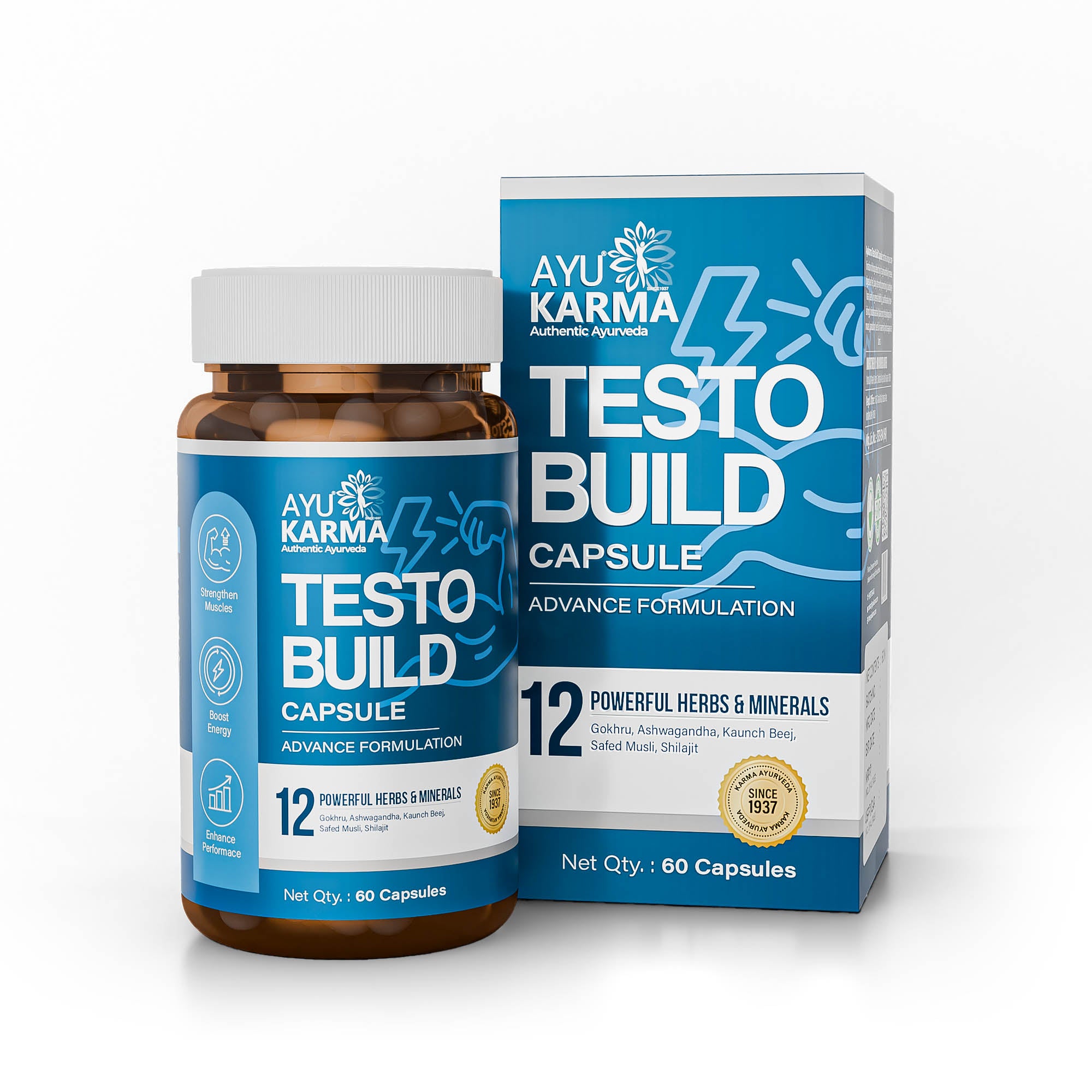
AyuKarma Testo Build Capsules combine 12 Ayurvedic herbs and minerals to support strength, energy, stamina, physical performance, nourishment and overall daily vitality.
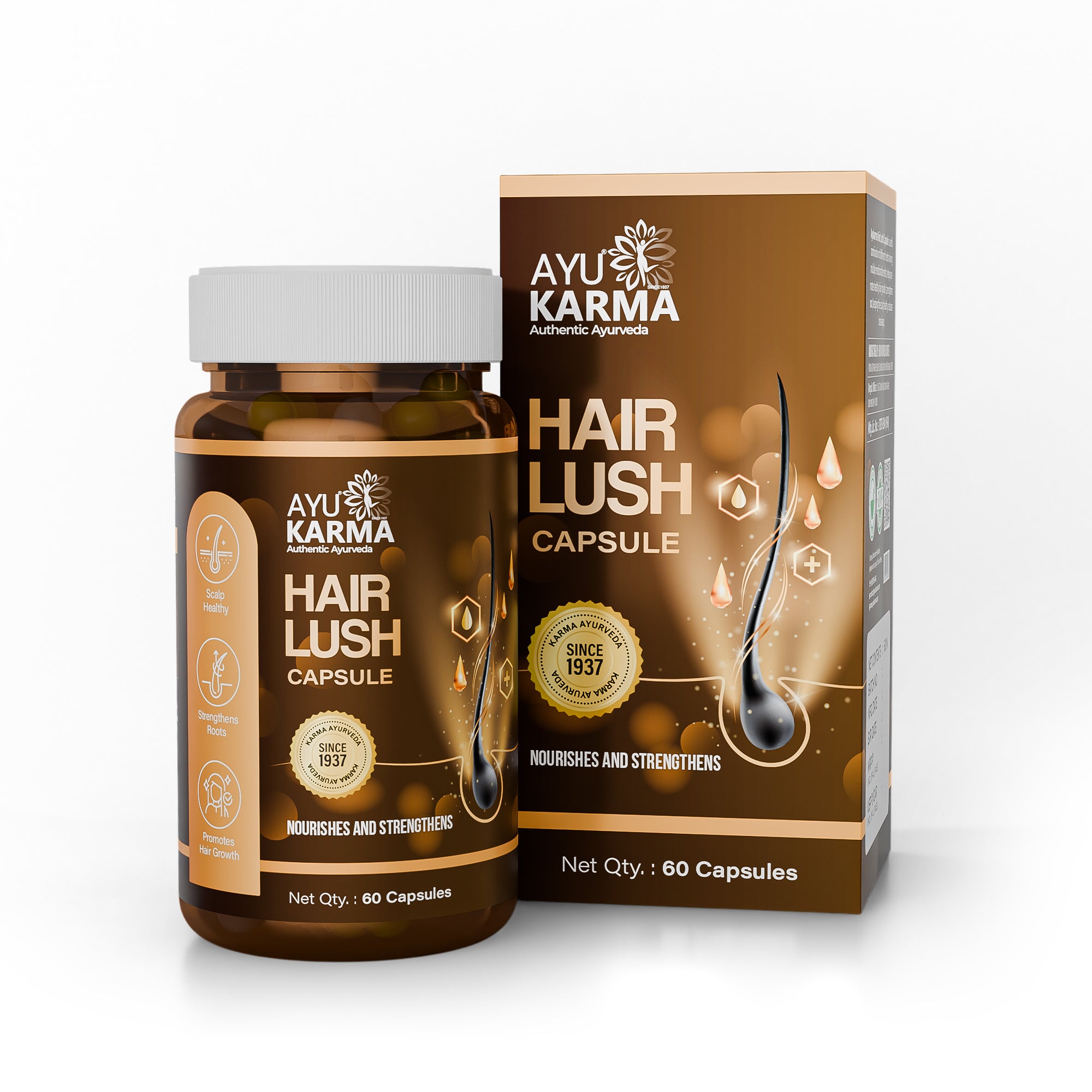
AyuKarma Hair Lush Capsules combine Ayurvedic herbs to support hair growth, reduce hair fall, strengthen roots, nourish the scalp and promote healthier-looking hair.

Karma Garcom Capsules contain Garcinia indica to support healthy metabolism, digestion, weight management, digestive comfort and daily wellness alongside a balanced lifestyle.
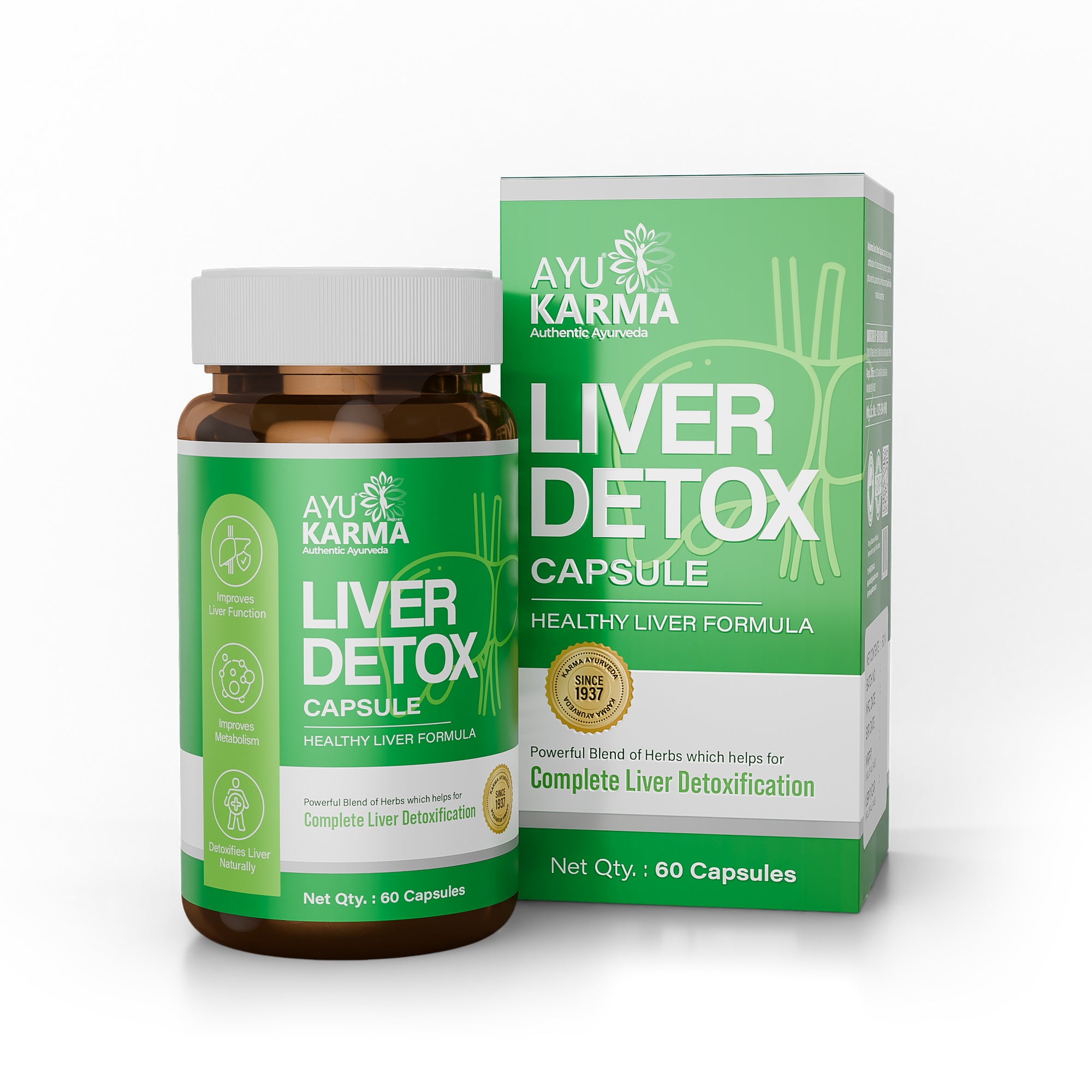
Doctor-recommended liver supplement that helps detoxify the liver, support healthy cholesterol, improve digestion & promote liver health. Developed by Dr. Puneet Dhawan with Karma Ayurveda philosophy.
Second Floor, 77, Block C, Tarun Enclave, Pitampura, New Delhi, Delhi, 110034

Certificate no- AH-2023-0186
JAN 05, 2026 - JAN 04, 2029

US FDA Reg. No.: 14568299376