Unlocking Wellness Naturally
100% Ayurvedic Treatment

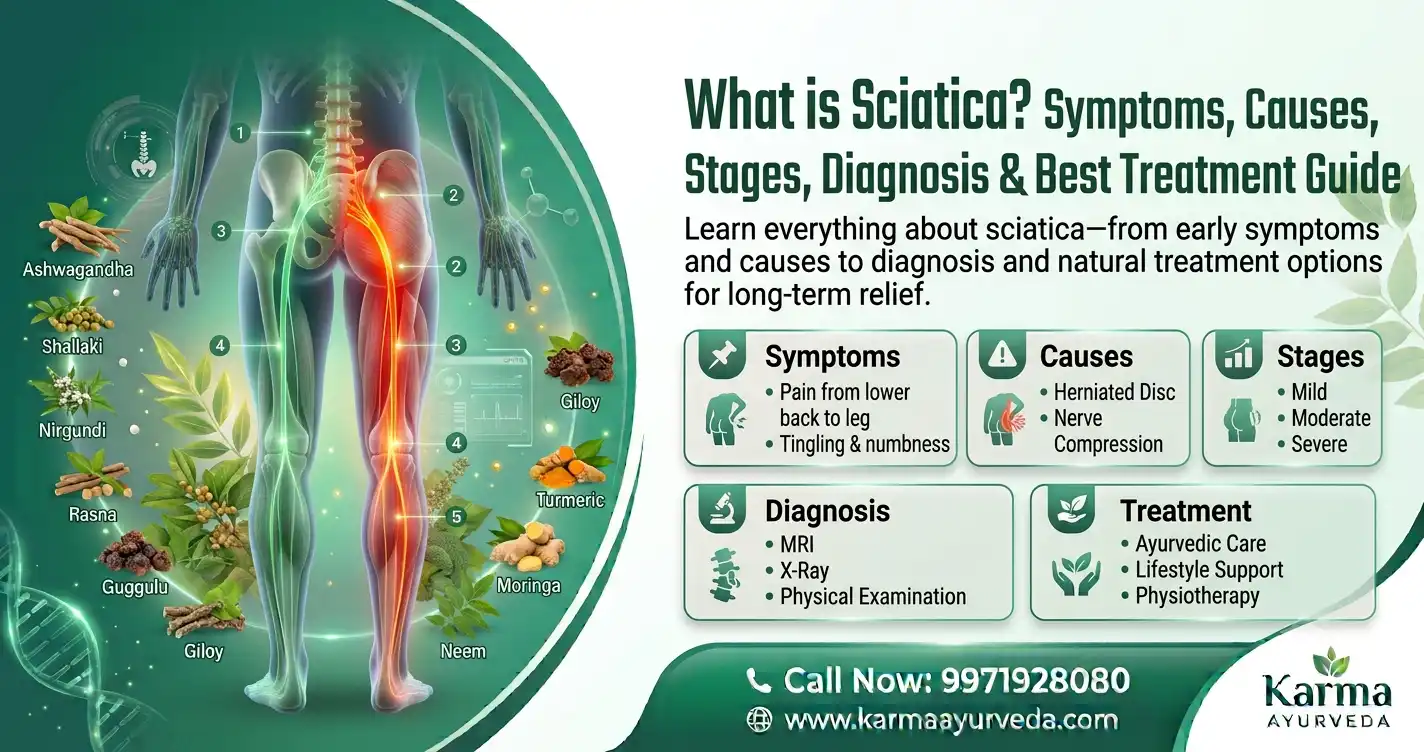
Sciatica is a sharp, radiating pain, numbness, or tingling caused by irritation or compression of the sciatic nerve, which runs from your lower back down through your hips, buttocks, and leg. It isn't actually a medical condition in itself, but rather your body's loud (and often very unwelcome) siren signaling that something is pressing on the longest nerve in your body.
If you have ever stood up from your couch and felt a sudden shock bolt down your buttock like an uninvited sparkler, welcome to the club nobody actively applied to join. Let's break down everything you need to know about this literal pain in the backside; without the confusing medical jargon; so, you can get back to living pain-free.
To understand sciatica, it helps to meet the main character: the sciatic nerve. Imagine a cable about the thickness of your thumb running from your lower spinal cord, splitting at your pelvis, and traveling all the way down each leg to your feet.
When everything is running smoothly, you don't even know it's there. But if a spinal disc slips out of place or a tight muscle squeezes it, that nerve sends angry flare signals up and down your leg. The result? Sciatica nerve pain that can range from a dull, persistent ache to an intense sensation that makes tied shoelaces look like an Olympic sport.
Unlike a standard muscle cramp from yesterday's gym session, sciatica nerve pain has a unique personality. Because nerves carry sensory data directly to your brain, irritated nerves get dramatic.
People describe the sensation in a few classic ways:
Sciatica doesn't always show up with the exact same symptoms for everyone. Depending on where the nerve is pinched, you might notice:
When to seek immediate emergency care: If you ever experience sudden bowel or bladder incontinence, or severe "saddle anesthesia" (numbness in the areas that would touch a saddle), seek emergency care right away. This can indicate Cauda Equina Syndrome, a medical emergency requiring immediate spinal decompression.
What is actually picking a fight with your sciatic nerve? Usually, it comes down to a structural bottleneck somewhere along its route:
Sciatica generally moves through three main phases as your body processes and heals the inflammation:
Resting in bed for a week sounds tempting, but a review published in the Cochrane Database of Systematic Reviews confirmed that staying gently active yields better functional recovery than prolonged bed rest. Targeted hamstring stretches, nerve flossing, and core stabilization work wonders.
Many individuals turn to holistic systems for sustainable management. Ayurvedic treatment for Sciatica (traditionally referred to as Gridhrasi) focuses on balancing the body's Vata dosha, which governs movement and nervous system function.
Living with sciatica can feel frustrating, but remember that your nerve is simply reacting to being crowded. By identifying the root cause, staying gently active, and combining smart conventional habits with supportive options like an Ayurvedic treatment for Sciatica, you can give that nerve the space it needs to settle down; and get back to moving comfortably.
Applying ice for 15-minute intervals during the first 48 hours, followed by gentle walking and nerve-flossing stretches, provides the quickest natural relief.
Short, gentle walks on flat surfaces usually improve sciatica by pumping blood and nutrients to the affected spine, provided you avoid overstriding.
Most acute sciatica flare-ups resolve within 2 to 6 weeks with proper conservative care and activity modification.
Yes, slouching or sitting with rounded lower backs increases disc pressure, directly aggravating the sciatic nerve root.
Disclaimer: This article is for informational and educational purposes only and does not constitute formal medical advice, diagnosis, or treatment. Always consult a qualified healthcare professional or physician regarding any medical condition, persistent pain, or before starting any new treatment or exercise regimen.
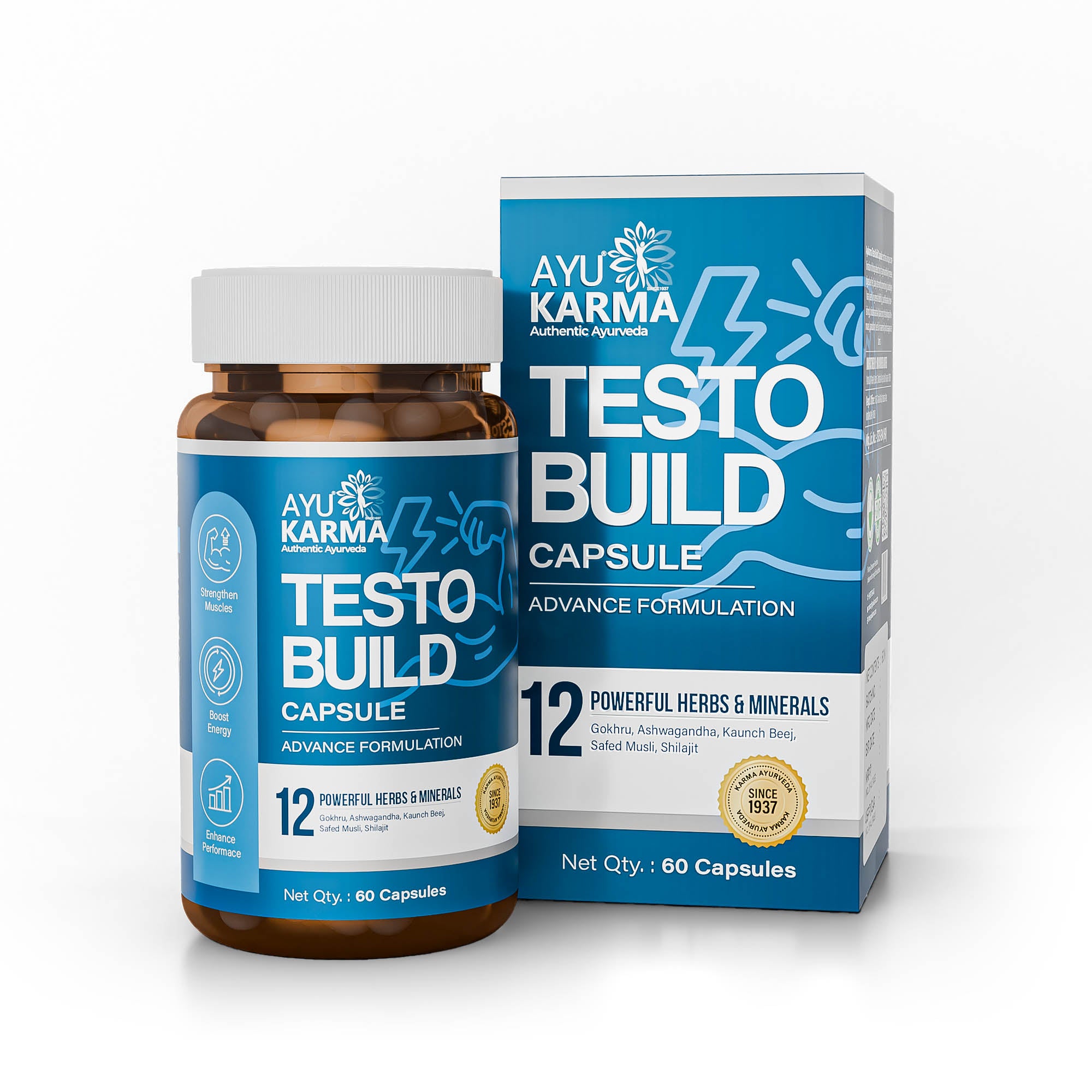
AyuKarma Testo Build Capsules combine 12 Ayurvedic herbs and minerals to support strength, energy, stamina, physical performance, nourishment and overall daily vitality.
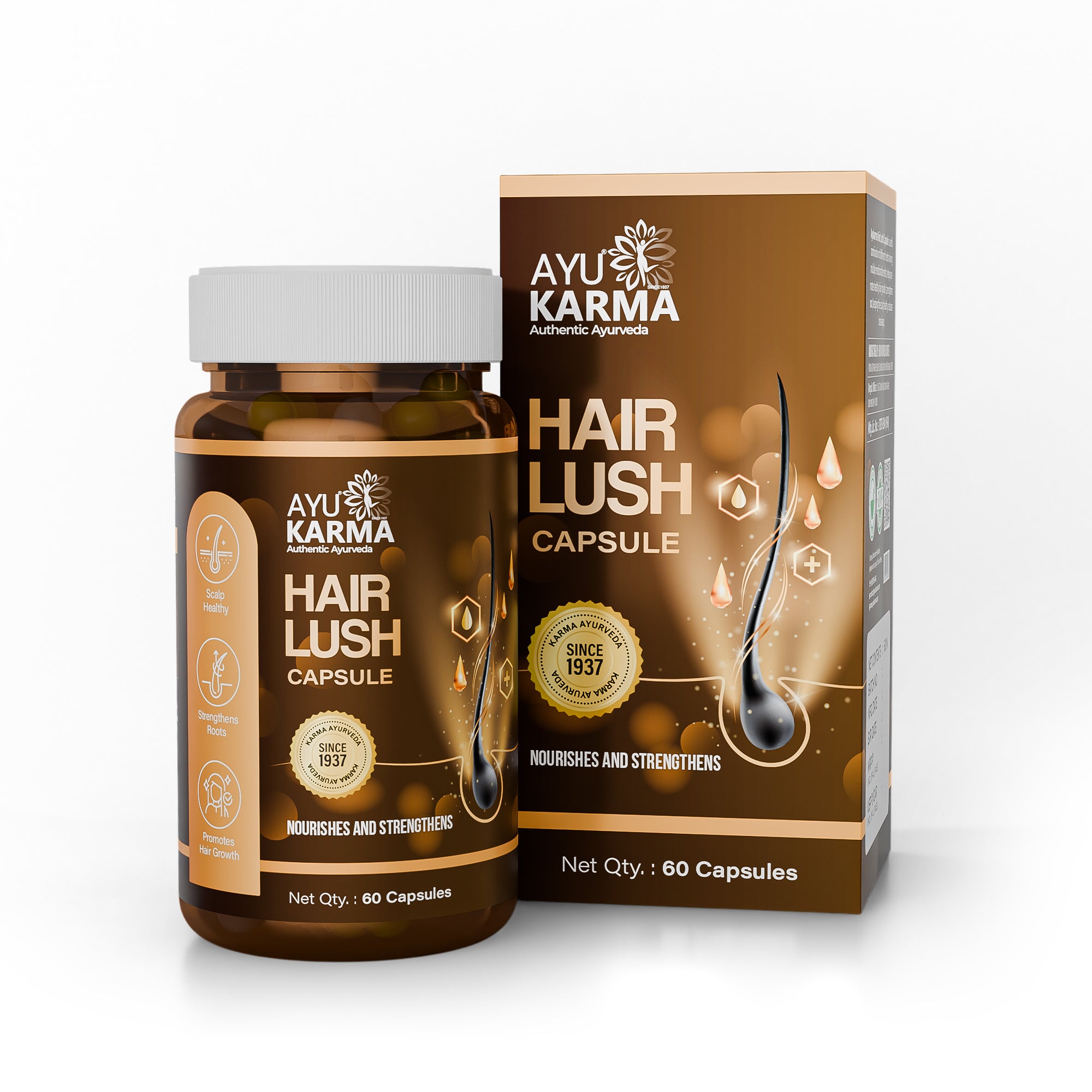
AyuKarma Hair Lush Capsules combine Ayurvedic herbs to support hair growth, reduce hair fall, strengthen roots, nourish the scalp and promote healthier-looking hair.
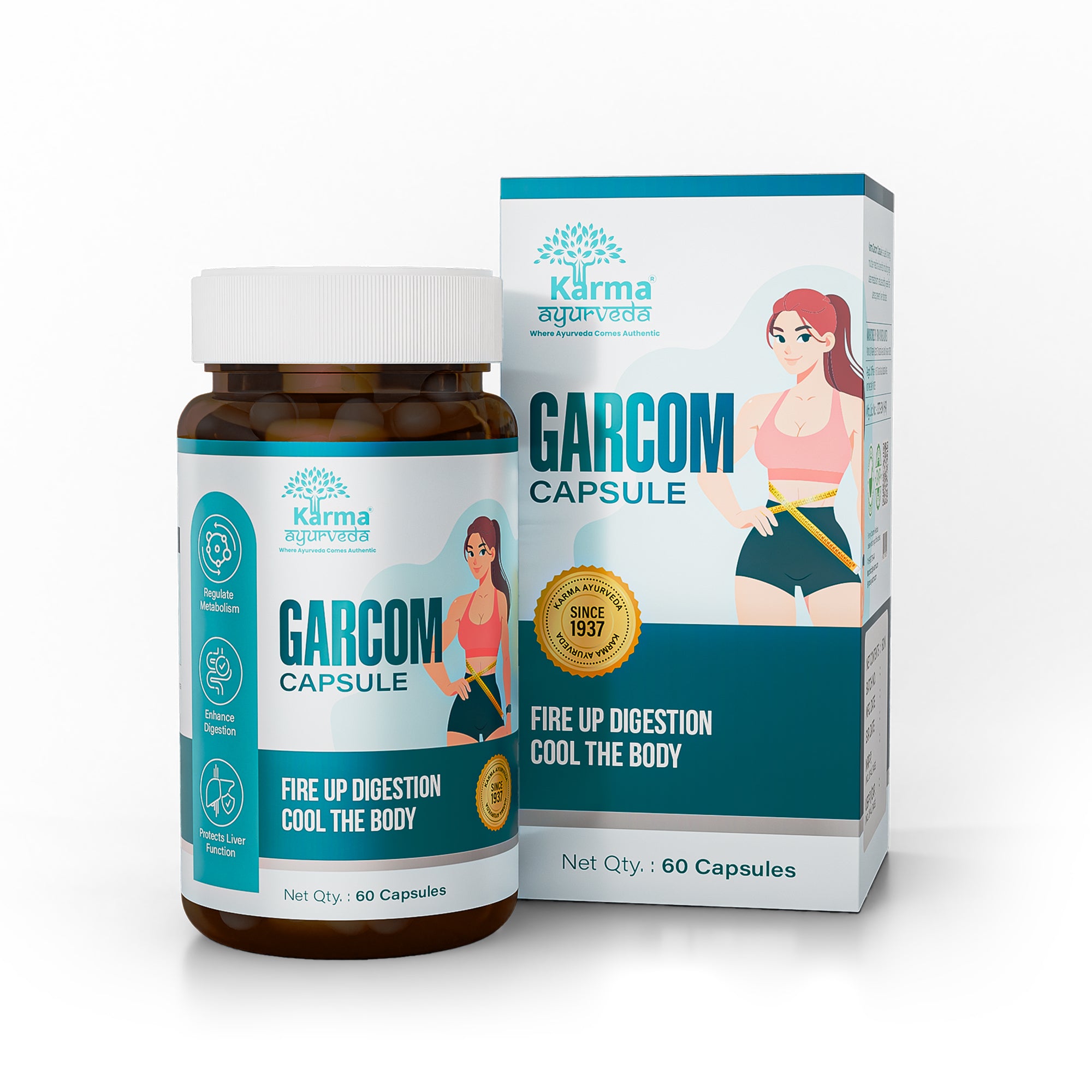
Karma Garcom Capsules contain Garcinia indica to support healthy metabolism, digestion, weight management, digestive comfort and daily wellness alongside a balanced lifestyle.
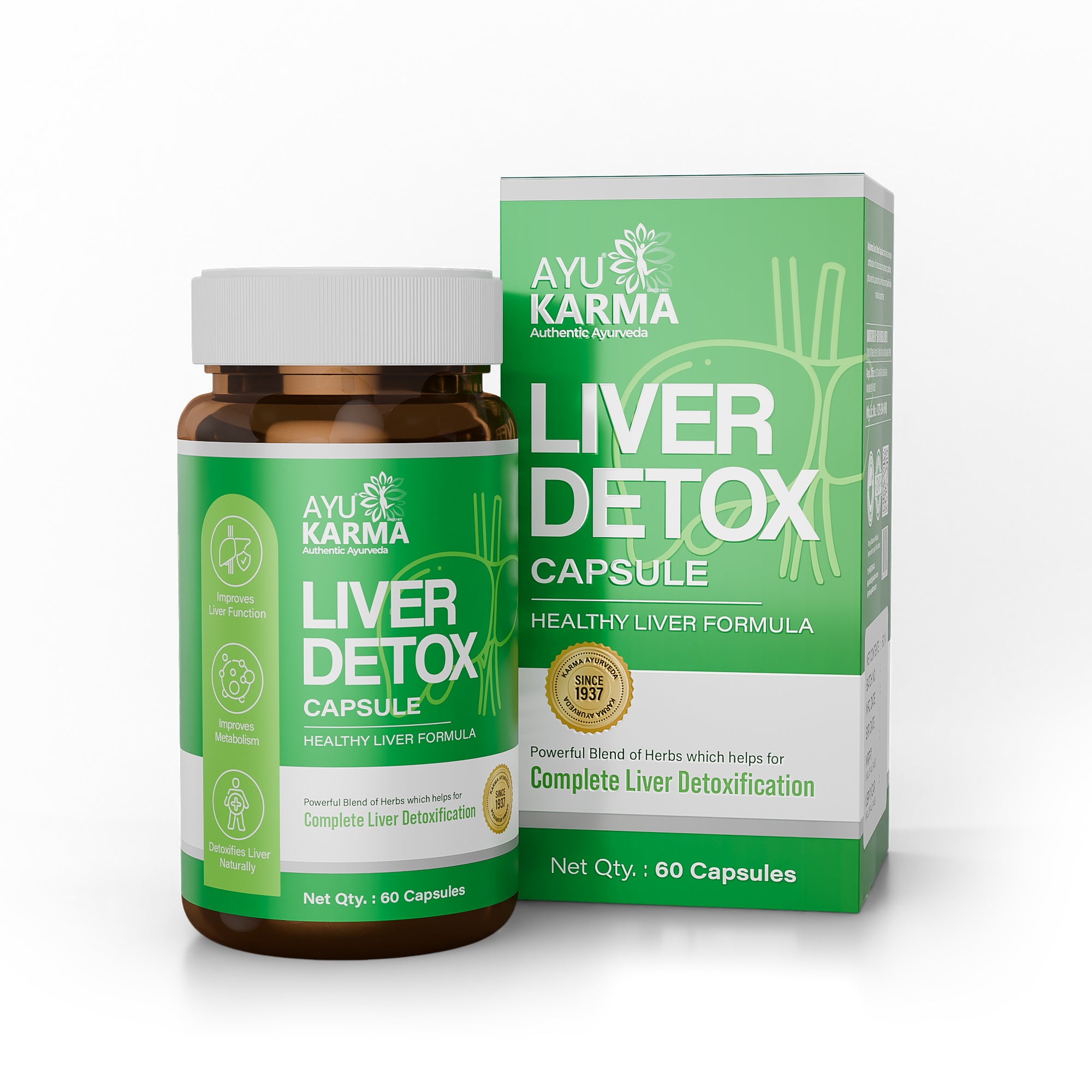
Doctor-recommended liver supplement that helps detoxify the liver, support healthy cholesterol, improve digestion & promote liver health. Developed by Dr. Puneet Dhawan with Karma Ayurveda philosophy.
Second Floor, 77, Block C, Tarun Enclave, Pitampura, New Delhi, Delhi, 110034

Certificate no- AH-2023-0186
JAN 05, 2026 - JAN 04, 2029

US FDA Reg. No.: 14568299376