Unlocking Wellness Naturally
100% Ayurvedic Treatment

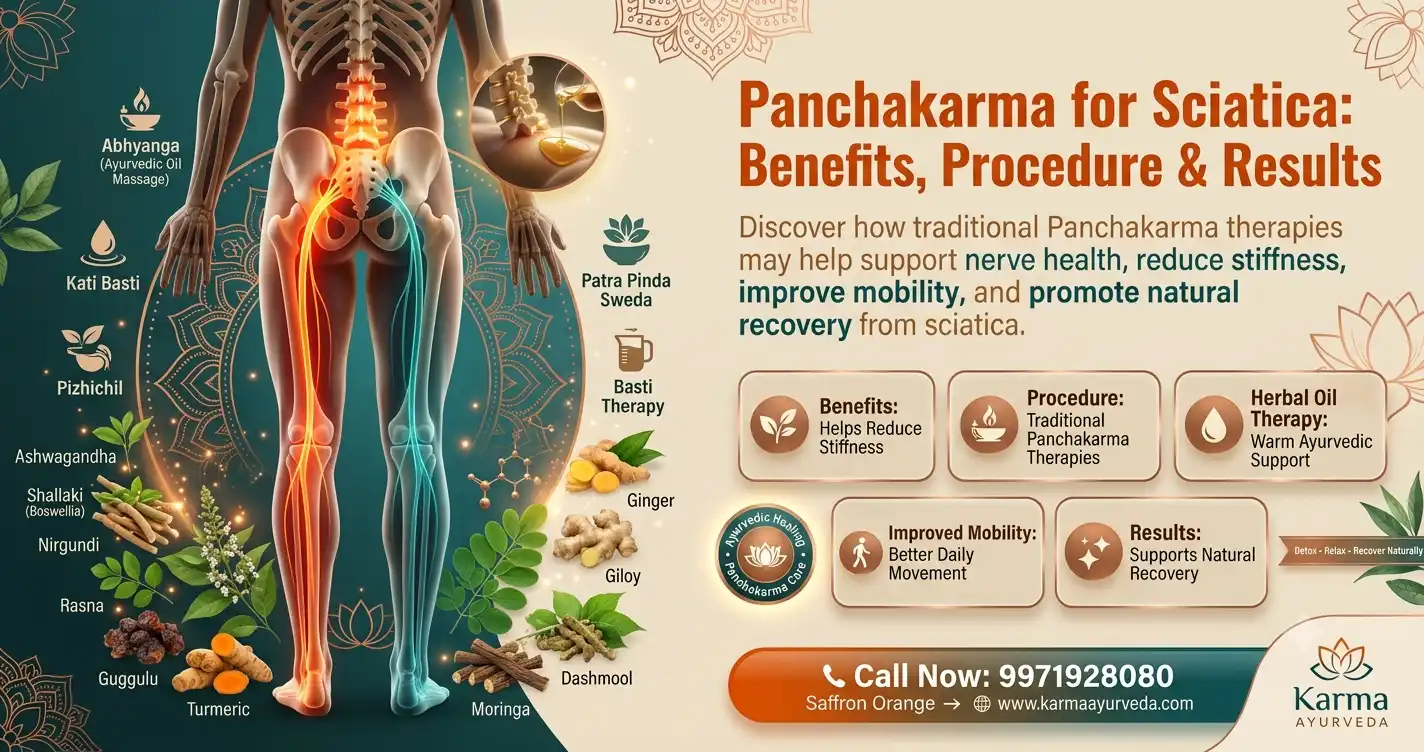
Yes, Panchakarma for Sciatica provides a deeply restorative, non-invasive protocol that targets root-cause nerve compression and deep-tissue inflammation, offering long-term pain relief rather than just temporarily numbing your symptoms. By detoxifying the body and balancing aggravated Vata dosha, this traditional therapeutic system restores spinal mobility and eases sciatic nerve distress.
If you are tired of popping pills that only put a band-aid on a fire, exploring Ayurvedic treatment for Sciatica might just be the breath of fresh air your lower back has been begging for.
The sciatic nerve is the absolute heavyweight champion of your nervous system; the thickest and longest nerve in your entire body. When a herniated disc, spinal narrowing, or tight piriformis muscle pinches this giant nerve, the result is radiating agony, numbness, and burning sensations.
Ayurveda views this whole ordeal through the lens of energy principles, or doshas. Sciatica is primarily a Vata disorder. Vata governs movement, air, and dryness. When Vata gets out of whack; thanks to irregular habits, excessive sitting, cold weather, or heavy lifting; it accumulates in the lower back (Kati region) and dries out the soft tissues, muscles, and nerve sheath.
Sometimes, Kapha (the water/earth element) joins the party, adding stiffness, heaviness, and cold numbness to the pain. To get lasting relief, a proper Sciatica Ayurvedic treatment doesn't just try to numb the nerve; it calms down Vata, melts away metabolic debris (Ama), and lubricates the spine from the inside out.
Panchakarma isn't a fluffy day-spa massage with cucumber water; it is a structured, clinical purification system. When you step into a clinic for Panchakarma for Sciatica, the doctor customize a multi-step routine based on your specific body type and severity.
If there is a crown jewel in sciatica treatment, this is it. The practitioner forms a ring out of black gram dough and seals it securely over your lower spine. Then, they gently pour warm, medicated herbal oils (like Dhanwantharam Taila or Sahacharadi Taila) into this dough reservoir.
You lie still for 30 to 45 minutes while the warm oil pools on your lower back. The deep, sustained heat penetrates straight into the compressed vertebrae, nourishing dried-out intervertebral discs, relaxing surrounding muscle spasms, and soothing irritated nerve roots. It feels like a warm hug for an overworked spine.
Before deep therapies begin, your entire body gets treated to Abhyanga; a rhythmic massage using warm, Vata-pacifying oils. This isn't just about relaxation; the oil absorption helps draw stored toxins out of deeper tissues.
This is immediately followed by Swedana, a localized or full-body herbal steam bath. The heat opens up micro-channels (srotas), improves blood circulation around the sciatic nerve, and flushes out stiffness.
Imagine being gently patted down with hot linen boluses packed with fresh medicinal leaves (like castor, Nirgundi, and Arka) fried in herbal oils. This therapy combines thermal heat with potent anti-inflammatory botanicals. It is particularly effective if your sciatica comes with intense muscle tightness and stiffness.
Now, don't shrink away; this is where the real magic happens. In Ayurveda, the colon is considered the main seat of Vata dosha. Therefore, administering herbal decoctions and medicated oils via the rectal route (Basti) is considered Ardhachikitsa; or literally half of all medical treatments in Ayurveda.
For stubborn, sharp points of acute pain, specialists might use Agnikarma. Using a small metal rod (Shalaka), the doctor applies precise, controlled heat to specific tender points along the sciatic track or toe tips. It sounds intense, but it triggers immediate endorphin release and provides rapid localized pain relief.
You don't have to rely solely on ancient wisdom; modern clinical research supports these traditional claims.
Feature
Conventional Pain Management
Panchakarma Treatment
Primary Goal
Blocks pain signals rapidly
Clears root inflammation & nourishes nerves
Treatment Mode
Pills, epidural injections, or surgery
Warm herbal oils, steam, poultices & Bastis
Side Effects
Gastric acidity, liver strain, dependency
Gentle on organs; requires professional supervision
Long-term Impact
Pain often returns once meds wear off
Focuses on preventing future nerve recurrence
Vibe Factor
Cold clinic, swallowing giant capsules
Warm herbal aromas and dough oil-donuts
While Panchakarma requires professional clinical supervision, you can support your recovery with a daily Sciatica home treatment routine to keep Vata grounded:
Yes, Panchakarma is safe when customized by a certified Ayurvedic doctor who selects gentle, anti-inflammatory therapies like Kati Basti for acute flare-ups.
A standard Panchakarma protocol for sciatica typically lasts between 7 to 21 days, depending on disease severity and individual health.
Panchakarma cannot mechanically undo severe structural disc ruptures, but it significantly reduces inflammation, relieves nerve compression, and promotes natural tissue healing.
You should avoid cold drinks, raw salads, dry packaged snacks, fermented foods, and heavy nightshades that aggravate Vata dosha.
This article is for informational and educational purposes only and does not constitute formal medical advice, diagnosis, or treatment. Always consult a qualified Ayurvedic physician or healthcare provider before starting any Panchakarma therapy or home treatment, especially if you experience severe neurological deficits, loss of bowel control, or progressive muscle weakness.
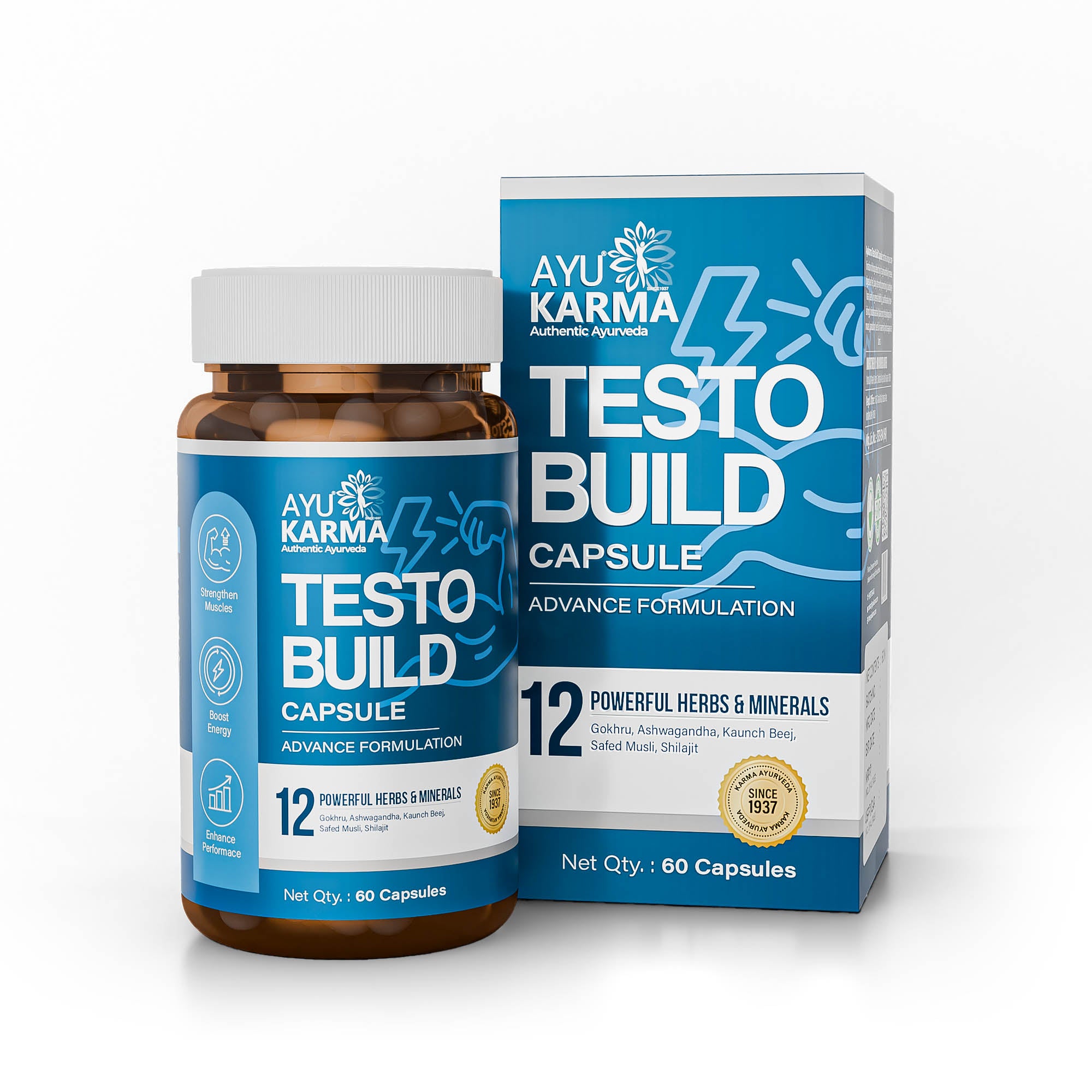
AyuKarma Testo Build Capsules combine 12 Ayurvedic herbs and minerals to support strength, energy, stamina, physical performance, nourishment and overall daily vitality.
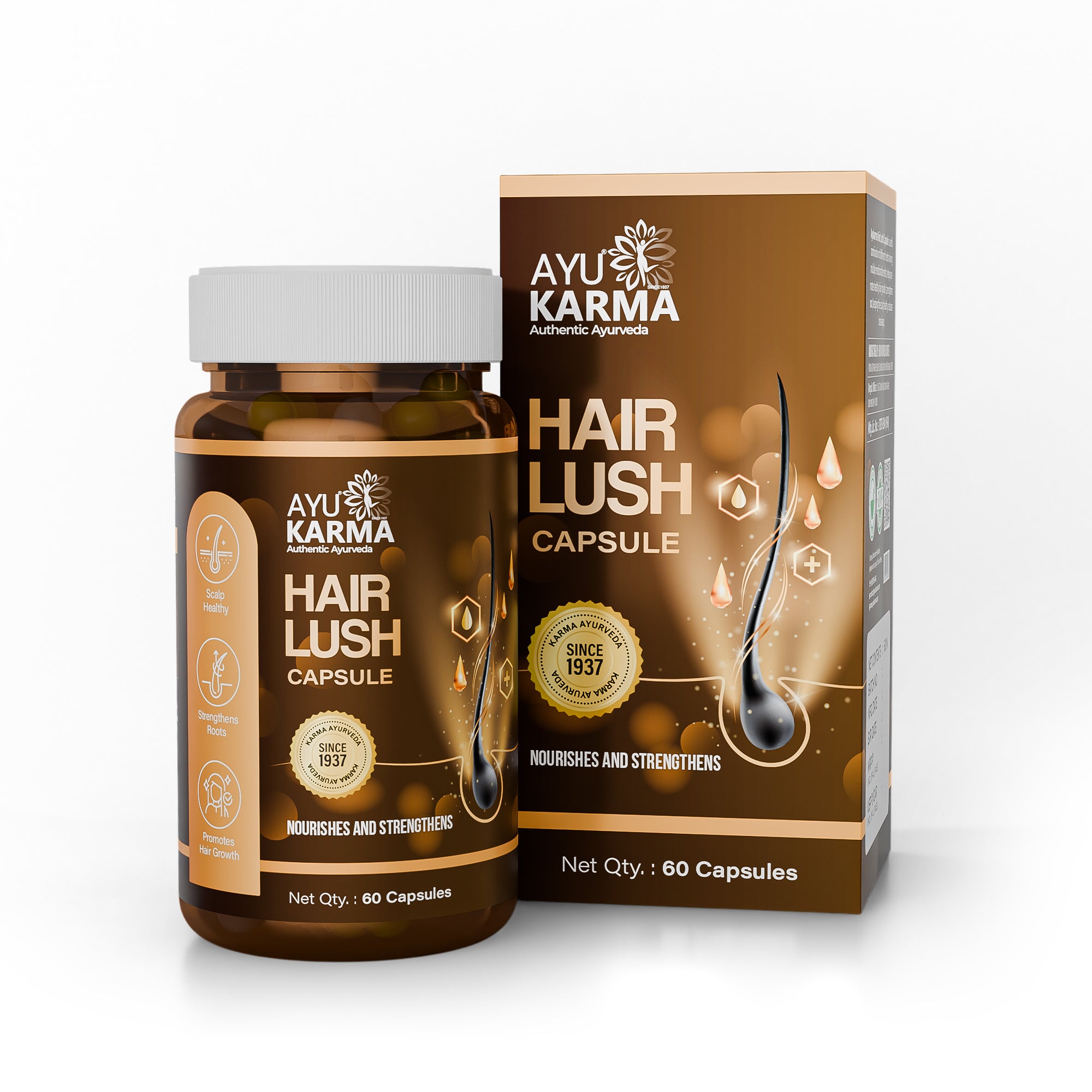
AyuKarma Hair Lush Capsules combine Ayurvedic herbs to support hair growth, reduce hair fall, strengthen roots, nourish the scalp and promote healthier-looking hair.
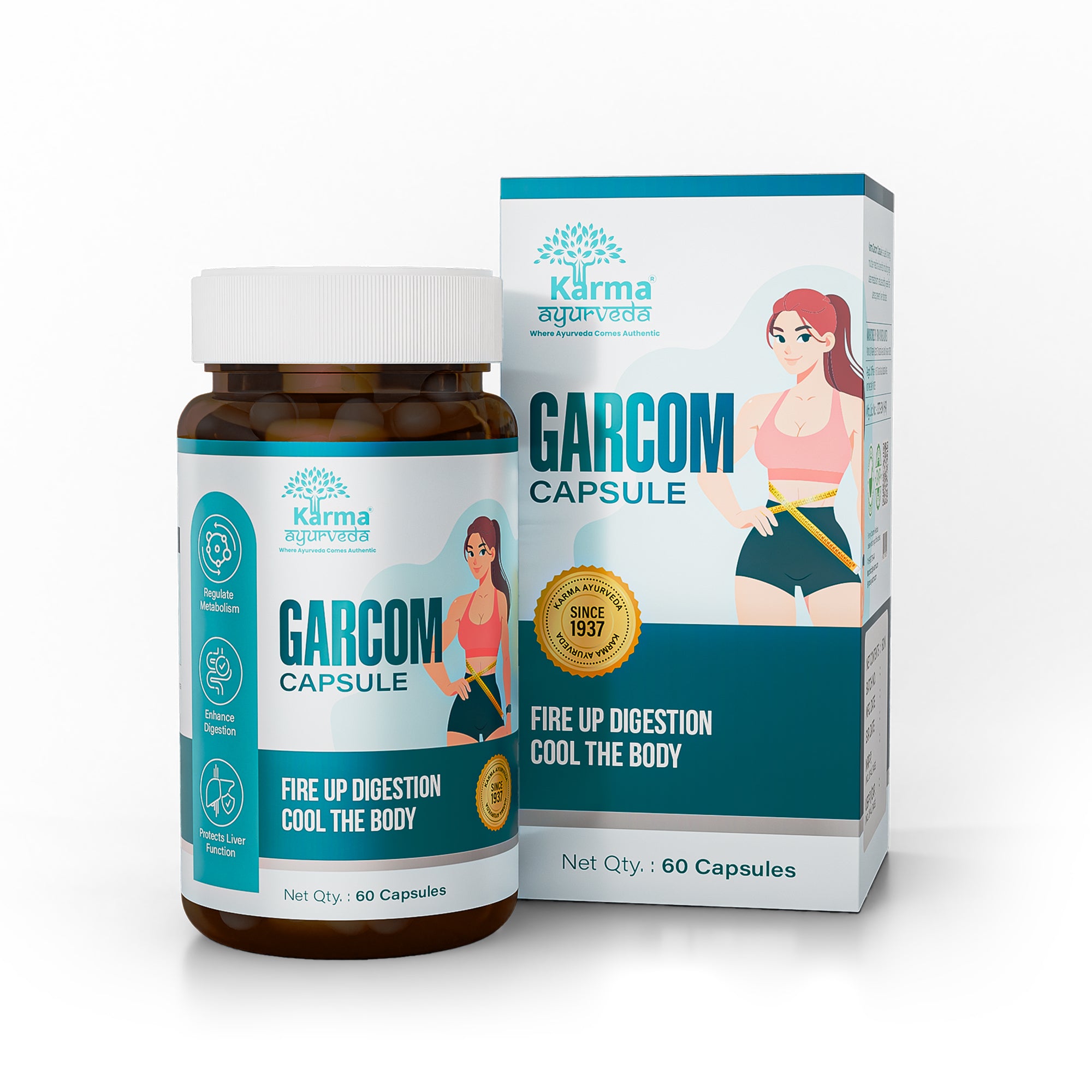
Karma Garcom Capsules contain Garcinia indica to support healthy metabolism, digestion, weight management, digestive comfort and daily wellness alongside a balanced lifestyle.
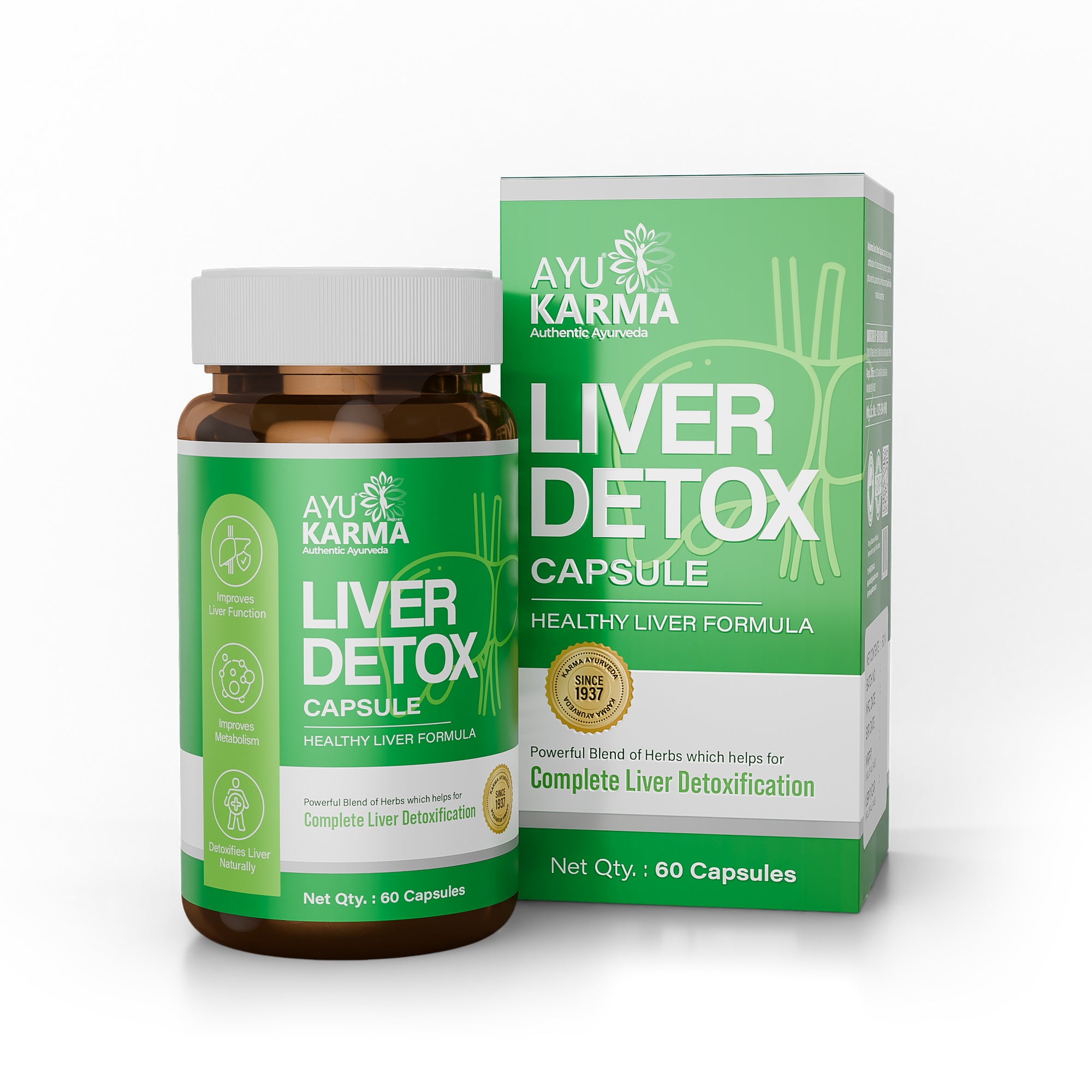
Doctor-recommended liver supplement that helps detoxify the liver, support healthy cholesterol, improve digestion & promote liver health. Developed by Dr. Puneet Dhawan with Karma Ayurveda philosophy.
Second Floor, 77, Block C, Tarun Enclave, Pitampura, New Delhi, Delhi, 110034

Certificate no- AH-2023-0186
JAN 05, 2026 - JAN 04, 2029

US FDA Reg. No.: 14568299376