Unlocking Wellness Naturally
100% Ayurvedic Treatment

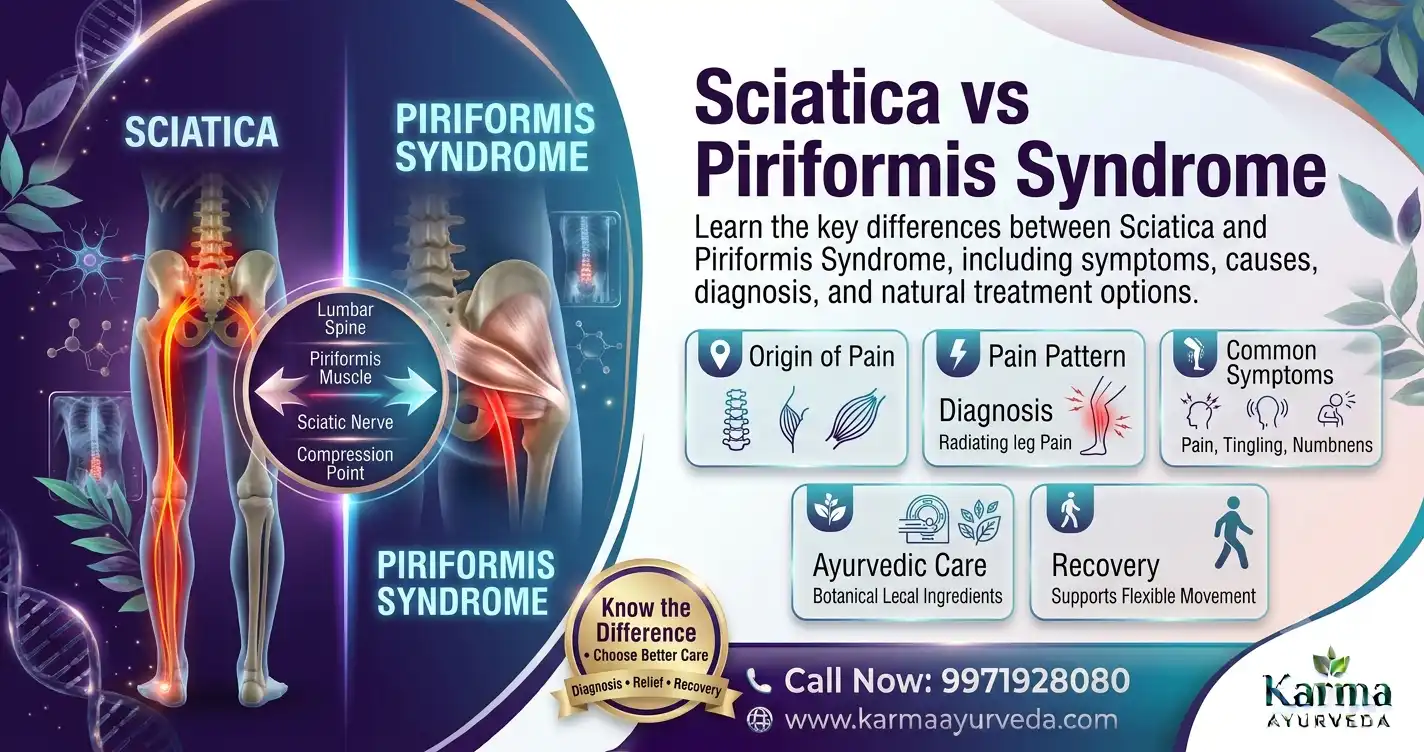
The fastest way to tell the difference between sciatica and piriformis syndrome is location: true sciatica starts in your lower back due to a pinched spine nerve, while piriformis syndrome starts deep in your buttock because a tight muscle is squishing that same nerve. While both send a fiery sensation down your leg, where the trouble actually originates makes all the difference in getting relief.
If you’ve been sitting at your desk, stood up, and felt a shockwave run down your backside that made you drop your coffee, welcome to the club nobody applied to join. Both conditions mess with the sciatic nerve; the thickest, longest nerve in your body; which makes them act like biological body doubles. Let's break down what is actually happening under your skin, how to untangle these two, and what you can do at home to feel like a functioning human again.
Think of your sciatic nerve as a long extension cord running from your lower spine all the way down to your toes.
When you have true sciatica, the plug is getting pinched right at the wall outlet (your lower back). This often ties into Sciatica vs Slip Disc dynamics, where a bulging lumbar disc pinches the nerve root right as it exits the spine.
Piriformis syndrome, on the other hand, happens further down the line. The piriformis is a small, band-like muscle buried deep in your buttock behind your gluteus maximus. Its job is to help rotate your hip. In most people, the sciatic nerve runs right under this muscle; in about 15% of the population, the nerve actually drills straight through it. When that tiny muscle spasms, tightens, or gets inflamed; often from sitting too long or overdoing it at the gym; it grabs the sciatic nerve in a chokehold.
A study published in the European Spine Journal (2010) highlighted that while piriformis syndrome accounts for roughly 6% to 8% of all low back and buttock pain cases, it is frequently misdiagnosed as lumbar spine disease because the symptom pain paths overlap so heavily.
You don't need a medical degree to notice a few subtle clues your body leaves behind. Here is how the symptoms usually play out when you compare the two:
Here is a simple cheat sheet to help you compare the two at a glance:
Once you know what you are dealing with, you can take smart steps toward soothing the fire.
For piriformis tightness, gentle mobility work; like the figure-four stretch or pigeon pose; helps relax the contracted muscle. For spinal issues, extension exercises (like press-ups) often take pressure off the disc. Warm compresses can also encourage tight tissues to loosen their grip.
If you prefer natural wellness traditions, Ayurvedic treatment for Sciatica (historically known as Gridhrasi) focuses on warming, circulating, and soothing irritated nerve lines.
Research in the Journal of Ayurveda and Integrative Medicine (2015) noted that combined conservative therapies; incorporating gentle manual oil applications along with warm fomentation; showed significant clinical reductions in functional pain scores for patients dealing with sciatic nerve irritation.
No, because piriformis syndrome affects the nerve at your hip while true sciatica starts at your spine, though they feel nearly identical.
With gentle stretching and rest, most piriformis flare-ups calm down within a few days to a couple of weeks.
Yes, gentle walking releases natural pain-relieving endorphins and keeps your spinal muscles loose, provided you don't push into sharp pain.
Use ice for the first 48 hours to cool down acute inflammation, then switch to heat to relax stiff muscles.
This article is for educational and informational purposes only and does not constitute medical advice. Always consult a qualified healthcare professional or physician for a proper diagnosis and tailored treatment plan before starting any new treatment, exercise routine, or herbal remedy for back and leg pain.
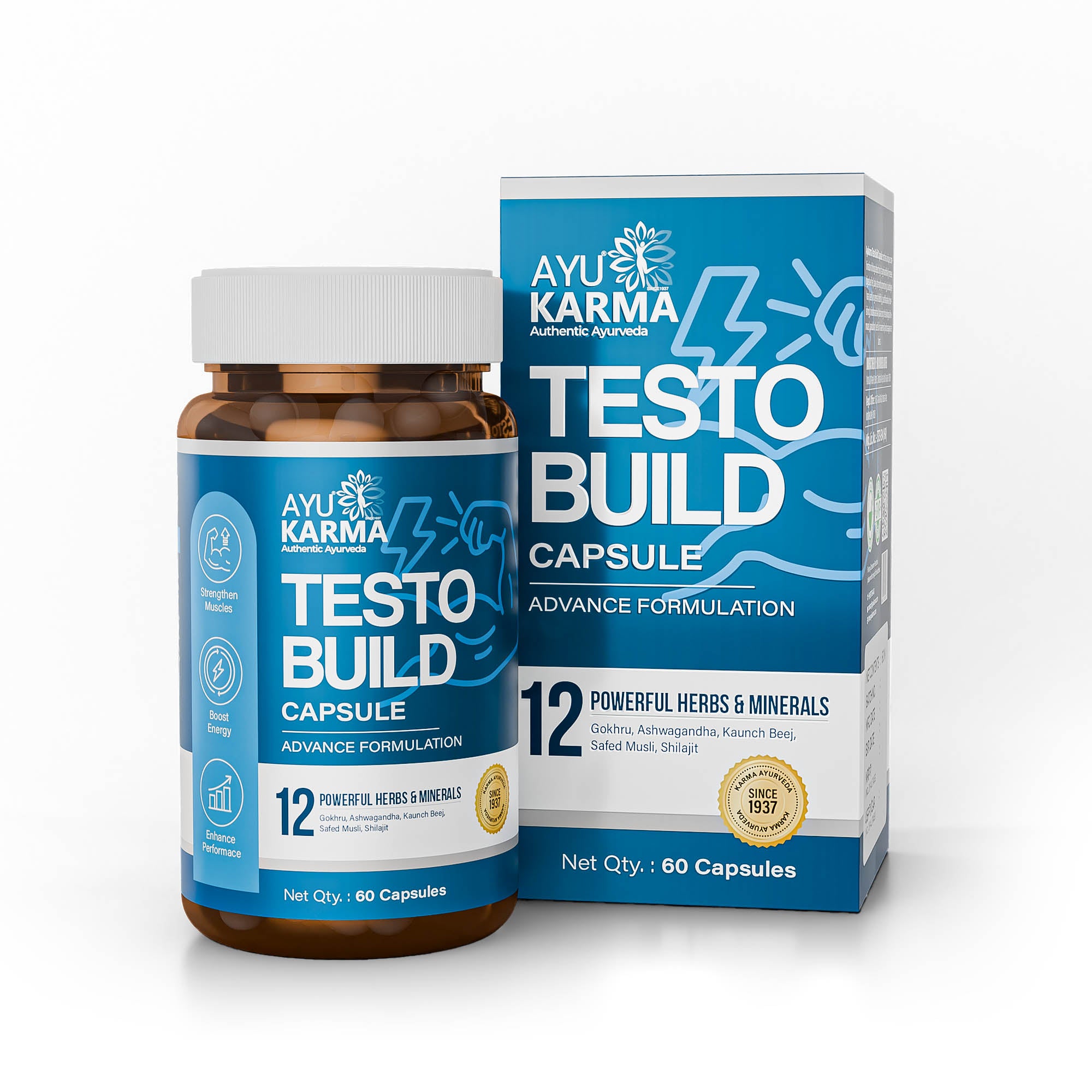
AyuKarma Testo Build Capsules combine 12 Ayurvedic herbs and minerals to support strength, energy, stamina, physical performance, nourishment and overall daily vitality.
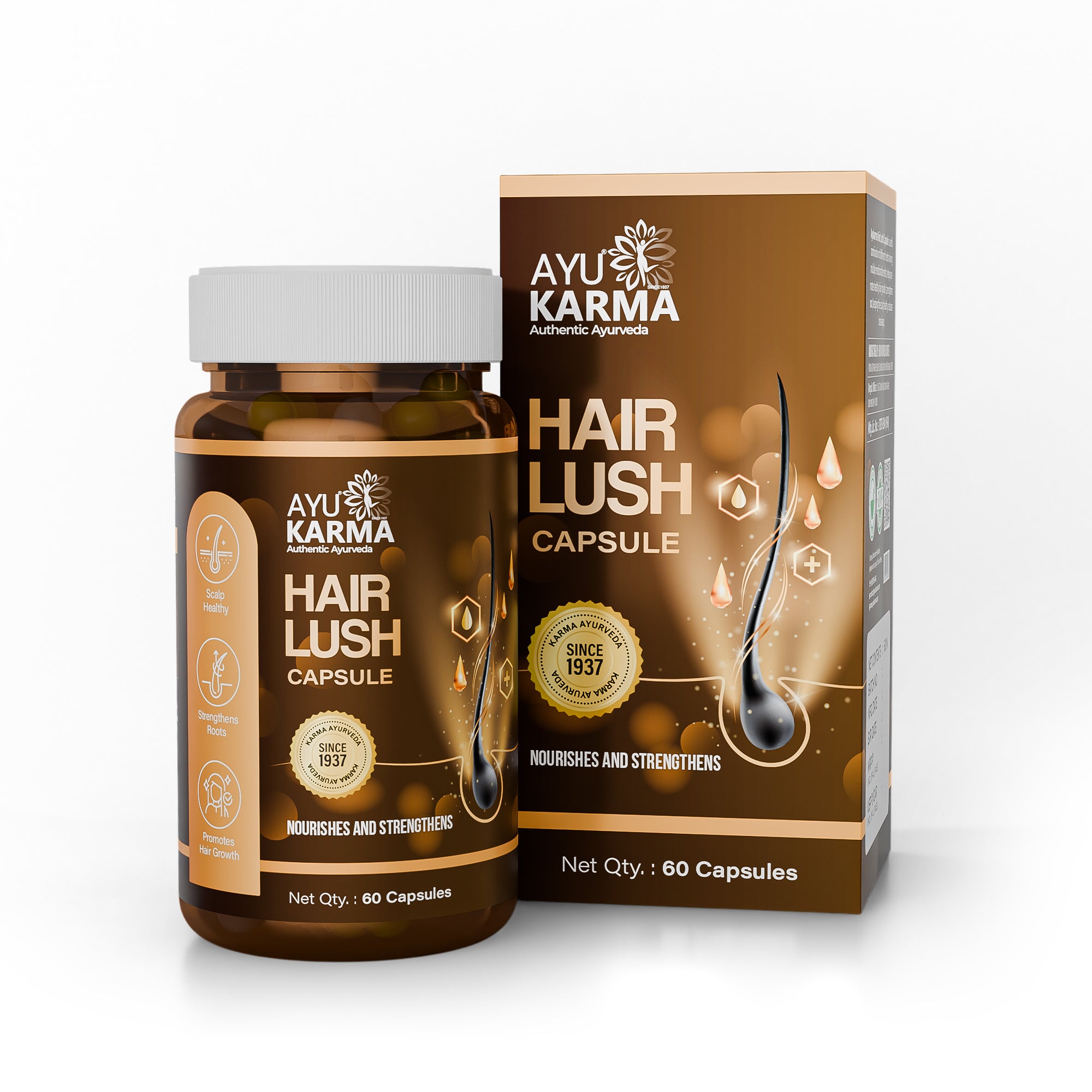
AyuKarma Hair Lush Capsules combine Ayurvedic herbs to support hair growth, reduce hair fall, strengthen roots, nourish the scalp and promote healthier-looking hair.
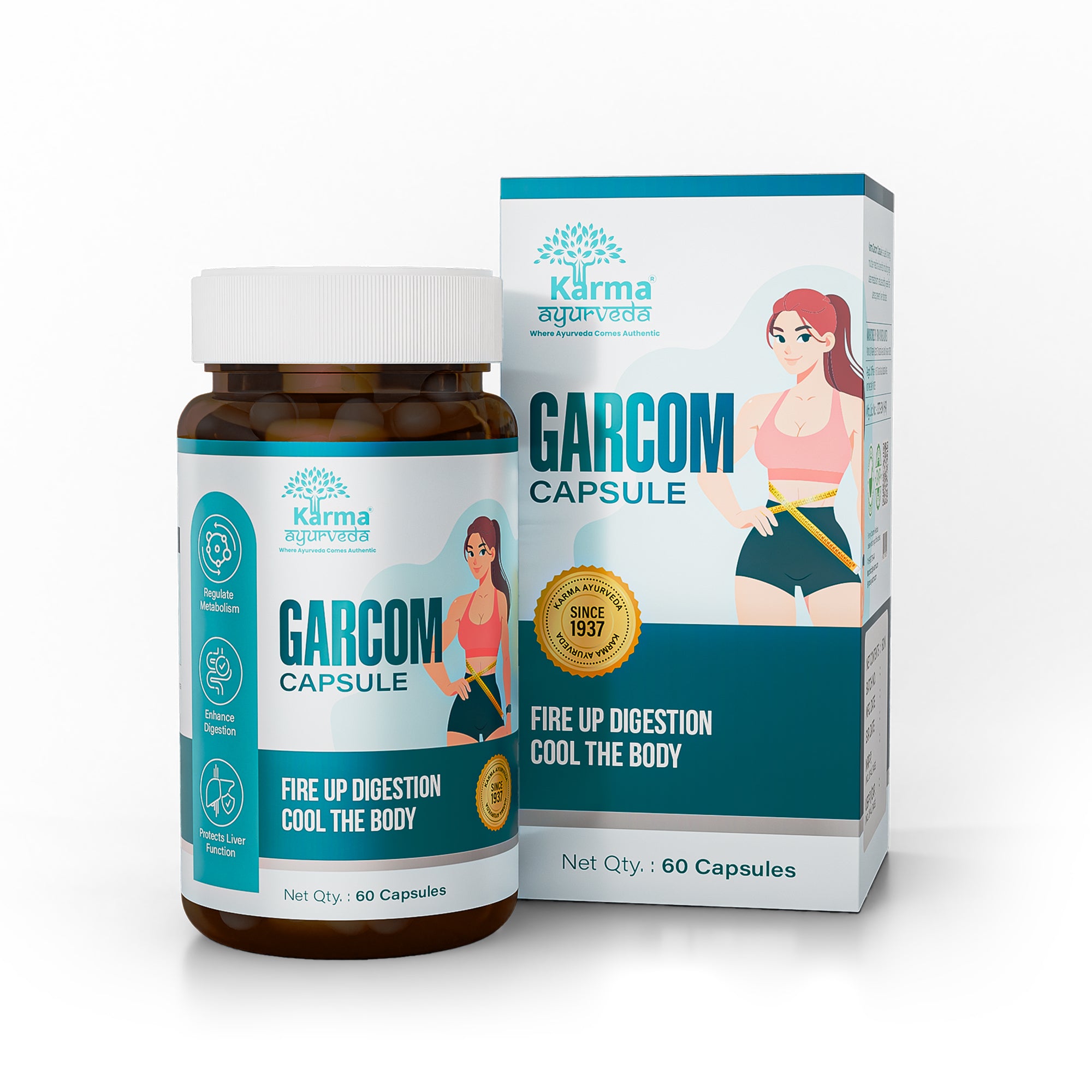
Karma Garcom Capsules contain Garcinia indica to support healthy metabolism, digestion, weight management, digestive comfort and daily wellness alongside a balanced lifestyle.
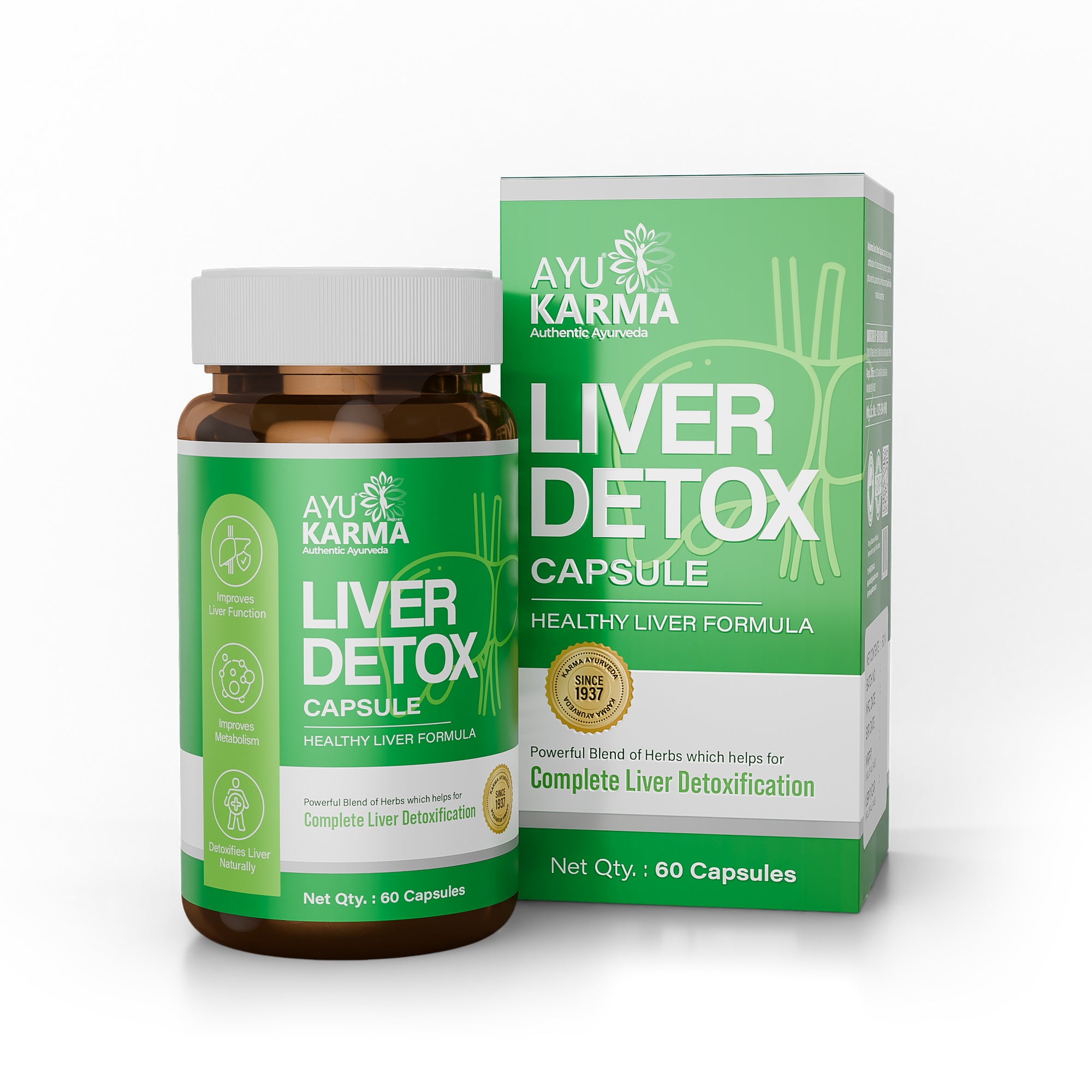
Doctor-recommended liver supplement that helps detoxify the liver, support healthy cholesterol, improve digestion & promote liver health. Developed by Dr. Puneet Dhawan with Karma Ayurveda philosophy.
Second Floor, 77, Block C, Tarun Enclave, Pitampura, New Delhi, Delhi, 110034

Certificate no- AH-2023-0186
JAN 05, 2026 - JAN 04, 2029

US FDA Reg. No.: 14568299376