Unlocking Wellness Naturally
100% Ayurvedic Treatment

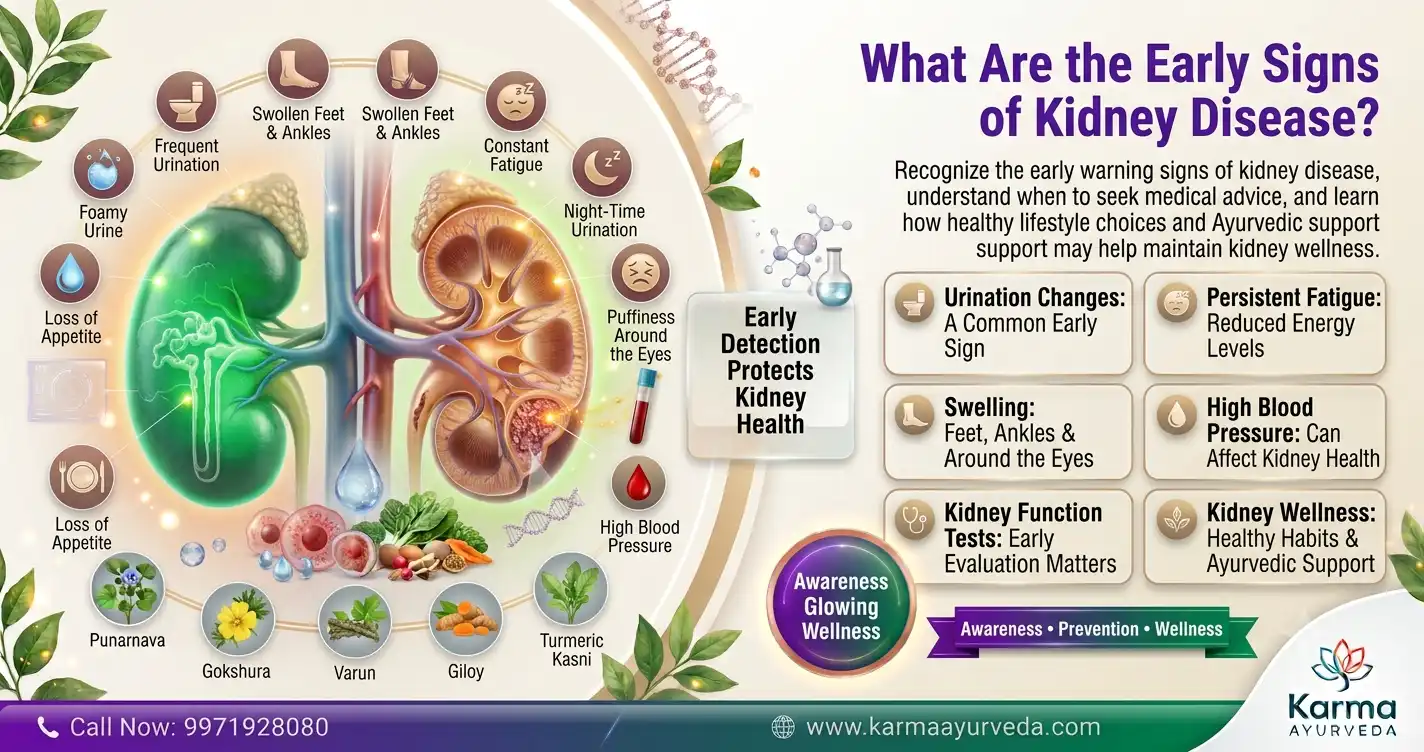
The earliest signs of kidney disease usually show up as quiet, easily missed changes like unexplained fatigue, foamy urine, swollen feet, and persistent eye puffiness. Because your kidneys are polite overachievers, they rarely make a noisy scene until they lose a substantial amount of filtering capacity.
Most people assume that if an internal organ is struggling, it will scream for help with dramatic pain or obvious illness. But your kidneys are different. They are the quiet, stoic custodians of your bloodstream, working 24/7 without taking a single coffee break. By the time they actually send up flare guns, they have usually been under stress for months or even years.
According to data from the Centers for Disease Control and Prevention (CDC) National Health and Nutrition Examination Survey (NHANES), roughly 90% of adults with chronic kidney disease (CKD) have no idea they even have it. That is a staggering number. But why? Because the early symptoms of kidney failure and decline look an awful lot like normal life; being tired from a busy week, eating too much salt, or getting older.
Let us unpack what is actually going on under the hood, how to spot the red flags before they turn into real trouble, and why a quick checkup can save you a world of hassle down the road.
Think of your kidneys as two fist-sized, bean-shaped water filtration plants tucked just below your ribcage. Every single day, they filter around 150 to 170 quarts of blood to pull out waste, excess water, and toxins, sending them out through your urine.
Besides trash collection, your kidneys balance your body's fluid levels, manage mineral levels like sodium and potassium, help control your blood pressure, and even release hormones that tell your bone marrow to make red blood cells. Talk about a heavy lift.
When kidney function starts to drop, waste products slowly build up in the bloodstream. But because your kidneys are built with incredible natural redundancy, the remaining healthy filters (called nephrons) simply work double shifts to compensate. You do not feel "sick" in the classic sense until a huge chunk of those nephrons are out of commission.
If you know what to look for, your body actually gives off subtle hints when your filters need attention. Here are the main kidney damage warning signs to keep on your radar:
It can be tricky to figure out whether you are just having a rough week or if your organs are raising a hand. Here is a quick breakdown to help you spot the difference:
Catching kidney health issues early is not just a nice idea; it is a game-changer for your long-term health.
A landmark population study published in the American Journal of Kidney Diseases revealed that routine screening for albuminuria and monitoring eGFR levels in high-risk groups (such as people with high blood pressure or diabetes) drastically reduces the rate of progression to kidney failure.
Furthermore, research led by Johns Hopkins Medicine highlighted that simple lifestyle modifications combined with early medical interventions; like blood pressure management and target medications; can slow down or even stall chronic kidney disease progression for decades.
The bottom line? Finding out early gives you total control over the outcome.
You cannot diagnose kidney health based on how you feel alone. Fortunately, testing is cheap, painless, and readily available during a standard annual physical:
If you have high blood pressure, diabetes, heart disease, or a family history of kidney issues, getting these two tests checked annually is one of the smartest favors you can do for yourself.
Mrs. Mamta was experiencing multiple health problems that significantly affected her daily life, including declining kidney function, high blood pressure, frozen shoulder, knee pain, and constant fatigue. As her kidney health worsened, her serum creatinine level increased to 3.0 mg/dL, while other kidney-related parameters, such as blood urea, also became abnormal. The combination of these issues made routine activities difficult and prompted her to seek a treatment approach that focused on overall health rather than symptom management alone.
She chose Karma Ayurveda for a holistic treatment plan tailored to her condition. Under the supervision of Ayurvedic kidney care specialists, she followed a personalized regimen that included herbal formulations, Ayurvedic therapies, dietary guidance, and lifestyle modifications. Her progress was regularly monitored to evaluate improvements and make necessary adjustments.
Over time, Mrs. Mamta noticed positive changes in her health. Her energy levels improved, fatigue gradually disappeared, and she felt more active in her daily routine. Her kidney function also showed encouraging progress, with her serum creatinine level decreasing from 3.0 mg/dL to 2.3 mg/dL, along with improvements in blood urea levels. Her journey highlights how a comprehensive Ayurvedic approach, combined with consistent adherence to treatment, may help support kidney health, improve overall well-being, and enhance quality of life.
The earliest physical signs are usually foamy urine and mild swelling around the eyes or ankles.
While damaged kidney tissue usually does not regenerate, early intervention can permanently stall or drastically slow further decline.
Kidney discomfort is typically felt deep in your back under the ribs, whereas common muscle back pain sits lower down in the lumbar area.
Individuals with high blood pressure, diabetes, cardiovascular conditions, or a family history of kidney failure face the highest risk.
This article is provided for informational and educational purposes only and does not constitute medical advice, diagnosis, or treatment. Always consult with a qualified healthcare professional regarding any medical condition, symptoms, or health goals. Never disregard professional medical advice or delay seeking it because of something you have read here.
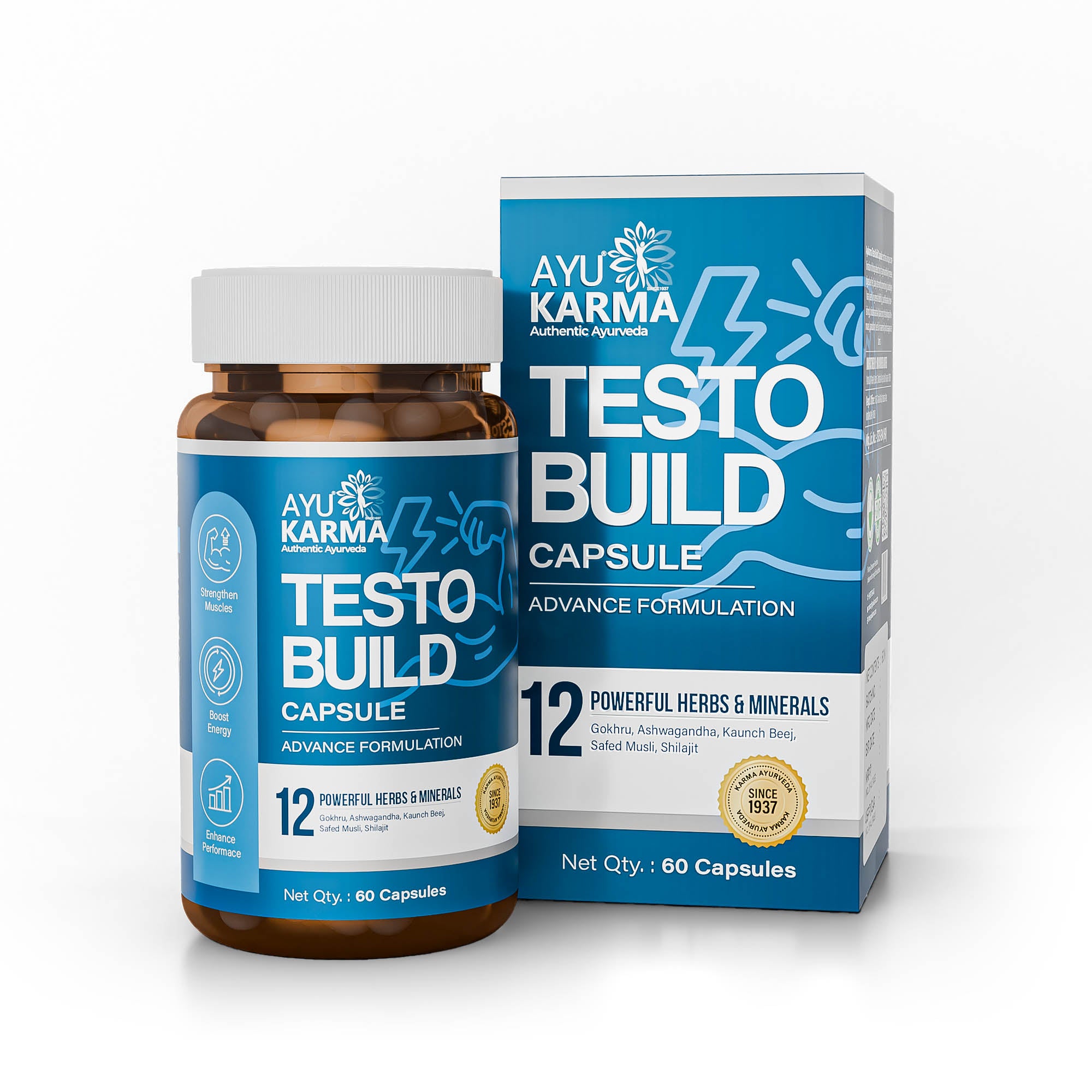
AyuKarma Testo Build Capsules combine 12 Ayurvedic herbs and minerals to support strength, energy, stamina, physical performance, nourishment and overall daily vitality.

AyuKarma Hair Lush Capsules combine Ayurvedic herbs to support hair growth, reduce hair fall, strengthen roots, nourish the scalp and promote healthier-looking hair.

Karma Garcom Capsules contain Garcinia indica to support healthy metabolism, digestion, weight management, digestive comfort and daily wellness alongside a balanced lifestyle.
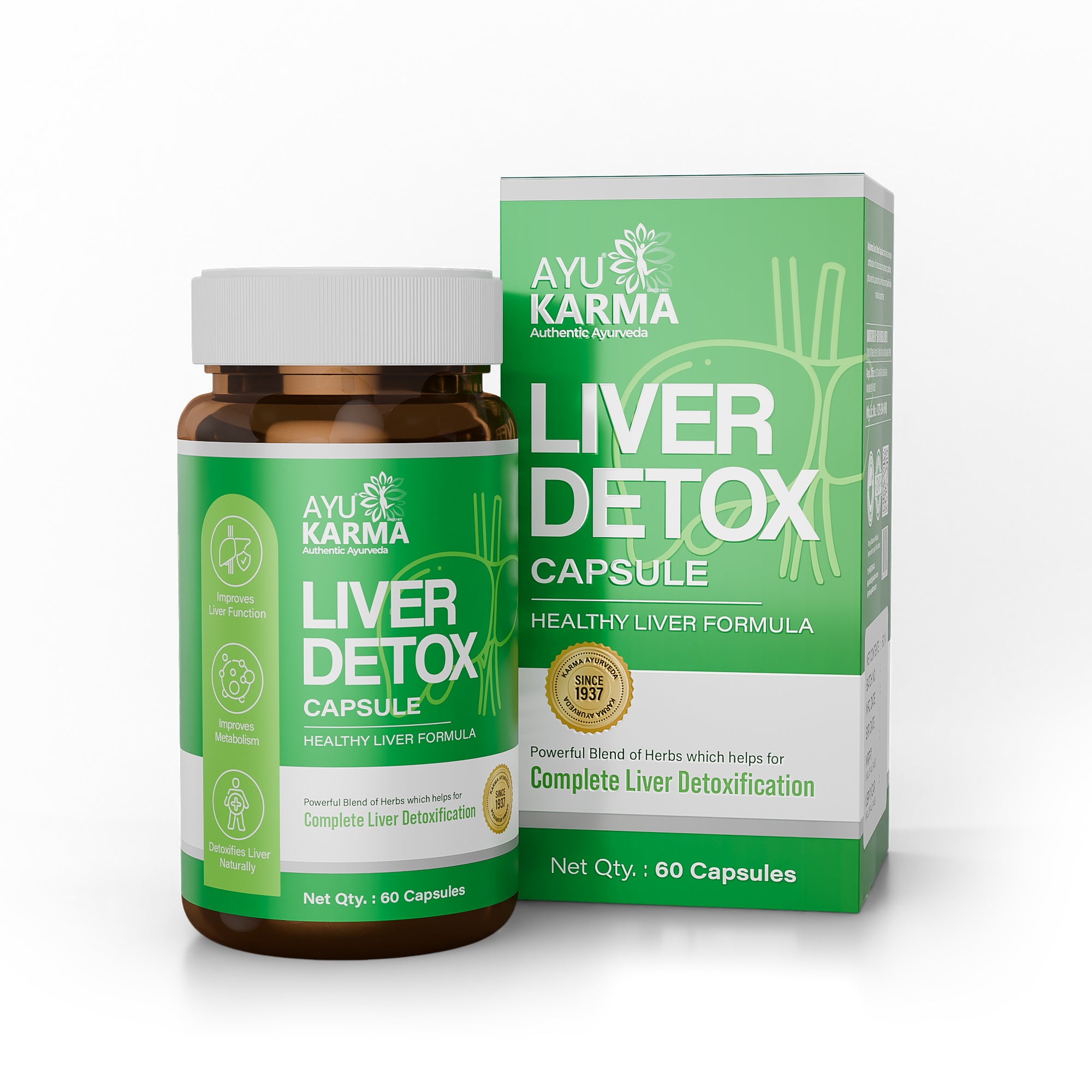
Doctor-recommended liver supplement that helps detoxify the liver, support healthy cholesterol, improve digestion & promote liver health. Developed by Dr. Puneet Dhawan with Karma Ayurveda philosophy.
Second Floor, 77, Block C, Tarun Enclave, Pitampura, New Delhi, Delhi, 110034

Certificate no- AH-2023-0186
JAN 05, 2026 - JAN 04, 2029

US FDA Reg. No.: 14568299376