Unlocking Wellness Naturally
100% Ayurvedic Treatment

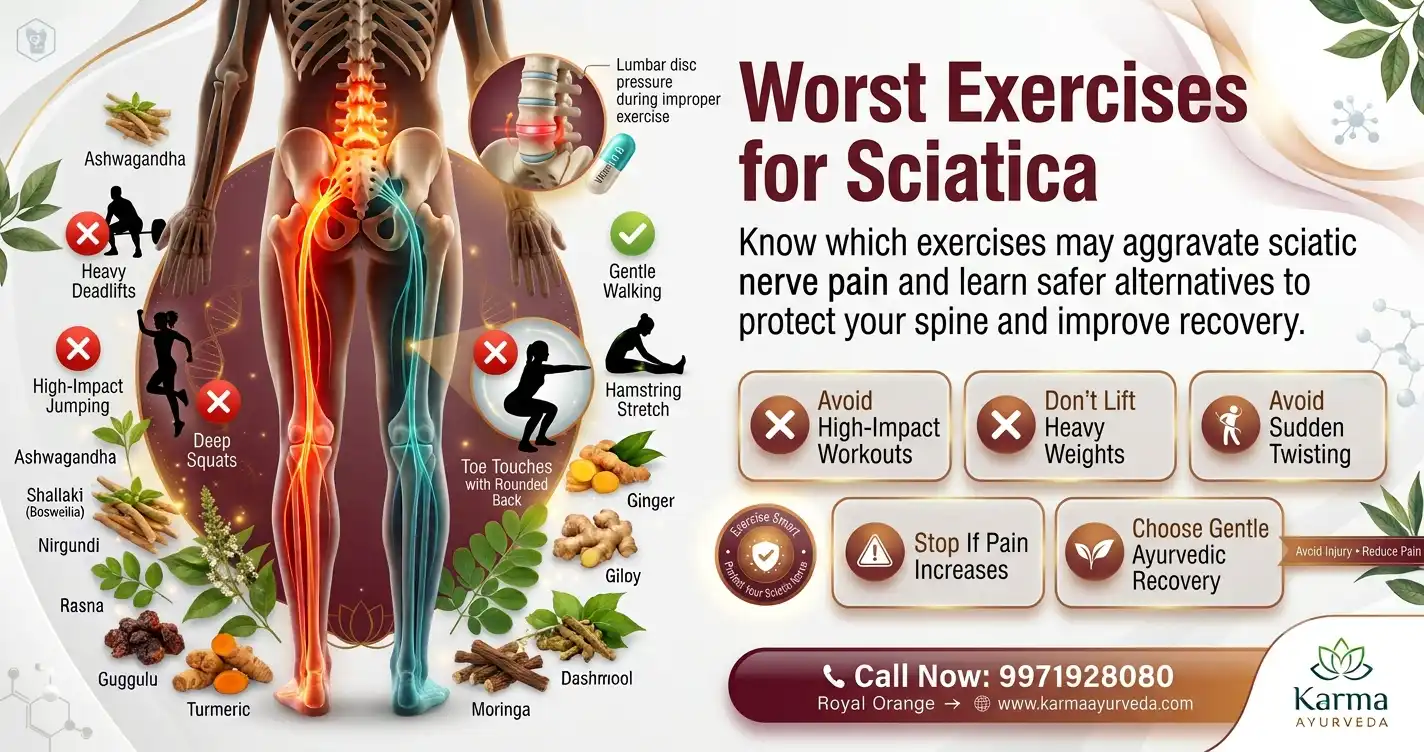
If you are dealing with sciatica, the worst exercises for sciatica are heavy deadlifts, deep forward bends, standing hamstrings stretches, and high-impact cardio like jump rope or running on hard pavement. Pushing through these specific movements can squeeze or stretch the already irritated sciatic nerve, turning a mild ache into a full-blown flare-up.
Let’s be honest for a second: sciatica is absolute torture. It’s that sharp, electric, "who-thought-it-was-a-good-idea-to-fire-a-lightning-bolt-down-my-leg" kind of pain. When your sciatic nerve gets angry, even bending down to pick up a dropped pen feels like an Olympic event.
Naturally, your first instinct might be to "stretch it out" or hit the gym to "strengthen your back." But here is the catch: when it comes to nerve pain, moving blindly can actually backfire. Treating an inflamed sciatic nerve like a tight muscle is one of the quickest ways to end up stuck on the living room floor, staring at the ceiling and questioning your life choices.
Most of us are trained to believe in the classic fitness motto: no pain, no gain. If a muscle feels tight, you stretch it. If your lower back feels weak, you do some sit-ups.
Except nerves aren't muscles.
The sciatic nerve is the thickest and longest nerve in your entire body, running all the way from your lower back down to your feet. When it gets compressed by a herniated disc, bone spur, or inflamed piriformis muscle, it behaves like an overstretched phone chord. Pulling on it forcefully doesn't help it relax; it just pisses it off even more.
A 2020 study published in the Journal of Pain Research highlighted that neural tissue reacts poorly to direct mechanical traction when acutely inflamed. In plain English? Forcefully stretching a pinched nerve compresses its blood supply, leading to increased pain signals and delayed healing.
So, before you roll out your yoga mat, let’s go over the exact movements you should pause right now.
We have all done this one in gym class: keep your legs straight, hinge at the waist, and try to touch your toes.
When you have sciatica, this classic move is a trap. Pulling your upper body down with straight legs puts the sciatic nerve under maximum tension across your hips and knees. It stretches the nerve over the very disc or bone that is pinching it.
Better Move: Try a gentle, lying hamstring stretch with a bent knee, or focus on nerve gliding techniques instead of force.
Yoga enthusiasts, this one might hurt your feelings, but heavy forward folds (like Paschimottanasana) can be devastating for disc-related sciatica.
When you round your lower back forward, you place immense pressure on the front of your spinal discs. This mechanical force can push disc material further backward; right into the path of your sciatic nerve root. A clinical review in The Spine Journal confirmed that lumbar flexion significantly increases intradiscal pressure, which is often the primary trigger for sciatic nerve impaction.
Better Move: Focus on keeping a neutral spine. If you need to bend over, bend at your knees and keep your back relatively straight.
Core strength is crucial for long-term back health, but classic abs exercise like sit-ups or lifting both legs off the ground simultaneously are brutal on your lower back.
Sit-ups place heavy compression forces on the lumbar spine, while double leg lifts yank on your hip flexors, pulling your lower spine into a hyper-arched position. Both scenarios scream bad news for an inflamed sciatic nerve.
Better Move: The "Bird-Dog" or modified planks, which build core stability without twisting or compressing your lower spine.
If you love lifting heavy weights, taking a break from heavy squats and deadlifts during a sciatica flare-up is tough to swallow. But heavy loads directly compress the spine (axial loading). If your form slips even a millimeter at the bottom of a rep, the shear force on your lower discs can cause an instant, severe setback.
Better Move: Bodyweight glute bridges or light wall-sits that target your posterior chain without putting weight directly on your spine.
Running on concrete or pounding away on a hard treadmill delivers repetitive shockwaves right up your leg into your lower back. Every time your heel hits the ground, that impact travels upward, jarring the irritated nerve joints.
Better Move: Walking on smooth surfaces, using an elliptical, or swimming.
To make things effortless, here is a quick guide on what to swap out today:
Exercise to Skip
Standing Toe Touches
Why It Harms Your Sciatica
Yanks directly on the inflamed nerve.
Friendly Alternative to Try
Lying Knee-to-Chest Stretch (gentle on the nerve).
Exercise to Skip
Traditional Sit-Ups
Why It Harms Your Sciatica
Compresses lumbar discs like a nutcracker.
Friendly Alternative to Try
Bird-Dog Motion (builds core with zero disc strain).
Exercise to Skip
Heavy Barbell Squats
Why It Harms Your Sciatica
Crushes the spine under heavy weight.
Friendly Alternative to Try
Bodyweight Glute Bridges (strengthens glutes safely).
Exercise to Skip
Running on Asphalt
Why It Harms Your Sciatica
Repeated hard shocks rattle the lower back.
Friendly Alternative to Try
Pool Walking / Swimming (zero-gravity comfort).
Avoiding the wrong exercises is only half the battle; the other half is helping your body calm down internal inflammation so the nerve can actually rest.
While resting and avoiding bad movements helps, many people look for natural, long-term ways to manage spinal inflammation without relying solely on temporary pain relievers. This is where exploring Sciatica Ayurvedic treatment options becomes a game-changer for many folks.
Ayurveda views sciatica (traditionally referred to as Gridhrasi) as an imbalance in the body's Vata dosha; the energy governing movement and the nervous system. When Vata gets aggravated (due to poor posture, stress, cold weather, or improper physical strain), it leads to dryness, stiff tissues, and sharp nerve pain.
If you are looking for simple sciatica home treatment ideas alongside gentle movement, a few time-tested Ayurvedic principles can provide soothing relief:
For those seeking structured and specialized guidance, institutions like Karma Ayurveda Hospital offer specialized care pathways. Their approach to Karma Ayurveda for Sciatica treatment focuses on identifying the root cause of nerve irritation, combining targeted therapies, custom dietary adjustments, and authentic Ayurvedic treatment for Sciatica Disease to support long-term recovery rather than just masking the symptoms.
A randomized controlled trial published in the Journal of Ayurveda and Integrative Medicine noted that integrative protocols involving specialized Ayurvedic therapies (like Basti or medicated enemas) combined with targeted lifestyle modifications showed significant improvements in reducing pain intensity and improving mobility in patients with lumbar radiculopathy.
Recovery isn't just about what you do during a 30-minute workout; it’s about how you treat your back the other 23.5 hours of the day.
Walking on flat, supportive surfaces usually helps sciatica, but walking downhill or on uneven, hard pavement can aggravate nerve irritation.
Use ice during the first 48 hours of sharp pain to reduce acute inflammation, then switch to gentle heat to relax tight surrounding muscles.
No, aggressive stretching can overstretch an already inflamed nerve, increase pain and delay the healing process.
Most mild-to-moderate sciatica flare-ups improve within four to six weeks with conservative care, proper rest, and safe movement modification.
This article is for informational and educational purposes only and does not constitute medical advice. Sciatica can stem from various underlying spinal issues. Always consult a qualified healthcare provider, physical therapist, or Ayurvedic physician before starting any new exercise routine or treatment plan.
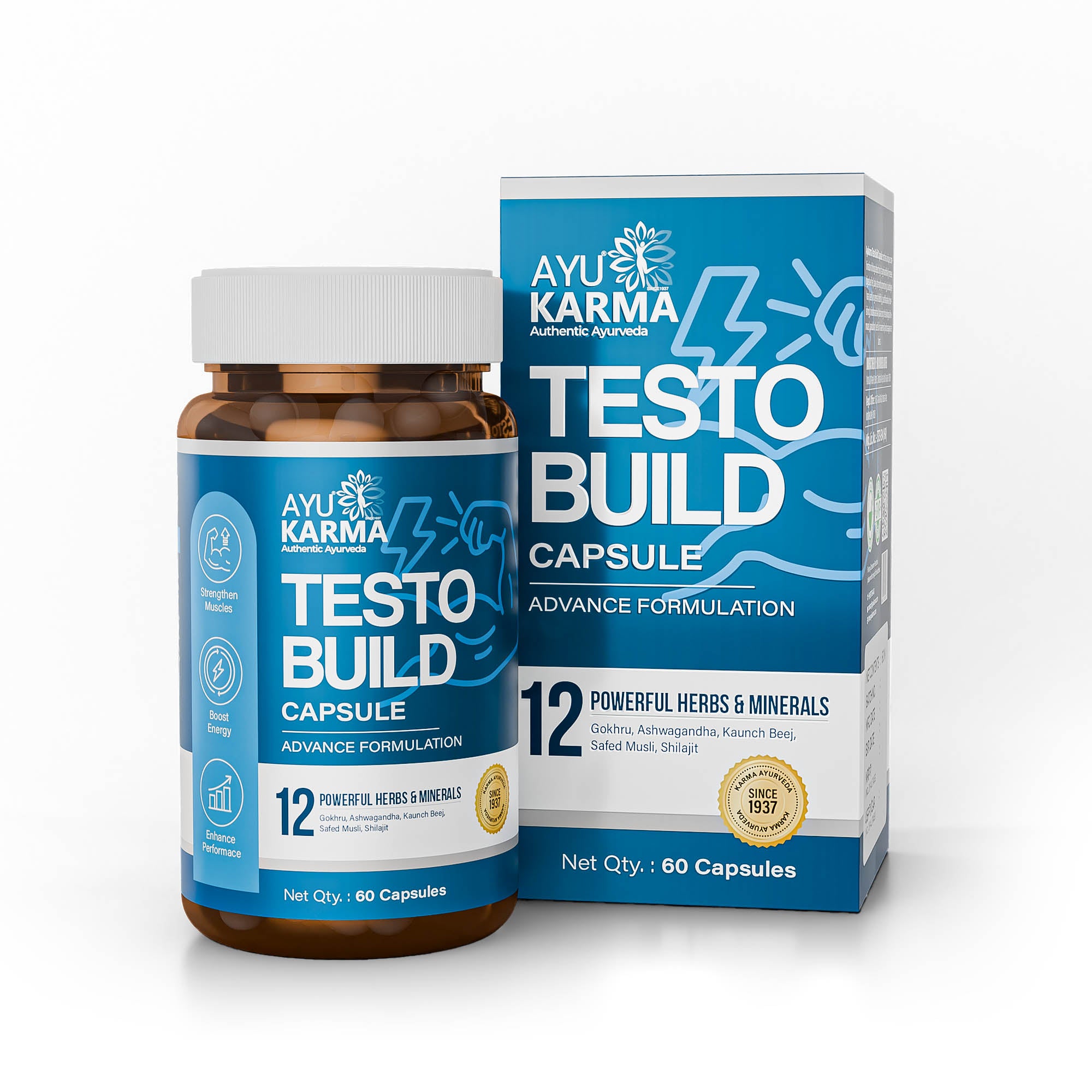
AyuKarma Testo Build Capsules combine 12 Ayurvedic herbs and minerals to support strength, energy, stamina, physical performance, nourishment and overall daily vitality.
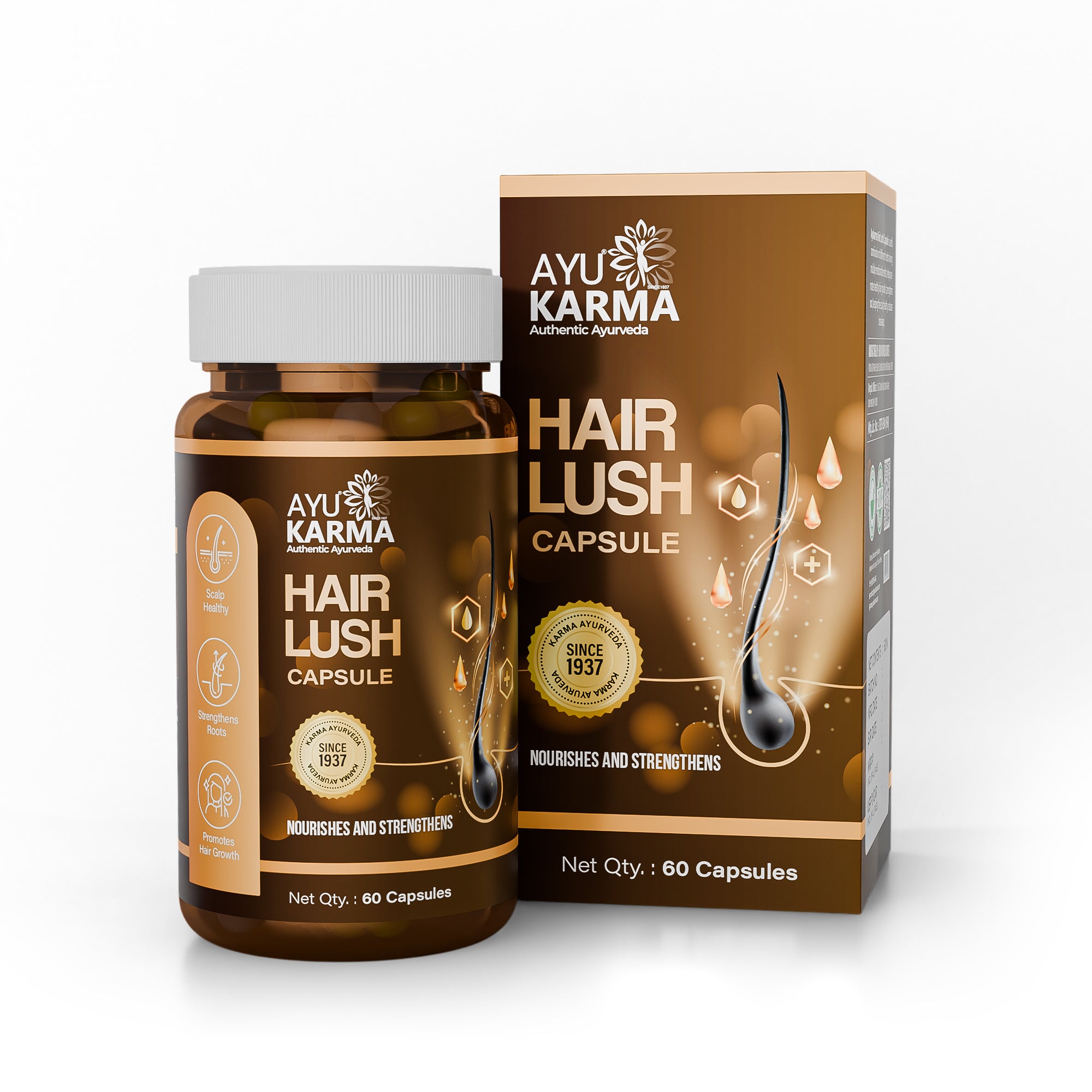
AyuKarma Hair Lush Capsules combine Ayurvedic herbs to support hair growth, reduce hair fall, strengthen roots, nourish the scalp and promote healthier-looking hair.
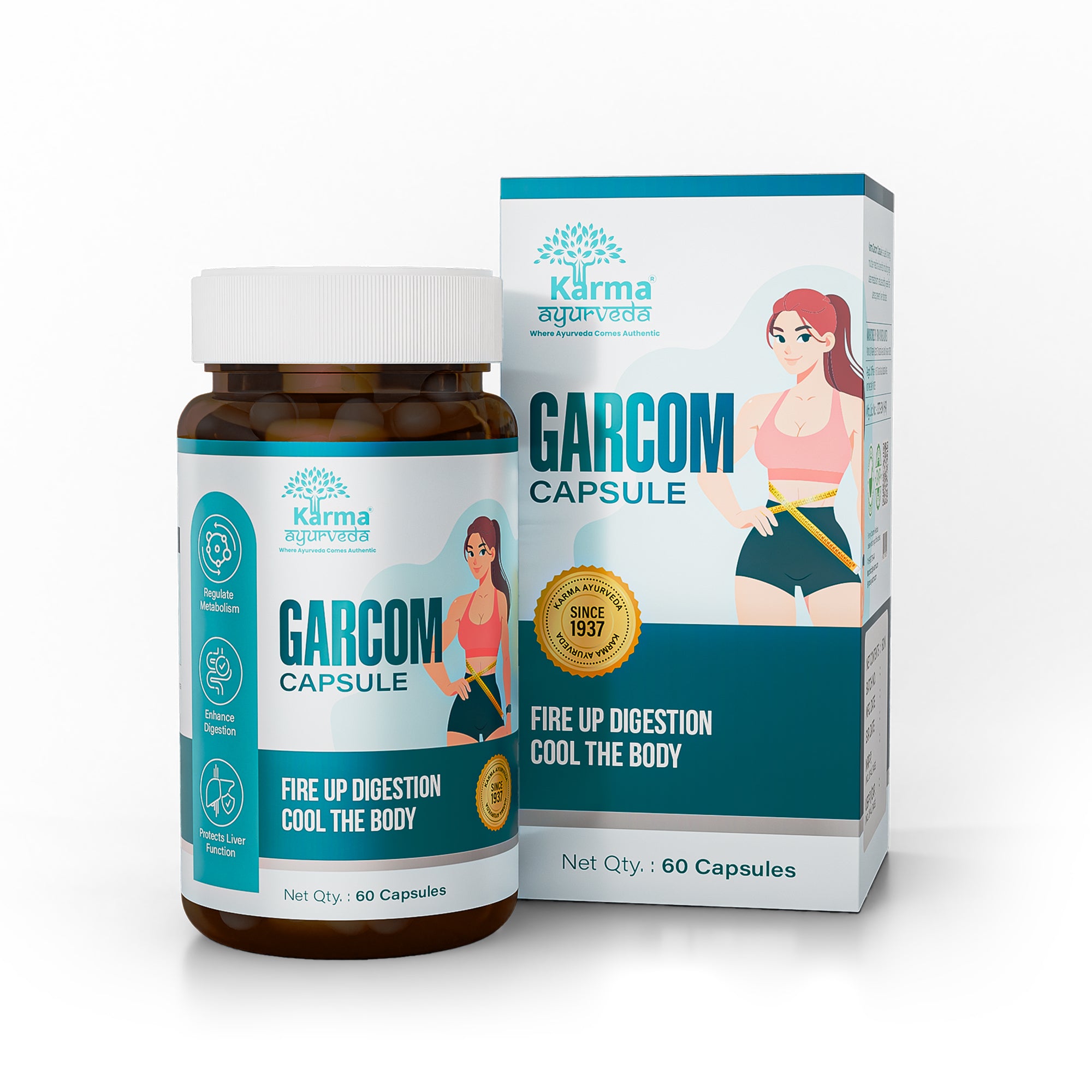
Karma Garcom Capsules contain Garcinia indica to support healthy metabolism, digestion, weight management, digestive comfort and daily wellness alongside a balanced lifestyle.
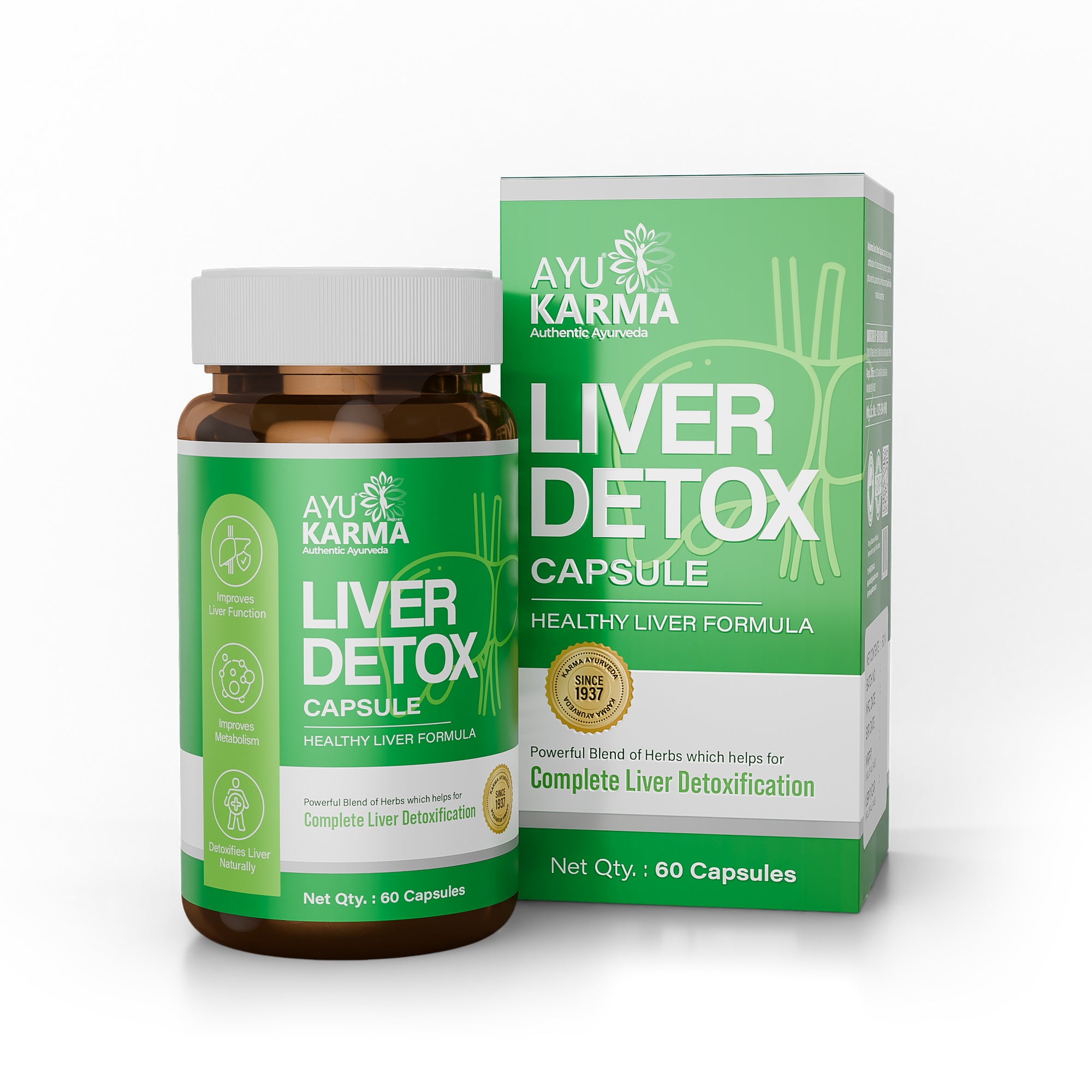
Doctor-recommended liver supplement that helps detoxify the liver, support healthy cholesterol, improve digestion & promote liver health. Developed by Dr. Puneet Dhawan with Karma Ayurveda philosophy.
Second Floor, 77, Block C, Tarun Enclave, Pitampura, New Delhi, Delhi, 110034

Certificate no- AH-2023-0186
JAN 05, 2026 - JAN 04, 2029

US FDA Reg. No.: 14568299376