Unlocking Wellness Naturally
100% Ayurvedic Treatment

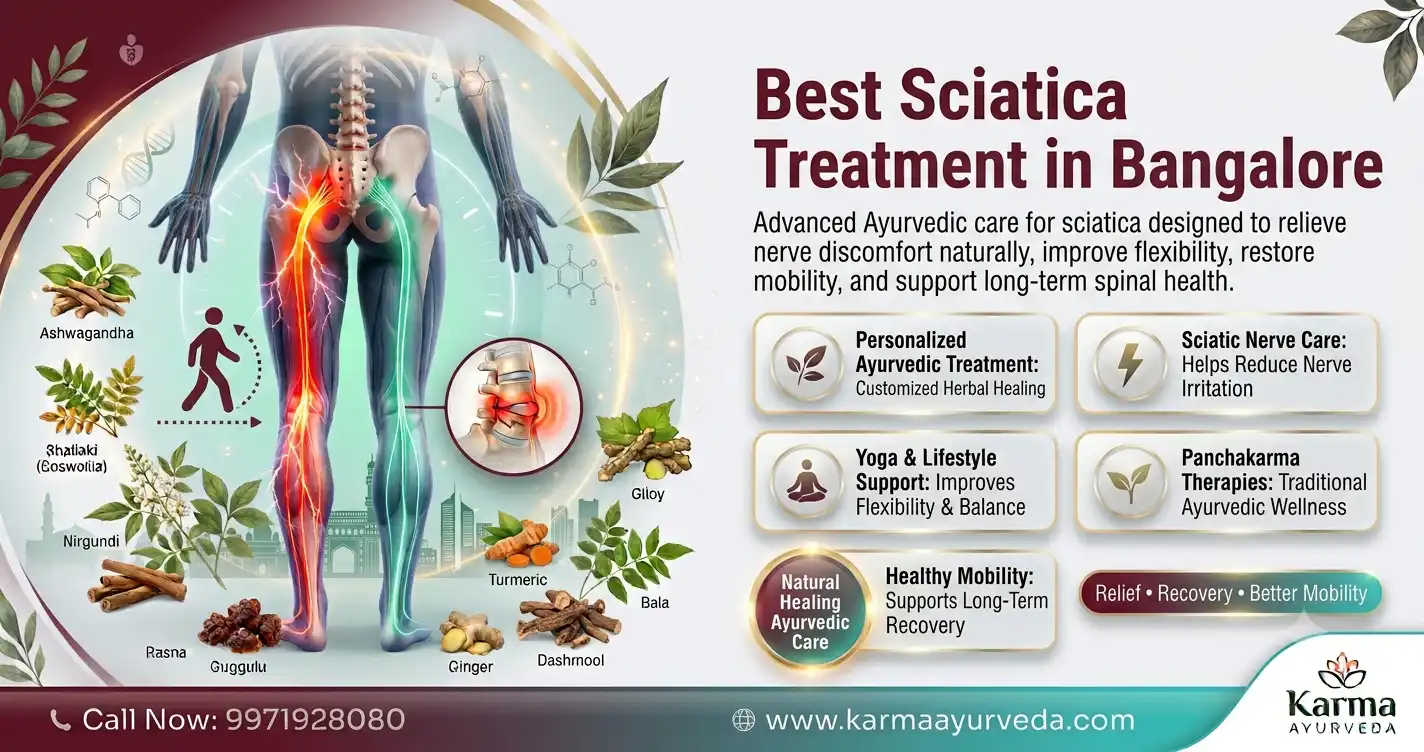
If you're looking for the best sciatica treatment in Bangalore, the answer depends on what's causing your pain. The right treatment often combines accurate diagnosis, targeted therapies, exercise, lifestyle changes, and, in some cases, supportive Ayurvedic care.
The good news? Most people with sciatica don't need surgery. With the right approach, many experience significant relief and get back to doing the things they love; without constantly negotiating with their leg every time they stand up.
Sciatica has a funny way of introducing itself. One day you're bending down to pick up a sock, and the next day your leg feels like it's hosting a fireworks show.
If that sounds familiar, you're not alone. Sciatica is one of the most common nerve-related conditions affecting adults, especially those with sedentary jobs, long commutes, or physically demanding work.
For people searching for the best Sciatica treatment in Bangalore, it's important to know that there isn't one magical treatment that works for everyone. The best treatment is the one that matches the actual cause of your symptoms.
Let's understand what works, what doesn't, and where Ayurveda fits into the picture.
Sciatica isn't actually a disease.
It's a symptom that happens when the sciatic nerve; the longest nerve in your body; gets irritated or compressed.
The pain usually starts in the lower back or buttock and travels down one leg.
Common symptoms include:
Many people confuse Sciatica vs muscle pain, but they're quite different.
Think of muscle pain as someone knocking on your door politely.
Sciatica is more like someone repeatedly ringing the doorbell and refusing to leave.
Sciatica isn't random. Something usually presses on or irritates the sciatic nerve.
Some common causes include:
Finding the exact cause is the first step toward choosing the best Sciatica treatment in Bangalore.
While mild sciatica may improve with conservative treatment, certain symptoms need immediate medical attention.
Seek urgent care if you experience:
These symptoms could indicate a medical emergency.
Treatment depends on the severity and underlying cause.
Here's a quick comparison.
The goal is not just reducing pain but improving mobility and preventing future episodes.
Physiotherapy remains one of the most recommended treatments.
It usually includes:
According to the National Institute for Health and Care Excellence (NICE) Guidelines, structured exercise is recommended for managing low back pain with sciatica.
Doctors may prescribe:
These medications help manage symptoms but don't always address the underlying cause.
In many cases, yes.
Research published in the SPORT Trial (Spine Patient Outcomes Research Trial) showed that many patients improve with conservative treatment, although surgery may provide faster relief for carefully selected individuals with severe symptoms.
Surgery is generally considered when:
Many people also explore Sciatica Ayurvedic treatment as part of a comprehensive care plan.
Ayurveda looks at the body as a whole rather than focusing only on the painful area.
Depending on the individual's condition, an Ayurvedic practitioner may recommend:
Ayurveda should complement; not replace; appropriate medical evaluation, especially when symptoms are severe.
The aim of Ayurvedic treatment for Sciatica is generally to support mobility, reduce discomfort, and promote overall musculoskeletal health.
Treatment plans are individualized and may include:
Scientific evidence is growing, but more high-quality clinical studies are still needed.
External oil application is commonly used in Ayurvedic practice.
Some traditionally used oils include:
These are among the Best Ayurvedic oils for Sciatica traditionally used under professional guidance.
Self-medicating with herbal oils without proper advice isn't always the best idea.
After all, your back deserves better than random internet experiments.
Good news; you don't always have to spend your day lying flat on the bed.
In fact, prolonged bed rest may actually delay recovery.
Simple Sciatica home treatment measures include:
Small daily habits often make a surprisingly big difference.
Your spine enjoys good habits more than fancy gadgets.
Consider:
Your future back will quietly thank you.
Several respected studies support evidence-based management of sciatica.
SPORT Trial (Spine Patient Outcomes Research Trial)
This landmark study compared surgery with conservative treatment for lumbar disc herniation causing sciatica. Both groups improved over time, though surgery often provided quicker symptom relief in selected patients.
NICE Guidelines for Low Back Pain and Sciatica
The guidelines recommend structured exercise, patient education, and avoiding prolonged bed rest while reserving invasive treatments for appropriate situations.
American College of Physicians Clinical Practice Guidelines
These guidelines encourage non-drug approaches such as exercise, rehabilitation, and multidisciplinary care before considering invasive treatments for most patients with chronic low back pain.
Some individuals also explore Karma Ayurveda for Sciatica treatment as part of an integrative approach to managing symptoms.
Ayurvedic centers typically focus on:
As with any treatment, it's important to consult qualified healthcare professionals and ensure the treatment plan is appropriate for your condition.
If you're comparing treatment options, consider:
The "best" treatment is the one that addresses your specific condition; not simply the most expensive one.
Finding the Best Sciatica treatment in Bangalore isn't about chasing miracle cures. It's about understanding what's causing your pain and choosing a treatment plan that fits your needs.
For many people, a combination of physiotherapy, exercise, lifestyle improvements, and supportive Ayurvedic treatment for Sciatica offers a balanced approach to recovery. The earlier the condition is evaluated, the better the chances of improving mobility and reducing pain before it starts interfering with everyday life.
Your sciatic nerve may be loud right now; but with the right care, it doesn't have to stay that way.
The best treatment depends on the cause, but most people improve with exercise, physiotherapy, and appropriate medical care.
Sciatica Ayurvedic treatment may help support symptom management and mobility, but treatment should be individualized and medically supervised.
Traditional options include Mahanarayana Taila, Dhanwantharam Tailam, Sahacharadi Tailam, and Kottamchukkadi Tailam under expert guidance.
Yes, many mild cases improve with Sciatica home treatment like walking, stretching, posture correction, and heat therapy.
No, most people recover without surgery, which is generally reserved for severe or persistent cases.
This article is intended for educational purposes only and should not be considered medical advice. Sciatica can have several underlying causes, and proper diagnosis is essential before starting any treatment. Always consult a qualified healthcare professional before beginning medications, physiotherapy, or Ayurvedic therapies. Individual results vary, and treatment should always be tailored to your specific condition.
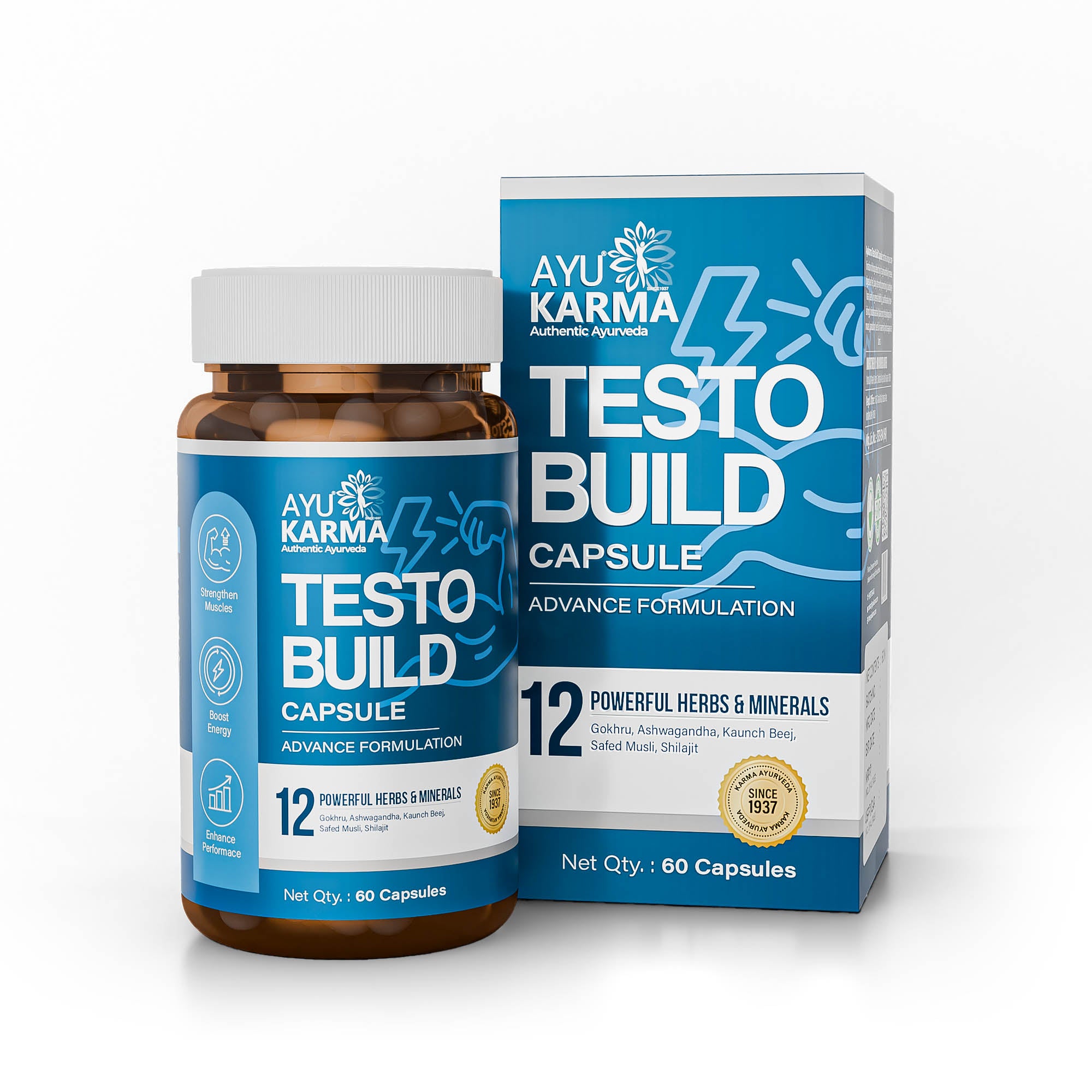
AyuKarma Testo Build Capsules combine 12 Ayurvedic herbs and minerals to support strength, energy, stamina, physical performance, nourishment and overall daily vitality.
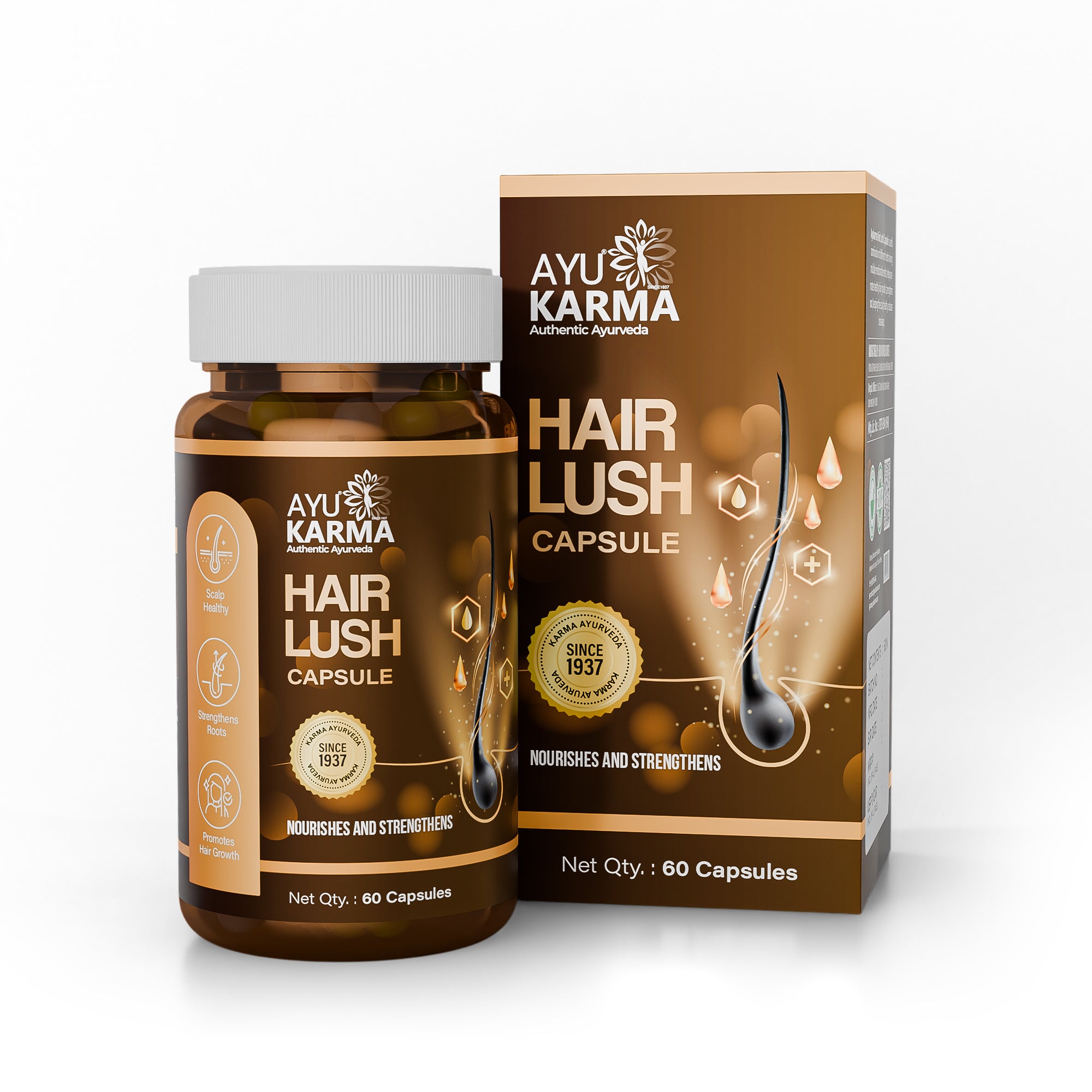
AyuKarma Hair Lush Capsules combine Ayurvedic herbs to support hair growth, reduce hair fall, strengthen roots, nourish the scalp and promote healthier-looking hair.
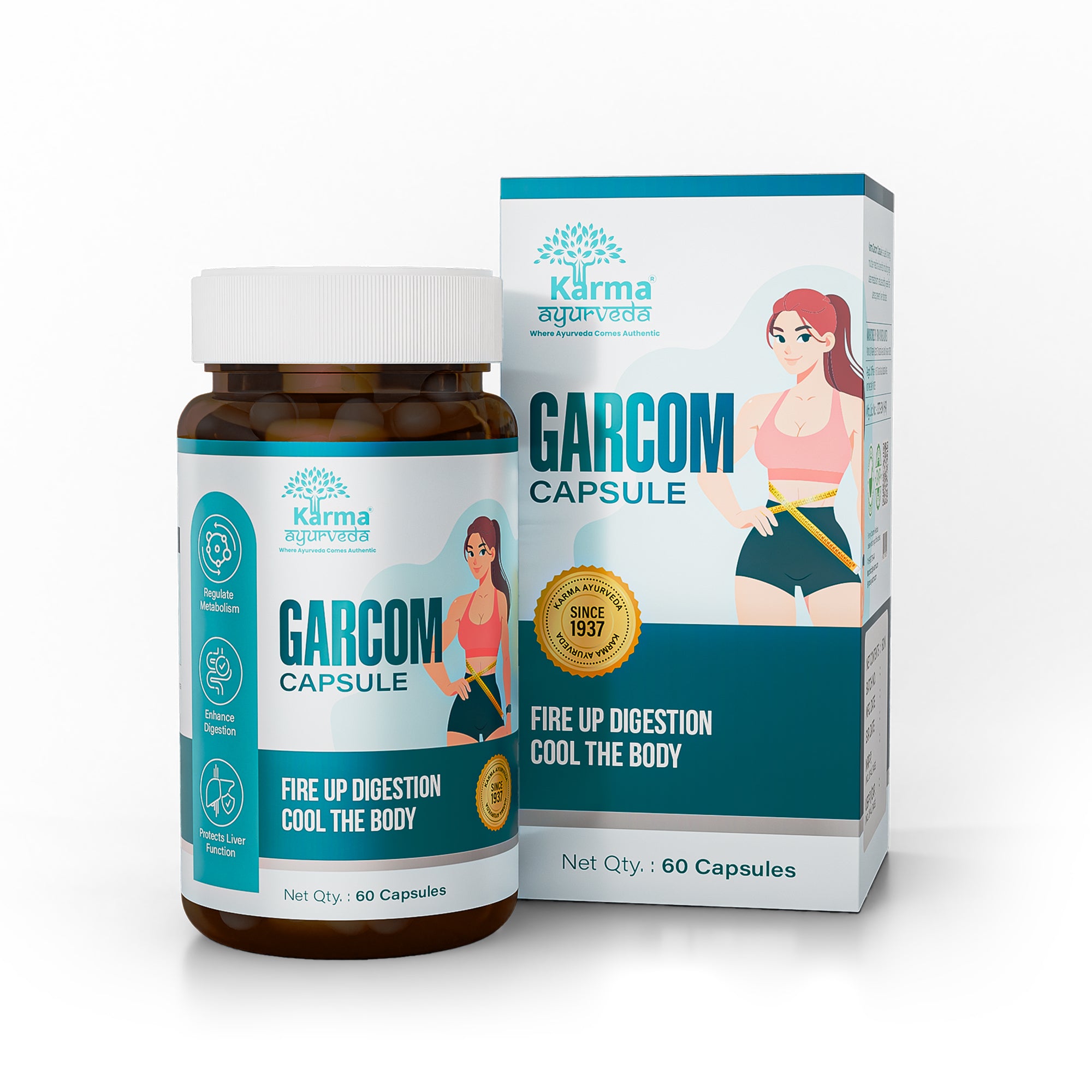
Karma Garcom Capsules contain Garcinia indica to support healthy metabolism, digestion, weight management, digestive comfort and daily wellness alongside a balanced lifestyle.
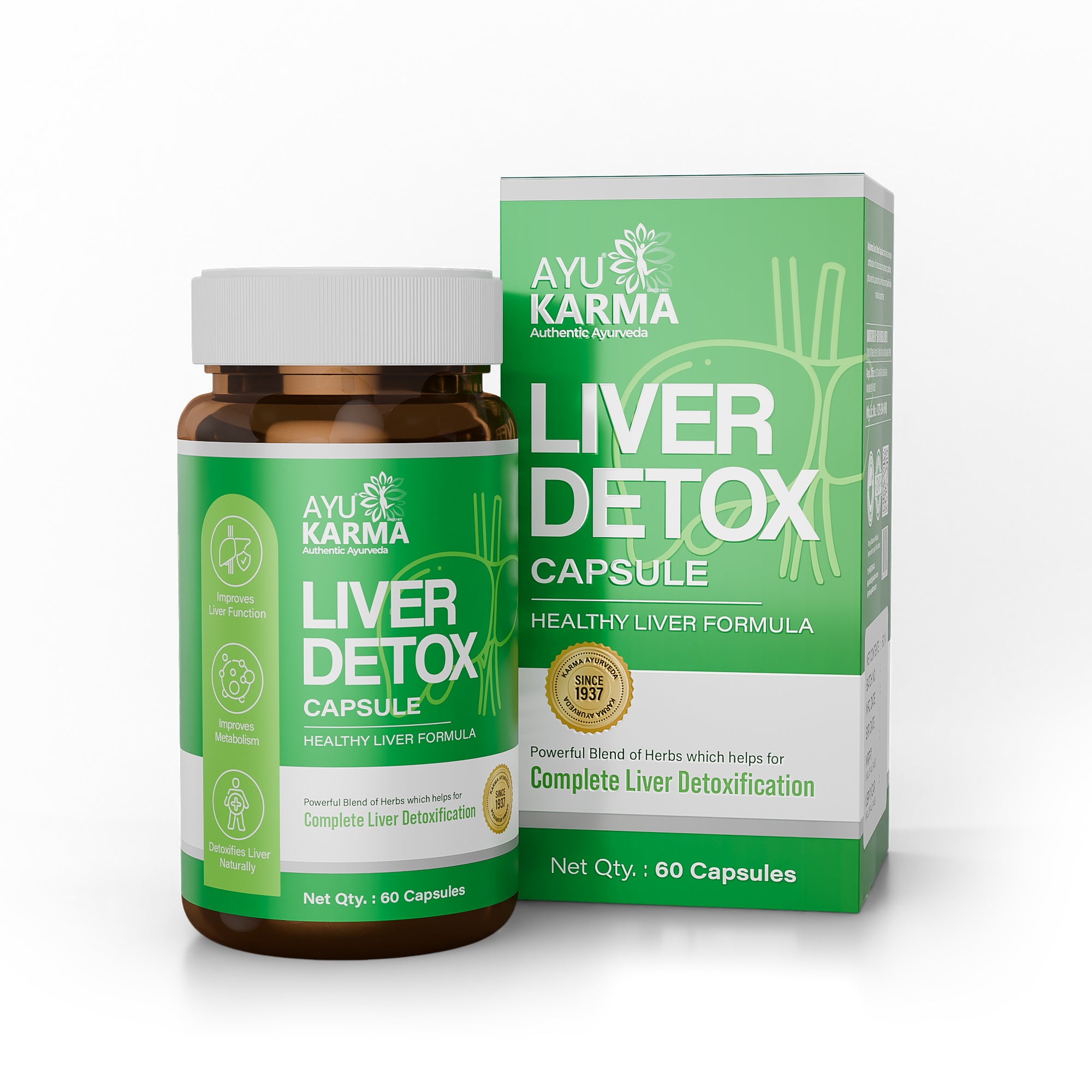
Doctor-recommended liver supplement that helps detoxify the liver, support healthy cholesterol, improve digestion & promote liver health. Developed by Dr. Puneet Dhawan with Karma Ayurveda philosophy.
Second Floor, 77, Block C, Tarun Enclave, Pitampura, New Delhi, Delhi, 110034

Certificate no- AH-2023-0186
JAN 05, 2026 - JAN 04, 2029

US FDA Reg. No.: 14568299376