Unlocking Wellness Naturally
100% Ayurvedic Treatment

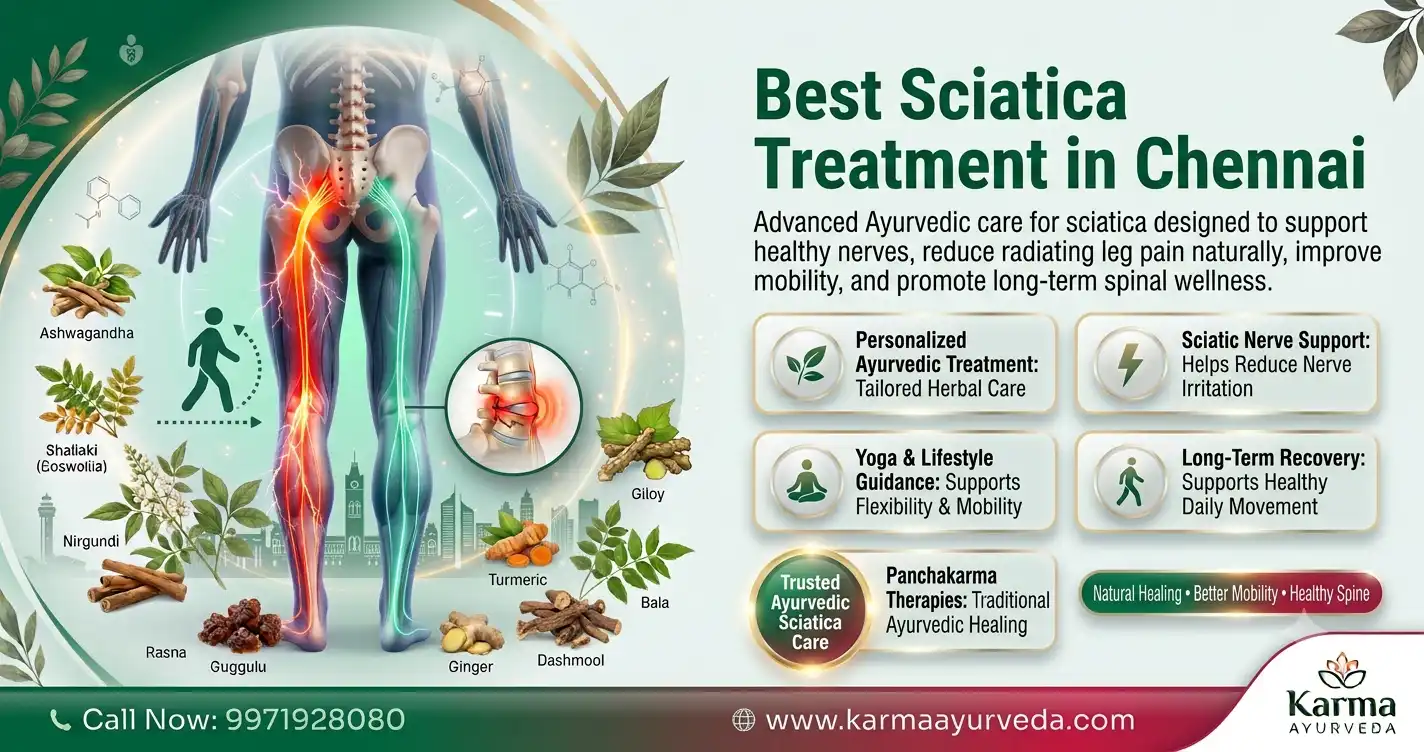
If you're looking for the best Sciatica treatment in Chennai, the right approach depends on what's causing your pain; but in most cases, a combination of medical care, physiotherapy, lifestyle changes, and Ayurvedic treatment for Sciatica can help manage symptoms effectively.
The good news? Sciatica doesn't always mean surgery. In fact, many people feel significantly better with the right treatment plan, a little patience, and yes… a few less hours pretending your office chair is your best friend.
Imagine your body's longest nerve deciding to throw a tantrum. That's basically sciatica.
The sciatic nerve starts in your lower back, travels through your hips, and runs down each leg. When this nerve gets compressed or irritated, it causes pain that can range from mildly annoying to "Why am I walking like this?" levels of uncomfortable.
People searching for the Best Sciatica treatment in Chennai often describe symptoms like:
The severity varies from person to person, but one thing remains common; it's incredibly frustrating.
Sciatica is a symptom, not a disease itself. Something is irritating the sciatic nerve.
Common causes include:
The first step toward the Best Sciatica treatment in Chennai is identifying what's actually causing the nerve compression.
One of the biggest reasons people delay treatment is confusing sciatica with an ordinary muscle pull.
Think of muscle pain as a grumpy neighbor.
Sciatica? That's the neighbor who rings your doorbell, sends texts, and somehow still finds a way to bother your entire leg.
Seek medical evaluation if you experience:
Early diagnosis often leads to better outcomes.
There isn't one universal treatment that works for everyone.
Instead, doctors usually recommend a combination depending on the severity and cause.
Physiotherapy helps by:
Many patients experience gradual improvement through guided exercises.
Doctors may prescribe:
These help manage symptoms but usually don't address the underlying cause.
Small habits can make a surprisingly big difference.
These include:
Your spine appreciates movement much more than eight hours of marathon sitting.
Surgery is usually considered when:
Fortunately, most people improve without surgery.
Many people also explore Ayurvedic treatment for Sciatica alongside conventional care for supportive symptom management.
According to Ayurveda, sciatica is often associated with Gridhrasi, a condition linked to aggravated Vata dosha.
The aim is not simply pain relief but supporting overall musculoskeletal balance through individualized care.
Depending on the person's condition, Ayurvedic practitioners may recommend:
Treatment plans should always be personalized after proper evaluation.
Some commonly used Ayurvedic therapies include:
Warm medicated oil massage that may help relax muscles and improve circulation.
A localized therapy where warm medicated oil is retained over the lower back for a specified period.
Warm herbal oil therapy traditionally used to support muscle relaxation.
Herbal leaf bolus therapy that combines heat and herbal applications.
In classical Ayurveda, medicated enemas are considered important therapies for balancing aggravated Vata under professional supervision.
The exact therapy depends on individual assessment rather than a one-size-fits-all approach.
Several medicated oils are traditionally used in Ayurvedic practice.
Some commonly recommended examples include:
These oils are generally used externally by trained practitioners as part of a broader treatment plan rather than as standalone cures.
Complete bed rest often delays recovery.
Gentle walking is usually better than staying in bed all day.
Simple stretches may help reduce tightness around the sciatic nerve.
Examples include:
Always stop if pain increases.
Use:
Your spine wasn't designed to imitate a question mark.
Sleeping on your side with a pillow between your knees may help reduce lower back strain.
Ignoring sciatica can sometimes lead to:
Seeking timely evaluation may improve symptom management and quality of life.
SPORT Trial (Spine Patient Outcomes Research Trial)
One of the largest studies on lumbar disc herniation found that many patients improved with structured conservative care, while surgery benefited selected patients with persistent symptoms.
NICE Guidelines (National Institute for Health and Care Excellence)
The guidelines recommend staying active, exercising, and using individualized treatment plans instead of prolonged bed rest for low back pain with sciatica.
American College of Physicians Clinical Practice Guideline (2017)
The guideline recommends beginning with non-drug therapies such as exercise, physical therapies, and other conservative measures for many patients with back pain before escalating treatment when appropriate.
Together, these studies highlight the importance of individualized, evidence-informed care rather than relying on a single treatment approach.
Some people also explore Karma Ayurveda for Sciatica treatment as part of an integrative approach.
Ayurvedic centers like Karma Ayurveda generally focus on:
The suitability of any treatment depends on an individual's diagnosis, symptoms, and overall health, so professional consultation is important before starting therapy.
Finding the Best Sciatica treatment in Chennai isn't about chasing miracle cures; it's about finding the treatment plan that fits your condition.
For many people, a combination of medical evaluation, physiotherapy, exercise, healthy habits, and, where appropriate, Sciatica Ayurvedic treatment can provide meaningful symptom relief and support long-term recovery.
The most important step? Don't ignore persistent pain. Your sciatic nerve has already made its point.
The best treatment depends on the cause, but many people improve with physiotherapy, exercise, medications, and individualized care.
Ayurvedic treatment for Sciatica may support symptom management when provided by a qualified practitioner alongside appropriate medical care.
Sciatica vs muscle pain is usually identified by pain that shoots down the leg along with tingling or numbness.
Gentle movement, stretching, good posture, and heat or cold therapy are commonly recommended Sciatica home treatment measures.
Some of the Best Ayurvedic oils for Sciatica traditionally include Mahanarayana Taila, Sahacharadi Taila, and Dhanwantharam Taila under professional guidance.
This article is intended for educational purposes only and should not be considered medical advice. Sciatica can have several underlying causes, and treatment should always be based on a proper medical evaluation. Ayurvedic therapies should be undertaken only under the supervision of qualified practitioners and may complement, but not replace, evidence-based medical care when required.
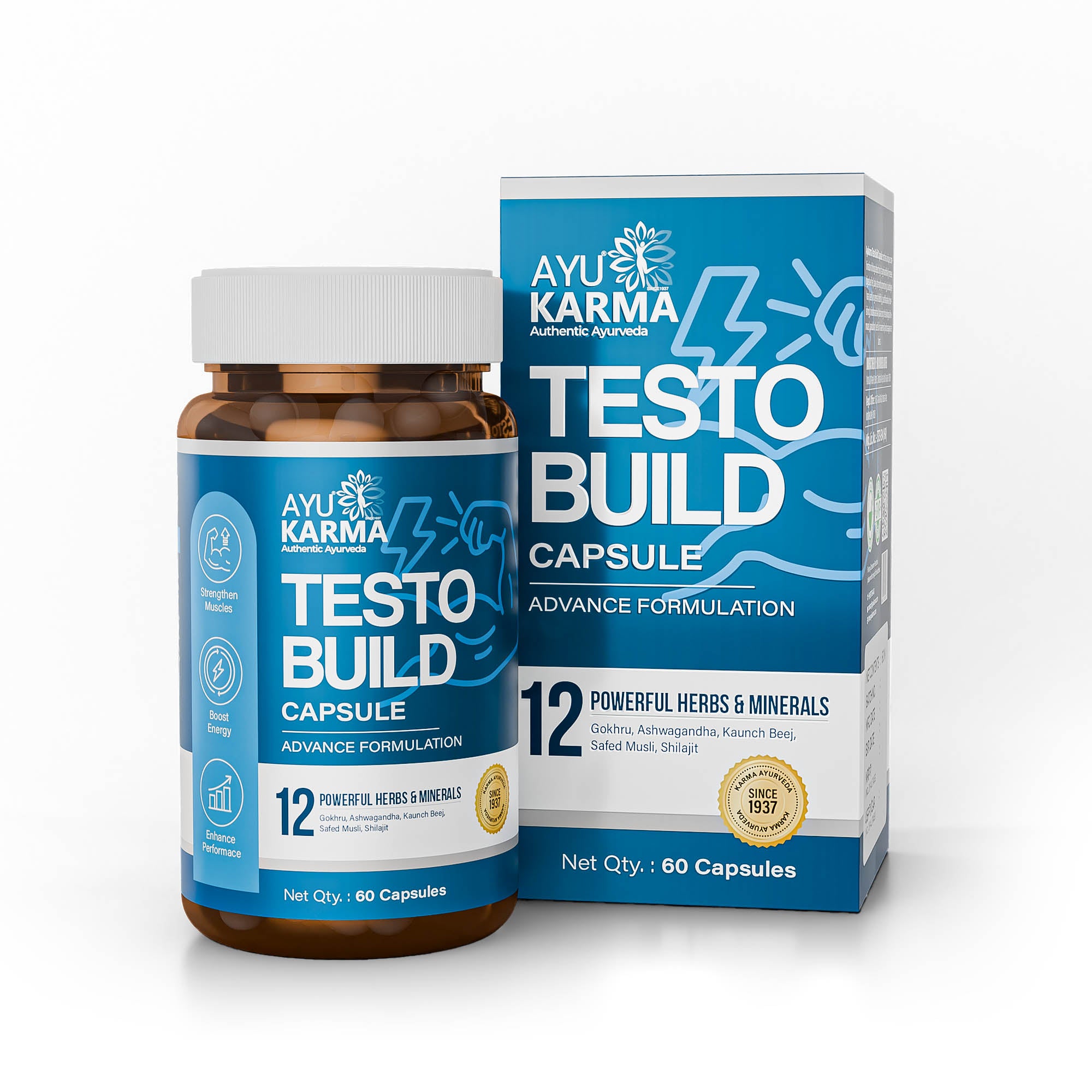
AyuKarma Testo Build Capsules combine 12 Ayurvedic herbs and minerals to support strength, energy, stamina, physical performance, nourishment and overall daily vitality.
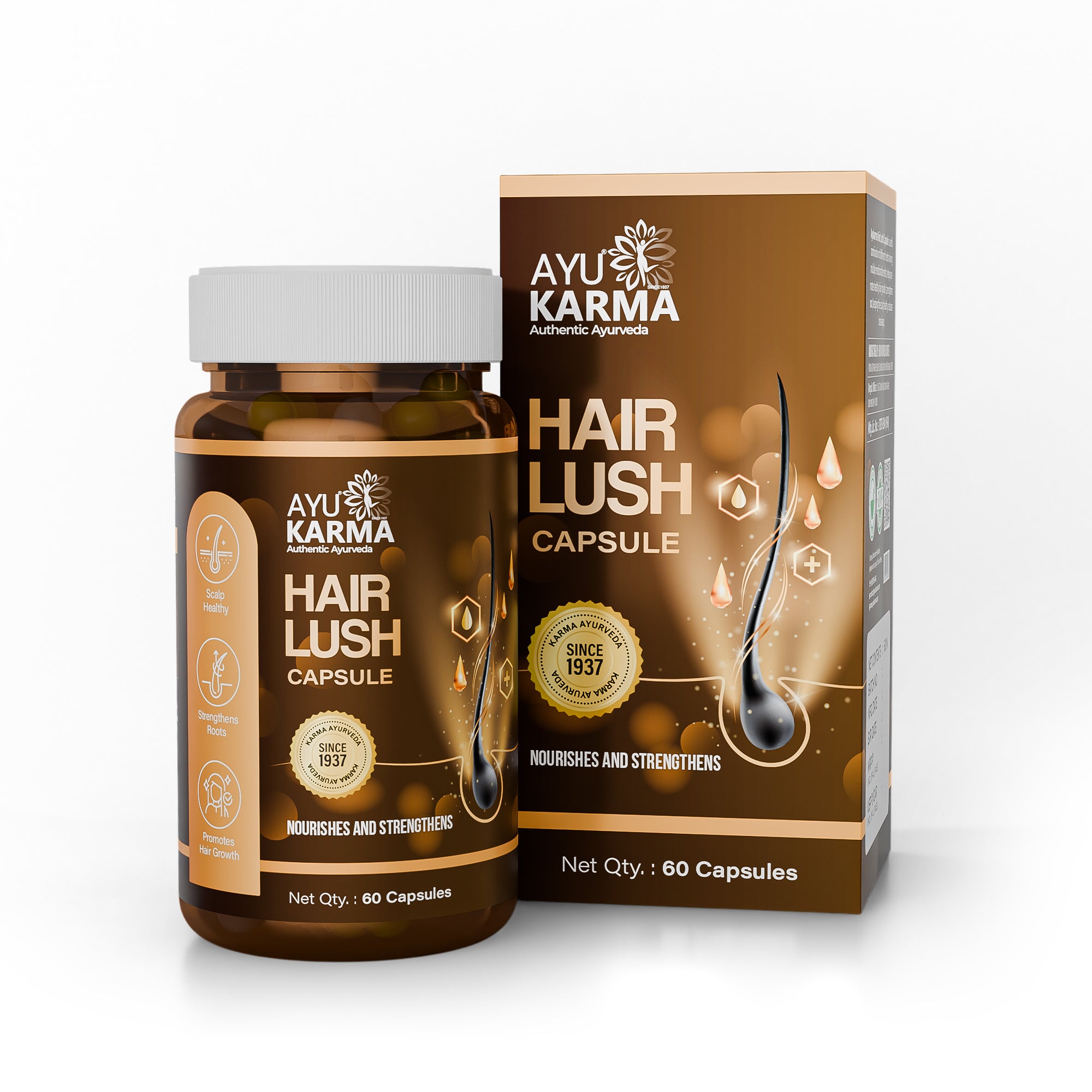
AyuKarma Hair Lush Capsules combine Ayurvedic herbs to support hair growth, reduce hair fall, strengthen roots, nourish the scalp and promote healthier-looking hair.
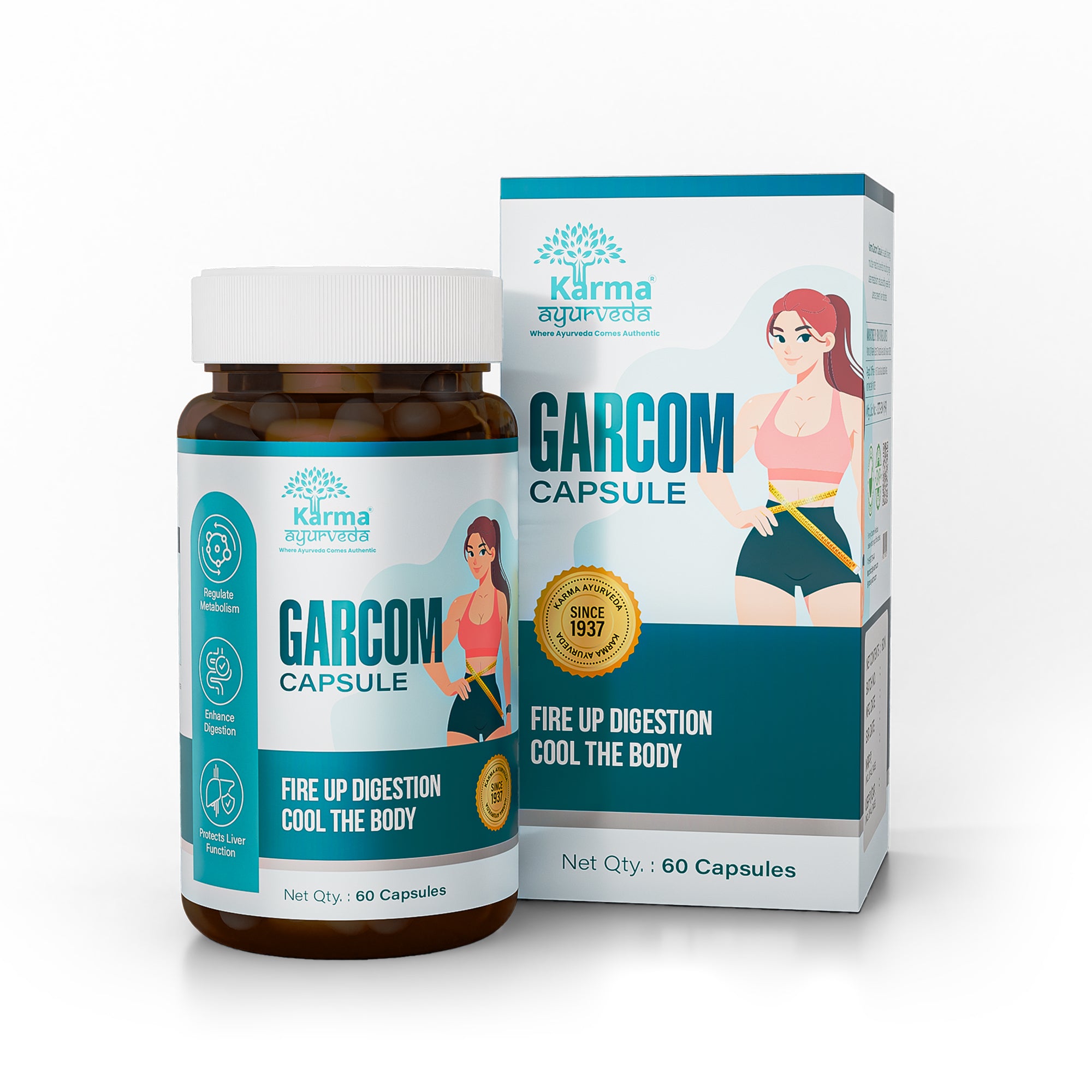
Karma Garcom Capsules contain Garcinia indica to support healthy metabolism, digestion, weight management, digestive comfort and daily wellness alongside a balanced lifestyle.
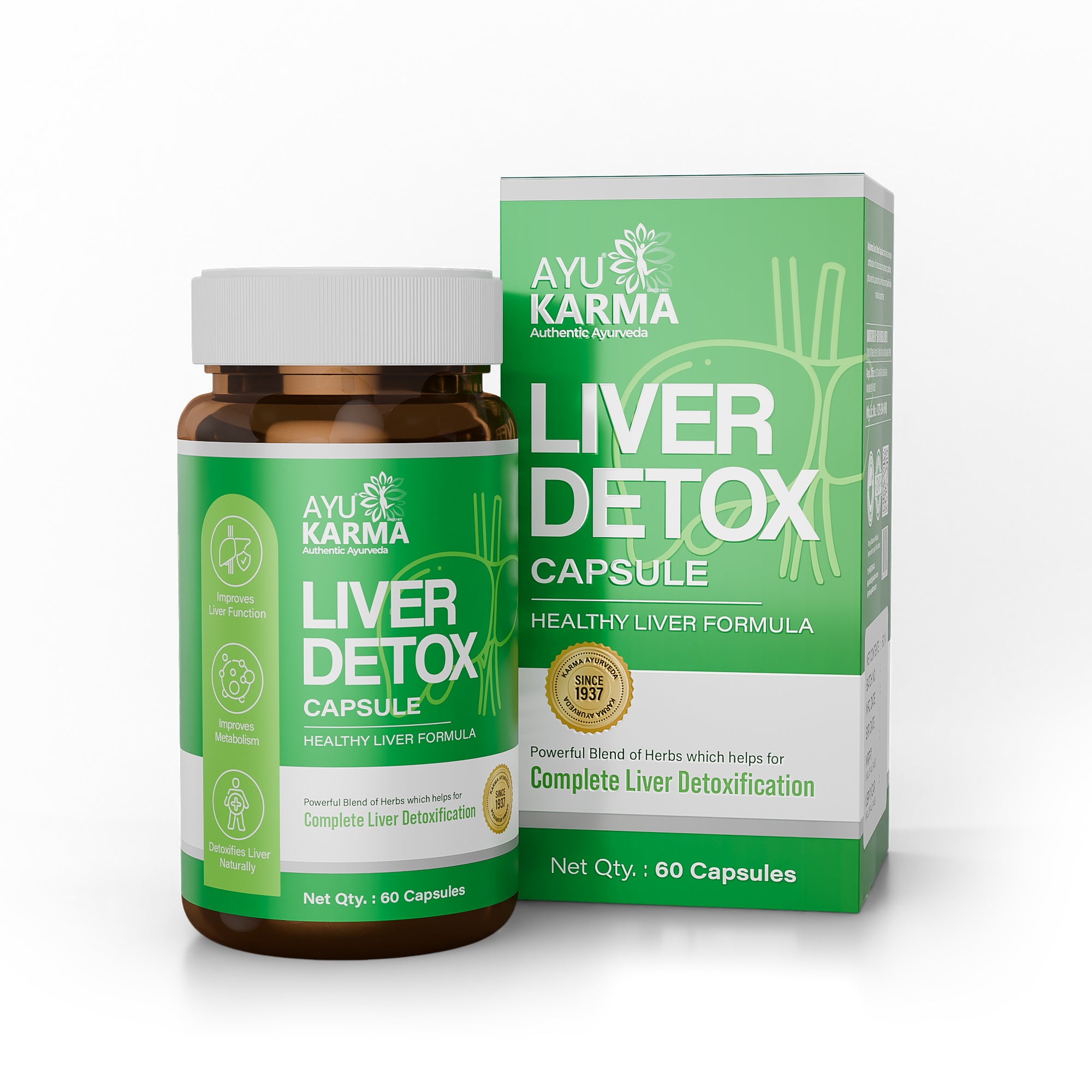
Doctor-recommended liver supplement that helps detoxify the liver, support healthy cholesterol, improve digestion & promote liver health. Developed by Dr. Puneet Dhawan with Karma Ayurveda philosophy.
Second Floor, 77, Block C, Tarun Enclave, Pitampura, New Delhi, Delhi, 110034

Certificate no- AH-2023-0186
JAN 05, 2026 - JAN 04, 2029

US FDA Reg. No.: 14568299376