Unlocking Wellness Naturally
100% Ayurvedic Treatment

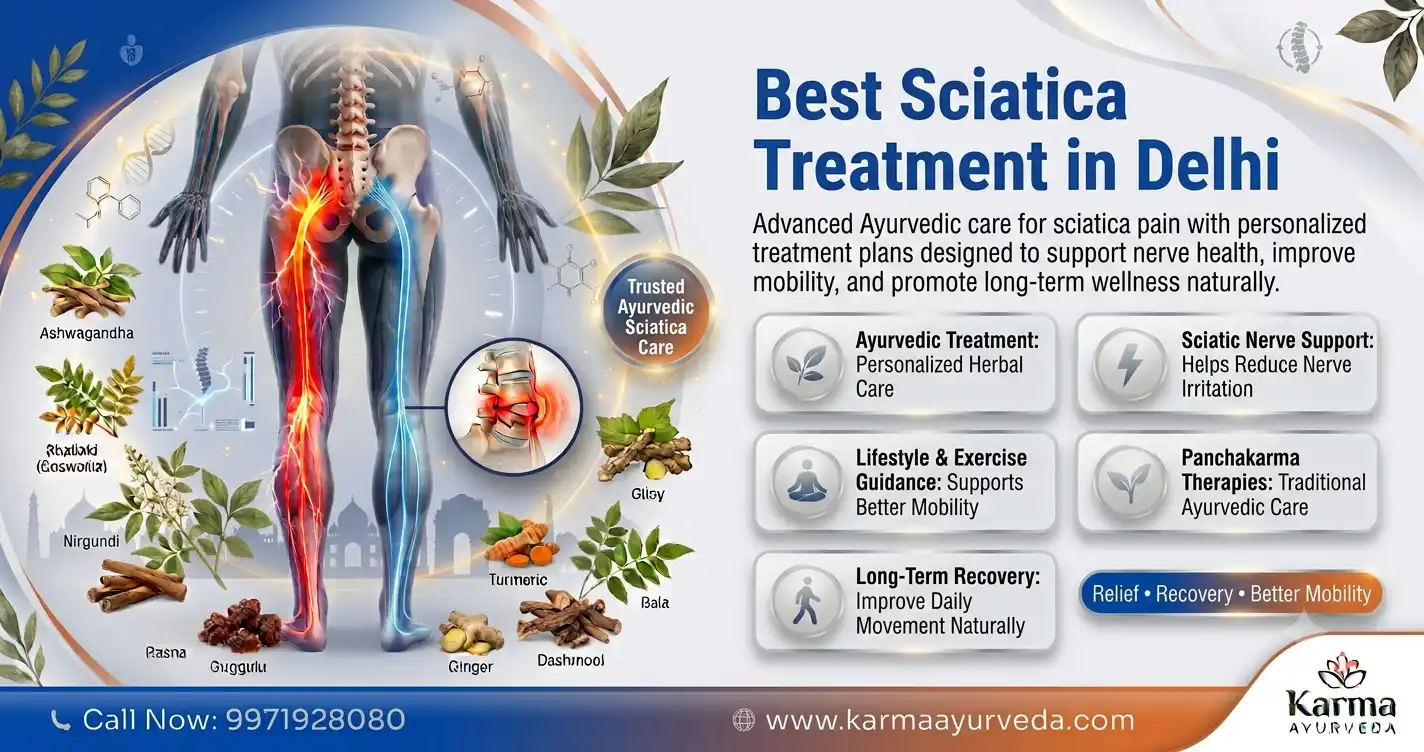
If you're looking for the best sciatica treatment in Delhi, the right choice depends on what's causing your pain; not every case needs surgery, and not every home remedy will do the trick. The good news? Delhi offers everything from physiotherapy and pain management to Ayurveda and advanced spine care, so you have multiple options to explore.
Now, let's talk about that stubborn pain that starts in your lower back, shoots down your leg, and somehow always decides to remind you of its existence when you're trying to sleep, sit, or simply tie your shoelaces. Sciatica has a talent for showing up uninvited. But the good news is that with the right diagnosis and treatment plan, many people experience significant relief and get back to living normally.
Whether you're searching for best sciatica treatment in Delhi, wondering if Ayurvedic treatment for Sciatica can help, or simply looking for practical Sciatica home treatment tips, this guide will walk you through everything in a simple, easy-to-understand way.
Sciatica isn't actually a disease. It's a symptom that occurs when the sciatic nerve; the longest nerve in your body, gets irritated or compressed.
This nerve starts in your lower back, travels through your hips and buttocks, and extends all the way down each leg. When something presses on it, you may experience:
Think of it like someone stepping on a garden hose. The water flow gets disrupted. Similarly, pressure on the sciatic nerve interrupts normal nerve signals, causing pain.
Sciatica is surprisingly common.
According to research published in The Spine Journal, around 10–40% of adults experience sciatica at some point in life, with people between 30 and 50 years being affected more frequently.
If you've been blaming your office chair alone, don't worry; it probably has accomplices.
Several conditions can compress or irritate the sciatic nerve.
The most common ones include:
Finding the actual cause is the first step toward choosing the right treatment.
Sciatica symptoms vary from person to person.
Watch out for:
Seek immediate medical attention if you experience:
These could indicate a medical emergency.
Many people confuse muscle strain with sciatica.
Here's an easy comparison.
If the pain keeps traveling below your knee, it's worth getting evaluated.
Delhi has a wide range of treatment options depending on the severity and cause of sciatica.
One of the first treatments doctors usually recommend.
It may include:
Many patients improve within a few weeks with a consistent physiotherapy program.
Doctors may prescribe:
These help manage symptoms but don't necessarily address the underlying cause.
Simple habits can make a noticeable difference.
Try to:
Your spine secretly appreciates good habits, even if it doesn't send thank-you notes.
For persistent pain, specialists may recommend epidural steroid injections.
These aim to reduce inflammation around the nerve and may provide temporary relief in selected patients.
Surgery is generally considered when:
Common procedures include microdiscectomy and laminectomy.
Many people also explore Ayurvedic treatment for Sciatica as part of a broader, individualized care plan, especially for long-term symptom management and improving mobility.
Ayurveda traditionally views sciatica (often described as Gridhrasi) as a condition linked with an imbalance in Vata dosha.
Management may include:
Treatment plans are usually personalized after assessing the individual's symptoms and overall health.
Depending on the individual's condition, Ayurvedic practitioners may recommend therapies such as:
These approaches are traditionally used to support mobility and comfort and should always be performed under qualified supervision.
People often ask about the Best Ayurvedic oils for Sciatica.
Some traditionally used oils include:
These oils are commonly used during therapeutic massage in Ayurveda. The choice depends on the individual's conditions so self-prescribing is not advisable.
While home care cannot replace professional evaluation, it may help manage mild symptoms.
Some useful Sciatica home treatment strategies include:
One important thing to remember; complete bed rest usually isn't the hero of this story. Gentle movement is often more beneficial than staying in bed all day.
Several scientific studies support conservative treatment approaches for sciatica.
SPORT Trial (Spine Patient Outcomes Research Trial)
Published in The New England Journal of Medicine, this landmark study found that both surgical and non-surgical treatments can improve symptoms, with treatment choice depending on symptom severity and patient preference.
NICE Guidelines (National Institute for Health and Care Excellence)
The NICE guidelines recommend staying active, structured exercise programs, and patient education as key components of sciatica management while avoiding prolonged bed rest.
American College of Physicians Clinical Practice Guideline
The guideline recommends beginning with non-invasive treatments whenever appropriate before considering more invasive interventions.
These studies reinforce the importance of personalized treatment rather than a one-size-fits-all approach.
Some individuals also explore Karma Ayurveda for Sciatica treatment as part of their search for integrative care. Such programs generally combine Ayurvedic consultations, lifestyle recommendations, dietary advice, and traditional therapies based on individual assessment.
As with any healthcare decision, it is important to seek treatment from qualified professionals and discuss your options with your healthcare provider, especially if you have severe symptoms or underlying medical conditions.
Don't keep waiting if:
Early diagnosis often makes treatment easier.
Finding the best sciatica treatment in Delhi starts with understanding what's causing your pain. For many people, a combination of physiotherapy, exercise, lifestyle changes, and medical guidance provides significant relief. Others may also choose to explore Sciatica Ayurvedic treatment as part of a personalized, integrative care plan.
The important thing is not to ignore persistent symptoms or rely solely on internet remedies. Getting evaluated by a qualified healthcare professional can help you choose the most appropriate treatment and get back to moving comfortably; without negotiating with your back every morning.
Yes, many people improve with conservative treatments like physiotherapy, exercise, and lifestyle changes.
Yes, gentle walking often helps maintain mobility without putting too much stress on the spine.
Sleeping on your side with a pillow between your knees or on your back with a pillow under your knees may help.
In many cases, people explore both approaches together under the guidance of qualified healthcare professionals.
If the pain shoots down your leg with tingling or numbness, it's more suggestive of sciatica than a simple muscle strain.
This article is intended for educational purposes only and should not be considered medical advice. Sciatica can have different underlying causes, and treatment should always be based on a proper medical evaluation.
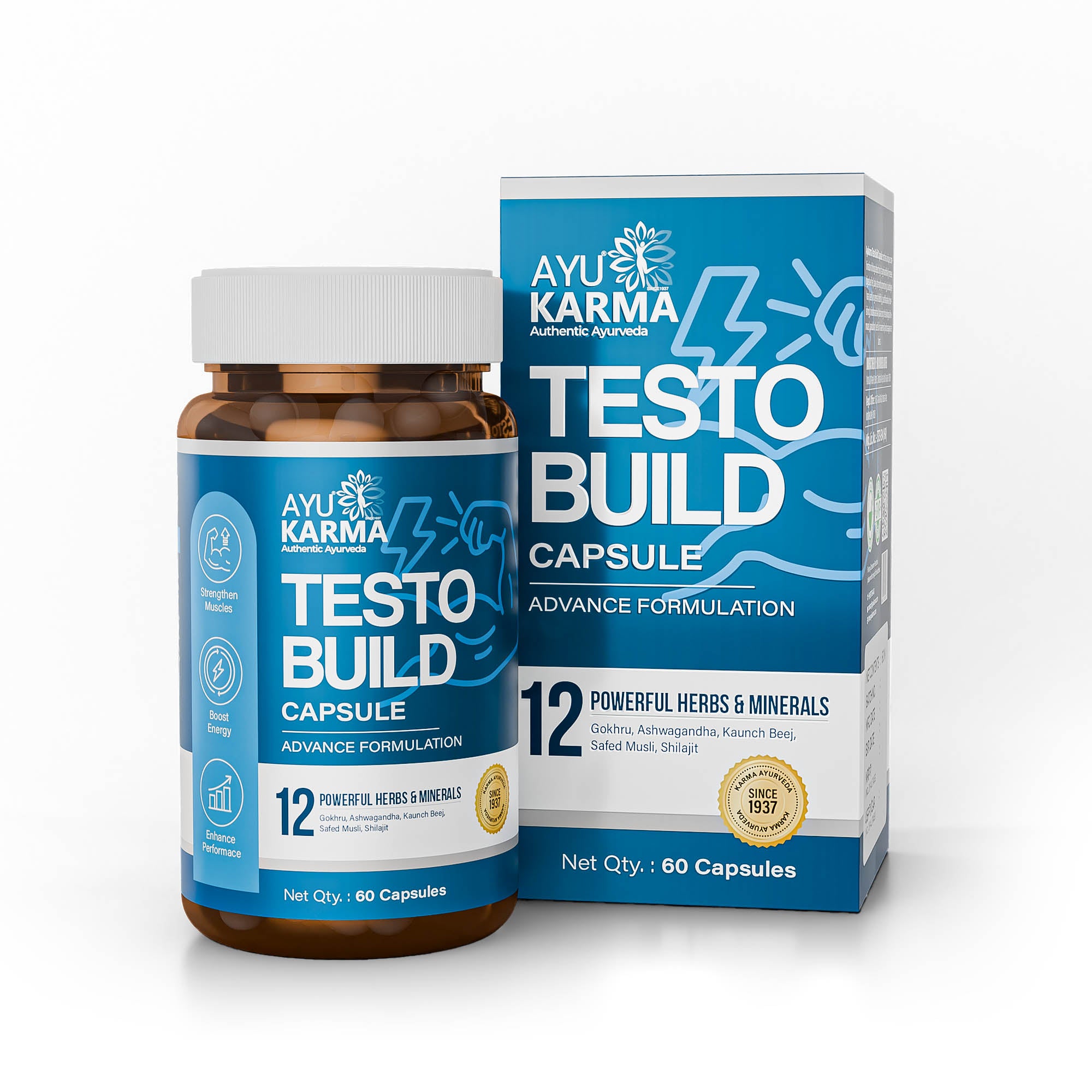
AyuKarma Testo Build Capsules combine 12 Ayurvedic herbs and minerals to support strength, energy, stamina, physical performance, nourishment and overall daily vitality.
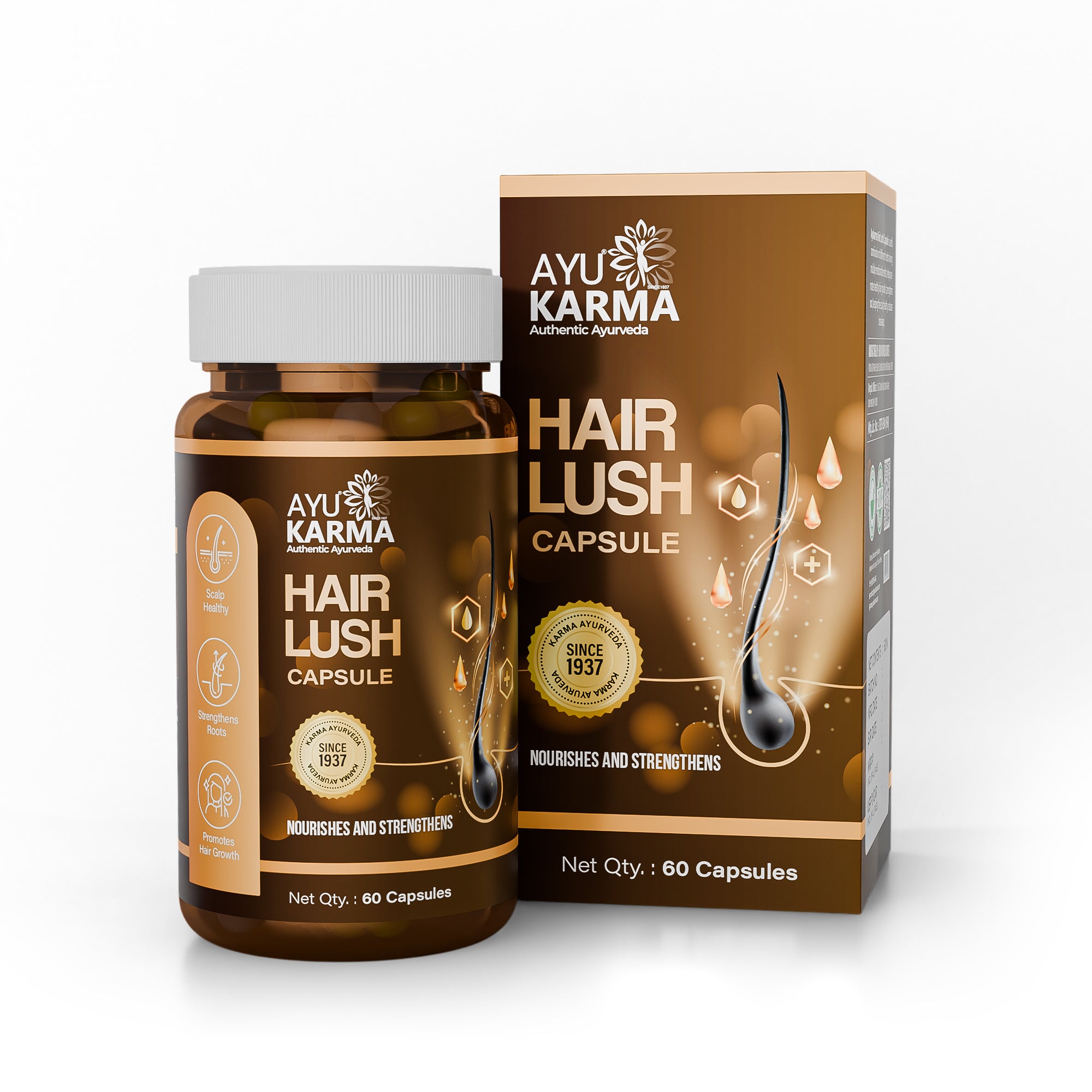
AyuKarma Hair Lush Capsules combine Ayurvedic herbs to support hair growth, reduce hair fall, strengthen roots, nourish the scalp and promote healthier-looking hair.
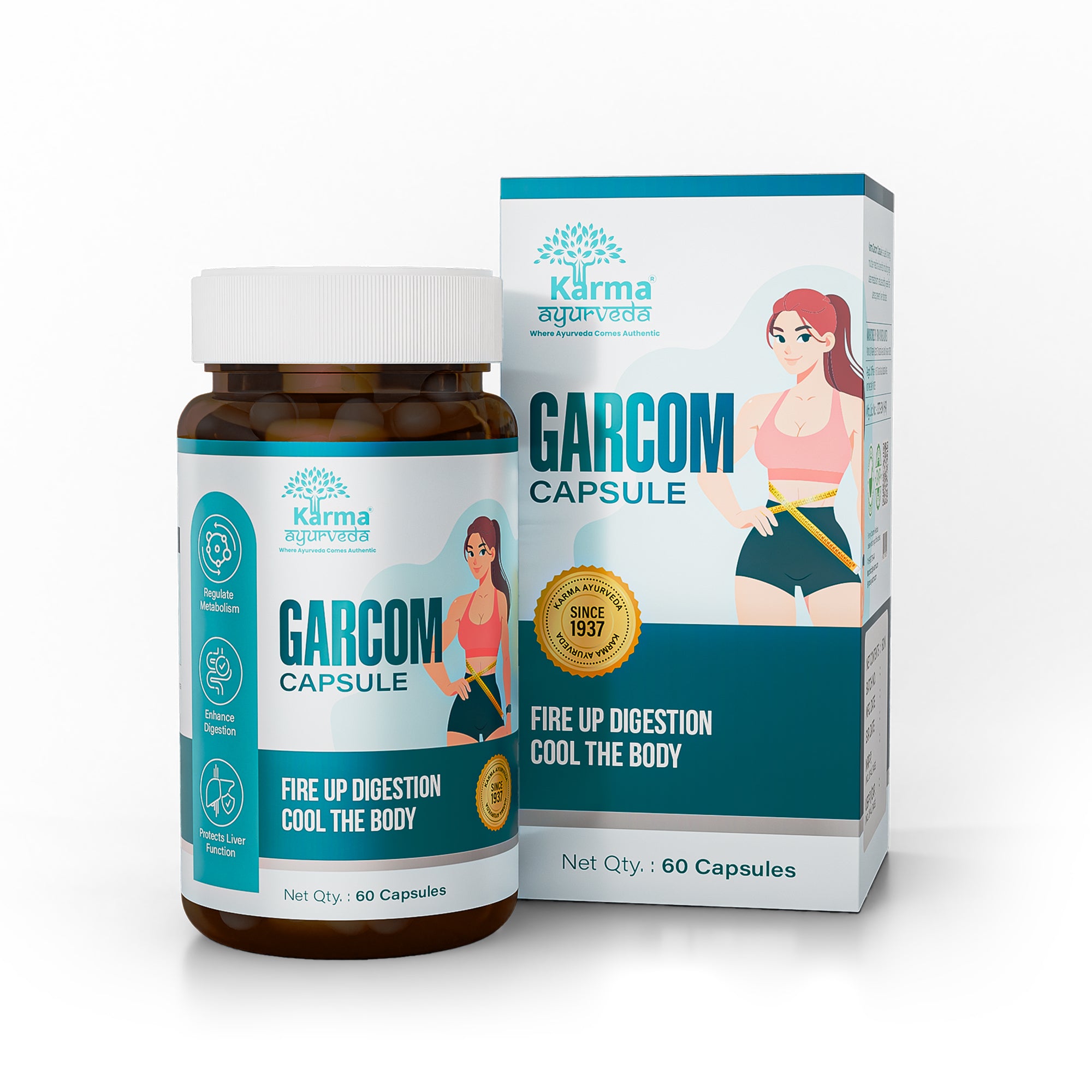
Karma Garcom Capsules contain Garcinia indica to support healthy metabolism, digestion, weight management, digestive comfort and daily wellness alongside a balanced lifestyle.
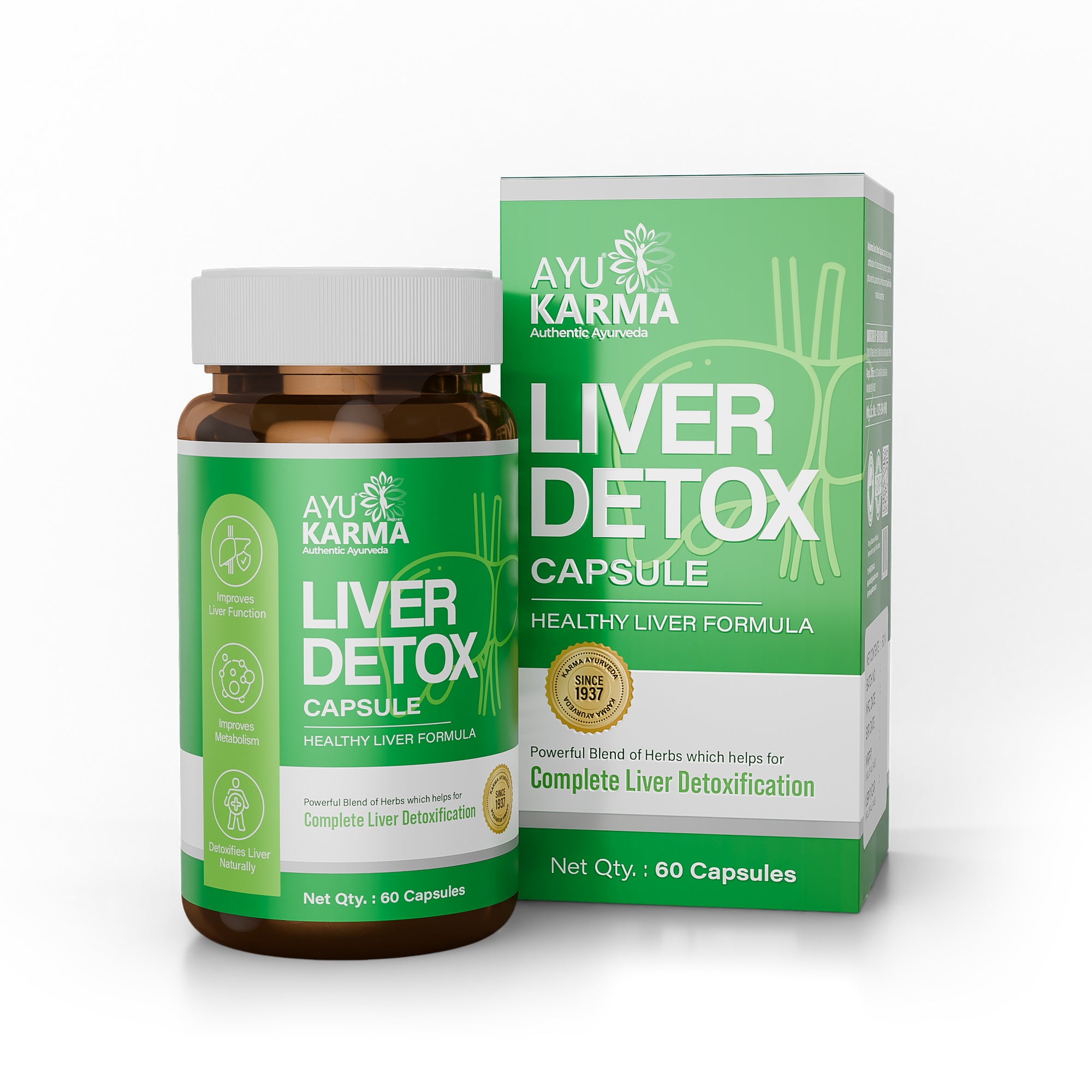
Doctor-recommended liver supplement that helps detoxify the liver, support healthy cholesterol, improve digestion & promote liver health. Developed by Dr. Puneet Dhawan with Karma Ayurveda philosophy.
Second Floor, 77, Block C, Tarun Enclave, Pitampura, New Delhi, Delhi, 110034

Certificate no- AH-2023-0186
JAN 05, 2026 - JAN 04, 2029

US FDA Reg. No.: 14568299376