Unlocking Wellness Naturally
100% Ayurvedic Treatment

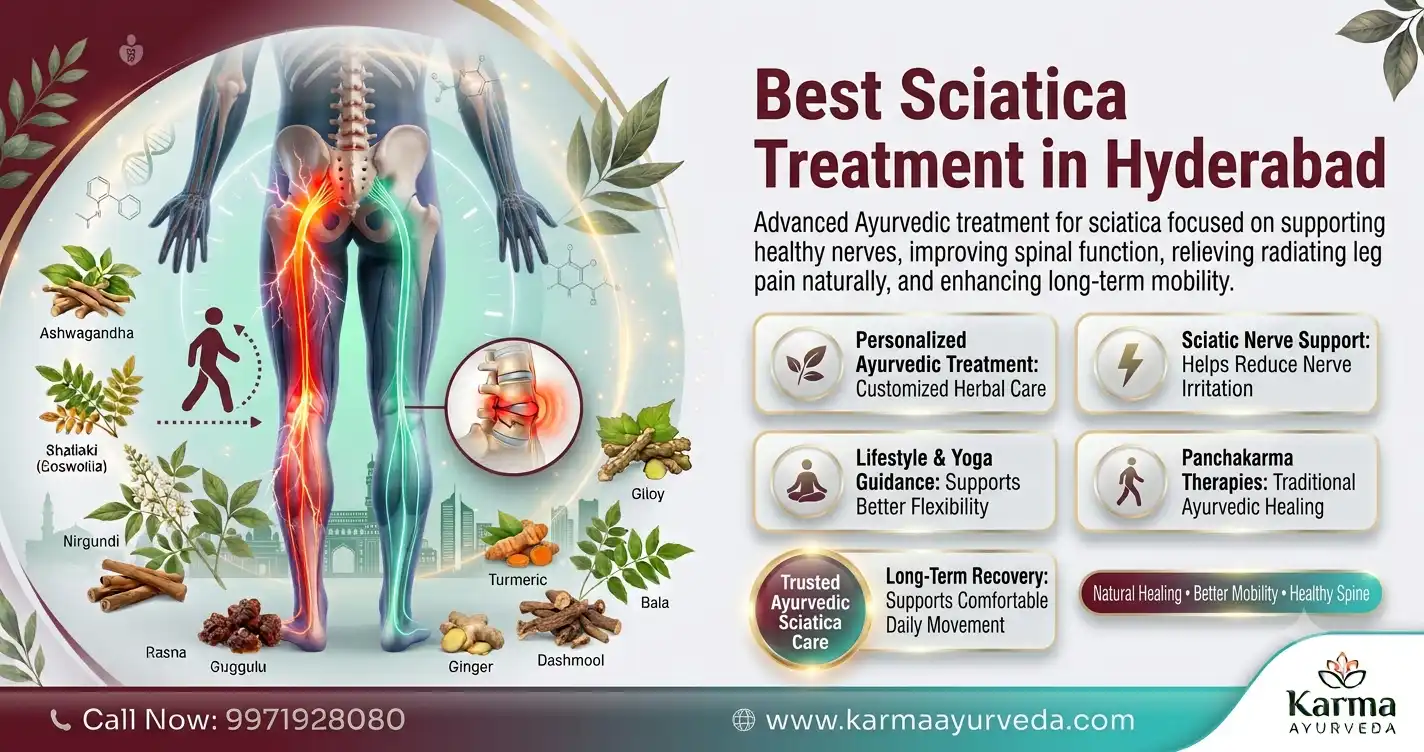
The best Sciatica treatment in Hyderabad combines personalized, non-surgical conservative care; most notably targeted Panchakarma therapies like Kati Basti and Basti Chikitsa; with modern physical rehabilitation to relieve sciatic nerve compression at its root. Instead of relying solely on temporary painkiller injections or jumping straight into spinal surgery, the most effective approach focuses on easing inflammation, nourishing the lumbosacral discs, and restoring mobility naturally.
Before diving into treatments, let's figure out what is actually going on behind your back. It’s remarkably easy to confuse a tight glute muscle with true nerve impingement, but treating them the same way is like trying to fix a leaky pipe with a fresh coat of paint.
Here is how you can tell Sciatica vs muscle pain apart:
In classical Ayurvedic literature, this nerve condition is known as Gridhrasi; a word derived from the vulture (Gridhra), describing the tilted, limping gait a person adopts when trying to keep weight off the affected side. When the Vata dosha (the energy controlling movement and nerve signals) becomes severely aggravated and trapped in the lower spine (Kati pradesha), it compresses the nerve pathways, causing pain, stiffness, and restricted gait.
It’s one thing to hear that warm herbal oil feels good on a sore back; it’s another to understand the biological mechanisms at play. Modern scientific literature increasingly validates how structured Sciatica Ayurvedic treatment works to reduce neuro-inflammation and tissue compression.
Panchakarma and Pain Management: A clinical study published in the International Journal of Research in Medical Sciences evaluated an Ayurvedic treatment protocol involving Kati Basti, herbal decoctions, and Patra Pinda Sweda (leaf-poultice fomentation) on patients suffering from Gridhrasi. The researchers observed statistically significant reductions in pain intensity, morning stiffness, and paresthesia (tingling), alongside noticeable improvements in the Straight Leg Raising (SLR) test.
Disc Compression and Inflammation: Another study published in the International Journal of AYUSH documented the effects of localized external therapies alongside internal herbal formulations (Trayodashanga Guggulu and Dashamoola) on patients with MRI-confirmed lumbar disc prolapse at L4-L5. The clinical evaluation demonstrated a reduction in nerve root inflammation, marked lowering of Visual Analogue Scale (VAS) pain scores, and restored functional mobility without adverse effects.
The takeaway? Ayurvedic interventions don't just "mask" nerve signals like synthetic painkillers; they enhance microcirculation around compressed nerve roots, reduce tissue swelling, and lubricate dried, degenerated spinal discs.
When you consult a reputable specialist for Ayurvedic treatment for Sciatica, you aren't handed a generic bottle of pills and sent on your way. True healing relies on a multi-pronged approach designed to calm hyperactive nerve impulses and realign bodily tissues.
If you’ve never experienced Kati Basti, imagine a dough dam made from black gram flour constructed carefully over your lower back. Lukewarm, medicated herbal oil is slowly poured into this reservoir and kept at a constant temperature for 30 to 45 minutes. The deep thermal penetration relaxes rigid paraspinal muscles, increases blood flow to the sacral nerves, and nourishes dehydrated intervertebral discs.
Fresh medicinal leaves (like Nirgundi and Eranda) are tied into muslin boluses, dipped in warm medicated oils, and rhythmically patted over the back and legs. This provides deep tissue heat, releases localized muscular spasms, and flushes out metabolic toxins (Ama) trapped around the joint spaces.
Herbal remedies work synergistically from the inside out:
While serious nerve impingement requires professional evaluation, smart daily habits make a massive difference in keeping minor flare-ups under control. Here are practical steps for Sciatica home treatment:
Not all massage oils are created equal when dealing with nerve pain. Applying standard cold-pressed coconut oil won't harm you, but medicated herbal oils processed with anti-inflammatory herbs yield vastly superior results.
Here are the Best Ayurvedic oils for Sciatica to keep in your home medicine cabinet:
Pro Tip: Never rub sciatic oil aggressively like you're trying to scrub a stain off a rug! Warm the oil gently, apply it with smooth downstrokes along the path of the nerve, and let the skin absorb it before applying a warm water bag.
When seeking specialized care in a major healthcare hub like Hyderabad, finding an institution that understands both authentic Ayurvedic traditions and modern diagnostic tools (like digital X-rays and lumbar MRIs) is critical.
Choosing Karma Ayurveda for Sciatica treatment offers patients access to structured, non-surgical management tailored to individual spinal health needs. With established clinical protocols, specialized Panchakarma setups, and trained Vaidyas, such specialized centers focus on relieving nerve pressure while promoting overall spinal resilience.
Whether you live in Banjara Hills, Madhapur, Kukatpally, or Secunderabad, finding the Best Sciatica treatment in Hyderabad means opting for holistic care that prioritizes long-term movement over quick, short-lived fixes.
Applying warm medicated oils like Mahanarayan Taila followed by gentle moist heat and short periods of rest provides effective natural relief.
Muscle pain stays confined to your back, whereas sciatica shoots electric, burning pain down your buttocks into your leg.
Yes, clinical studies demonstrate that Kati Basti reduces neuro-inflammation, improves disc lubrication, and relieves radiating sciatic pain.
Comprehensive Ayurvedic care with Panchakarma often resolves nerve root compression naturally, helping many patients avoid invasive procedures.
Most structured Ayurvedic protocols run between 14 to 28 days depending on the severity of disc herniation and nerve inflammation.
This article is strictly for informational and educational purposes and does not constitute formal medical advice, diagnosis, or treatment. Always consult a qualified physician or certified Ayurvedic practitioner before starting any new treatment protocol, using specialized herbal medications, or making changes to your existing healthcare regimen.
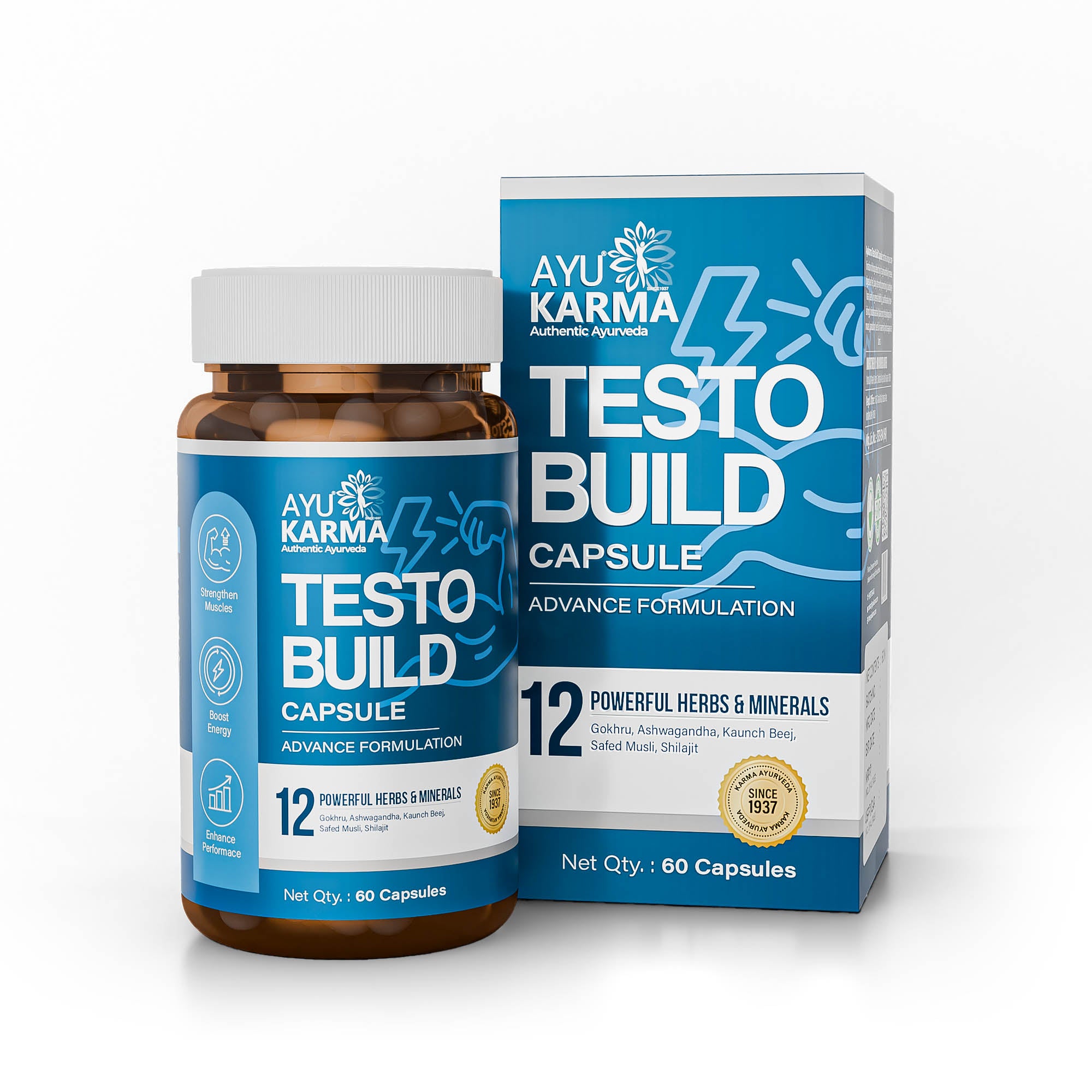
AyuKarma Testo Build Capsules combine 12 Ayurvedic herbs and minerals to support strength, energy, stamina, physical performance, nourishment and overall daily vitality.
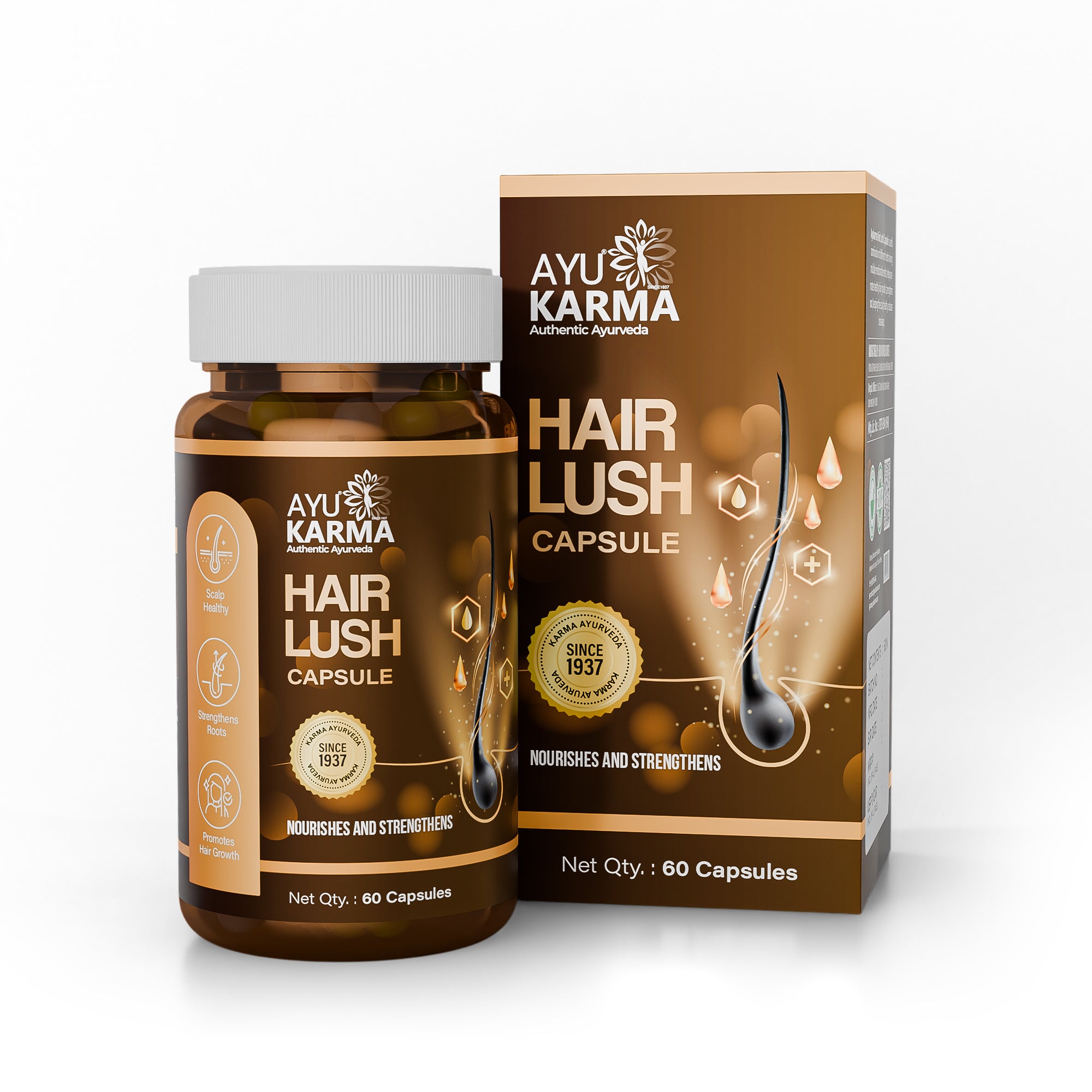
AyuKarma Hair Lush Capsules combine Ayurvedic herbs to support hair growth, reduce hair fall, strengthen roots, nourish the scalp and promote healthier-looking hair.
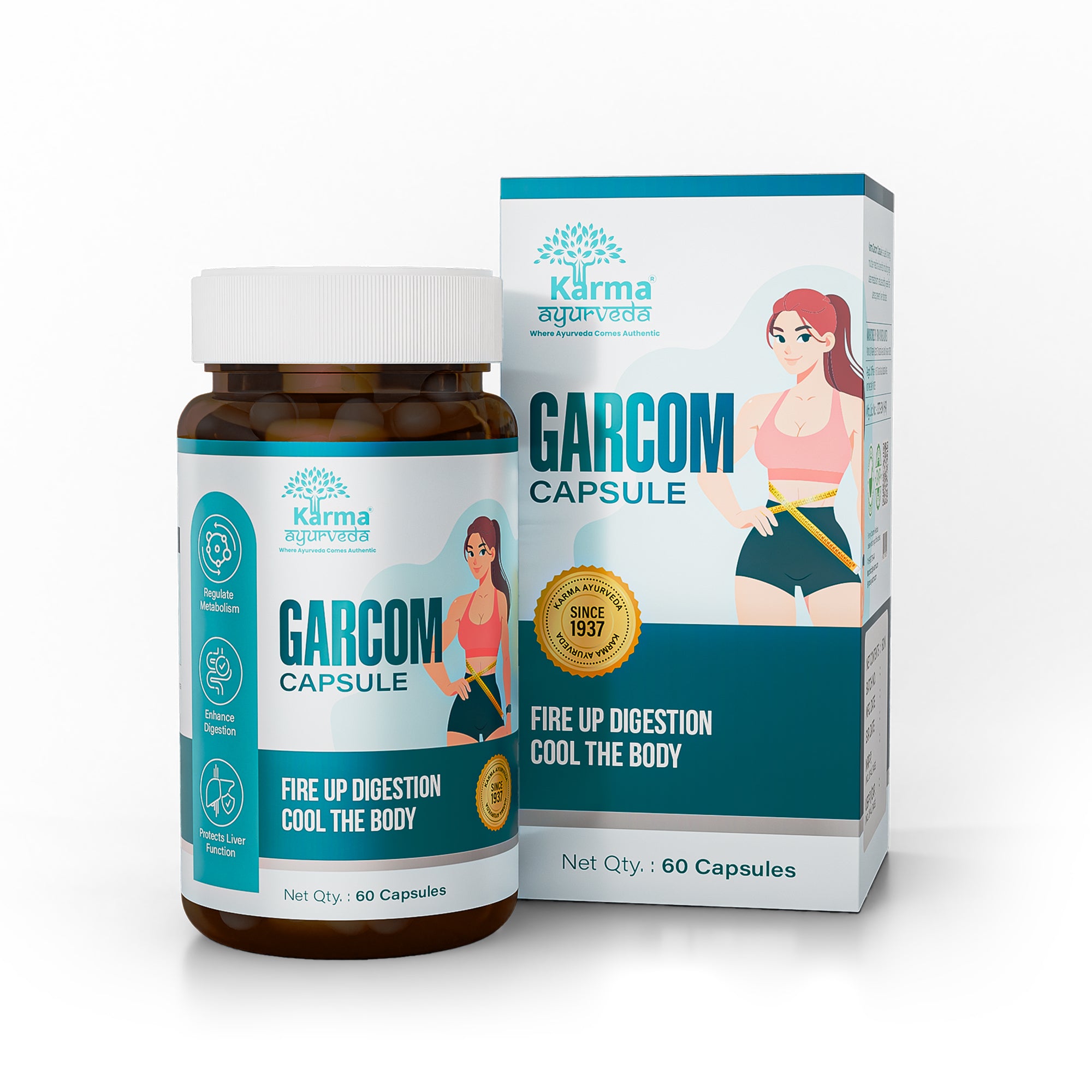
Karma Garcom Capsules contain Garcinia indica to support healthy metabolism, digestion, weight management, digestive comfort and daily wellness alongside a balanced lifestyle.
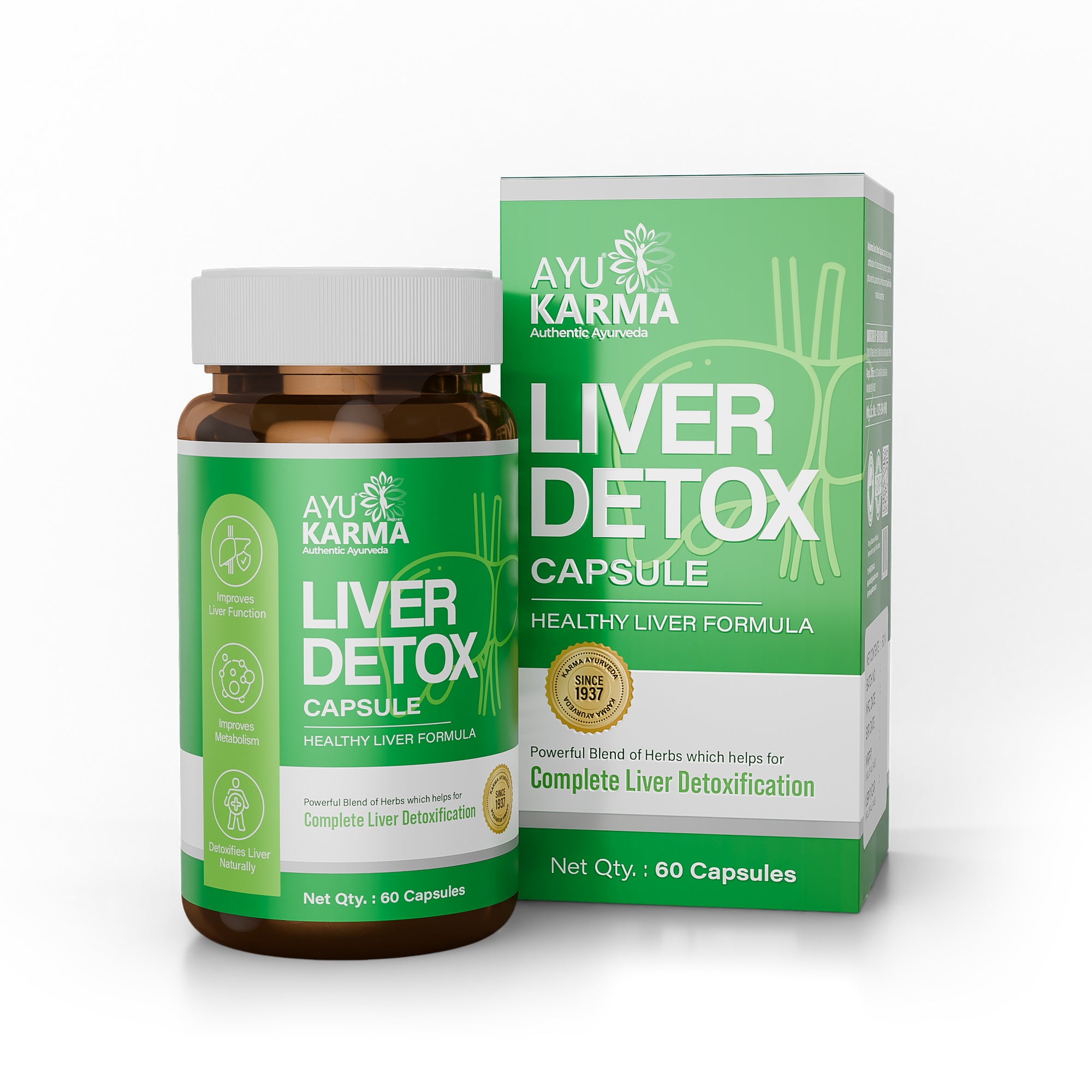
Doctor-recommended liver supplement that helps detoxify the liver, support healthy cholesterol, improve digestion & promote liver health. Developed by Dr. Puneet Dhawan with Karma Ayurveda philosophy.
Second Floor, 77, Block C, Tarun Enclave, Pitampura, New Delhi, Delhi, 110034

Certificate no- AH-2023-0186
JAN 05, 2026 - JAN 04, 2029

US FDA Reg. No.: 14568299376