Unlocking Wellness Naturally
100% Ayurvedic Treatment

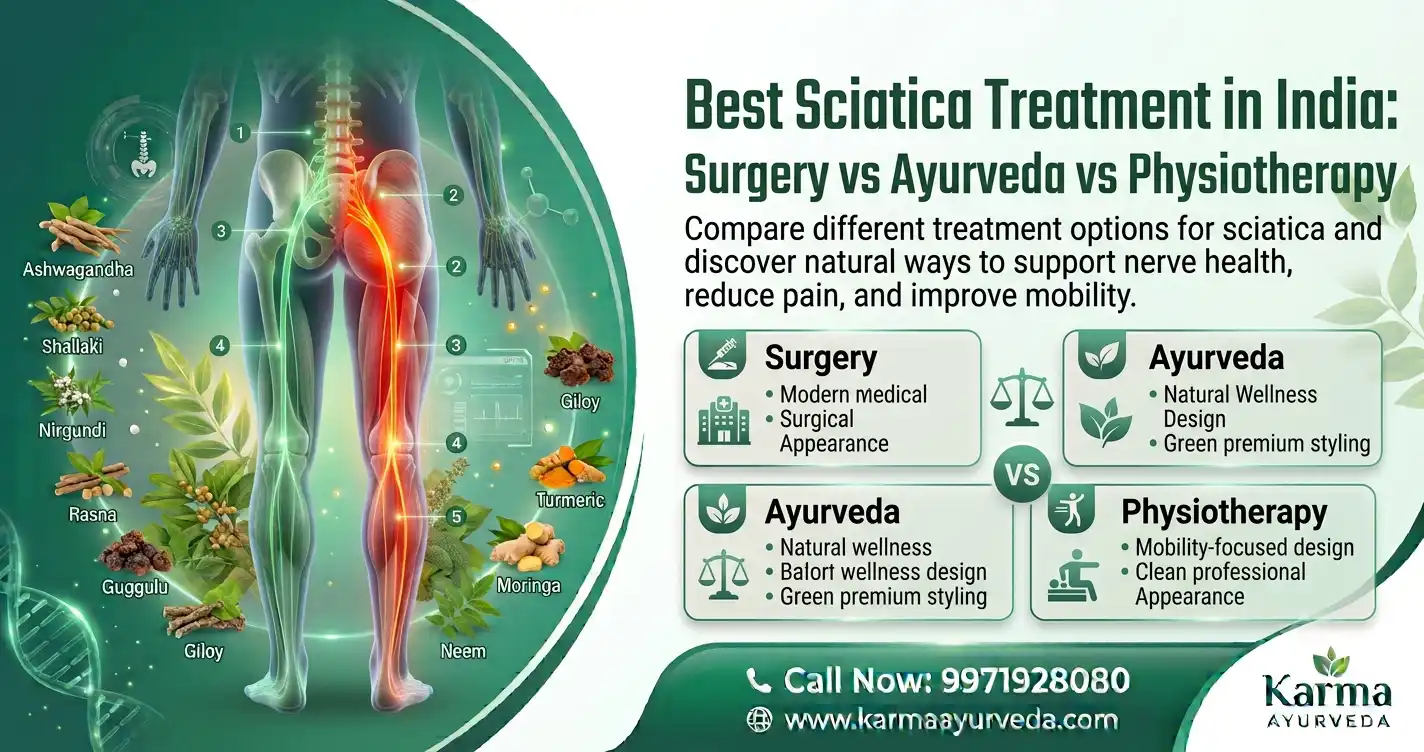
If you're wondering which is the best treatment for sciatica in India, the honest answer is; it depends on what's causing your pain, how severe it is, and how your body responds to treatment. For many people, conservative options like physiotherapy and Ayurvedic treatment for Sciatica can provide significant relief, while surgery is usually reserved for specific cases where nerve compression is severe or symptoms don't improve with non-surgical care.
Let's be honest; sciatica has a special talent for ruining perfectly good days. One moment you're picking up your phone from the table, and the next, a sharp pain shoots from your lower back all the way down your leg. Sitting hurts, standing hurts, and somehow even lying down isn't always a vacation.
The good news? You have options.
From physiotherapy sessions and medications to surgery and Sciatica Ayurvedic treatment, there are several ways to manage the condition. But with so much information online, it's easy to feel overwhelmed. One website says surgery is the answer, another says yoga fixes everything, while someone on social media swears by a miracle oil. Who do you believe?
In this blog, we'll compare the three most common approaches; surgery, physiotherapy, and Ayurveda; so you can better understand what each offer, when they're appropriate, and how they differ. No exaggerated promises, just practical information explained like one human talking to another.
Sciatica isn't actually a disease. It's a symptom that happens when the sciatic nerve; the longest nerve in the body; gets irritated or compressed.
Imagine your sciatic nerve as a long highway running from your lower back, through your hips, and down each leg. When something blocks that highway, your body lets you know... loudly.
Common symptoms include:
The discomfort can range from mildly annoying to "I can't even bend to tie my shoelaces."
Several conditions can press on the sciatic nerve.
The most common causes include:
Sometimes, it's not one big problem but years of small habits; hours at a desk, little exercise, and lifting heavy objects the wrong way.
Feature
Best suited for
Invasiveness
Recovery time
Focus
Long-term lifestyle guidance
Requires hospitalization
Funny way to think about it
Of course, real life isn't always this simple. Your doctor may even recommend combining approaches depending on your condition.
Despite what some advertisements may suggest, surgery is not the first treatment most doctors recommend for sciatica.
According to international clinical guidelines, surgery is generally considered when:
Common surgical procedures include:
The goal is straightforward: remove the pressure on the sciatic nerve.
Several studies, including the well-known SPORT Trial (Spine Patient Outcomes Research Trial), found that surgery may provide faster pain relief for carefully selected patients with lumbar disc herniation. However, many patients treated without surgery also showed meaningful improvement over time, especially with structured conservative care.
In other words, surgery can be incredibly helpful; but mainly when it's actually needed.
Advantages
Things to Consider
Think of surgery like replacing a damaged tyre. It solves the immediate problem, but if the wheel alignment stays poor, you'll probably be back at the repair shop sooner than you'd like.
Physiotherapy is often one of the first recommendations for people with sciatica, and for good reason.
Instead of focusing only on pain, physiotherapy works on improving movement, flexibility, posture, and muscle strength. The idea is to reduce stress on the sciatic nerve while helping your body move more efficiently.
A physiotherapist may recommend:
The best part? These exercises aren't about becoming a fitness influencer overnight. They're about helping everyday activities; walking, sitting, sleeping, climbing stairs; feel normal again.
A systematic review published in the Cochrane Library suggests that exercise-based rehabilitation can improve pain and function in many people with low back pain and related nerve symptoms, although the best exercise program varies from person to person.
Advantages
Limitations
One thing physiotherapy teaches rather quickly is that healing isn't usually about doing one giant thing; it's about doing many small things consistently.
Ayurveda has looked at pain conditions affecting the lower back and legs for centuries. In Ayurvedic texts, symptoms similar to sciatica are often associated with Gridhrasi, a condition primarily linked to an aggravated Vata dosha. The name itself is interesting; it refers to a gait that resembles that of a vulture because pain can make walking awkward. Not exactly the nickname anyone wants, but it does paint a vivid picture!
Rather than focusing only on the painful nerve, Ayurveda looks at the bigger picture. It considers factors like digestion, lifestyle, daily routine, sleep, stress, body constitution, and overall balance before recommending a personalized management plan.
A typical Sciatica Ayurvedic treatment plan may include:
The goal isn't simply to quiet the pain for a few hours but to support overall musculoskeletal health while addressing contributing factors.
One of the most common questions people ask is, "Which is the best Ayurvedic medicine for sciatica?"
The truthful answer is that there isn't one single medicine that's considered "best" for everyone. Ayurveda doesn't follow a one-size-fits-all approach. The medicines prescribed depend on factors such as:
Depending on the assessment, an Ayurvedic practitioner may recommend classical herbal formulations containing ingredients such as:
These herbs have traditionally been used in Ayurveda to support joint and nerve health. However, they should only be taken under the supervision of a qualified Ayurvedic physician.
After all, just because something is natural doesn't mean it's automatically suitable for everyone. Even herbal remedies deserve the same respect as conventional medicines.
Even after symptoms improve, taking care of your spine can go a long way.
Simple habits include:
Your spine quietly supports you every single day. Giving it a little attention in return is a pretty fair deal.
When it comes to choosing the best treatment for sciatica in India, there isn't a universal winner. Surgery, physiotherapy, and Ayurveda each have their own place depending on the underlying cause, severity of symptoms, and individual health needs.
While surgery can be essential in carefully selected cases, many people benefit from conservative approaches that focus on improving movement, reducing discomfort, and supporting long-term spinal health. Sciatica Ayurvedic treatment offers a holistic perspective that combines lifestyle modifications, herbal support, and traditional therapies under professional guidance.
If you're considering Karma Ayurveda for Sciatica treatment, it's always wise to consult qualified healthcare professionals who can evaluate your condition thoroughly and help you choose the most appropriate treatment plan. The best treatment isn't necessarily the newest or the oldest; it's the one that's right for you.
Not always; surgery is usually recommended only for specific cases with severe nerve compression or persistent symptoms.
Many people choose Ayurveda as part of a holistic management plan, but treatment should always be guided by a qualified practitioner.
Many people notice gradual improvement within a few weeks, though recovery varies from person to person.
The most suitable Ayurvedic medicines depend on your individual condition and should be prescribed after proper evaluation.
In many cases, physiotherapy and Ayurvedic care may complement each other when coordinated with qualified healthcare professionals.
This article is intended for educational and informational purposes only and should not be considered medical advice. Sciatica can have different underlying causes, and treatment should always be based on an evaluation by a qualified healthcare professional. Never start, stop, or change any medication or therapy without consulting your doctor or a licensed Ayurvedic practitioner.
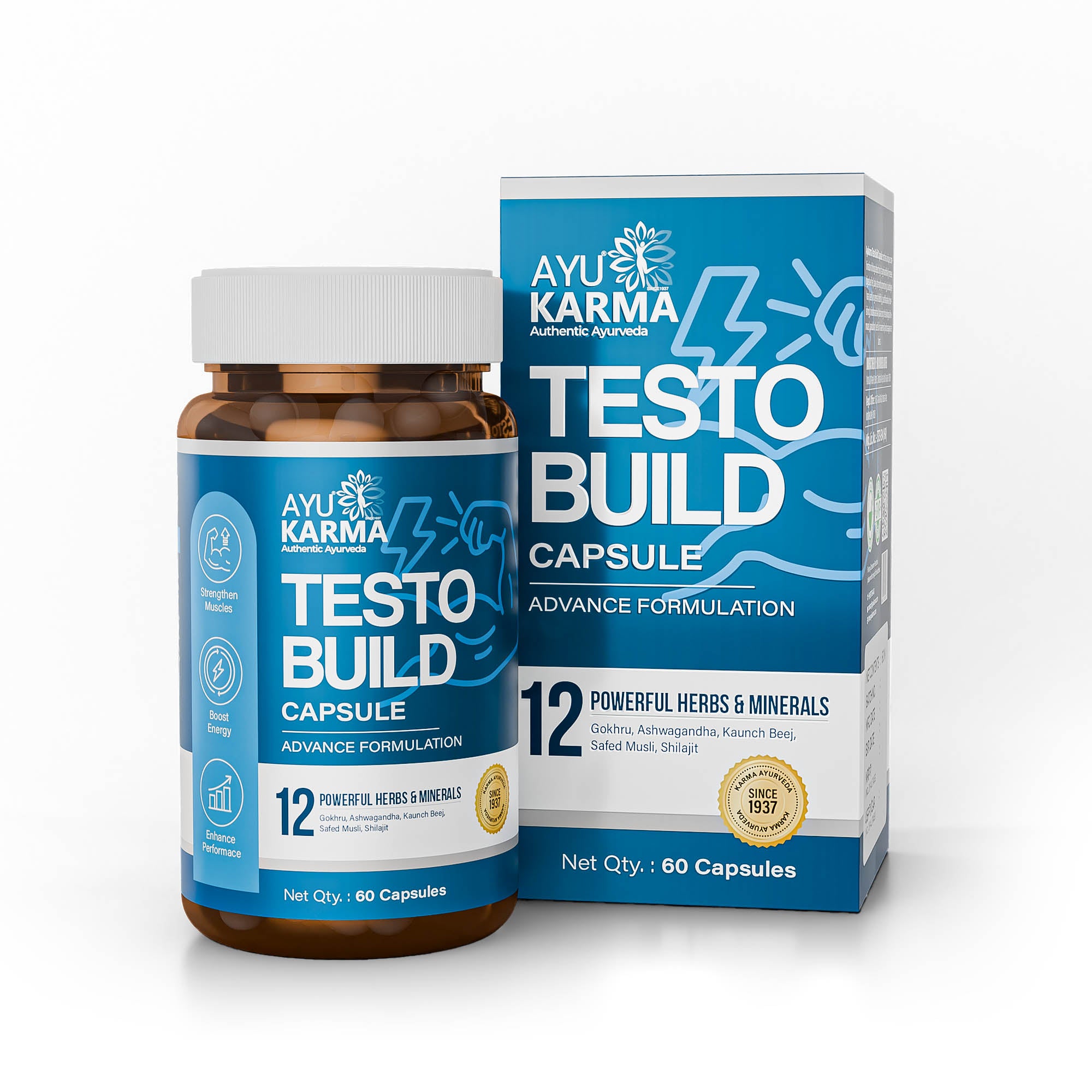
AyuKarma Testo Build Capsules combine 12 Ayurvedic herbs and minerals to support strength, energy, stamina, physical performance, nourishment and overall daily vitality.
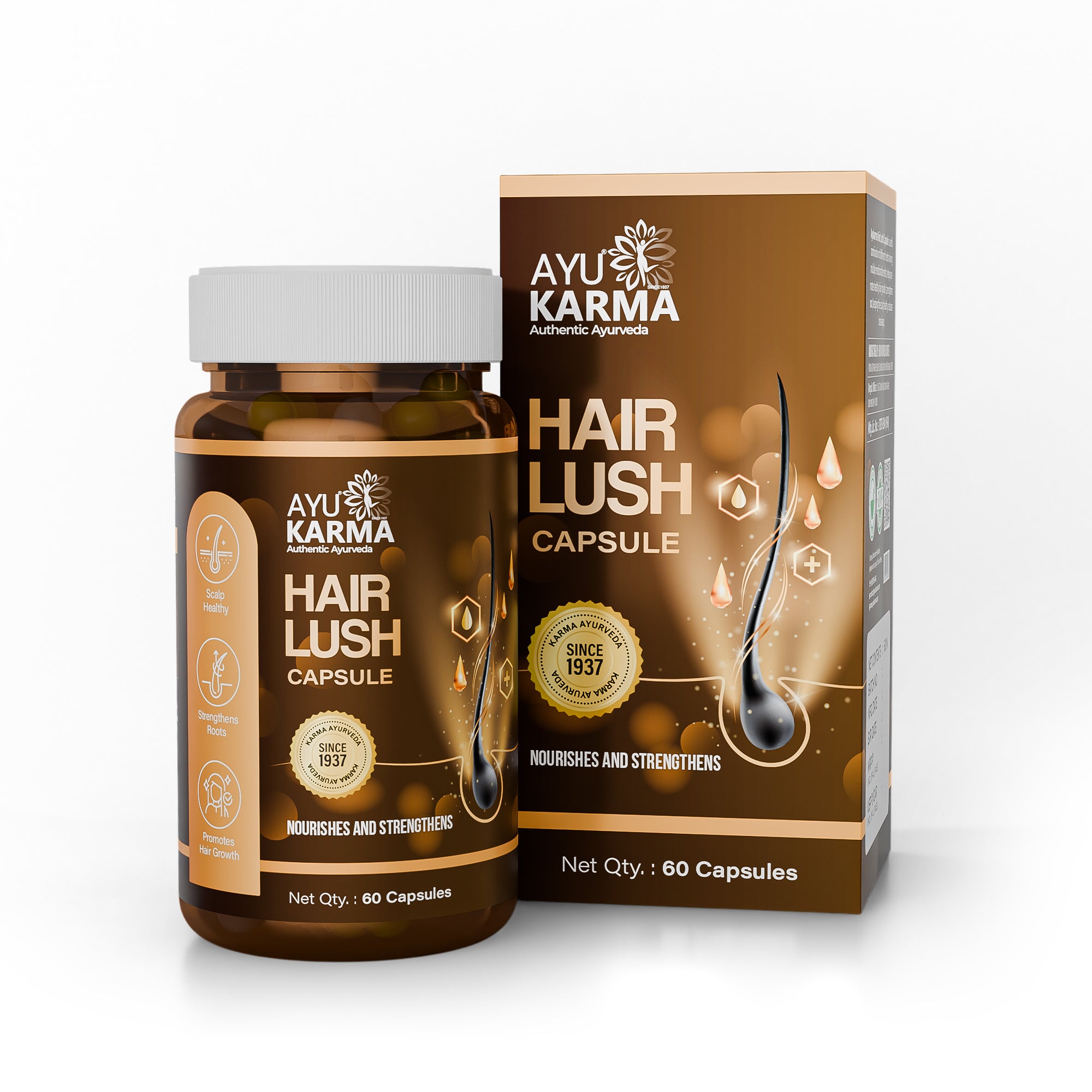
AyuKarma Hair Lush Capsules combine Ayurvedic herbs to support hair growth, reduce hair fall, strengthen roots, nourish the scalp and promote healthier-looking hair.
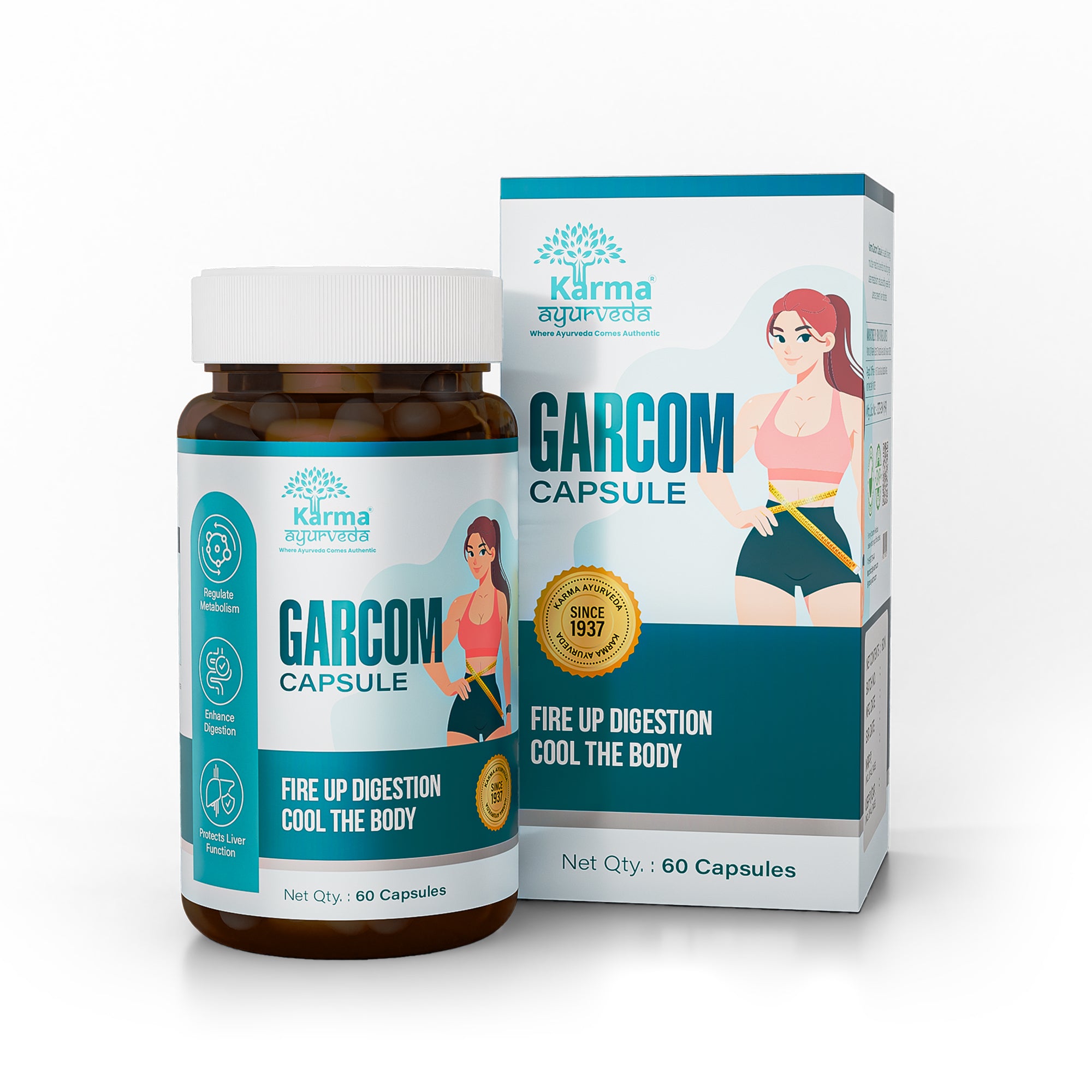
Karma Garcom Capsules contain Garcinia indica to support healthy metabolism, digestion, weight management, digestive comfort and daily wellness alongside a balanced lifestyle.
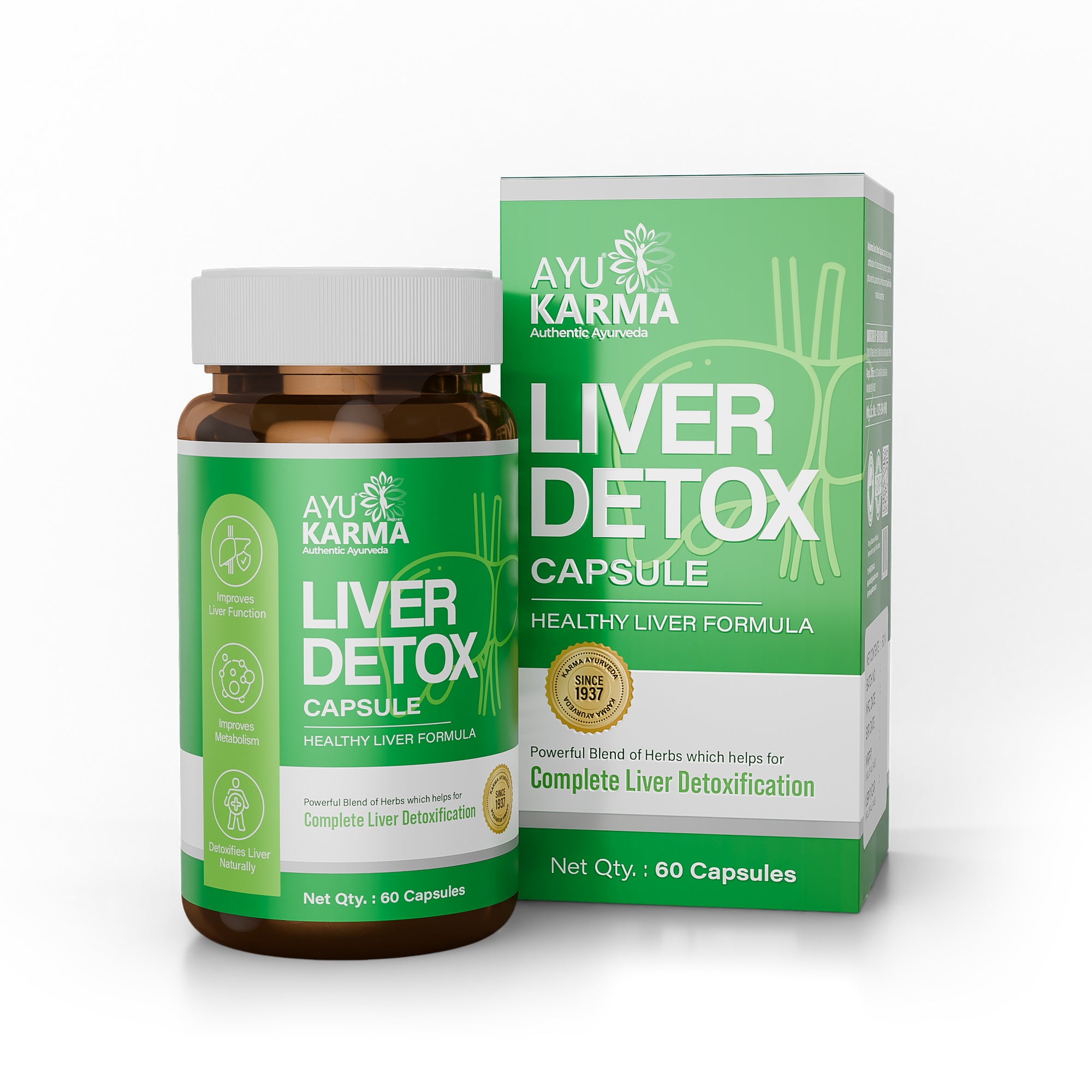
Doctor-recommended liver supplement that helps detoxify the liver, support healthy cholesterol, improve digestion & promote liver health. Developed by Dr. Puneet Dhawan with Karma Ayurveda philosophy.
Second Floor, 77, Block C, Tarun Enclave, Pitampura, New Delhi, Delhi, 110034

Certificate no- AH-2023-0186
JAN 05, 2026 - JAN 04, 2029

US FDA Reg. No.: 14568299376