Unlocking Wellness Naturally
100% Ayurvedic Treatment

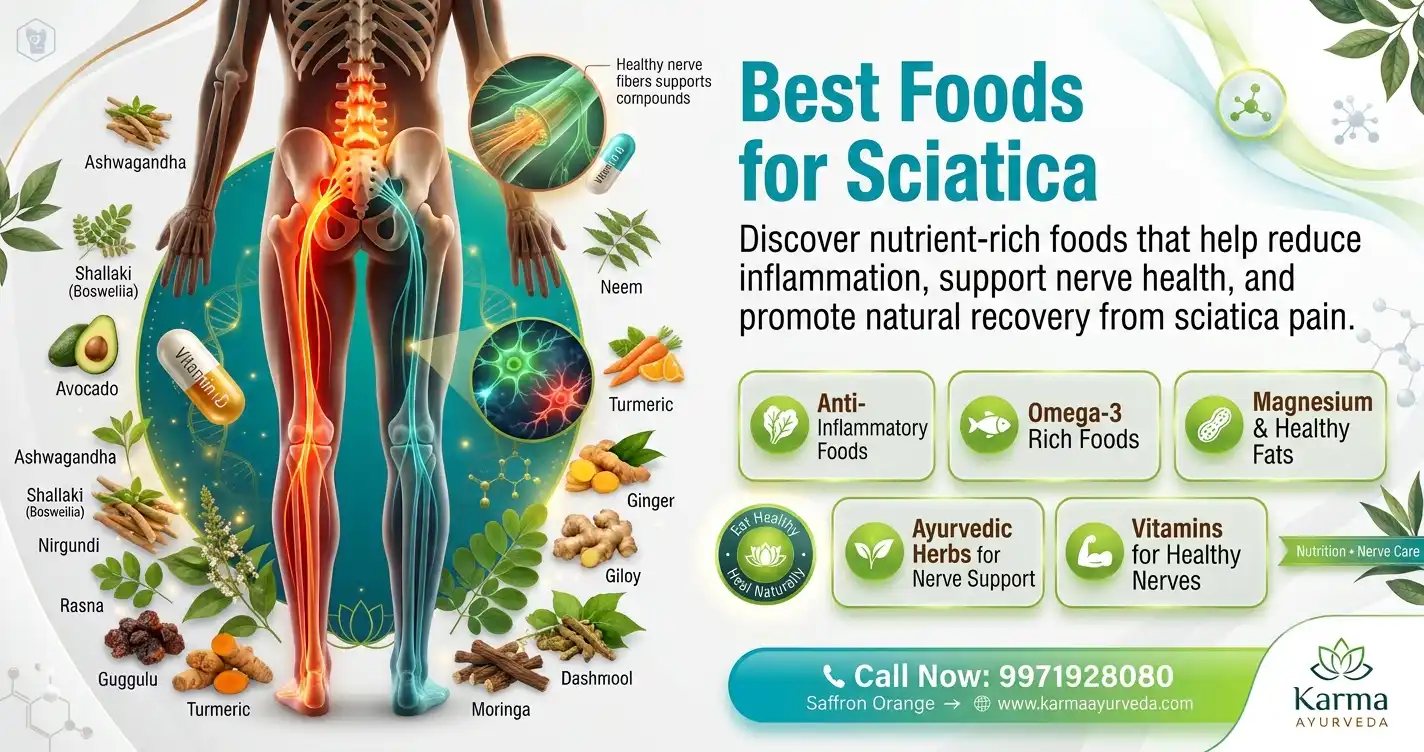
The best foods for Sciatica are rich anti-inflammatory powerhouses; like turmeric, leafy greens, berries, fatty fish, and warm spices; while the worst are refined sugars, fried snacks, and processed meats that fan the flames of nerve pain. Eating the right food isn't a magical cure-all overnight, but fueling your body with nutrients that calm nerve irritation can make a world of difference between wincing every time you tie your shoes and moving around with a bit of grace.
To understand why a bowl of berries helps while a double cheeseburger leaves you groaning on the couch, we have to look at inflammation. When a herniated disc, bone spur, or tight piriformis muscle compresses the sciatic nerve, your immune system responds by sending inflammatory cytokines to the area. This triggers swelling, which creates even more pressure on an already trapped nerve.
A 2020 study published in the Journal of Pain Research demonstrated that diets rich in ultra-processed foods and refined carbohydrates significantly elevate systemic inflammatory biomarkers like C-reactive protein (CRP). Conversely, a 2006 clinical study published in Surgical Neurology found that high-dose omega-3 fatty acid supplementation was just as effective as traditional non-steroidal anti-inflammatory drugs (NSAIDs) in reducing spine-related pain, with far fewer side effects.
What you swallow either fuels the fire or acts as a gentle fire extinguisher.
If you want to give your sciatic nerve a well-deserved break, start filling your plate with these nutrient-dense, nerve-loving foods:
Blueberries, blackberries, strawberries, and tart cherries are packed with anthocyanins; powerful antioxidants that give them their rich red and purple hues. Anthocyanins work at a cellular level to neutralize free radicals and suppress pro-inflammatory enzymes.
Turmeric contains curcumin, an active compound famous for its ability to block inflammatory pathways (specifically NF-kB). A classic study published in Phytotherapy Research highlighted that curcumin extracts performed comparably to conventional anti-inflammatory medications for joint and nerve discomfort. Pair turmeric with a pinch of black pepper to boost its absorption by up to 2,000%! Ginger, its spicy botanical cousin, contains gingerols that offer similar pain-easing benefits.
Wild salmon, mackerel, sardines, and trout are loaded with EPA and DHA; two essential omega-3 fatty acids that rebuild nerve membranes and suppress inflammatory responses. If you follow a plant-based diet, chia seeds, flaxseeds, and walnuts are fantastic plant sources of ALA omega-3s.
Magnesium is nature's muscle relaxant. Since sciatic pain is frequently exacerbated by tight muscles pulling on the lower back, getting enough magnesium in your diet helps prevent painful spasms. Dark leafy greens like spinach, kale, and Swiss chard, along with pumpkin seeds, almonds, and avocados, are brimming with magnesium and essential B-complex vitamins that foster nerve health.
In holistic traditions, sciatica is closely linked to an imbalance in the body's internal energy (specifically Vata, which governs movement and nerve impulses). Nourishing, warm foods like kitchari, slow-cooked lentil soups, stewed apples, and golden milk help ground the body, improve digestion, and reduce nerve irritability. Embracing an integrative Sciatica Ayurvedic treatment approach often starts with replacing cold, raw meals with warm, cooked, spice-infused dishes.
Just as certain foods can quiet nerve irritation, others act like throwing gasoline on a bonfire. If you are currently experiencing a flare-up, try your best to sideline these usual suspects:
Making diet changes doesn't mean eating boring, bland food for the rest of your life. It's simply about swapping out nerve irritants for delicious, soothing alternatives:
Instead of Snacking On...
Potato chips & processed crackers
Sugary soda or energy drinks
Deep-fried chicken or red meat
Ice-cold sugary smoothies
Swap It Out For...
Roasted pumpkin seeds or walnuts
Warm turmeric milk or ginger tea
Baked salmon or lentil stew
Warm spiced oatmeal with berries
Why Your Sciatic Nerve Will Thank You
Swaps trans fats for magnesium and omega-3 nerve support.
Replaces sugar-driven inflammation with natural gingerols.
Swaps inflammatory saturated fats for nerve-rebuilding EPA/DHA.
Avoids digestive shock and provides steady, anti-inflammatory energy.
While dialing in your nutrition is a cornerstone of Sciatica home treatment, addressing chronic back and leg pain often benefits from a comprehensive, holistic strategy. Rooted in centuries of observational wisdom, ancient healing practices focus on identifying the root cause of nerve compression rather than simply masking painful symptoms.
A well-rounded Ayurvedic treatment for Sciatica frequently combines personalized dietary adjustments, herbal formulations, and therapeutic bodywork. For instance, herbal remedies containing Guggulu, Ashwagandha, and Rasna are traditionally used to strengthen nerve tissue, relieve stiffness, and calm localized inflammation. When paired with warm herbal oil massages (Abhyanga) and localized heat therapy (Kati Basti), these natural modalities work synergistically with an anti-inflammatory diet to ease disc pressure and restore comfortable movement.
If you are exploring structured guidance beyond home management, seeking expert consultation can provide tailored clarity. Institutes specializing in holistic care; such as Karma Ayurveda Hospital; focus on holistic assessments to craft individual wellness plans. Under professional supervision, finding the right Karma Ayurveda for Sciatica treatment protocol allows individuals to combine dietary wisdom with classical herbal therapies and Best Ayurvedic medicines for Sciatica for sustainable, long-term spinal health.
Yes, staying well-hydrated keeps your spinal discs plump and cushioned, which reduces pressure on the sciatic nerve.
Fresh ginger and turmeric tea act quickly to help block inflammatory chemical pathways in the body.
Yes, bananas are rich in potassium and magnesium, which help relax tight back muscles and prevent nerve spasms.
Full-fat or heavily processed dairy can sometimes trigger inflammation, so opting for lighter or warm spiced milk alternatives is often better.
This article is for informational and educational purposes only and does not constitute formal medical advice, diagnosis, or treatment. Always consult a qualified healthcare professional or spine specialist before making significant changes to your diet, exercise routine, or treatment plan for sciatica or underlying health conditions.
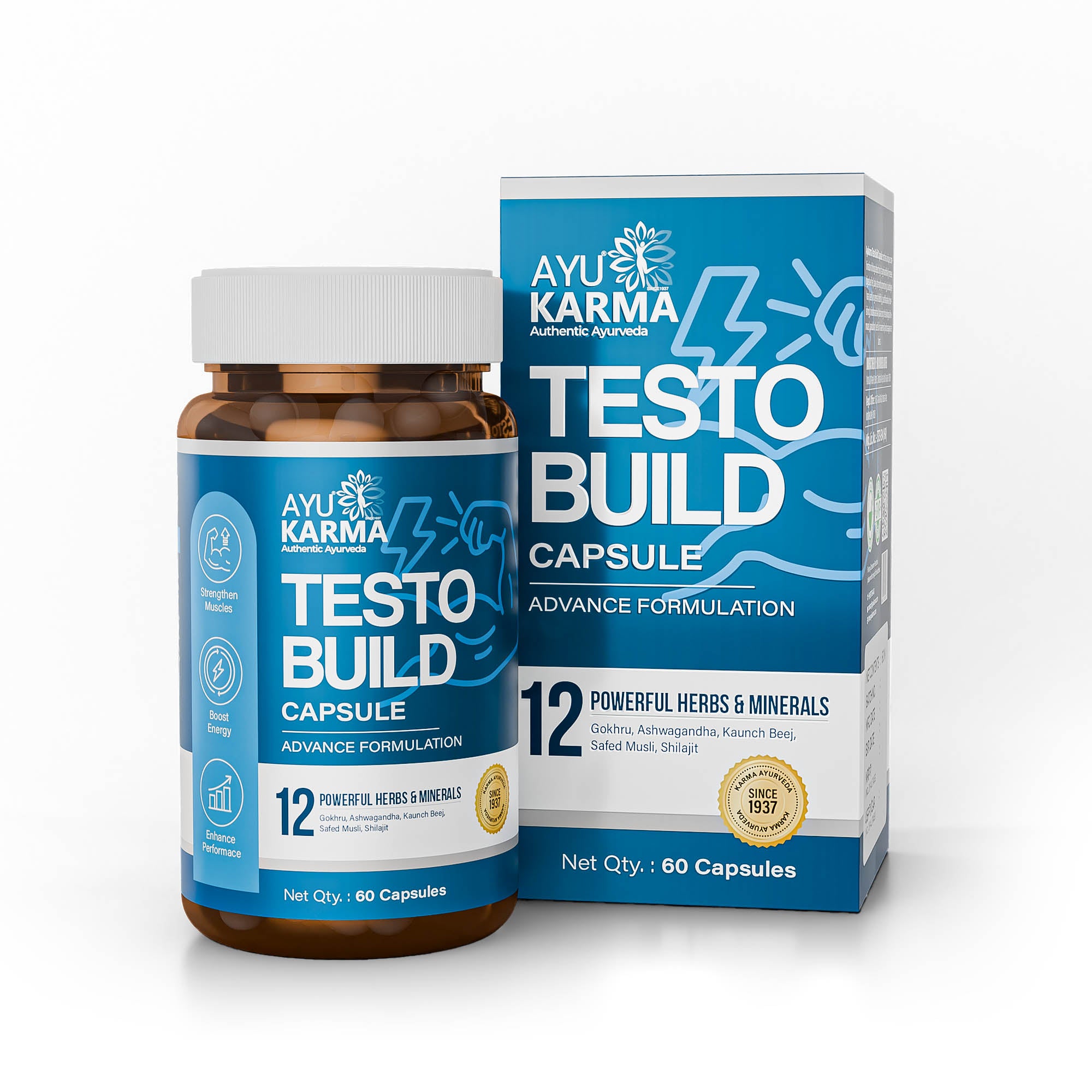
AyuKarma Testo Build Capsules combine 12 Ayurvedic herbs and minerals to support strength, energy, stamina, physical performance, nourishment and overall daily vitality.
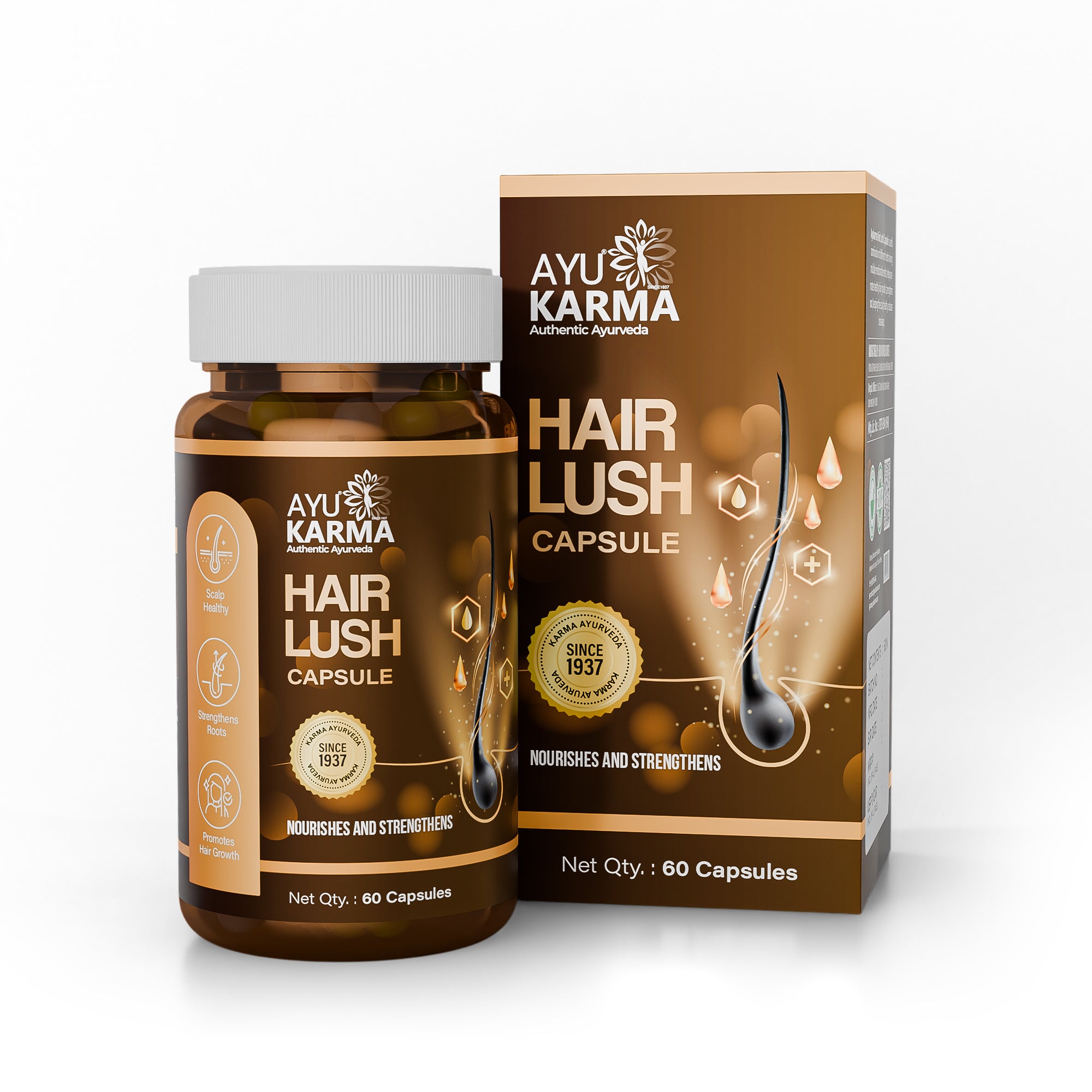
AyuKarma Hair Lush Capsules combine Ayurvedic herbs to support hair growth, reduce hair fall, strengthen roots, nourish the scalp and promote healthier-looking hair.
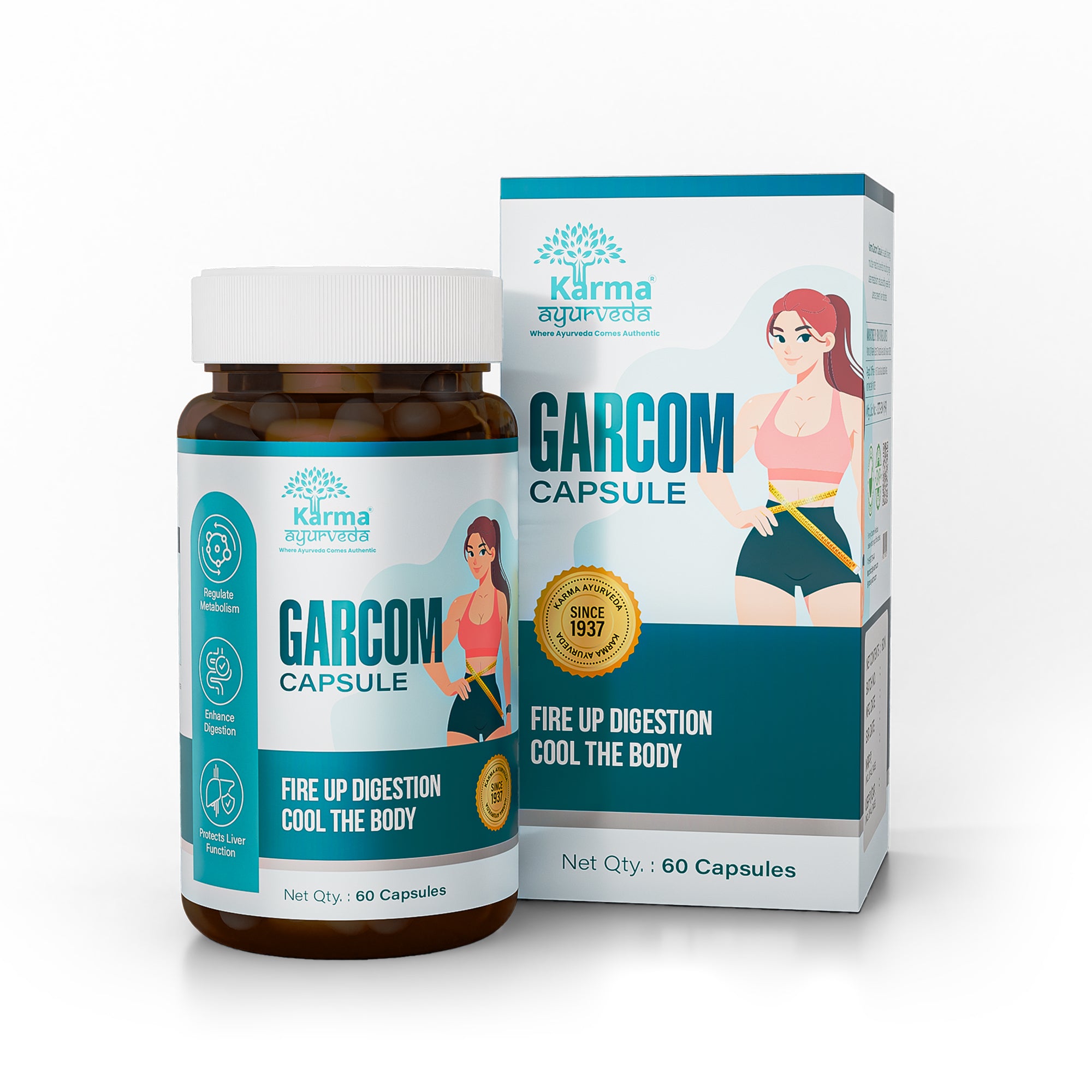
Karma Garcom Capsules contain Garcinia indica to support healthy metabolism, digestion, weight management, digestive comfort and daily wellness alongside a balanced lifestyle.
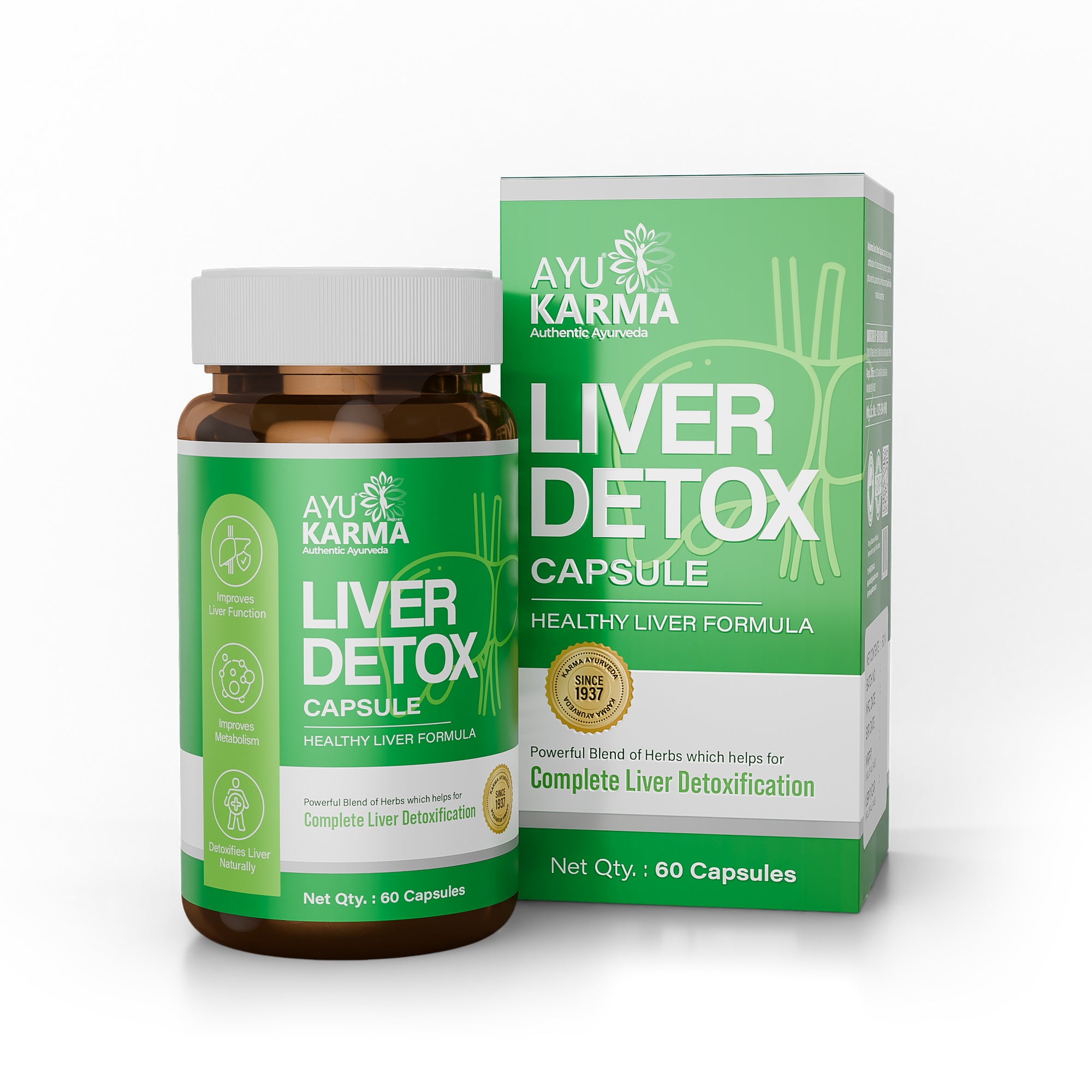
Doctor-recommended liver supplement that helps detoxify the liver, support healthy cholesterol, improve digestion & promote liver health. Developed by Dr. Puneet Dhawan with Karma Ayurveda philosophy.
Second Floor, 77, Block C, Tarun Enclave, Pitampura, New Delhi, Delhi, 110034

Certificate no- AH-2023-0186
JAN 05, 2026 - JAN 04, 2029

US FDA Reg. No.: 14568299376