Unlocking Wellness Naturally
100% Ayurvedic Treatment

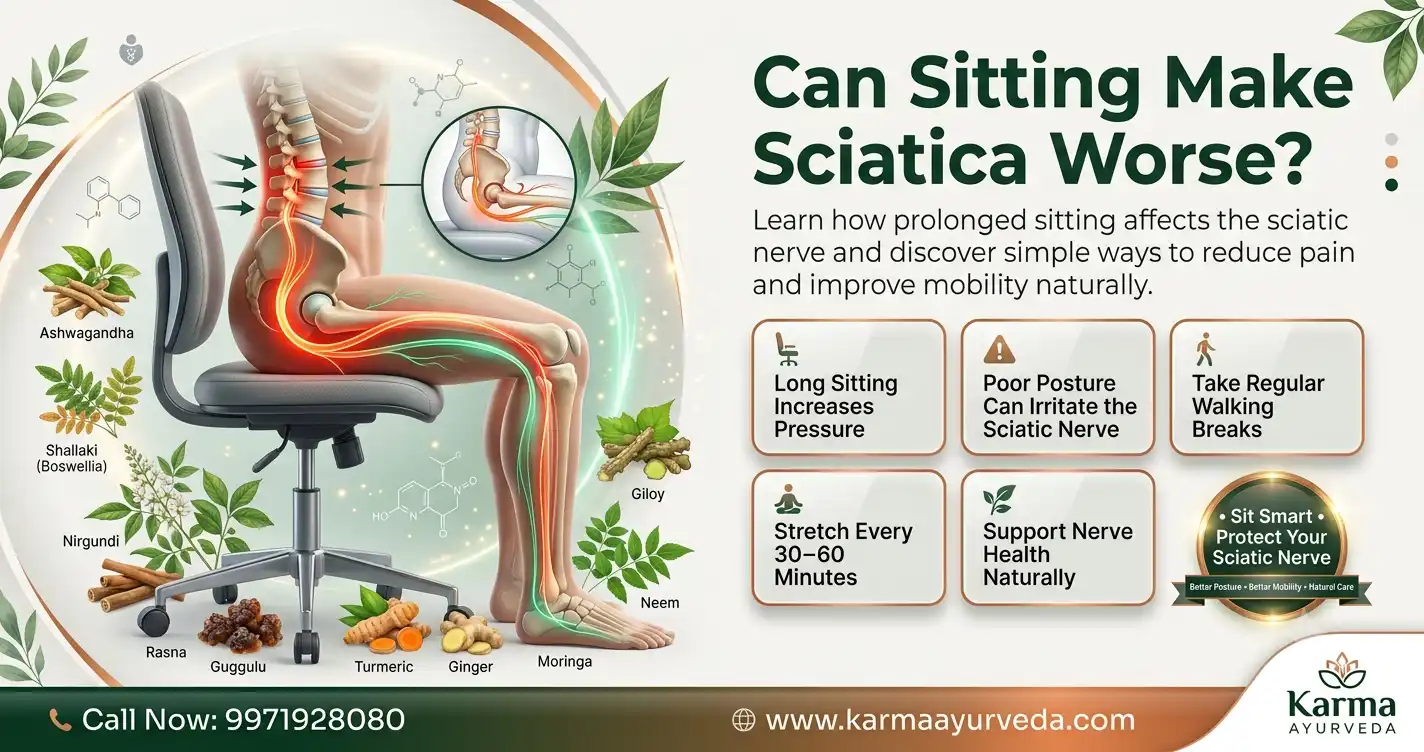
Yes, sitting can make sciatica significantly worse, especially if you sit for long periods or slouch. When you sit down, the mechanical pressure on your lower lumbar discs jumps by up to 40% to 85% compared to standing, squeezing the sciatic nerve and turning a quiet ache into a fiery leg sensation.
If you have ever tried to stand up after a two-hour Zoom call only to realize your lower body has staged a mutiny, welcome to the club. Sciatica has an uncanny ability to make basic daily actions; like sitting in a desk chair; feel like an endurance test.
Let's unpack why sitting turns your sciatic nerve into a cranky, firing live wire, what science has to say about it, and how natural, ancient approaches like Ayurvedic treatment for Sciatica can help you get off the pain coaster.
To understand why your office chair feels like an iron maiden, think of your intervertebral discs as jelly donuts sitting between hard bone blocks (your vertebrae).
When you stand, your spine maintains a natural curve (lordosis) that distributes your body weight evenly. But the moment your tailbone hits a chair, your pelvis tilts backward, your lower back flattens, and those jelly donuts get squished.
If you already have a bulging or herniated disc, that extra squish pushes the disc material right into your sciatic nerve; the longest, thickest nerve in your body that runs from your lower back all the way down your leg. The result? Sharp, radiating pain, numbness, or that infamous "pins and needles" sensation.
We aren't just guessing here; biomechanical scientists have been sticking tiny sensors into spinal discs for decades to figure out what pisses them off the most.
The Nachemson Study on Intradiscal Pressure: In landmark research published in Spine, Dr. Alf Nachemson measured intradiscal pressure across different postures. His findings revealed that sitting upright increases pressure on your lower lumbar discs by roughly 40% compared to standing. Even worse? Sitting while slouching or leaning forward boosted spinal disc pressure by up to 85%.
The Wilke In-Vivo Measurement Study: Later research by Wilke et al. published in Spine (1999) confirmed that dynamic sitting postures and slouching place significantly higher mechanical loads on the nucleus pulposus (the inner core of the disc) than standing upright or walking.
Piriformis Compression Research: It isn't just about discs! Studies on extra-spinal sciatica (like Piriformis Syndrome) show that prolonged sitting places direct muscular pressure on the piriformis muscle in your buttocks, causing it to spasm and pinch the sciatic nerve directly underneath it.
Lying Flat on Your Back
Standing Up Straight
Sitting Upright (Good Ergonomics)
Slouching / Couch Potato Mode
Modern medicine points at discs and nerves, but Ayurveda looks at the systemic energy breakdown behind it. In Ayurvedic texts, sciatica is known as Gridhrasi; a term derived from Gridhra (vulture), because the pain forces a person to walk with a slight limp, mimicking the gait of a vulture.
According to Ayurvedic principles, sciatica is primarily a Vata disorder (specifically Vata Vyadhi). Vata governs all movement, nerve signals, and circulation in the body. Its core qualities are dry, cold, light, and mobile.
When you sit motionless for hours:
This is where targeted holistic care comes in. Rather than just numbing the pain signal, an authentic Sciatica Ayurvedic treatment focuses on rebalancing Vata, lubricating dry spinal tissues, and clearing deep-seated toxins.
If sitting is ruining your day, masking the symptom with temporary pain relievers only kicks the can down the road. Finding a genuine root-cause solution requires a comprehensive plan.
Hospitals like Karma Ayurveda Hospital advocate for structured, non-invasive therapies that blend internal herbal formulations with specialized external Ayurvedic procedures:
Under expert guidance, opting for Karma Ayurveda for Sciatica treatment gives your body the therapeutic push it needs to repair tissue naturally rather than relying on lifetime management strategies.
If you have a desk job, quitting isn't an option. But you can change how you sit:
Yes, sitting increases pressure on your lower lumbar discs by up to 85%, which directly compresses and irritates the sciatic nerve.
Slouching forward with a rounded lower back or sitting with legs crossed puts maximum mechanical stress on your lower spine and sciatic nerve.
Use a supportive lumbar cushion, keep both feet flat on the floor, and stand up to stretch every 30 minutes.
In classical Ayurvedic medicine, sciatica is referred to as Gridhrasi, which is primarily caused by an aggravated Vata dosha.
Yes, standing distributes your body weight more evenly across your spine and significantly reduces pressure on your intervertebral discs.
This blog is for informational and educational purposes only and should not be taken as professional medical advice, diagnosis, or treatment. Always consult a qualified physician or an Ayurvedic healthcare practitioner regarding any medical condition or before starting any new health regimen or treatment.
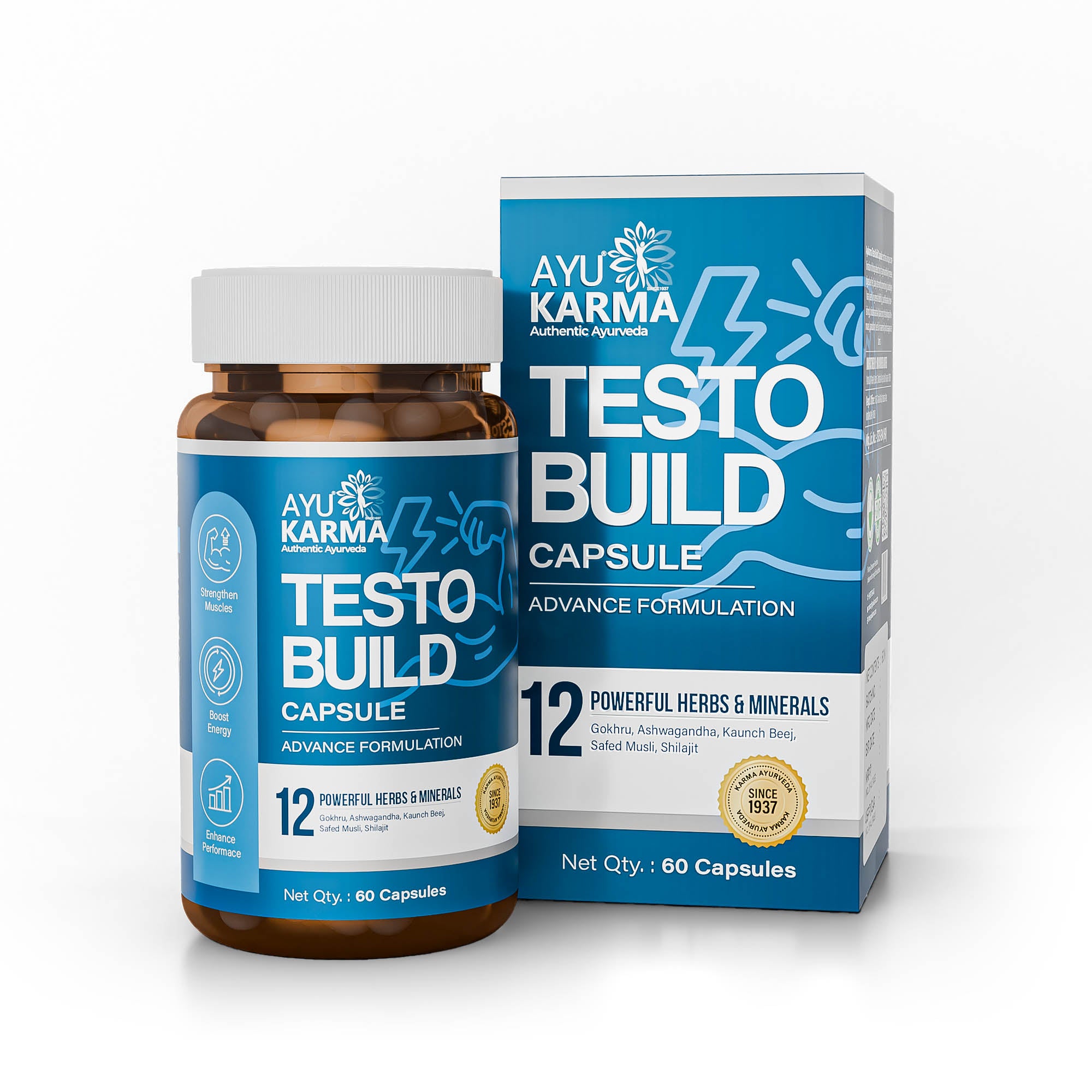
AyuKarma Testo Build Capsules combine 12 Ayurvedic herbs and minerals to support strength, energy, stamina, physical performance, nourishment and overall daily vitality.
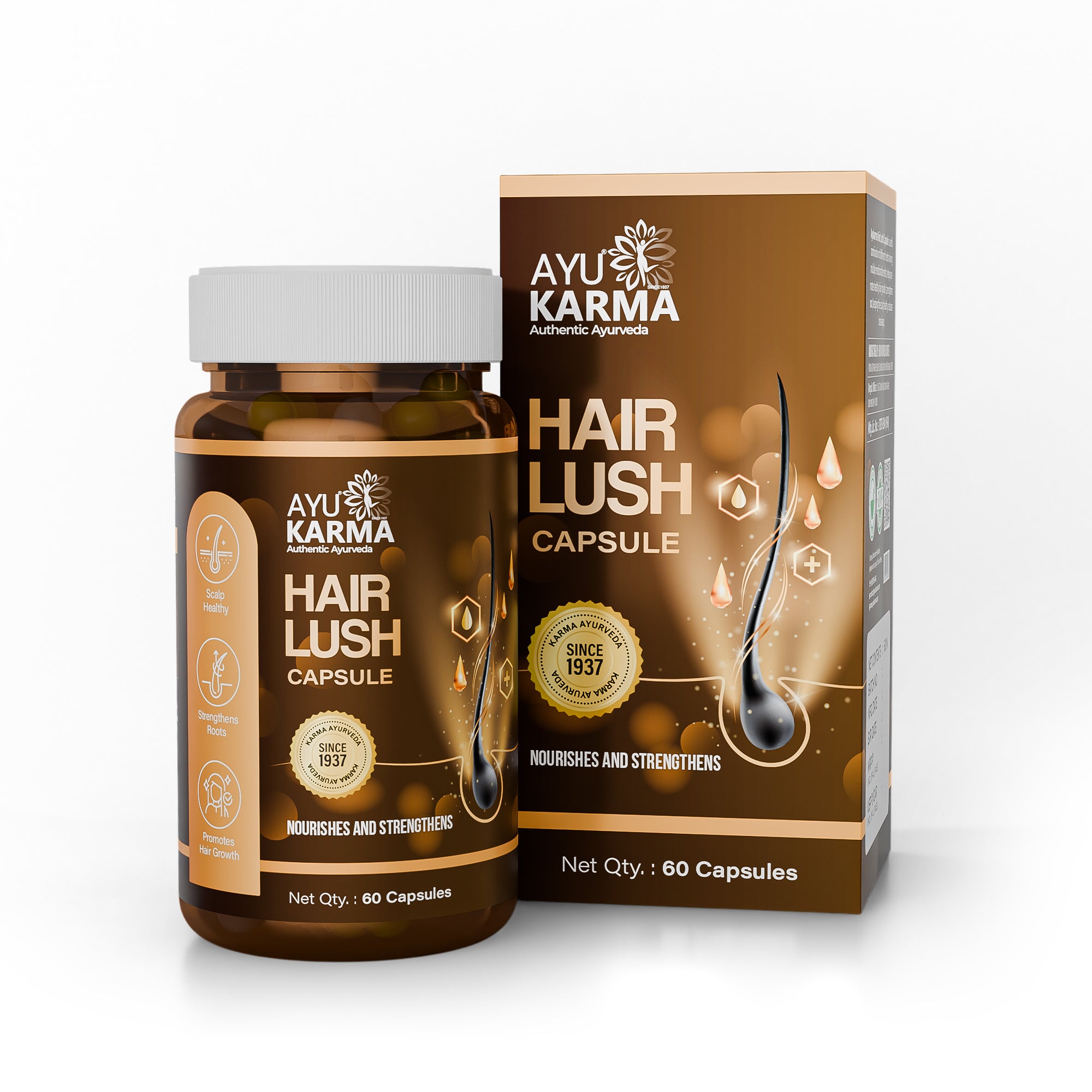
AyuKarma Hair Lush Capsules combine Ayurvedic herbs to support hair growth, reduce hair fall, strengthen roots, nourish the scalp and promote healthier-looking hair.

Karma Garcom Capsules contain Garcinia indica to support healthy metabolism, digestion, weight management, digestive comfort and daily wellness alongside a balanced lifestyle.
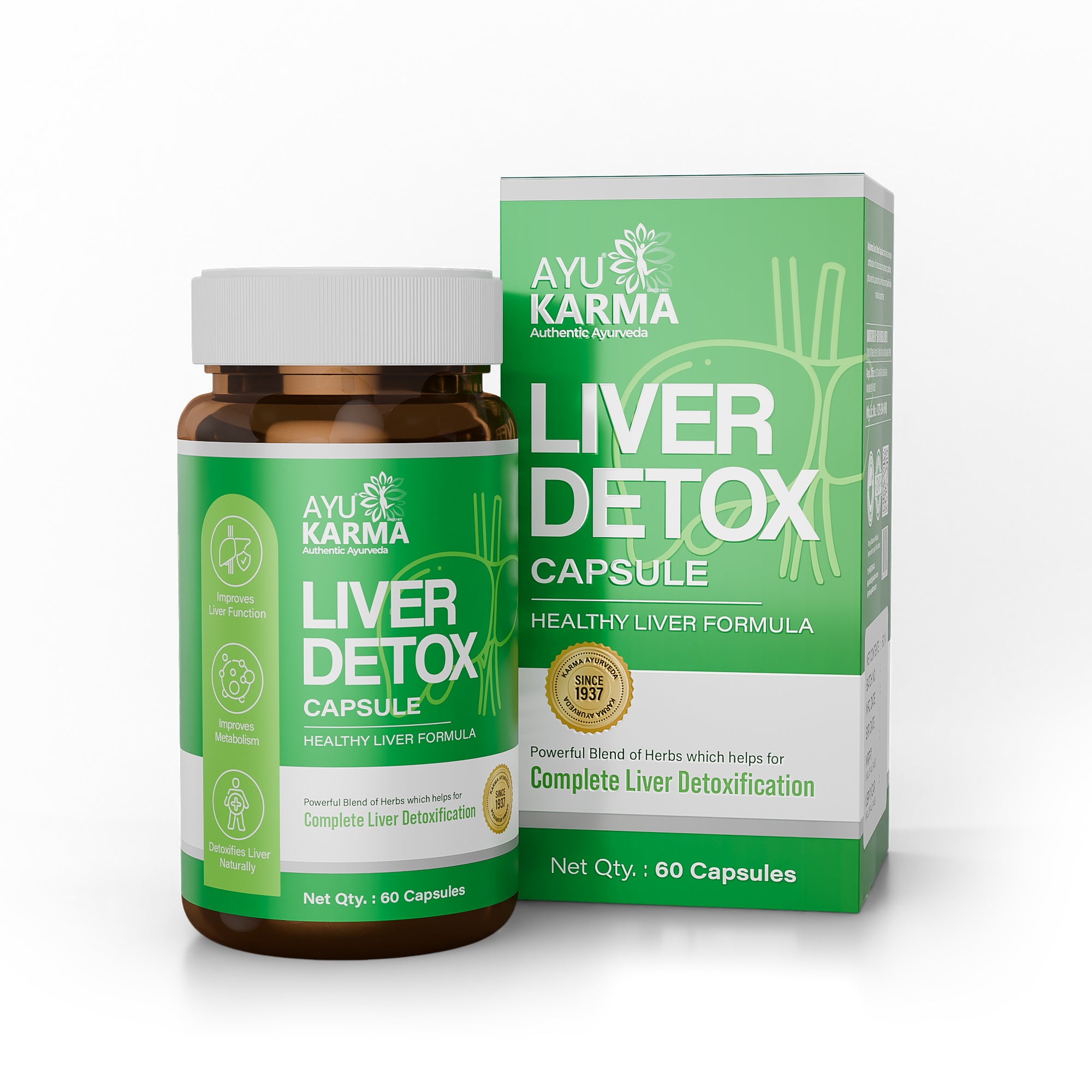
Doctor-recommended liver supplement that helps detoxify the liver, support healthy cholesterol, improve digestion & promote liver health. Developed by Dr. Puneet Dhawan with Karma Ayurveda philosophy.
Second Floor, 77, Block C, Tarun Enclave, Pitampura, New Delhi, Delhi, 110034

Certificate no- AH-2023-0186
JAN 05, 2026 - JAN 04, 2029

US FDA Reg. No.: 14568299376