
Unlocking Wellness Naturally
100% Ayurvedic Treatment


Knee pain gets worse when the weather changes because shifts in barometric pressure cause the tissues inside your joint to expand, putting extra pressure on sensitive nerves. Think of your joint as a tiny, highly dramatic weather balloon that reacts every single time a storm clouds over.
If your knees have started accurately predicting rain showers ten minutes before the local weather anchor even mentions dark clouds, congratulations! You have officially acquired a human barometer right inside your legs. While it is a somewhat neat party trick, dealing with knee pain and weather changes can feel frustrating, exhausting, and downright uncomfortable.
Every time a chilly breeze rolls in, or a sudden damp morning arrives, your joints might feel stiffer, achier, and heavier than usual. But why does this happen? Is it all in your head, or is your body actually reacting to the atmosphere? Let’s break down the science behind knee pain due to weather changes, explore how ancient wisdom like Ayurveda views it, and look at practical, friendly ways to keep your knees happy regardless of the weather forecast.
To understand what’s going on, imagine your joint as an inflated balloon resting inside a sealed container. When atmospheric pressure drops (which usually happens right before rainy, stormy, or cold weather), the air pressure outside your body decreases. This sudden drop allows the tissues, fluids, and cartilage surrounding your knee joint to expand outward slightly.
In a healthy, highly lubricated joint, this microscopic expansion barely causes a flutter. But if you have worn-down cartilage, mild inflammation, or old injuries, that tiny expansion pushes directly against sensitive, inflamed nerves. The result? That signature, deep aching feeling that leaves you reaching for a warm blanket.
Science backs this up! A well-known study published in The Journal of Rheumatology by Dr. Robert Jamison and his team analyzed the relationship between weather variables and joint pain across multiple cities. The researchers discovered a clear link between changes in barometric pressure, ambient temperature, and an increase in reported joint pain. Another significant study from Tufts University (published in The American Journal of Medicine) observed that every 10-degree drop in temperature was directly associated with an incremental increase in arthritis pain.
It isn’t just barometric pressure having a field day with your lower limbs. Temperature plays a massive supporting role. Cold weather tends to make the synovial fluid; the natural lubricant inside your joints; thicker and more viscous. Think of it like cooking oil: when warm, it flows freely; when chilled, it gets sluggish and thick.
When synovial fluid hardens up, your joints lose their smooth glide, causing stiffness. Add in high humidity, which further irritates inflamed tissues, and you have the perfect recipe for uncomfortable mornings. If you are seeking a complete natural treatment for knee discomfort during these seasonal shifts, addressing both the internal joint environment and external temperature control is essential.
While modern medicine talks about pressure gauges and fluid dynamics, traditional systems like Ayurveda have understood this phenomenon for thousands of years. In Ayurveda, your body is governed by three primary energies (doshas): Vata, Pitta, and Kapha.
Vata is characterized by qualities like coldness, dryness, lightness, and mobility. Sound familiar? That’s basically the exact description of late autumn and winter weather! When cold, damp weather sets in, Vata dosha naturally spikes in the environment and in your body. Excessive Vata tends to dry up natural joint lubrication, leading to friction, cracking sounds, and stiffness.
This is why Ayurvedic knee pain treatment focuses heavily on counteracting cold, dry energy with warm, unctuous, and grounding therapies. Instead of just masking symptoms, a holistic joint pain treatment in Ayurveda aims to soothe Vata, nourish the surrounding tissues, and support long-term mobility.
Weather Trigger | What Your Joint Feels | Ayurvedic Counter-Strategy | Human Vibe Check
Dropping Pressure | Tissues expand and press on nerves. | Warm oil massage (Abhyanga) to ground tissue. | "My joint feels like an over-inflated tire!"
Cold Snap | Synovial fluid thickens; stiff joints. | Warm herbal compresses & Nirgundi oil. | "Need grease for these rusty tin-man knees!"
High Dampness | Heaviness, sluggishness, swelling. | Dry heat therapy & warming spices (Ginger/Guggulu). | "Moving through actual wet concrete today."
When looking for effective Ayurvedic remedies for knee pain, nature offers a wonderful cupboard of soothing botanicals. Integrating proper best medicines for knee pain into your routine can help maintain flexibility when atmospheric pressure acts up:
For individuals dealing with persistent joint wear, exploring options like knee cartilage regeneration ayurveda or seeking specialized Ayurvedic knee cartilage treatment can offer structured, non-invasive guidance. Institutions focusing on holistic health; such as Karma Ayurveda for knee treatment led by specialists like Dr. Puneet Dhawan; emphasize personalized herbal formulations, diet modifications, and lifestyle changes to manage chronic joint stress naturally.
Finding the best medicine for knee swelling in ayurveda or discovering the ideal best Ayurvedic herbs for knee pain often comes down to customized care tailored to your specific body type. Furthermore, choosing a well-rounded knee joint treatment in ayurveda helps ensure your joints remain resilient across all four seasons.
You don't have to pack your bags and move to a sunny desert island just to escape aching joints. Here are a few warm, simple, everyday habits to keep you comfortable:
This blog is for informational and educational purposes only and should not replace professional medical advice, diagnosis, or treatment. Always consult a qualified healthcare provider or Ayurvedic doctor regarding any medical condition or before starting any new health routine or herbal treatment.
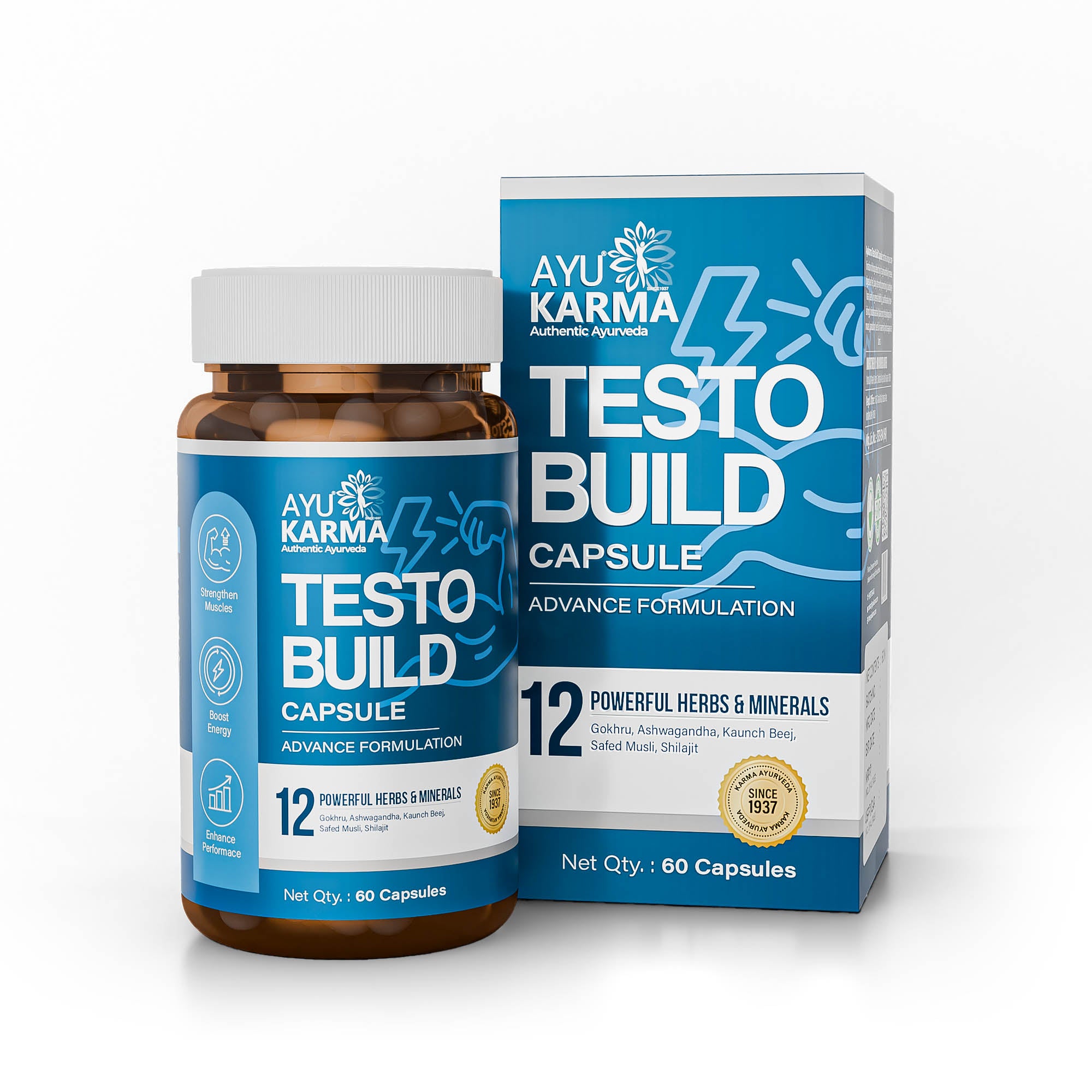
AyuKarma Testo Build Capsules combine 12 Ayurvedic herbs and minerals to support strength, energy, stamina, physical performance, nourishment and overall daily vitality.
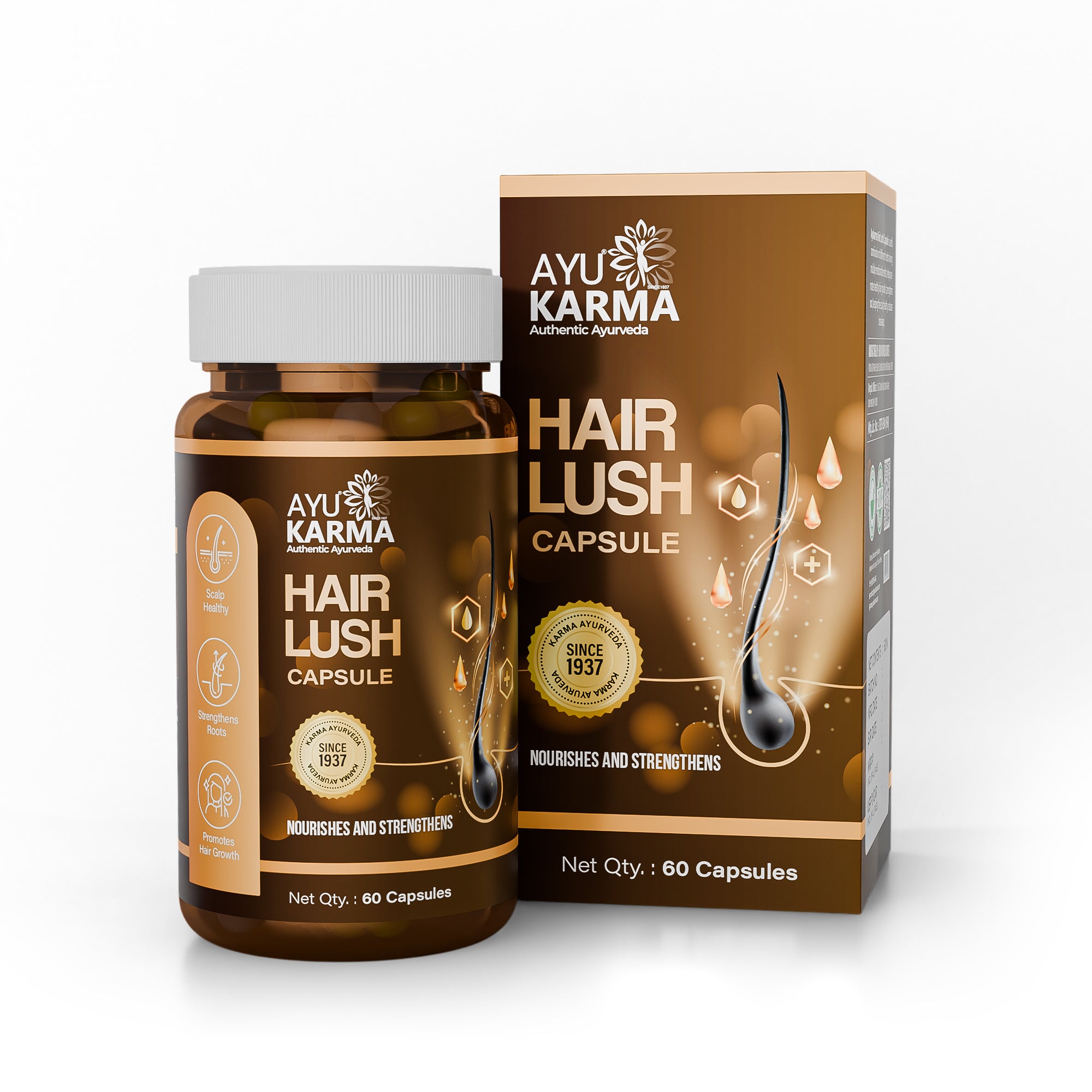
AyuKarma Hair Lush Capsules combine Ayurvedic herbs to support hair growth, reduce hair fall, strengthen roots, nourish the scalp and promote healthier-looking hair.
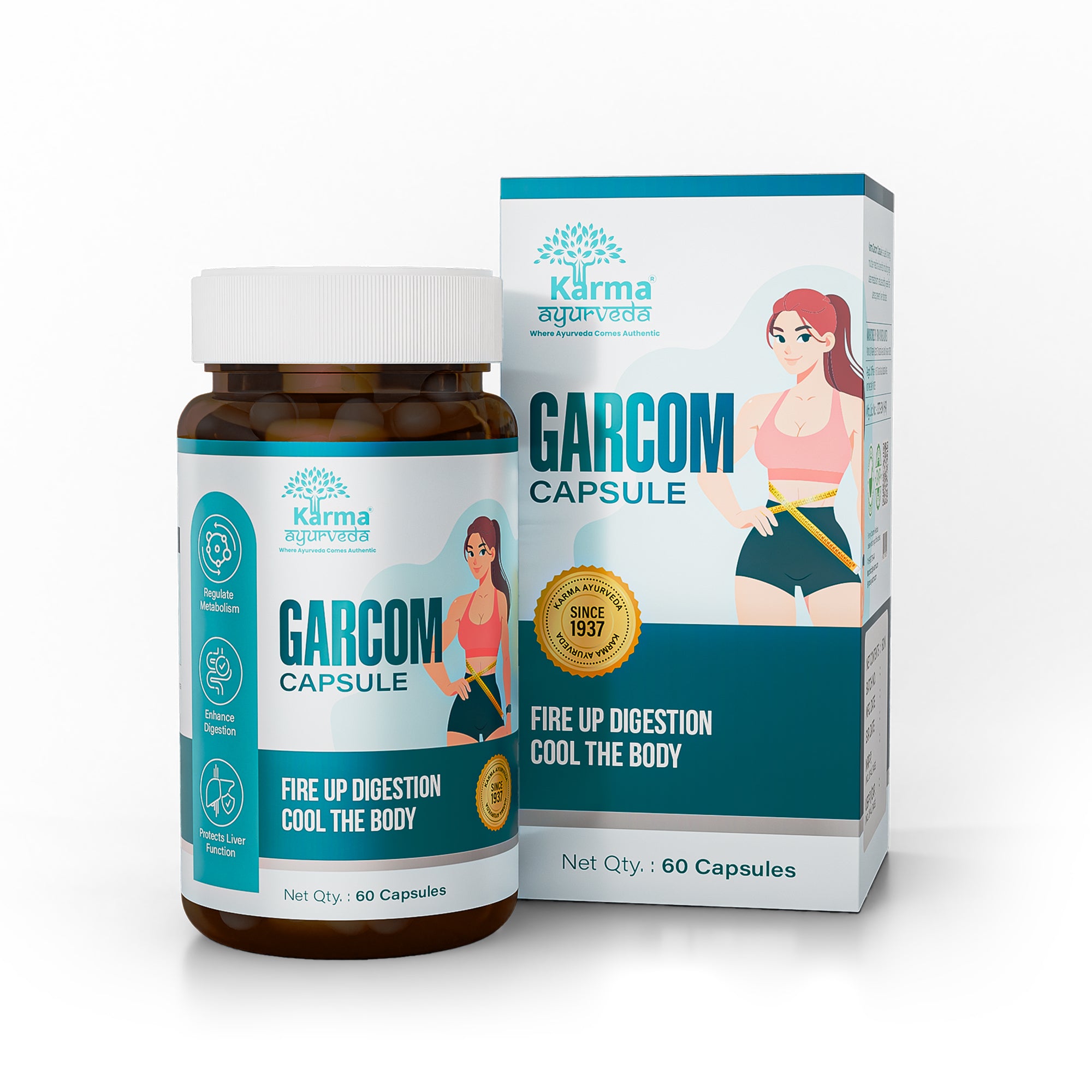
Karma Garcom Capsules contain Garcinia indica to support healthy metabolism, digestion, weight management, digestive comfort and daily wellness alongside a balanced lifestyle.
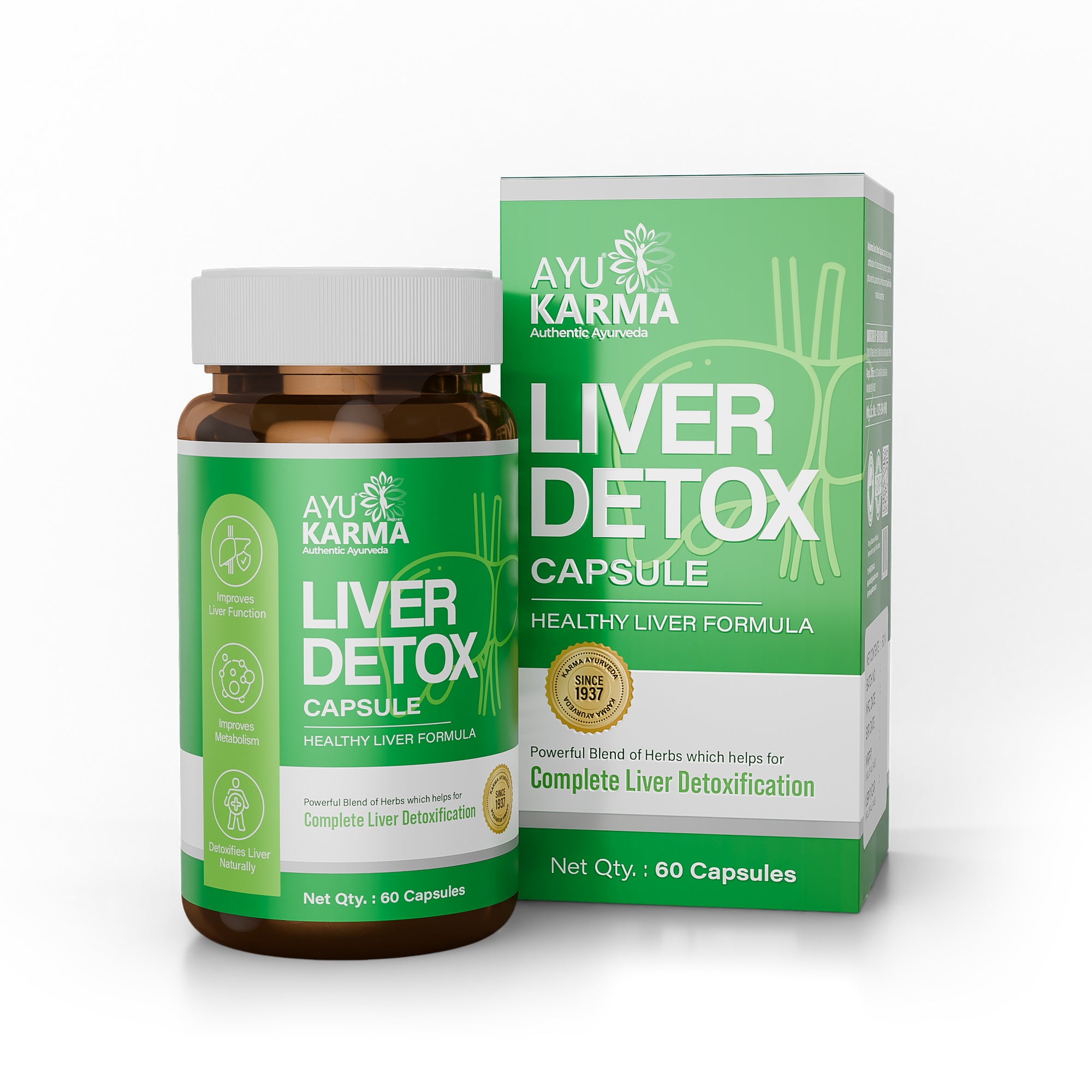
Doctor-recommended liver supplement that helps detoxify the liver, support healthy cholesterol, improve digestion & promote liver health. Developed by Dr. Puneet Dhawan with Karma Ayurveda philosophy.
Second Floor, 77, Block C, Tarun Enclave, Pitampura, New Delhi, Delhi, 110034

Certificate no- AH-2023-0186
JAN 05, 2026 - JAN 04, 2029

US FDA Reg. No.: 14568299376
