






























Ayurvedic Chronic Kidney Disease Treatment: Supporting Kidney Health, Fluid Balance and Everyday Wellbeing
A kidney report can turn a perfectly ordinary morning into a very stressful one.
You see words like "creatinine," "eGFR," "protein in urine," or "CKD," and suddenly every glass of water and every meal starts feeling like a complicated maths problem.
But CKD is not defined by one creatinine reading alone.
It is a long-term condition that can have different causes and stages. Diabetes, high blood pressure, glomerular diseases, inherited kidney conditions, recurrent kidney injury, and other problems can contribute to chronic kidney damage.
At Karma Ayurveda, when someone approaches us looking for Ayurvedic Chronic Kidney Disease treatment, we first try to understand the complete picture.
We review kidney reports, symptoms, blood pressure, urine findings, medical history, medications, diet, hydration habits, digestion, sleep, and lifestyle.
Reports such as serum creatinine, eGFR, urine protein or albumin, electrolytes, blood counts, ultrasound, and other investigations may provide important information about kidney health.
We also recognize that a person with early-stage CKD has very different requirements from someone with advanced CKD, significant swelling, very low eGFR, or complications affecting other organs.
Our approach is therefore individualized and focused on responsible supportive care.
The goal is not to make unrealistic promises about "repairing" damaged kidneys overnight. It is to understand the condition, support healthy routines, monitor relevant parameters, and work alongside appropriate medical care.
What Exactly Causes Chronic Kidney Disease?
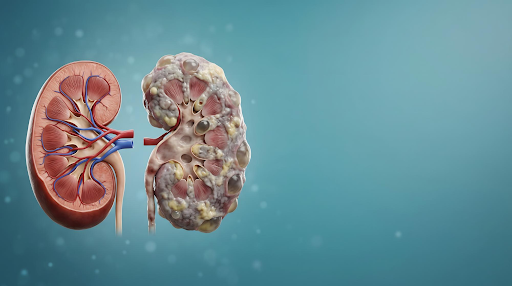
CKD can develop from many different conditions that repeatedly damage the kidneys or place excessive strain on them over time.
The most common causes include diabetes and high blood pressure, but kidney disease can also result from glomerular disorders, inherited conditions, autoimmune diseases, recurrent obstruction, infections, and other causes.
Identifying the underlying cause is important because treatment and monitoring depend heavily on it.
The Common Contributors
Diabetes: Persistently high blood glucose can damage the small blood vessels and filtering structures inside the kidneys.
High Blood Pressure: Long-term uncontrolled hypertension can damage kidney blood vessels and gradually reduce kidney function.
Glomerular Diseases: Conditions affecting the kidney's filtering units can cause protein or blood to appear in the urine and may lead to progressive kidney damage.
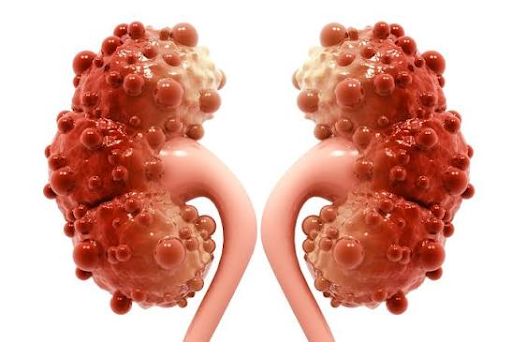
Inherited Kidney Conditions: Certain genetic disorders, including polycystic kidney disease, can gradually impair kidney function.
Repeated Kidney Injury: Episodes of acute kidney injury can sometimes contribute to long-term kidney damage, particularly when the kidneys do not fully recover.
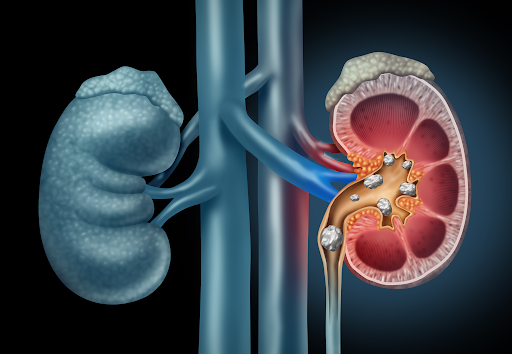
Urinary Obstruction: Long-standing obstruction of urine flow can damage the kidneys.
Autoimmune Diseases: Conditions that cause the immune system to attack kidney tissue may result in chronic kidney damage.
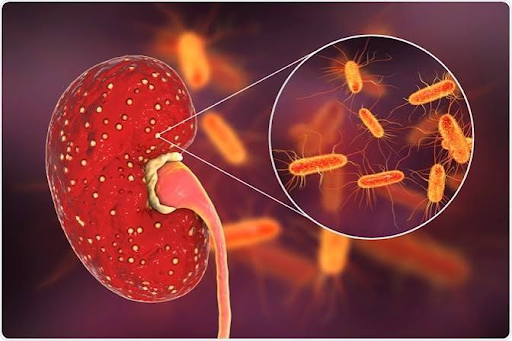
Recurrent Infections or Other Kidney Disorders: Certain persistent infections and structural or inflammatory kidney conditions can contribute to CKD.
From an Ayurvedic perspective, disturbances involving Doshas, digestion, metabolism, fluid balance, and urinary pathways may be considered while developing a supportive care plan. These traditional concepts should not be used as a substitute for identifying the medical cause of CKD.
Chronic Kidney Disease Symptoms You Shouldn't Ignore
One of the tricky things about CKD is that it can remain relatively quiet during its early stages.
As kidney function declines, symptoms may become more noticeable.
These can include:
Changes in Urination: You may notice increased or decreased urination, frequent nighttime urination, foamy urine, or other changes.
Swelling: Fluid retention can cause swelling around the feet, ankles, legs, hands, or face.
Persistent Fatigue: Reduced kidney function can contribute to anemia and other changes that cause tiredness.
Loss of Appetite: Waste buildup and other metabolic changes may reduce appetite.
Nausea or Vomiting: These symptoms can become more common in advanced kidney disease.
Itching: Persistent itching may occur, particularly in advanced CKD.
Muscle Cramps: Changes in fluid and mineral balance can contribute to cramps or muscle discomfort.
Sleep Problems: Some people with CKD experience difficulty sleeping, restless legs, or daytime tiredness.
Shortness of Breath: Fluid accumulation or anemia can contribute to breathlessness.
Difficulty Concentrating: Advanced kidney disease can affect mental alertness and concentration.
Changes in Blood Pressure: Kidney disease and high blood pressure can influence each other, making regular monitoring important.
If you develop severe shortness of breath, chest pain, severe weakness, confusion, seizures, very little or no urine, rapidly increasing swelling, or repeated vomiting, seek urgent medical attention.
How We Assess Patients at Karma Ayurveda
When someone consults us for Ayurvedic treatment for Chronic Kidney Disease, we do not look at creatinine in isolation.
1. Understanding Your Kidney Reports
We review available values such as creatinine, eGFR, urine protein or albumin, electrolytes, hemoglobin, and other relevant investigations.
2. Understanding the Cause
We discuss diabetes, blood pressure, autoimmune conditions, previous kidney injuries, infections, obstruction, family history, and other possible contributors.
3. Looking at Symptoms
Swelling, urinary changes, fatigue, appetite, sleep, itching, blood pressure, and digestive symptoms are considered.
4. Reviewing Your Medicines
We ask about prescription medicines, over-the-counter drugs, supplements, and herbal products because kidney function can affect how certain substances are handled by the body.
5. Understanding Your Lifestyle
Food habits, hydration, physical activity, sleep, work routine, and other daily patterns are discussed.
6. Ayurvedic Assessment
Traditional assessment may include Dosha patterns, Agni, digestion, bowel habits, fluid balance, and urinary health.
7. Creating an Individualized Plan
Based on the available information, supportive Ayurvedic care may include dietary guidance, lifestyle measures, selected Ayurvedic therapies, and regular monitoring.
The plan should always be appropriate to the person's CKD stage and medical condition.
Ayurvedic Therapies Commonly Used for Chronic Kidney Disease Support
Ayurvedic therapy for someone with CKD needs considerably more caution than a general wellness program.
Depending on the individual's health, strength, kidney function, symptoms, and medical treatment, selected approaches may include:
Shamana Chikitsa: Individualized Ayurvedic internal support may be considered based on the person's symptoms, digestion, strength, and overall condition.
Dietary Guidance: Food planning may focus on appropriate nutrition while considering kidney function, blood pressure, diabetes, potassium, phosphorus, sodium, and protein requirements.
Selected Herbal Support: Traditional herbs such as Punarnava, Gokshura, Varuna, or other formulations may be considered in selected Ayurvedic approaches. Their suitability must be assessed carefully in people with CKD.
Abhyanga: Gentle oil massage may be considered for physical comfort and relaxation in appropriate individuals, but it is not a method for repairing damaged kidney tissue.
Gentle Yoga and Movement: Appropriate physical activity may help support mobility, strength, cardiovascular health, and general wellbeing.
Lifestyle and Digestive Support: Sleep, bowel habits, stress management, meal timing, and other daily routines may be addressed as part of a broader plan.
Not every herb or Ayurvedic procedure is safe for every CKD patient. Kidney function affects how many substances are processed and eliminated from the body.
For this reason, do not start herbal medicines, mineral preparations, or intensive Ayurvedic cleansing therapies on your own.
What Can You Do at Home to Support Kidney Health?
Living with CKD often means becoming very good at reading labels and lab reports; but you shouldn't have to turn every meal into a chemistry exam.
A few practical principles can help:
Monitor Blood Pressure: Keep track of your blood pressure according to your doctor's advice.
Control Blood Sugar: If you have diabetes, maintaining appropriate glucose control is an important part of protecting kidney health.
Follow Your Individualized Diet: CKD diets vary significantly depending on kidney function and laboratory values. Sodium, potassium, phosphorus, protein, and fluid intake may need individual adjustment.
Avoid Excessive Salt: High sodium intake can contribute to fluid retention and high blood pressure.
Stay Physically Active: Choose safe, appropriate activity based on your fitness and CKD stage.
Maintain a Healthy Weight: If you are overweight, gradual and medically appropriate weight management can benefit overall metabolic health.
Avoid Unnecessary Painkillers: Certain NSAID pain medicines can harm the kidneys, especially when used frequently or in people with existing kidney disease. Ask your doctor before taking them.
Avoid Random Supplements: "Herbal" or "natural" does not automatically mean kidney-safe.
Keep Regular Appointments: Monitoring creatinine, eGFR, urine protein, blood pressure, electrolytes, and other relevant parameters helps track kidney health.
And one important rule: never stop prescribed kidney, blood pressure, diabetes, or other medicines without discussing it with your doctor.
Can Ayurveda Support Chronic Kidney Disease Management?
Ayurveda may provide complementary support through individualized diet and lifestyle guidance, digestive care, selected traditional therapies, and attention to overall wellbeing.
However, there is currently no established Ayurvedic cure for Chronic Kidney Disease that can reliably reverse permanent kidney damage or restore lost kidney function in advanced CKD.
This distinction is extremely important.
CKD can progress silently, and delaying appropriate medical care can increase the risk of complications.
At Karma Ayurveda, the purpose of supportive Ayurvedic care is to work with the person's overall health picture; not to replace nephrology care, prescribed medicines, dialysis, or other medically necessary treatment.
If kidney function is declining, the focus should remain on identifying the cause, controlling risk factors, monitoring kidney parameters, and preventing complications.
Ayurvedic support, when appropriate, should fit into that larger picture.
When Should You See a Specialist?
Anyone diagnosed with CKD should have appropriate ongoing medical monitoring, particularly as kidney function declines.
Consult a nephrologist or other qualified medical professional if:
- Your creatinine is increasing or eGFR is declining.
- You have persistent protein or albumin in your urine.
- You develop new or worsening swelling.
- Your blood pressure remains difficult to control.
- You notice significant changes in urination.
- You develop persistent nausea, vomiting, itching, or severe fatigue.
- You have abnormal potassium or other electrolyte levels.
- You are losing weight or muscle without intending to.
- You have symptoms suggesting advanced kidney disease.
If you are searching for an Ayurvedic Chronic Kidney Disease specialist, choose a qualified practitioner who reviews your kidney reports, understands CKD staging, and is willing to coordinate care with your nephrologist.
Supporting Kidney Health With a Long-Term Approach
A kidney diagnosis can make even a routine blood test feel intimidating.
But CKD is not something that should be judged by one number alone.
Creatinine, eGFR, urine protein, blood pressure, symptoms, underlying cause, medications, and overall health all form part of the picture.
At Karma Ayurveda, our approach to Ayurvedic Chronic Kidney Disease treatment begins with understanding that complete picture.
We consider the individual's kidney reports, symptoms, diet, digestion, lifestyle, medical history, medications, and Ayurvedic assessment before developing a supportive plan.
The focus is not on promising a miracle cure. It is on helping people make informed lifestyle choices, maintain appropriate nutrition, support overall wellbeing, and stay consistent with the monitoring and treatment their kidney condition requires.
For someone living with CKD, small daily decisions can become meaningful long-term habits.
The right food.
The right amount of activity.
Regular monitoring.
Taking prescribed medicines correctly.
And getting professional help when something changes.
Because kidney care is not about chasing one perfect number.
It is about looking after the whole picture; consistently and responsibly.