






























































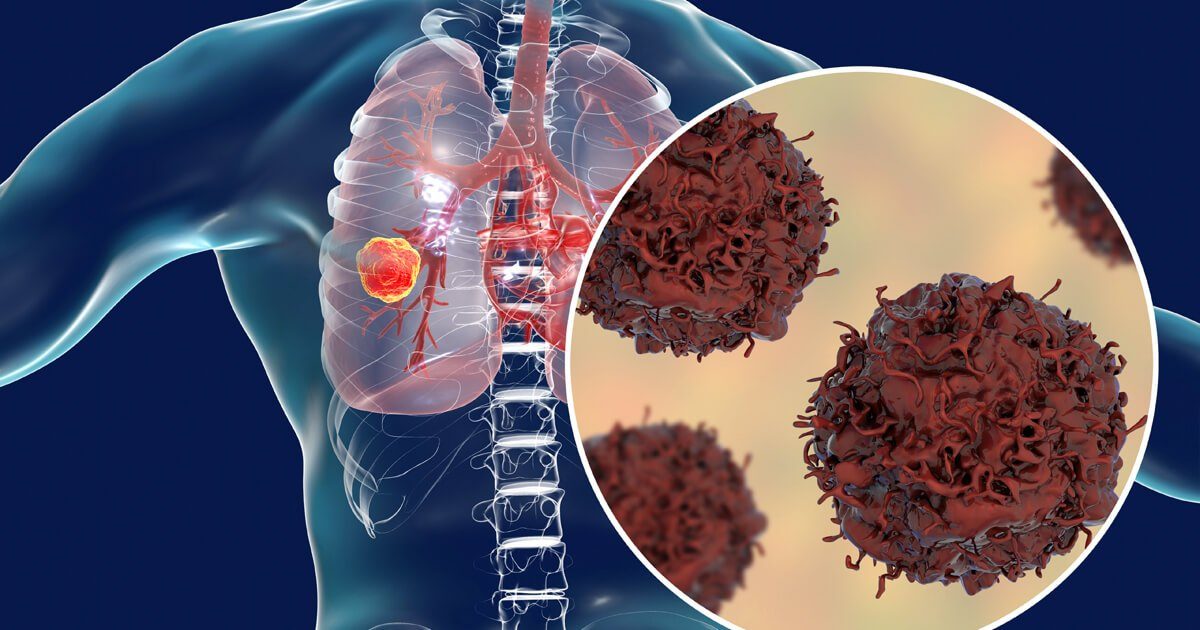


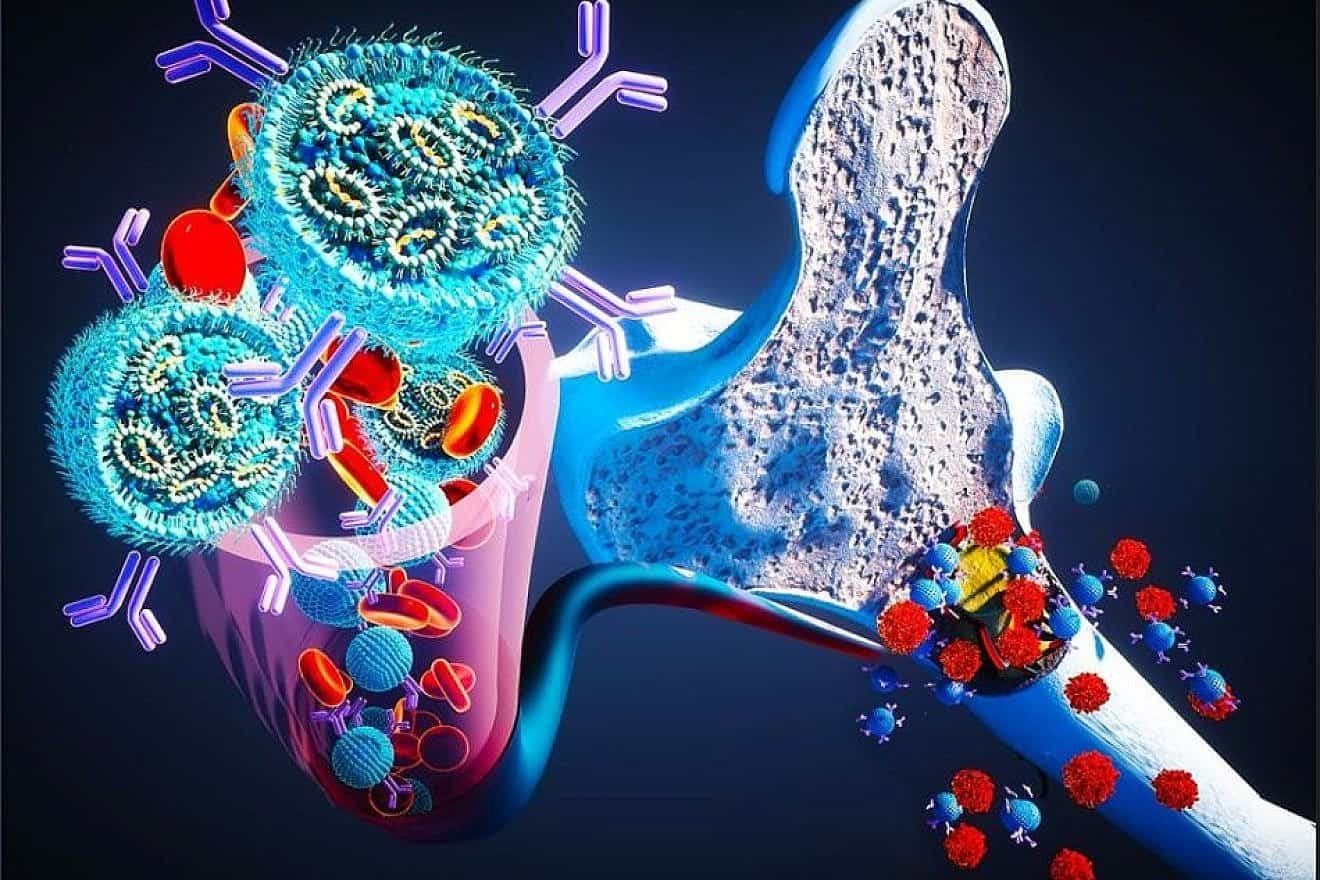
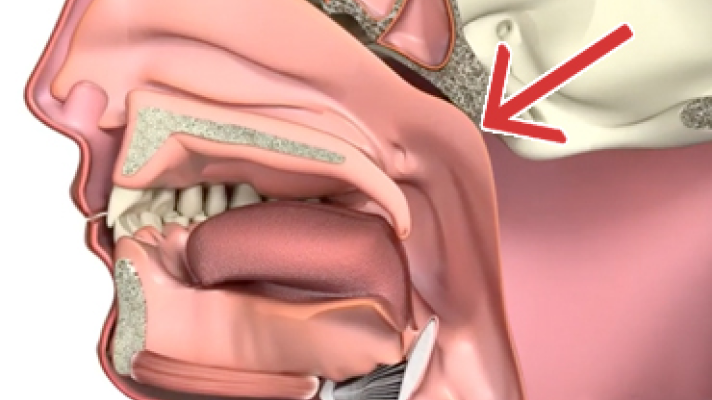

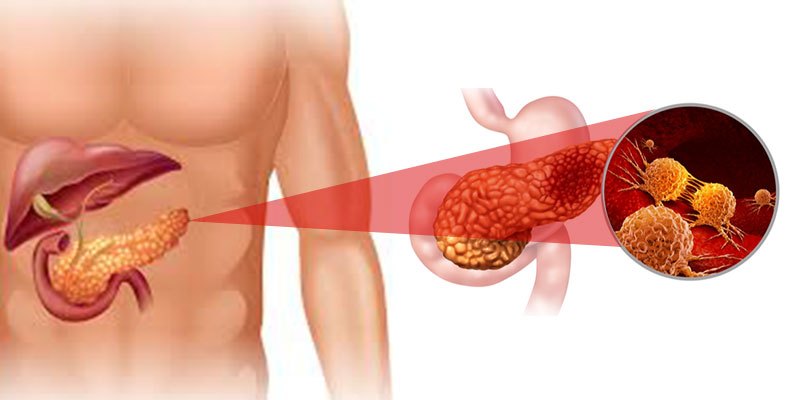

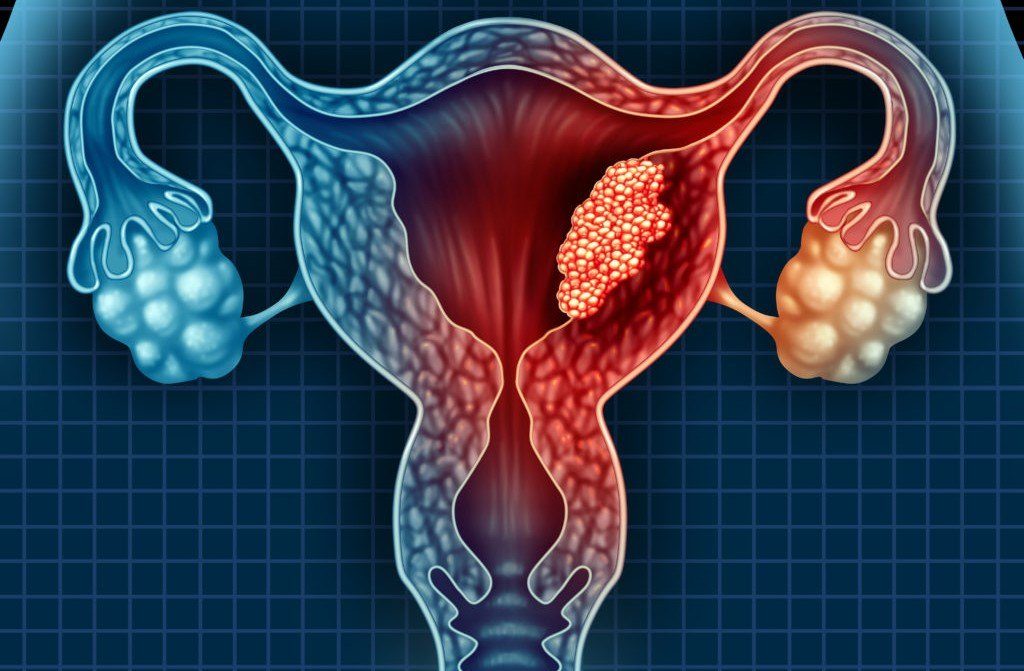

What Is Cancer?
Cancer is a complex health challenge that can turn a person’s daily life into an unpredictable and overwhelming journey. Simple routines like eating a quiet meal, taking a short walk, going to work, or enjoying time with family can suddenly feel like heavy tasks requiring careful planning and emotional strength.
The Karma Ayurveda Edge
Before we explore why abnormal cellular changes occur, let's talk about how we approach the individual walking through our doors.
At Karma Ayurveda, we do not believe that every individual facing a cancer diagnosis requires the exact same generalized approach. Two individuals might arrive with a similar diagnosis, yet their underlying constitution, energy levels, digestive fire, and treatment history may be completely different.
One person may be experiencing severe exhaustion and nausea secondary to ongoing chemotherapy or radiation. Another may be seeking post-treatment rehabilitation to rebuild physical strength, support gut health, and restore vital energy (Ojas). Someone else may be looking for complementary integrative support to maintain immunity alongside conventional care.
That is why our approach to Ayurvedic treatment for cancer focuses on understanding the individual as a whole rather than viewing a medical report in isolation.
We evaluate your current symptoms, complete medical history, ongoing conventional treatments, lifestyle habits, digestive strength, and existing laboratory reports before suggesting a care plan. The aim is to make Ayurvedic care practical and supportive—because a plan that looks perfect on paper but creates stress or conflicts with medical treatments isn't truly helpful.
Many individuals exploring Ayurvedic cancer treatment in India look for personalized care that considers their overall resilience, comfort, and vitality rather than focusing strictly on immediate symptom management.
What Exactly Causes Cancer?
Our bodies manage billions of microscopic cellular activities every single day. Most of the time, natural repair mechanisms keep everything running smoothly.
So, what factors can disrupt this internal balance and trigger abnormal growth?
The Common Contributors
Genetic Factors & Cellular Mutations: Changes in the DNA of cells can disrupt normal life cycles and division processes.
Environmental Exposure: Prolonged exposure to harmful environmental toxins, industrial chemicals, radiation, or pollutants can damage cell structures over time.
Tobacco and Substance Use: Smoking, chewable tobacco, and excessive alcohol intake are established risk factors that strain systemic organs and tissues.
Chronic Inflammation: Long-term internal inflammation or persistent infections can create stressful conditions for healthy tissue cells.
Lifestyle & Dietary Imbalances: Diets high in ultra-processed foods, lack of routine exercise, chronic stress, and sleep deprivation weaken digestive capacity (Agni) and overall immune resilience (Ojas).
Hormonal and Metabolic Shifts: Hormonal shifts or long-term metabolic disruptions can affect cellular activity in specific organs.
Age and Immune Decline: As the body ages, natural cellular defense mechanisms may gradually become less efficient.
Identifying these underlying influences matters because health changes are rarely driven by a single issue. Treating every individual with the exact same broad advice is like using a single key to unlock every door—it rarely provides the tailored support a person actually needs.
Cancer Symptoms You Shouldn't Ignore
While symptoms depend on the area affected and the stage of development, the body often sends noticeable signals when health balance is disturbed.
Watch out for:
Persistent Unexplained Fatigue: Feeling completely drained even after adequate rest and sleep.
Unexplained Weight Loss: Losing weight rapidly without changes in diet or physical activity habits.
Lumps or Tissue Thickening: Noticing unusual swellings, hard patches, or lumps anywhere on the body.
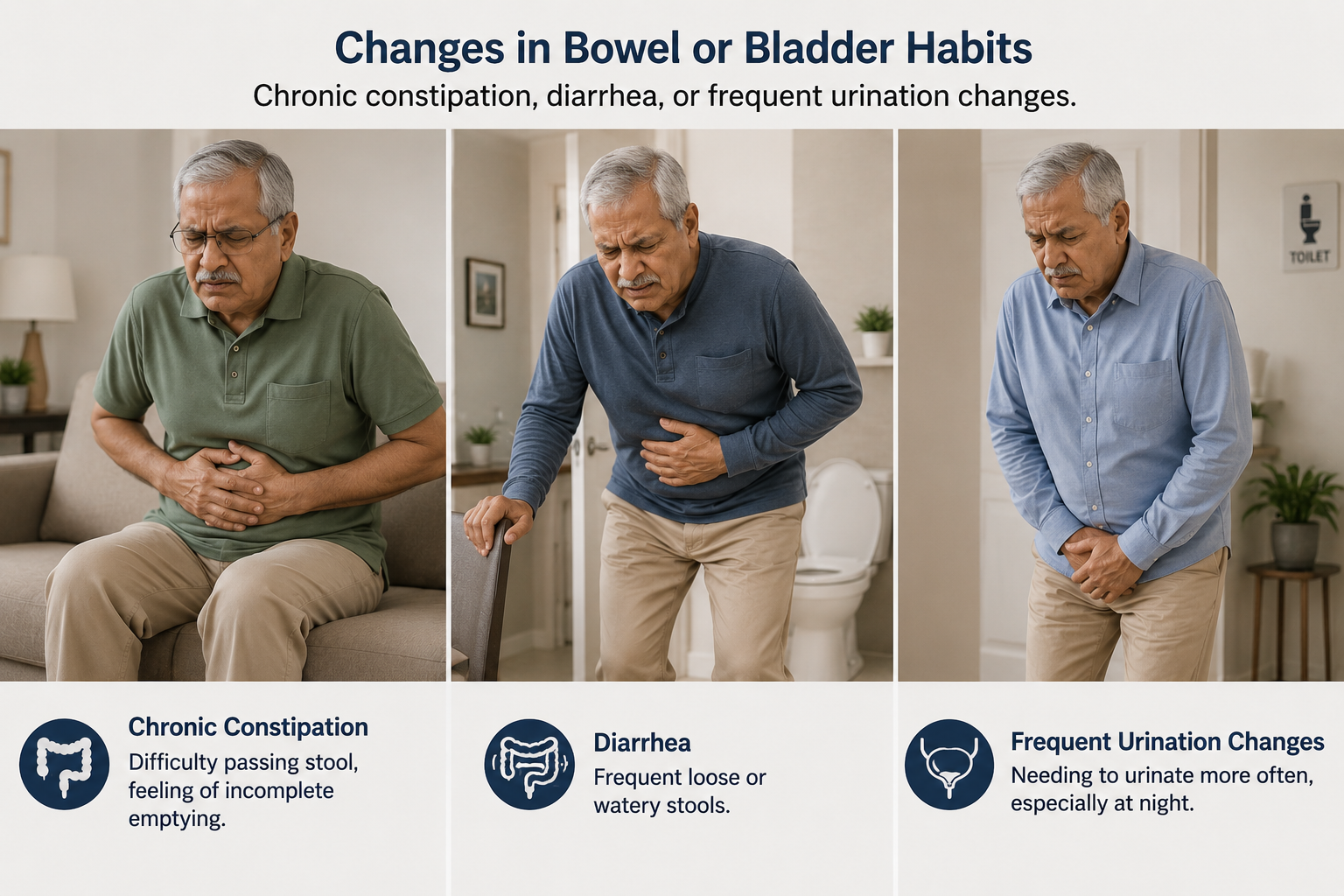
Changes in Bowel or Bladder Habits: Persistent changes in digestion, constipation, or urinary frequency.
Ongoing Pain or Discomfort: Continuous, unexplainable aches that do not resolve with typical rest.
Digestive and Appetite Loss: Feeling full quickly, nausea, difficulty swallowing, or chronic loss of taste.
Persistent Cough or Hoarseness: Ongoing throat irritation, voice changes, or breathing discomfort.
Skin Changes or Non-Healing Sores: Unexplained darkening, redness, changes in moles, or slow-healing skin issues.
Persistent fever, severe sudden weight loss, hard or rapidly growing lumps, extreme breathing difficulty, or unexplainable bleeding require immediate medical evaluation by an oncologist or conventional specialist.
How We Assess Patients at Karma Ayurveda
When someone consults us seeking cancer care in Ayurveda, our initial step is never just asking, "What is your diagnosis?"
We focus on understanding how the body is functioning as a whole, how you are coping with active treatments, and what steps will best support your comfort and energy.
Understanding Your Symptoms: We discuss when your fatigue or discomfort began, what worsens or improves your energy, how your digestion is performing, and how daily activities are affected.
Looking at Your Medical Reports: If you have ongoing oncology evaluations, scans, blood tests, or biopsy reports, we carefully review them. We respect conventional medical protocols and work alongside your medical care rather than dismissing prior diagnostics.
Understanding Your Lifestyle: Daily patterns play an enormous role in recovery and stamina. We discuss sleep quality, daily physical strain, work stress, nutritional intake, and appetite shifts.
The Ayurvedic Assessment: Ayurveda looks closely at Tridosha balance (Vata, Pitta, Kapha), digestive strength (Agni), toxin buildup (Ama), and tissue vitality (Ojas). This helps us pinpoint where the body needs rejuvenation or gentle balancing.
Creating an Individualized Plan: Once the whole picture is clear, we build a care routine that may combine easy-to-digest dietary strategies, lifestyle modifications, and classical Ayurvedic medicine for cancer support where suitable.
The goal is to create a practical, soothing routine that reinforces your physical vitality, aids digestion, and preserves quality of life.
Ayurvedic Therapies Commonly Used for Holistic Support
Depending on an individual's medical condition, current energy, and clinical evaluation, Ayurvedic care includes gentle strategies traditionally used to nourish the body.
These may include:
Rasayana Chikitsa (Rejuvenation Support): Classical herbal therapies focused on rebuilding physical strength, supporting immune reserves (Ojas), and reducing systemic burnout.
Gentle Herbal Support: Time-honored herbs like Ashwagandha (for vitality and stress resistance), Turmeric/Curcumin (for tissue and metabolic support), Guduchi (for immune health), and Tulsi (for respiratory and nervous calm).
Soothing Therapies (e.g., Shirodhara & Light Abhyanga): External applications of warm herbal oils to calm the nervous system, reduce anxiety, improve sleep quality, and ease muscular tension, provided the patient is cleared for gentle therapy.
Nourishing Dietary Guidance: Easy-to-digest meals such as fresh khichdi, warm broths, and cooked seasonal vegetables that nourish tissues without burdening weak digestion (Agni).
Mindfulness & Breathwork (Pranayama): Gentle, guided breathing routines (like Nadi Shodhana) to improve oxygen flow, soothe emotional stress, and bring mental clarity during difficult times.
Therapies are never chosen simply because they are traditional. They must be carefully tailored based on a person's physical strength, medical treatments, and medical history.
What Can You Do at Home to Support Your Body?
You don't need to completely overhaul your life overnight while managing your health. Small, steady supportive habits can make a meaningful difference in your daily comfort:
Prioritize Easy Digestion: Choose freshly prepared, warm, and soft meals. Include soothing spices like mild ginger, cumin, coriander, and fennel to encourage smooth digestion.
Stay Gently Hydrated: Sip warm water or mild herbal teas (such as chamomile or tulsi) throughout the day to support kidney health and natural detoxification.
Protect Your Sleep and Rest: Maintain a quiet, predictable sleep schedule. Allow yourself plenty of rest without feeling guilty—healing requires energy.
Engage in Calm, Gentle Movement: If cleared by your doctor, short gentle walks or light stretching help maintain circulation and joint mobility without causing exhaustion.
Manage Daily Stress: Set aside 10–15 minutes each day for silent rest, peaceful music, or simple deep-breathing exercises.
Avoid Overwhelming Your System: Steer clear of cold, stale, heavily fried, or overly processed foods that create metabolic clutter (Ama).
Never Skip Medical Supervision: Keep open lines of communication with your oncology care team and report new symptoms right away.
And one crucial point: aggressive remedies or sudden intensive detoxes aren't automatically helpful just because they are natural. When energy is low, gentle, nourishing care is always safer and more supportive than harsh interventions.
Can Ayurveda Support Cancer Management?
Ayurveda serves as a complementary and supportive framework for individuals navigating serious health conditions. It is designed to work alongside, rather than replace, essential conventional oncology care like surgery, chemotherapy, or radiation.
The main goal of Ayurvedic care for cancer support is to enhance quality of life, strengthen natural immunity, support digestion, and help ease secondary symptoms like fatigue, nausea, or appetite loss.
This is why searching online for quick natural remedies and taking self-prescribed herbs is never recommended. Natural substances are powerful, and certain herbs can interact with conventional treatments.
Working with an experienced practitioner ensures that any herbal or lifestyle support is safe, balanced, and personalized for your specific needs.
When Should You See a Specialist?
Managing a complex illness requires watchful, continuous guidance. Certain signs should always be evaluated promptly by your healthcare team.
Seek medical evaluation if:
- You experience high fever, chills, or sudden signs of infection.
- You notice rapid, unexpected weight loss or extreme loss of appetite.
- Pain becomes severe, persistent, or unmanageable with your current routine.
- You experience continuous vomiting, inability to retain fluids, or severe diarrhea.
- You notice new lumps, sudden swelling, or rapidly changing physical symptoms.
- Breathing becomes difficult, short, or painful.
- You feel severe confusion, dizziness, or overwhelming weakness.
If you are searching for an Ayurvedic cancer specialist near me, look for a qualified practitioner who understands integrative care, respects your conventional treatments, and focuses on safe, individual-centered support.
Nurturing Strength and Well-Being Every Day
Our bodies perform incredible work under challenging circumstances.
You go through daily tasks, manage family life, work, travel, and routines—often taking your fundamental energy for granted until a serious health challenge forces everything to a halt. That is usually when health becomes the single most important priority.
The reassuring news is that supporting your body isn't only about what happens after a crisis appears. Nurturing your digestive fire, prioritizing restful sleep, managing stress, eating wholesome meals, and seeking thoughtful integrative guidance can all play a vital role in building resilience.
At Karma Ayurveda, our approach centers on understanding the person behind the medical diagnosis and shaping a practical, supportive plan for their unique needs.
If you are exploring Ayurvedic cancer care, the goal is not to chase fast fixes or unverified claims. It is to understand what your body needs to feel supported, restore your inner balance, and choose a safe, comfortable path forward.