Unlocking Wellness Naturally
100% Ayurvedic Treatment

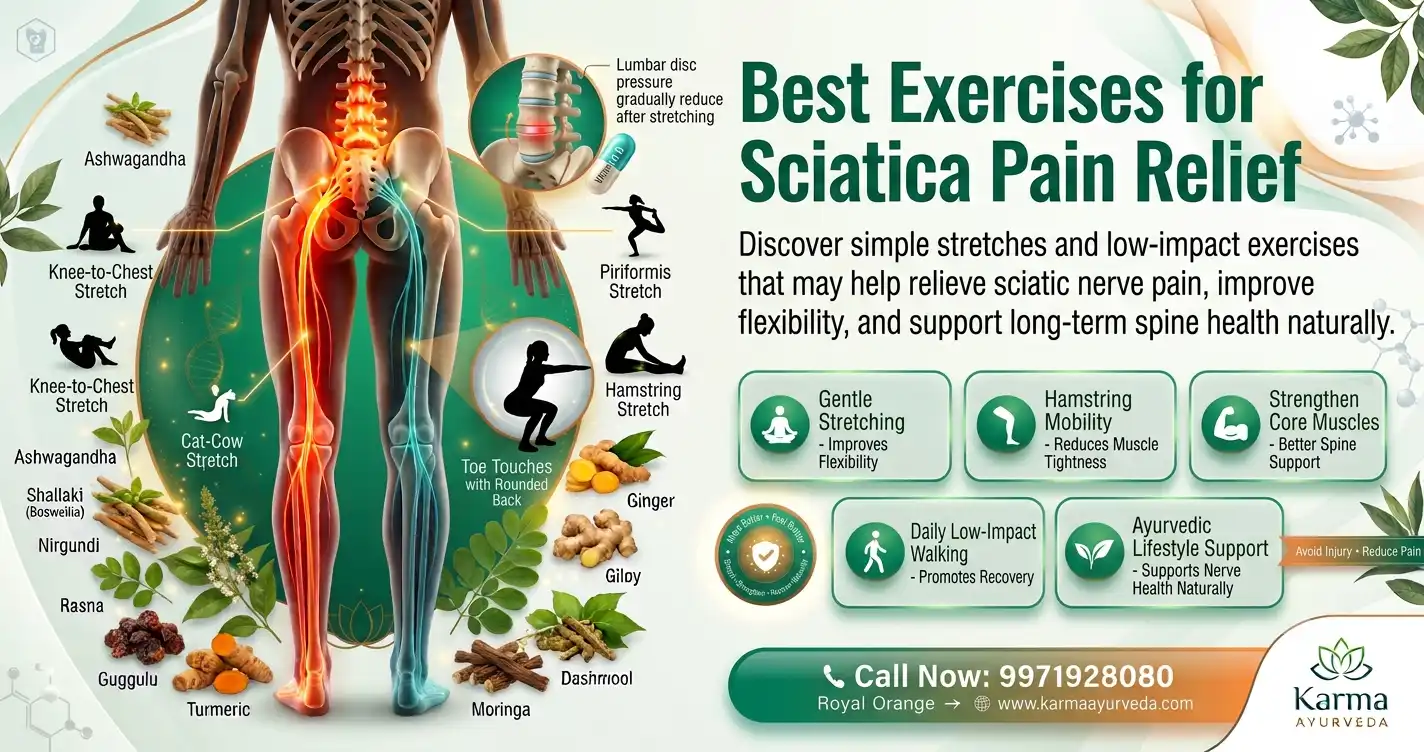
If you're wondering whether exercise can actually help sciatica pain, the short answer is yes; the right exercises and stretches can ease pressure on the sciatic nerve, reduce pain, and improve mobility. The trick is to move gently, consistently, and avoid exercises that make the pain worse.
Your sciatic nerve doesn't enjoy being "ignored." It prefers gentle movement over a marathon of lying on the couch.
The good news? You don't need a fancy gym membership, expensive equipment, or Olympic-level flexibility. A handful of simple stretches performed regularly can help loosen tight muscles, improve flexibility, and reduce pressure on the sciatic nerve. In this guide, we'll walk through 12 easy stretches you can do at home, explain why they work, and discuss when it's time to stop stretching and consult a healthcare professional.
Whether you're dealing with mild discomfort or looking for supportive ways to manage long-term symptoms alongside Ayurvedic treatment for Sciatica, this guide has you covered.
Before we jump into the stretches, let's quickly understand what's causing all this drama.
Sciatica isn't actually a disease; it's a symptom. It happens when the sciatic nerve, the longest nerve in your body, becomes irritated or compressed.
The pain usually:
Common causes include:
The encouraging news? Many people improve with conservative care, including stretching, strengthening exercises, posture correction, and lifestyle changes.
It may seem strange to move when something hurts. But in many cases, appropriate movement is exactly what your body needs.
Gentle stretching may help:
Think of your muscles as overly enthusiastic coworkers who refuse to relax. Stretching politely reminds them to calm down.
Not every type of pain should be stretched away.
Stop exercising and seek medical advice if you experience:
Stretching should feel like a gentle pull; not like you're auditioning for an action movie.
Stretch: Knee-to-Chest Stretch
Best For: Lower back tightness
Difficulty: Easy
Time Needed: 30 seconds
Stretch: Piriformis Stretch
Best For: Buttock pain
Difficulty: Easy
Time Needed: 30 seconds
Stretch: Cat-Cow Stretch
Best For: Spine mobility
Difficulty: Easy
Time Needed: 1 minute
Stretch: Seated Hamstring Stretch
Best For: Tight hamstrings
Difficulty: Easy
Time Needed: 30 seconds
Stretch: Cobra Stretch
Best For: Disc-related discomfort
Difficulty: Easy
Time Needed: 20 seconds
Stretch: Child's Pose
Best For: Overall back relaxation
Difficulty: Very Easy
Time Needed: 1 minute
One of the simplest; and surprisingly effective; stretches.
Repeat: 3 times per leg
The piriformis muscle sits close to the sciatic nerve. If it's tight, it can become an unwanted troublemaker.
Don't worry; you don't actually have to meow or moo. Although nobody's stopping you if it helps.
Tight hamstrings can pull on the pelvis and increase stress on the lower back.
This stretch is commonly recommended for some people with disc-related sciatica; but only if it feels comfortable.
If this increases leg pain, stop and consult your healthcare provider.
Sometimes your back simply wants a break.
Sometimes the best therapy is simply taking a deep breath and letting your muscles know that nobody's chasing you.
A few simple habits can make these stretches even more effective:
Remember, consistency beats enthusiasm followed by three weeks of forgetting.
If sitting on the floor isn't your thing, this standing version works just as well.
Despite the fancy name, this stretch is beginner-friendly.
A simple exercise that gently strengthens your core without making your back complain.
Repeat: 10–15 times.
This one improves balance, coordination, and spinal stability.
Move slowly. You're aiming for control, not a circus performance.
Strong glute muscles help reduce unnecessary stress on the lower back.
Aim for: 10–12 repetitions.
Technically not a stretch; but probably one of the most underrated exercises for sciatica.
A slow walk can:
Start with 10–15 minutes and gradually increase as comfortable.
Sometimes the best "exercise equipment" is simply a comfortable pair of shoes.
The idea that exercise can help sciatica isn't just based on experience; it has been explored in scientific research as well.
The American College of Physicians recommends starting with non-drug approaches for many cases of low back pain, including remaining active rather than prolonged bed rest. Gentle exercise and physical activity are commonly included as part of conservative management.
The NICE Guideline (UK) recommends exercise as part of managing low back pain and sciatica. Rather than prescribing one "perfect" exercise, it encourages people to stay active with movements suited to their individual needs.
A systematic review published in The Spine Journal found that exercise-based rehabilitation may help improve pain and physical function in many people with lumbar radiculopathy (a common cause of sciatica), particularly when combined with education and appropriate guidance.
Multiple Cochrane Reviews have highlighted that structured exercise programs can play an important role in managing chronic low back pain, which often overlaps with sciatica-related symptoms.
The takeaway? Exercise isn't a magic wand; but when done correctly and consistently, it can become a valuable part of a broader recovery plan.
Many people also explore Ayurvedic treatment for Sciatica Disease as part of a comprehensive approach to managing symptoms. In Ayurveda, sciatica is often associated with a condition called Gridhrasi, which is believed to involve an imbalance of Vata dosha.
A personalized Sciatica Ayurvedic treatment plan may include:
Since every individual's health condition is different, Ayurvedic therapies should always be guided by a qualified practitioner rather than self-medication.
When people search for the Best Ayurvedic medicines for Sciatica, it's important to remember that there isn't one medicine that works for everyone. Ayurvedic physicians prescribe herbal formulations after evaluating an individual's body constitution (Prakriti), symptoms, and overall health.
Commonly used herbs in Ayurvedic practice may include:
These should only be taken under professional supervision.
Many people also look into Karma Ayurveda for Sciatica treatment as a complementary option alongside conventional medical care. At Karma Ayurveda Hospital, care generally focuses on a holistic approach that may include physician-guided herbal therapies, dietary recommendations, lifestyle modifications, therapeutic procedures, and individualized treatment planning based on Ayurvedic principles.
As with any treatment approach, it is important to consult qualified healthcare professionals to determine what is appropriate for your specific condition.
Sciatica has an annoying habit of making everyday activities feel like major life events. Getting out of bed becomes an achievement. Sitting through a movie feels like an endurance test. Even tying your shoelaces suddenly requires strategic planning.
The encouraging part is that gentle movement can often make a real difference. These 12 stretches aren't about pushing your limits; they're about helping your body move a little better every day. A few minutes of stretching, done consistently, may gradually improve flexibility, reduce muscle tightness, and support the structures around the sciatic nerve.
If your symptoms persist, worsen, or are accompanied by significant weakness or numbness, don't rely solely on home exercises. A healthcare professional can identify the underlying cause and recommend the most appropriate treatment plan.
Your sciatic nerve may be grumpy today; but with patience, good habits, and the right guidance, it doesn't have to stay that way.
Gentle stretches like the piriformis stretch, knee-to-chest stretch, and walking are commonly recommended.
Yes, if a stretch increases sharp pain or is performed incorrectly, it's best to stop and seek medical advice.
Most people can perform gentle stretches once or twice daily if they're comfortable and don't worsen symptoms.
Yes, short, comfortable walks can help reduce stiffness and keep your back and legs moving.
Ayurveda may help support symptom management for some individuals, but outcomes vary and treatment should be guided by qualified healthcare professionals.
This article is intended for educational purposes only and should not be considered medical advice. Sciatica can have different underlying causes, and treatment should be individualized. Always consult a qualified healthcare professional before starting any exercise program or Ayurvedic therapy, especially if you have severe pain, numbness, weakness, or other concerning symptoms. Never ignore persistent or worsening symptoms, as they may require prompt medical evaluation.
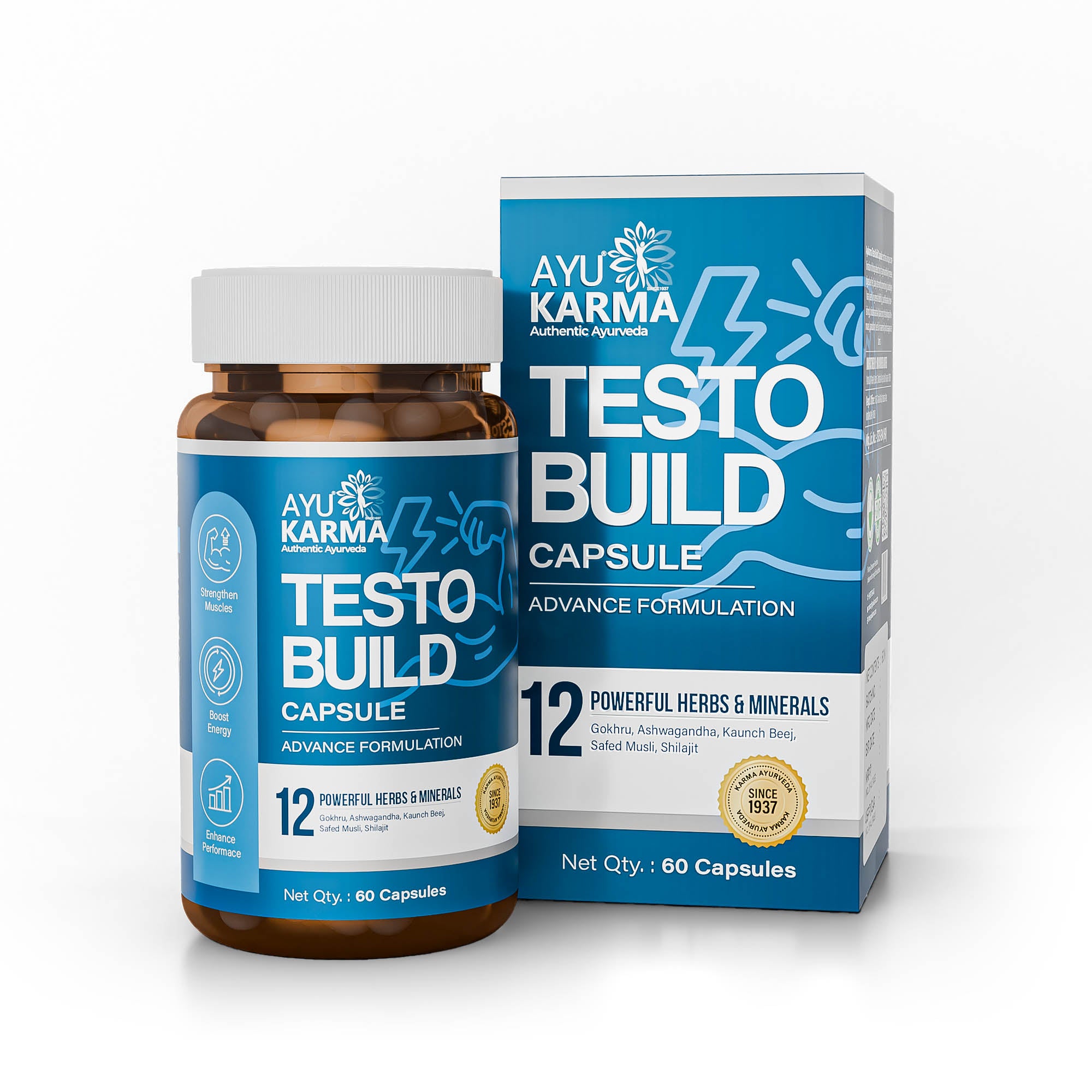
AyuKarma Testo Build Capsules combine 12 Ayurvedic herbs and minerals to support strength, energy, stamina, physical performance, nourishment and overall daily vitality.
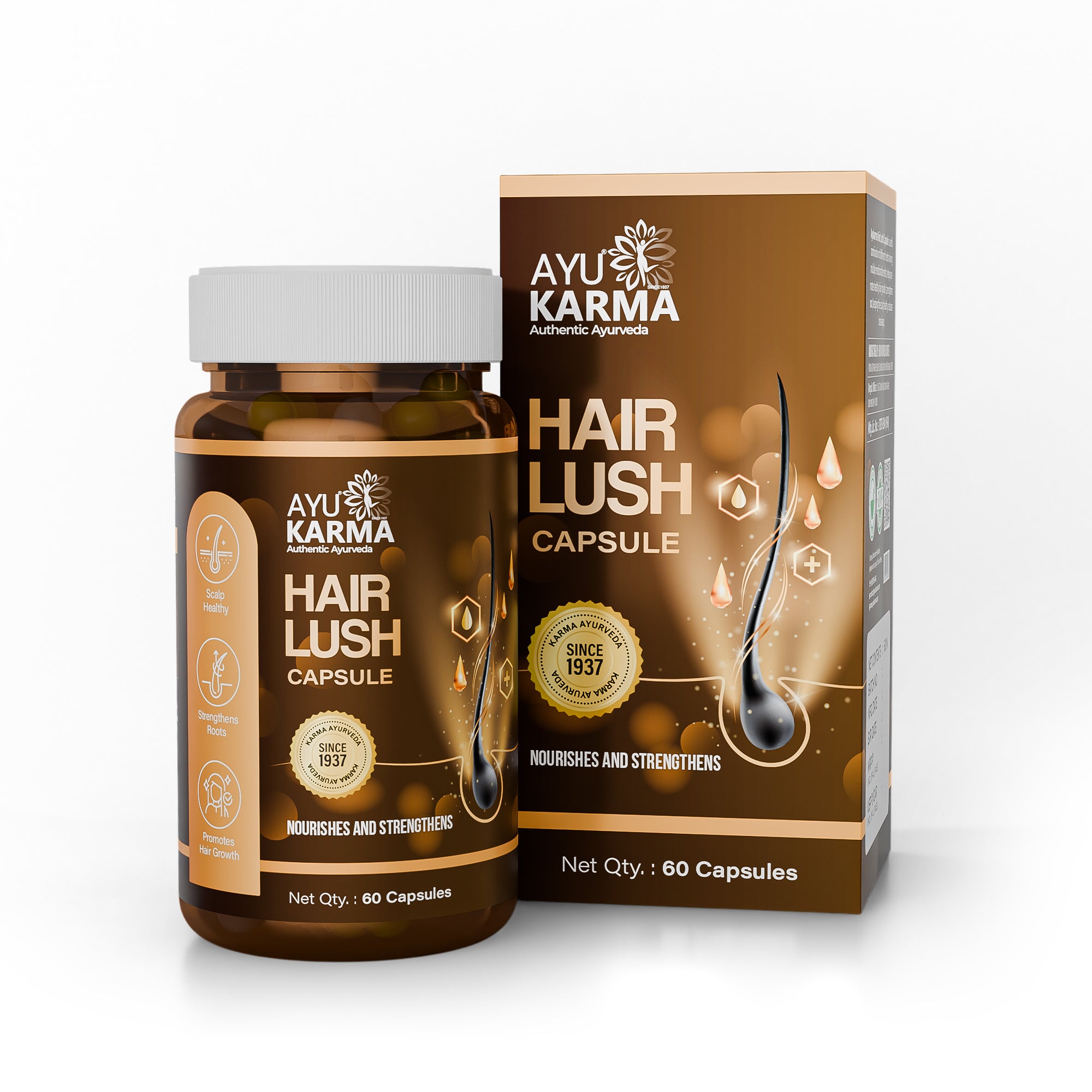
AyuKarma Hair Lush Capsules combine Ayurvedic herbs to support hair growth, reduce hair fall, strengthen roots, nourish the scalp and promote healthier-looking hair.

Karma Garcom Capsules contain Garcinia indica to support healthy metabolism, digestion, weight management, digestive comfort and daily wellness alongside a balanced lifestyle.
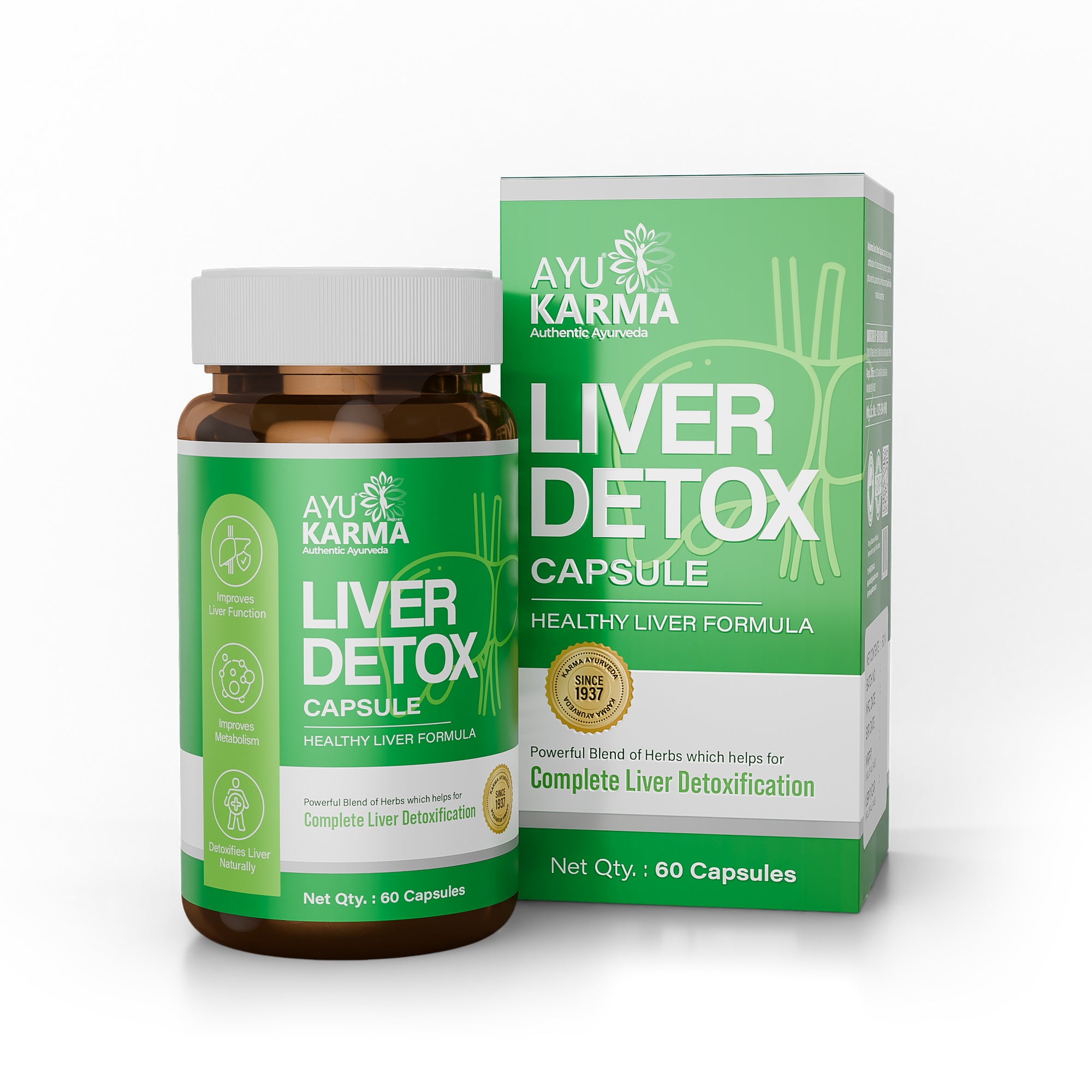
Doctor-recommended liver supplement that helps detoxify the liver, support healthy cholesterol, improve digestion & promote liver health. Developed by Dr. Puneet Dhawan with Karma Ayurveda philosophy.
Second Floor, 77, Block C, Tarun Enclave, Pitampura, New Delhi, Delhi, 110034

Certificate no- AH-2023-0186
JAN 05, 2026 - JAN 04, 2029

US FDA Reg. No.: 14568299376