
Unlocking Wellness Naturally
100% Ayurvedic Treatment

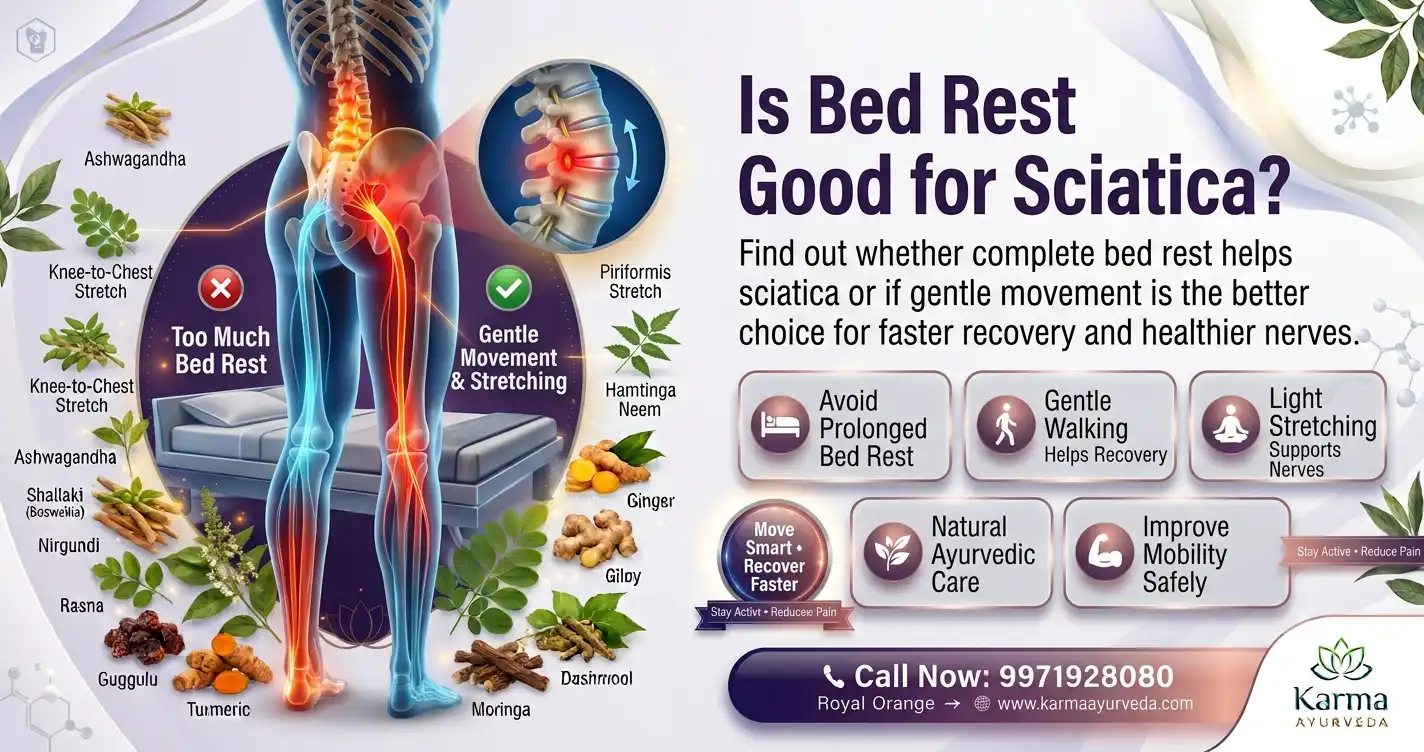
If you're wondering whether staying in bed is the best way to deal with sciatica, the short answer is no; not for long. A day or two of rest may help during severe pain, but prolonged bed rest can actually make sciatica worse by weakening muscles and increasing stiffness.
It sounds a little unfair, doesn't it? Your body is screaming, "Please don't move!" while experts are gently saying, "Actually... a little movement might help." It's like your back and your doctor are having two completely different conversations. The good news is that once you understand how sciatica behaves, knowing when to rest; and when to get moving; becomes much easier.
Let's break it down in simple language.
Before talking about bed rest, let's quickly understand what we're dealing with.
Sciatica isn't actually a disease. It's a collection of symptoms that happen when the sciatic nerve; the longest nerve in your body; gets irritated or compressed.
It usually causes:
The discomfort can range from mildly annoying to "I dropped my phone because sneezing hurt."
The answer is: Only for a very short period.
Years ago, doctors often advised patients to stay in bed until the pain disappeared. Today, research tells us a different story.
Most medical experts recommend:
Your body heals better when it keeps moving; just not by running a marathon on day one.
Your back and core muscles support your spine.
When you stay in bed for too long:
It's a little like parking your car for months. When you finally drive it, everything feels stiff.
Movement keeps joints lubricated.
Without movement:
Sometimes the stiffness starts hurting almost as much as the original problem.
Gentle movement improves blood flow.
Better circulation means:
Ironically, avoiding movement completely often increases pain sensitivity.
Many patients notice:
Modern treatment recommendations are strongly supported by scientific evidence.
A well-known Cochrane Review (Hagen KB et al.) found that prolonged bed rest offered little or no benefit for acute low back pain and sciatica compared to staying active within comfortable limits.
The American College of Physicians recommends remaining as active as possible for most episodes of acute back pain, encouraging movement instead of prolonged immobilization whenever feasible.
The National Institute for Health and Care Excellence (NICE) also advises people with sciatica to continue normal activities as much as pain allows rather than staying in bed for extended periods.
The message across these guidelines is surprisingly consistent: gentle activity usually beats prolonged bed rest.
There are situations where short-term rest makes sense.
These include:
Even then, rest is usually temporary.
Think of it as pressing the "pause" button; not the "stop" button.
A short walk can:
Even 5–10 minutes several times a day can help.
Simple stretches may improve flexibility.
Focus on:
Avoid forcing painful movements.
Don't:
Changing positions every 30–45 minutes keeps your spine happier.
Whether sitting or standing:
Your spine appreciates good manners.
Bed Rest
Gentle Movement
Many people explore Ayurvedic treatment for Sciatica alongside lifestyle modifications to support recovery and improve overall well-being.
According to Ayurveda, sciatica resembles a condition called Gridhrasi, which is commonly associated with an imbalance of Vata dosha. The Ayurvedic approach focuses on addressing the underlying imbalance while supporting mobility, reducing discomfort, and improving quality of life through individualized care.
A comprehensive Sciatica Ayurvedic treatment plan may include:
Since every person's condition is different, Ayurvedic treatment is generally tailored after a detailed consultation rather than following a one-size-fits-all approach.
Several classical Ayurvedic herbs have traditionally been used to support joint and nerve health.
Some commonly used herbs include:
These herbs are selected based on an individual's constitution, symptoms, and overall health status.
When people search for the Best Ayurvedic medicines for Sciatica, it's important to remember that there isn't one universal medicine suitable for everyone. Ayurvedic practitioners usually prescribe combinations after evaluating the patient thoroughly.
Self-medication is never a good idea; even herbal medicines deserve respect.
Many patients also explore Karma Ayurveda for Sciatica treatment as part of an integrative approach to managing their condition.
At Karma Ayurveda Hospital, treatment plans generally emphasize:
The focus is usually on improving function, supporting nerve health, and promoting long-term wellness rather than simply masking symptoms. As with any treatment approach, outcomes vary from person to person, and consultation with a qualified healthcare professional is important before beginning therapy.
Don't wait it out if you notice:
These symptoms require prompt medical evaluation.
Here are a few practical habits that often help:
Recovery is usually more like climbing a staircase than taking an elevator. Small daily improvements add up.
So, is bed rest good for sciatica?
Not really; at least not beyond the first day or two. While short-term rest can calm an intense flare-up, staying in bed for too long often delays recovery instead of speeding it up. Gentle movement, appropriate exercise, good posture, and a personalized treatment plan usually offer a better path forward.
If you're considering supportive approaches like Ayurvedic treatment for Sciatica Disease, always consult a qualified practitioner who can recommend a plan suited to your specific condition. The goal isn't simply to spend more time resting; it's to help you get back to living comfortably.
No, complete bed rest beyond one or two days usually slows recovery.
Most people benefit from resting only 24–48 hours before gradually becoming active again.
Yes, gentle walking often reduces stiffness and supports recovery.
Sciatica Ayurvedic treatment may provide supportive care when guided by a qualified Ayurvedic practitioner.
Yes, gentle exercises are generally encouraged once severe pain begins to settle.
This article is intended for educational purposes only and should not be considered a substitute for professional medical advice, diagnosis, or treatment. Sciatica can have different underlying causes, and treatment should always be tailored to the individual. Consult a qualified healthcare professional or Ayurvedic practitioner before starting any new therapy, herbal medicine, or exercise program, especially if your symptoms are severe or worsening.
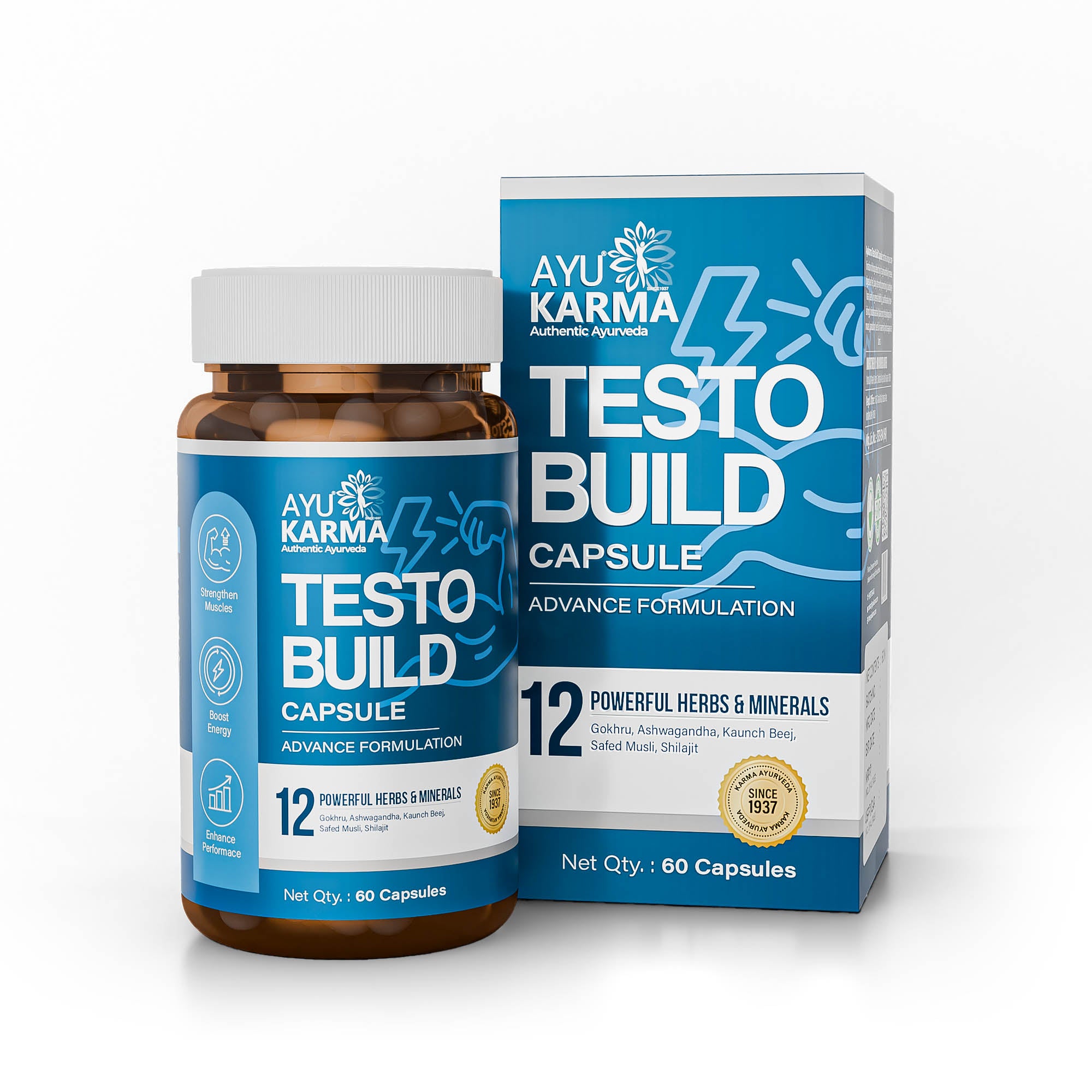
AyuKarma Testo Build Capsules combine 12 Ayurvedic herbs and minerals to support strength, energy, stamina, physical performance, nourishment and overall daily vitality.
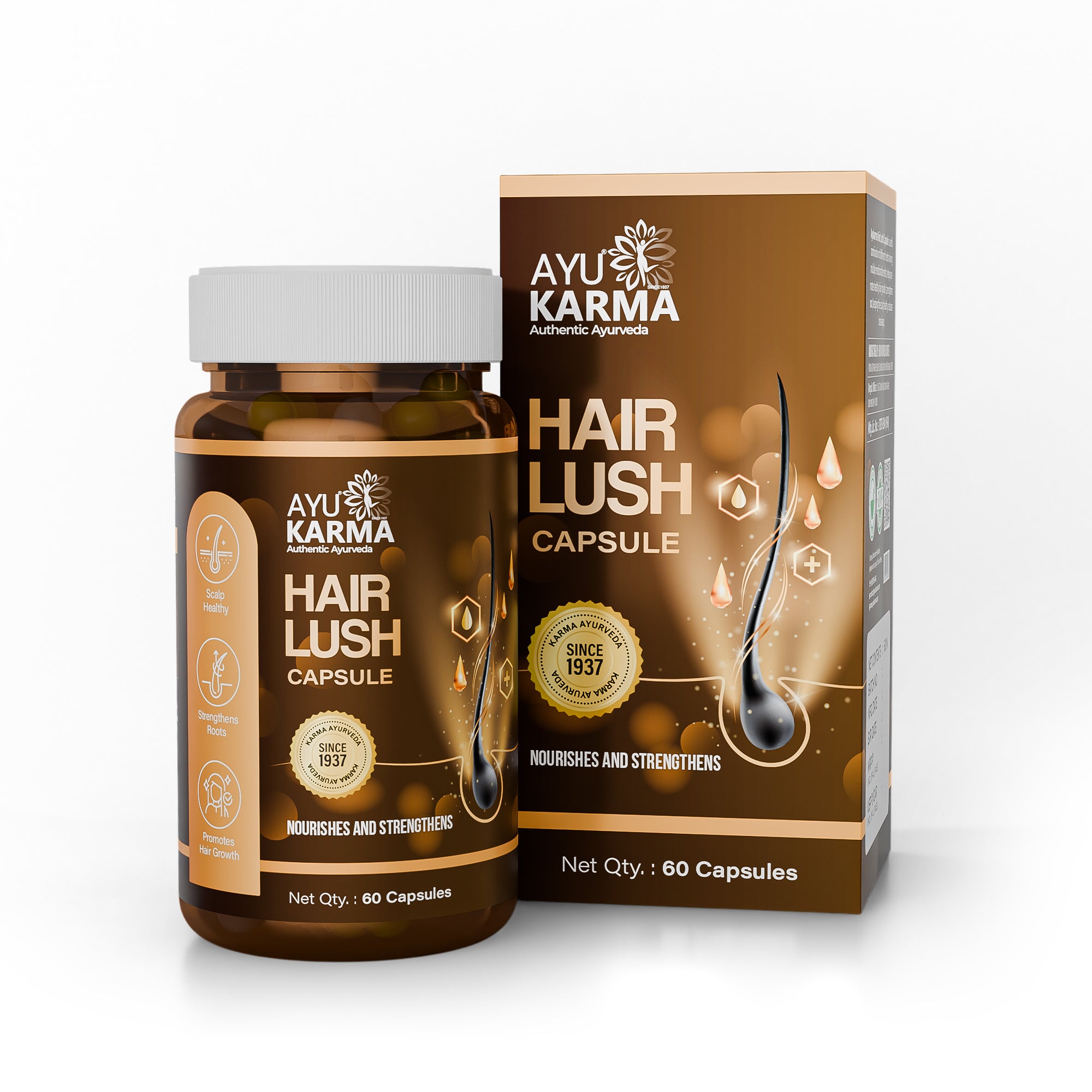
AyuKarma Hair Lush Capsules combine Ayurvedic herbs to support hair growth, reduce hair fall, strengthen roots, nourish the scalp and promote healthier-looking hair.

Karma Garcom Capsules contain Garcinia indica to support healthy metabolism, digestion, weight management, digestive comfort and daily wellness alongside a balanced lifestyle.
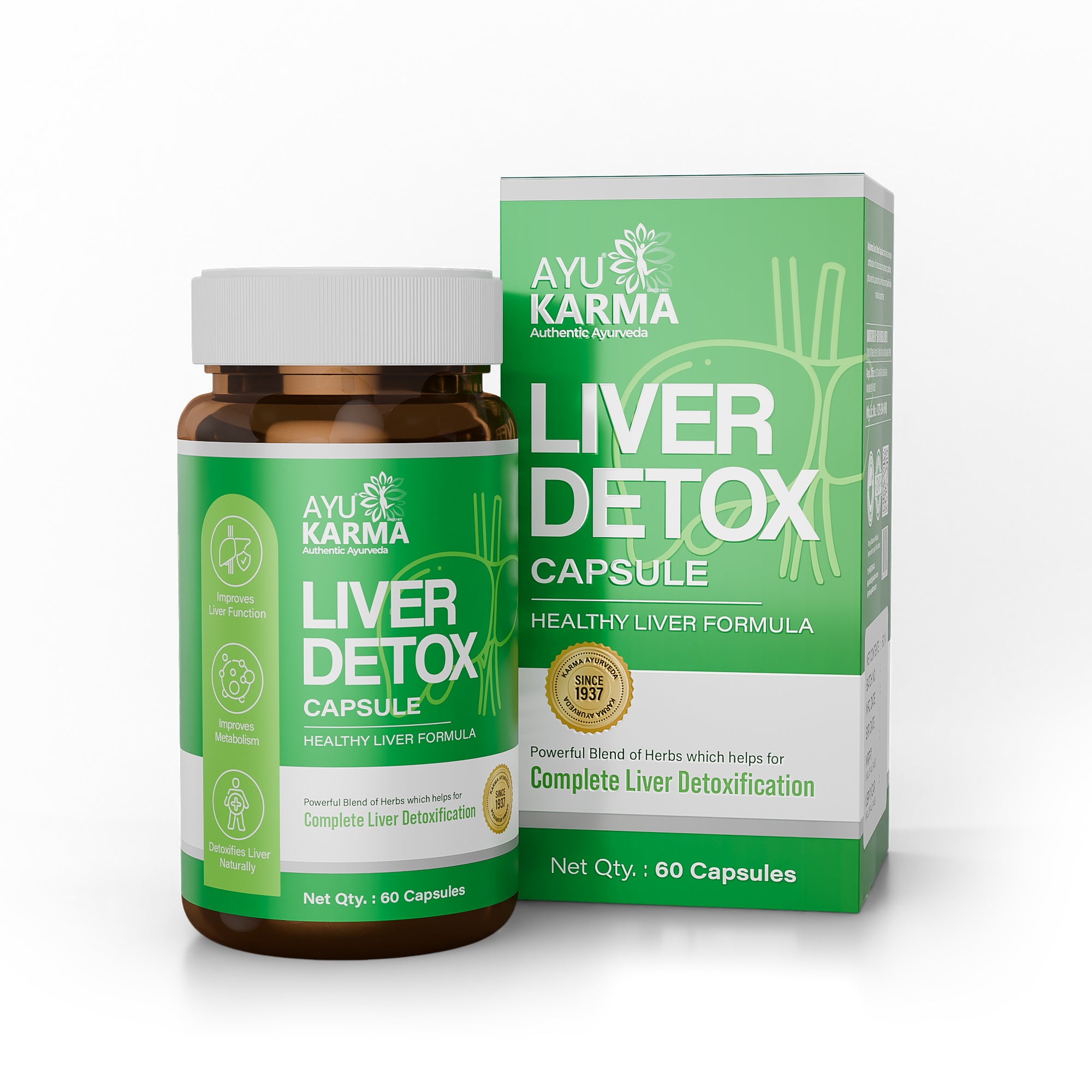
Doctor-recommended liver supplement that helps detoxify the liver, support healthy cholesterol, improve digestion & promote liver health. Developed by Dr. Puneet Dhawan with Karma Ayurveda philosophy.
Second Floor, 77, Block C, Tarun Enclave, Pitampura, New Delhi, Delhi, 110034

Certificate no- AH-2023-0186
JAN 05, 2026 - JAN 04, 2029

US FDA Reg. No.: 14568299376
