Unlocking Wellness Naturally
100% Ayurvedic Treatment


Most of us don’t spend a lot of time thinking about our kidneys. They are the quiet, overachieving interns of your body; filtering waste, balancing fluids, and staying out of the spotlight. That is, until one of them decides to “expand its horizons.” Finding out you have an enlarged kidney can feel a bit alarming, like your body suddenly decided to upgrade a bean-sized organ into a jumbo-sized problem.
If you’ve recently heard the term hydronephrosis (which is just a fancy way of saying your kidney is holding onto water like a camel) or found out your kidney is physically larger than it should be, don't panic. We are going to break this down into simple, human terms with a side of humor to keep things breezy about natural enlarged kidney treatment.
Imagine your kidney is like a high-end coffee filter. Its job is to strain out the gunk and send the liquid down the pipes. Now, imagine someone put a cork in the pipe. The liquid backs up, the filter swells, and suddenly your kidney is looking a bit more like a balloon than a bean.
This swelling is often called hydronephrosis. It’s usually not a disease itself, but rather a symptom of something else going on; like a tiny traffic jam in your urinary tract. Whether it’s a kidney stone acting as a roadblock or something else pressing against the pipes, the result is the same: your kidney is feeling the pressure.
There are a few usual suspects when it comes to why a kidney decides to get "swole." Here are the most common culprits:
Your kidneys are usually the "strong, silent type," but when they’re unhappy, they will let you know. Watch out for these signs:
If you’re feeling these, it’s time to stop Googling your symptoms (except for this blog, of course) and go see a professional.
When it comes to enlarged kidney treatment, there isn’t a one-size-fits-all solution. The goal is always to find the "cork" and pull it out. If a stone is the problem, doctors might use sound waves to blast it into dust. If it’s an infection, antibiotics will be your new best friends.
However, more people are looking toward holistic and time-tested methods to manage kidney health alongside modern diagnostics. This is where Karma Ayurveda Hospital comes into the picture. Under the guidance of experts like Dr. Puneet Dhawan, many individuals are exploring how ancient wisdom can help support kidney function and reduce swelling naturally.
Ayurveda focuses on balancing the body’s internal energies (Doshas) and using herbal formulations to help flush out toxins. It’s less about "fixing a machine" and more about "tending a garden." By focusing on diet, lifestyle, and specific herbs, the goal is to reduce the strain on the kidneys and help them return to their natural size.
While you wait for your appointment, here are some simple, human-friendly tips to keep your kidneys from getting any crankier:
You are what you eat, and your kidneys are the ones who have to deal with the consequences. If you want to keep your kidneys happy, try to incorporate more:
Avoiding processed foods and excessive protein can also take the "heavy lifting" off your kidneys while they are in recovery mode.
We get it. Life is busy, and a little back pain seems like something you can just "walk off." But your kidneys are vital. Ignoring a swollen kidney is like ignoring a "check engine" light in your car; eventually, the whole thing is going to stall. Long-term swelling can lead to permanent scarring or reduced kidney function, and nobody wants that.
The good news is that with the right enlarged kidney treatment in Ayurveda and some lifestyle tweaks, most people bounce back just fine. Whether you choose the path of conventional medicine or the holistic approach offered at Karma Ayurveda Hospital with Dr. Puneet Dhawan, the most important step is simply taking action.
Yes! If the underlying cause; like a kidney stone or a temporary blockage; is treated promptly, the kidney usually returns to its normal size and function.
No, not at all. While doctors will always check for growths, the vast majority of enlarged kidneys are caused by simple blockages, stones, or infections.
If you have a high fever, severe pain that makes it hard to sit still, or if you stop being able to pass urine entirely, you should seek medical help immediately.
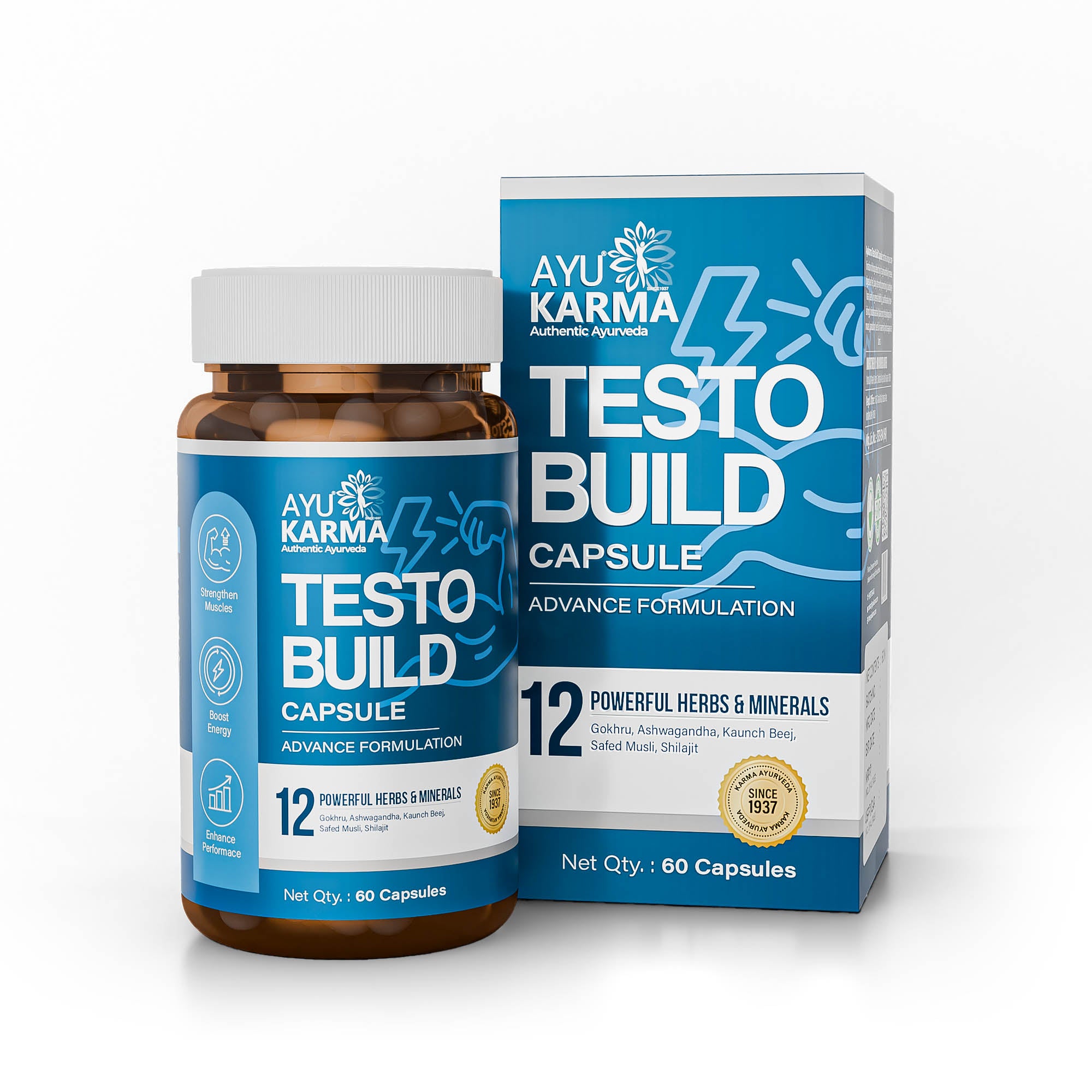
AyuKarma Testo Build Capsules combine 12 Ayurvedic herbs and minerals to support strength, energy, stamina, physical performance, nourishment and overall daily vitality.
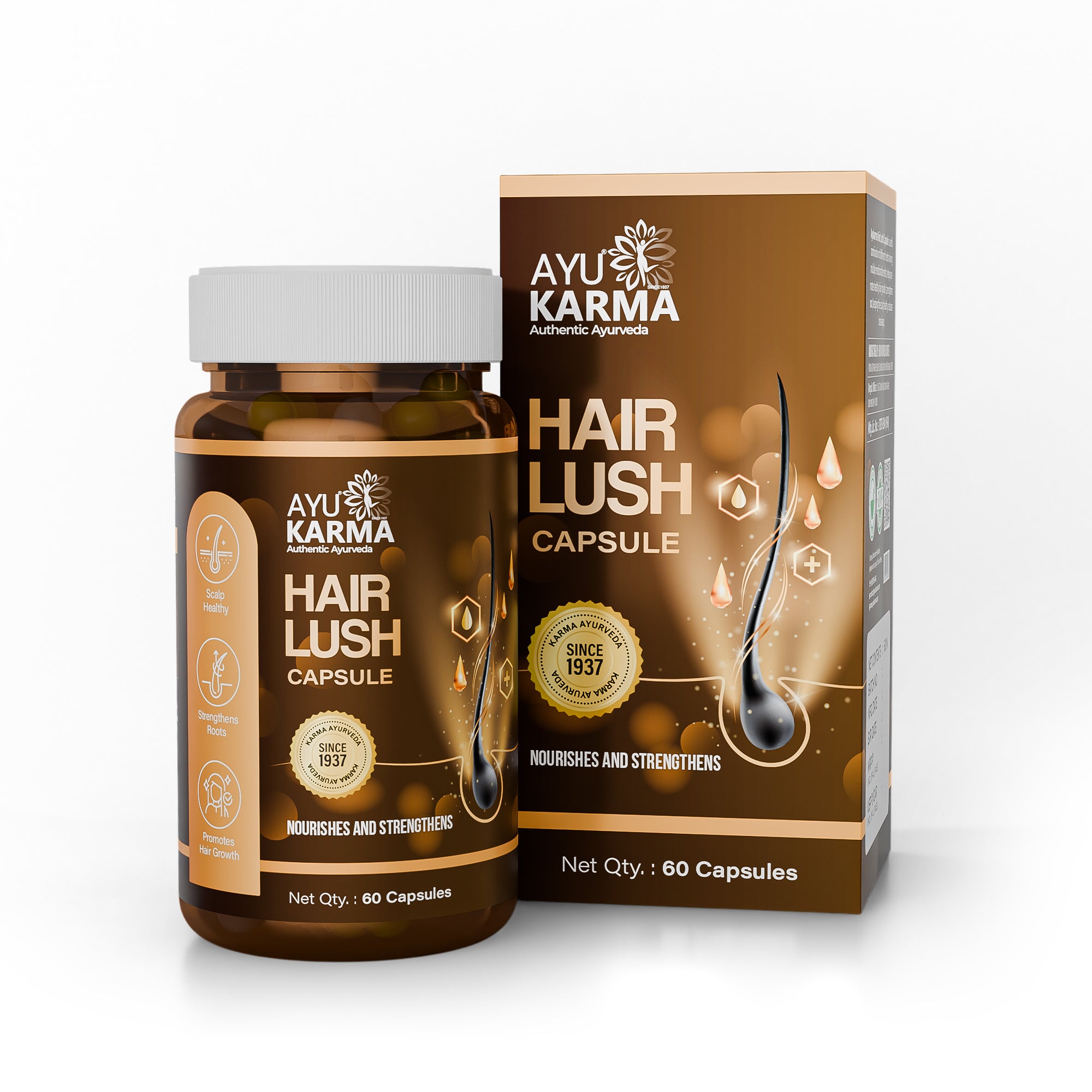
AyuKarma Hair Lush Capsules combine Ayurvedic herbs to support hair growth, reduce hair fall, strengthen roots, nourish the scalp and promote healthier-looking hair.
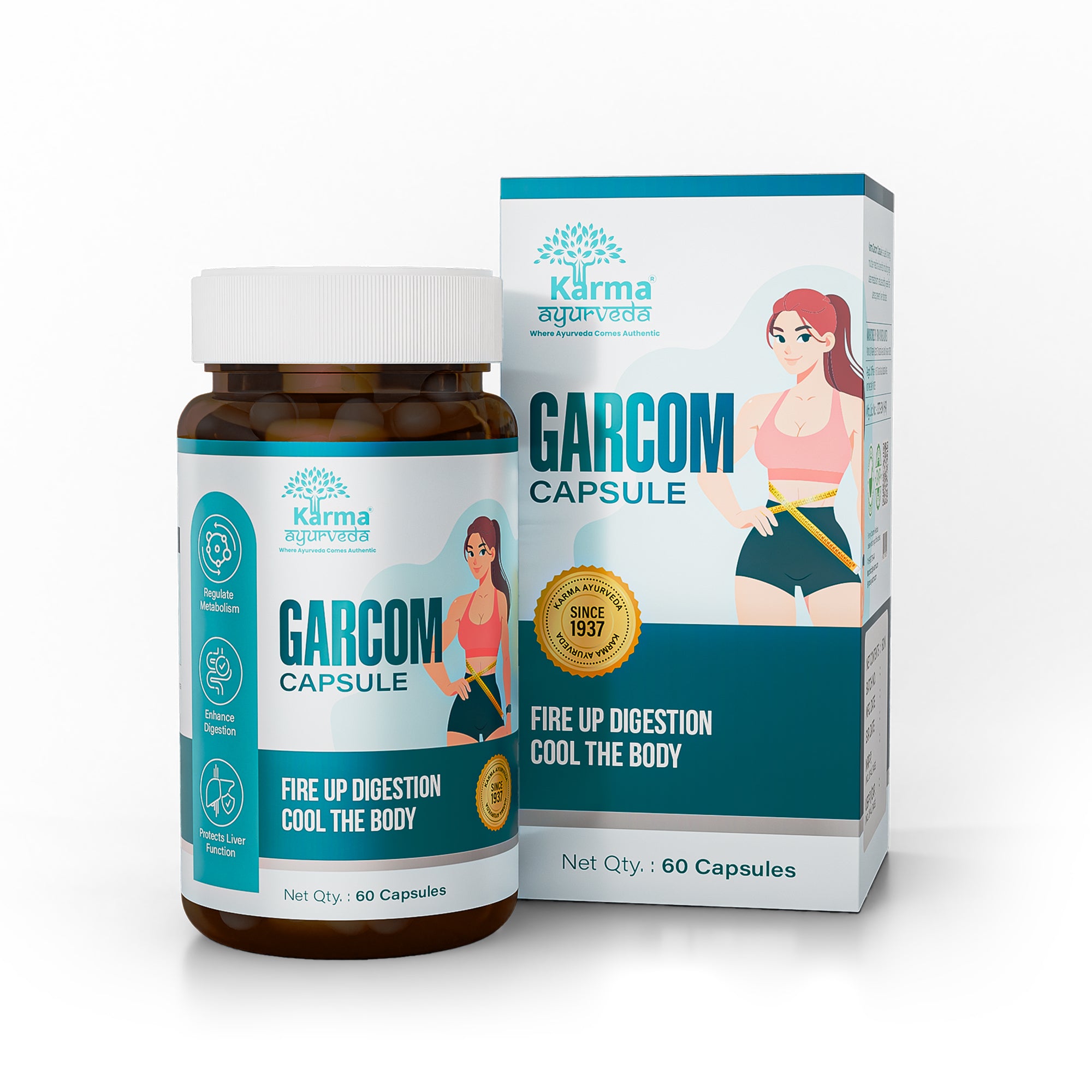
Karma Garcom Capsules contain Garcinia indica to support healthy metabolism, digestion, weight management, digestive comfort and daily wellness alongside a balanced lifestyle.
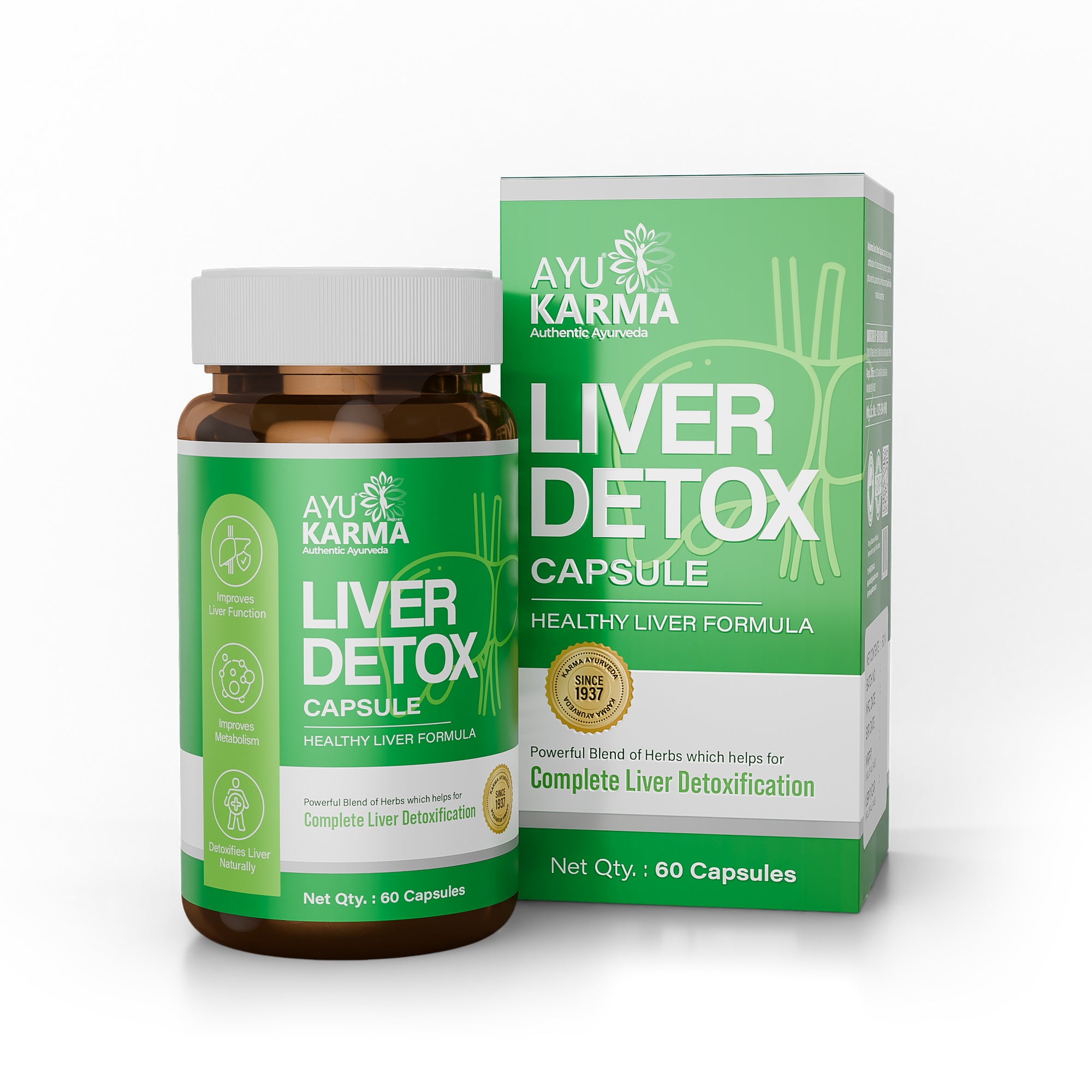
Doctor-recommended liver supplement that helps detoxify the liver, support healthy cholesterol, improve digestion & promote liver health. Developed by Dr. Puneet Dhawan with Karma Ayurveda philosophy.
Second Floor, 77, Block C, Tarun Enclave, Pitampura, New Delhi, Delhi, 110034

Certificate no- AH-2023-0186
JAN 05, 2026 - JAN 04, 2029

US FDA Reg. No.: 14568299376