Unlocking Wellness Naturally
100% Ayurvedic Treatment

.webp)
If you have psoriasis, you already know your skin has opinions. Strong ones. And while food doesn’t cause psoriasis, your psoriasis diet can absolutely influence how loud your skin complains. Think of diet as the background music for your immune system. Play the wrong song, and psoriasis symptoms start dancing. Aggressively.
The good news? You don’t need a sad, joyless diet or a fridge full of mystery foods. You just need to eat in a way that calms inflammation and supports psoriasis management. Let’s talk about the best diet for psoriasis patients, using simple words, real food, and a sense of humor; because stress is bad for your skin too.
Let’s clear this up right away. There is no single psoriasis diet plan that cures psoriasis. If there were, the internet would never shut up about it. However, choosing the right foods for psoriasis can reduce inflammation, support gut health, and help your body behave better overall. When your body feels calmer, psoriasis flare-ups often follow suit. It’s teamwork, not magic.
Psoriasis is an inflammatory condition, so your main goal is to reduce inflammation through an anti-inflammatory diet for psoriasis. Think of inflammation as a fire. Some foods pour water on it. Others throw gasoline.
Foods that help cool things down include fruits, vegetables, whole grains, nuts, seeds, and healthy fats. These psoriasis-friendly foods tell your immune system, “Relax, we’re fine.”
Colorful plates are your friend. If your meal looks like it could star in a rainbow, your skin will probably approve.
Fruits and vegetables are essential in the best diet for psoriasis patients. They are packed with vitamins, antioxidants, and fiber that help fight inflammation and support digestion.
Leafy greens, berries, carrots, broccoli, sweet potatoes, and bell peppers are especially helpful foods for psoriasis patients. They protect cells from damage and keep your immune system from overreacting.
Also, they make you feel like you’re “eating healthy,” which boosts confidence; and confidence is very good for mental health.
Not all fat is the enemy. In fact, healthy fats are a key part of a psoriasis diet. Omega-3 fatty acids help reduce inflammation and support skin health. You can find them in fatty fish like salmon, sardines, and mackerel. If fish is not your thing, walnuts, flaxseeds, and chia seeds also work well.
Think of omega-3s as peace negotiators for your immune system; and your psoriasis symptoms.
White bread, white rice, and sugary snacks can increase inflammation and worsen psoriasis flare-ups. Your skin does not enjoy sugar highs. Whole grains like brown rice, oats, quinoa, and whole wheat are better choices in a diet for psoriasis patients.
They provide fiber, steady energy, and support gut health, which plays a role in immune balance. Basically, whole grains behave better in your body.
Protein is important for skin repair and overall health, especially when managing psoriasis. Choose lean sources like chicken, turkey, fish, eggs, beans, and lentils. Plant-based proteins are especially helpful in a psoriasis diet plan because they come with fiber and antioxidants.
Red meat isn’t forbidden, but too much of it can worsen inflammation. Moderation is the key word here; for both your body and your skin.
Now let’s talk about foods that may trigger psoriasis flare-ups. These don’t affect everyone the same way, but they’re common troublemakers. Highly processed foods, sugary snacks, fried foods, and fast food can increase inflammation and make psoriasis symptoms worse.
Alcohol is another big one. It can trigger flare-ups and reduce the effectiveness of Ayurvedic psoriasis treatment.
Dairy and gluten bother some people with psoriasis but not all. There’s no need to eliminate them unless you notice a clear connection. Your body is the boss here.
Your gut and immune system are very close friends, especially when it comes to psoriasis management. If your digestion is unhappy, your immune system often gets cranky too.
Eating fiber-rich foods supports good gut bacteria. Fermented foods like yogurt, kefir, sauerkraut, and kimchi can improve gut balance and support a healthy psoriasis diet.
A happy gut often means calmer skin. It’s all connected.
Water may not be exciting, but hydration plays an important role in psoriasis care. Drinking enough water helps skin stay less dry and irritated. If your skin could talk, it would probably say, “Please drink more water.” Listen to your skin.
Maintaining a healthy weight can help reduce inflammation and improve psoriasis symptoms. Extra body fat produces inflammatory chemicals, which psoriasis absolutely loves; in the worst way.
This isn’t about perfection. It’s about balance and supporting your body through the best diet for psoriasis patients.
The best diet for psoriasis patients is one that reduces inflammation, supports gut health, and is actually sustainable. No extreme rules. No food fear. No punishment eating.
Eat real food most of the time. Pay attention to how your body responds to different foods for psoriasis. Be kind to yourself when you slip, because stress-related psoriasis flare-ups are very real.
Your skin may be loud, dramatic, and sometimes annoying; but feeding your body well gives it fewer reasons to complain. And honestly, that’s a win worth chewing on.
Disclaimer: Please visit a reputed hospital like Karma Ayurveda Hospital for an appropriate diet plan for psoriasis and natural treatment for psoriasis. You should not experiment with any DIY treatment.
A diet rich in fruits, vegetables, whole grains, and omega-3 fatty acids is considered the best diet for psoriasis patients to reduce inflammation.
Psoriasis patients should avoid processed foods, excess sugar, red meat, and alcohol, as these can trigger flare-ups.
Yes, following the best diet for psoriasis patients can help manage symptoms and support overall skin health naturally.
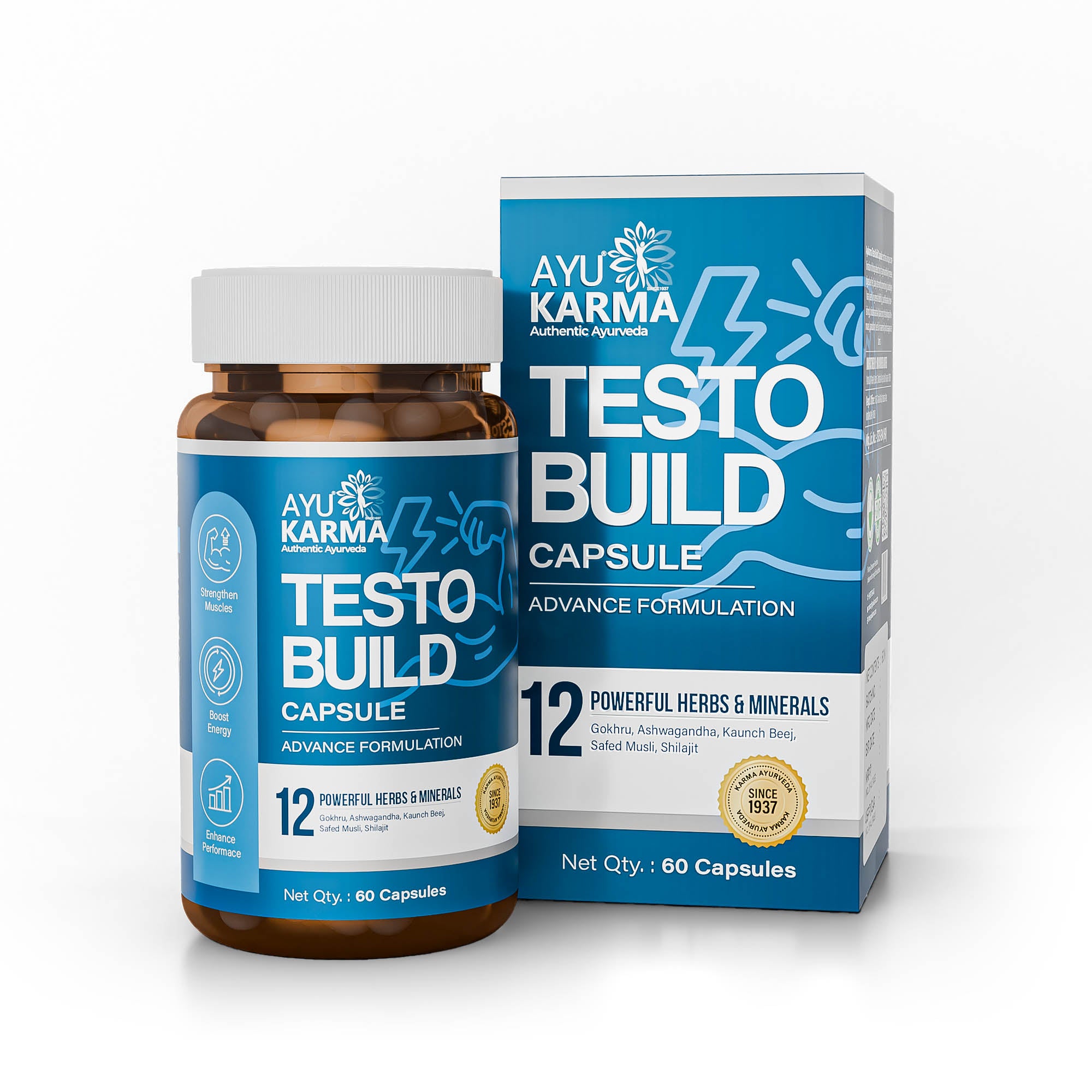
AyuKarma Testo Build Capsules combine 12 Ayurvedic herbs and minerals to support strength, energy, stamina, physical performance, nourishment and overall daily vitality.
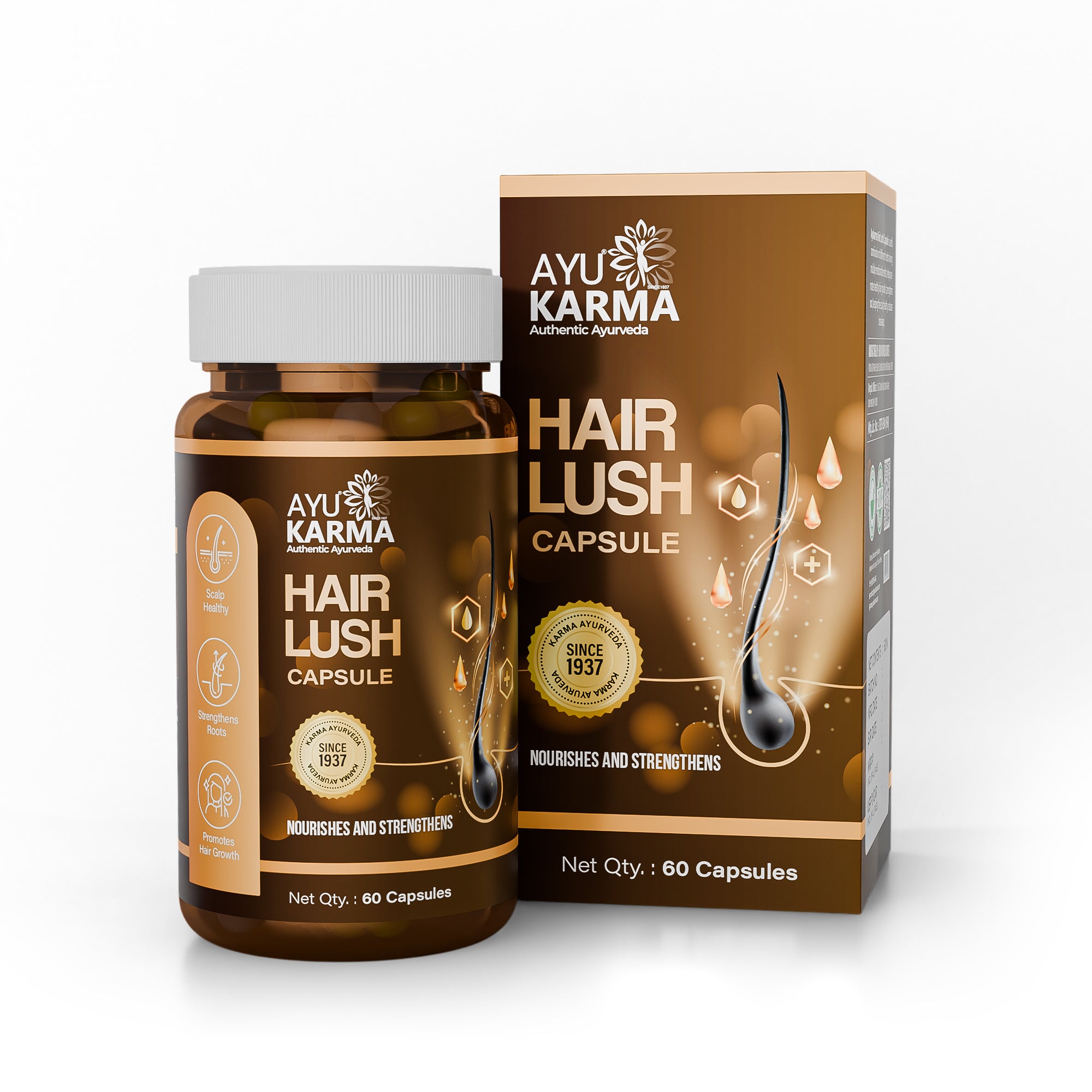
AyuKarma Hair Lush Capsules combine Ayurvedic herbs to support hair growth, reduce hair fall, strengthen roots, nourish the scalp and promote healthier-looking hair.
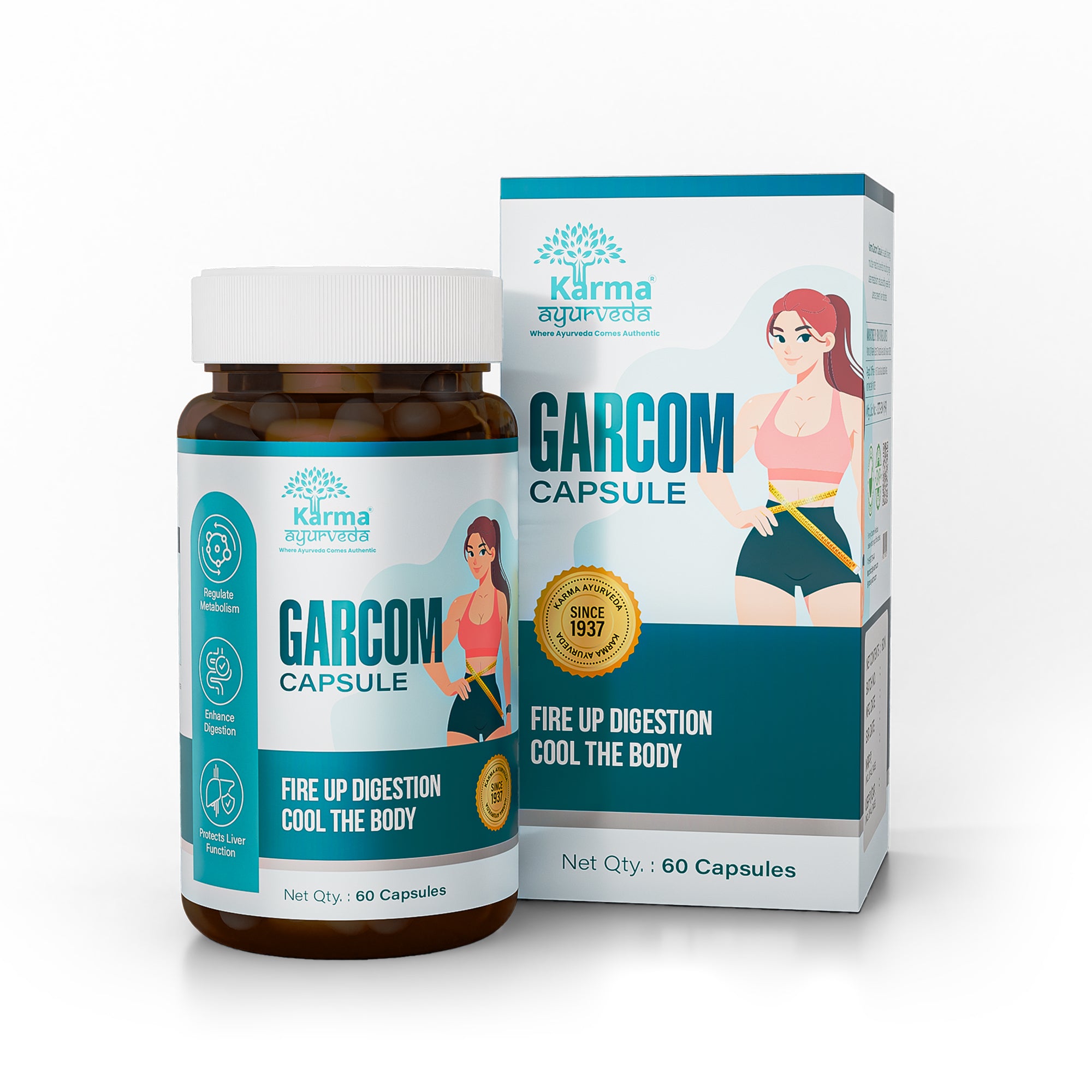
Karma Garcom Capsules contain Garcinia indica to support healthy metabolism, digestion, weight management, digestive comfort and daily wellness alongside a balanced lifestyle.
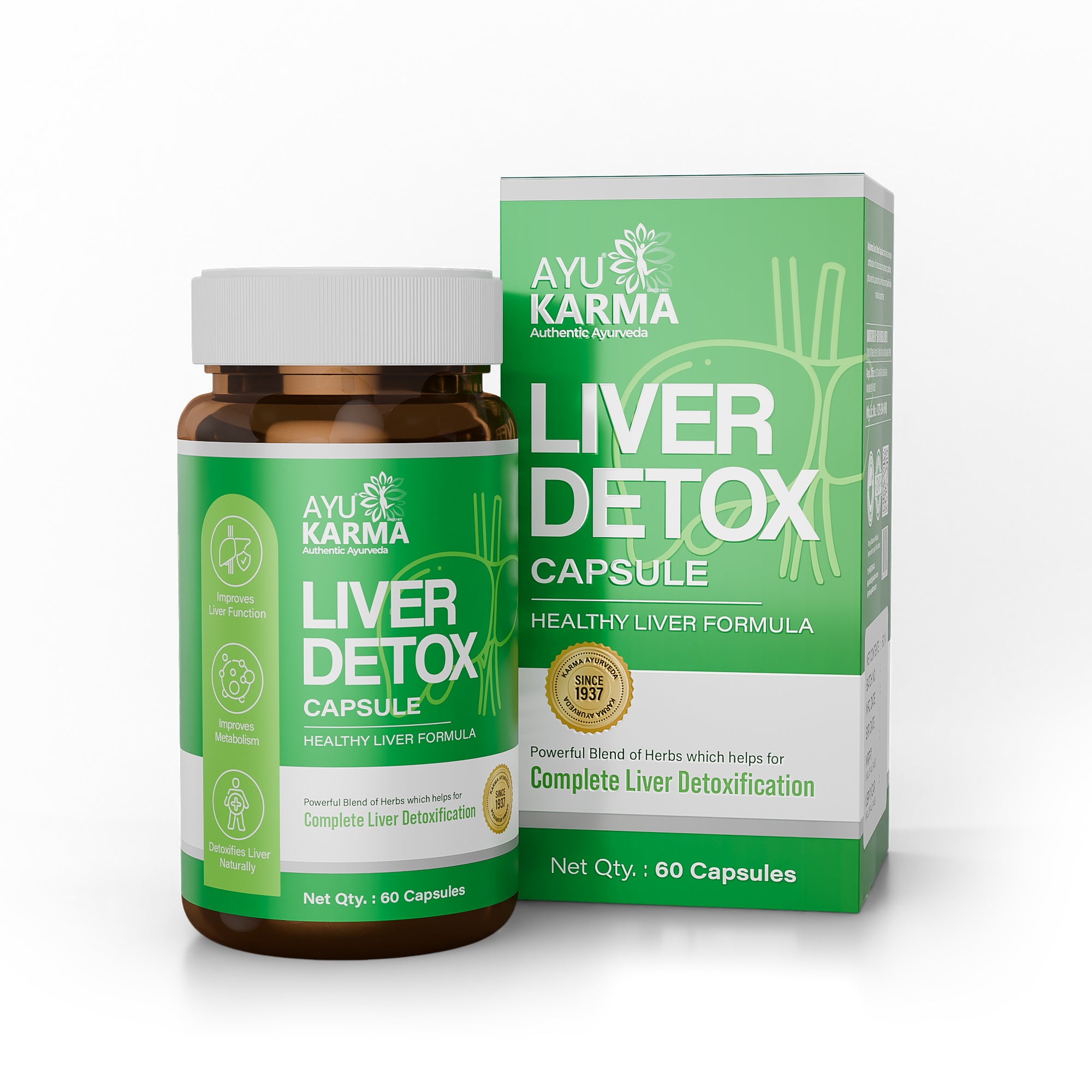
Doctor-recommended liver supplement that helps detoxify the liver, support healthy cholesterol, improve digestion & promote liver health. Developed by Dr. Puneet Dhawan with Karma Ayurveda philosophy.
Second Floor, 77, Block C, Tarun Enclave, Pitampura, New Delhi, Delhi, 110034

Certificate no- AH-2023-0186
JAN 05, 2026 - JAN 04, 2029

US FDA Reg. No.: 14568299376