Unlocking Wellness Naturally
100% Ayurvedic Treatment

.webp)
Let’s talk about the liver. That hardworking organ sitting on the right side of your belly, quietly doing its job without asking for praise. It cleans your blood, helps digest food, stores energy, and basically keeps your body running smoothly. If organs got performance reviews, the liver would always get “exceeds expectations.” This is also why people exploring Ayurvedic treatment for liver cirrhosis often focus on supporting the liver gently, rather than waiting for things to get severe.
Now here’s the tricky part: liver cirrhosis doesn’t arrive with loud sirens. It tiptoes in. Early signs can be subtle, confusing, and easy to ignore. Many people brush them off as “just stress” or “I’m getting older.” Spoiler alert: your liver may be trying to talk to you.
Let’s decode those early whispers without scary words, complicated science, or boring lectures.
Cirrhosis means your liver has been damaged over time and replaced with scar tissue. Think of it like this: a smooth sponge slowly turning into a stiff brick. The liver can still work for a while, but it struggles. This is why approaches like liver cirrhosis Ayurvedic treatment focus on slowing damage and supporting remaining liver function.
This damage often happens due to long-term alcohol use, fatty liver disease, hepatitis infections, or other chronic liver problems. The key thing to remember? Early cirrhosis can be managed better if caught early, especially when lifestyle changes and supportive therapies are started on time.
So, let’s look at the signs your body may send before things get serious.
This is often the first sign and the most ignored one.
You wake up tired. You sit down and feel tired. You think about doing something and feel tired. Your body feels like it’s running on low battery mode all day.
This happens because your liver isn’t processing toxins efficiently. So instead of being flushed out, they hang around and make you feel sluggish. No amount of coffee fixes this kind of tiredness (trust me, people try). Many people later realize this fatigue was an early sign they should have addressed with Ayurvedic treatment for liver cirrhosis rather than ignoring it.
Food suddenly feels… uninteresting. Your favorite meal doesn’t excite you anymore. You eat less, not because you’re dieting, but because your body just says, “Nah.”
An unhealthy liver can affect digestion and metabolism. When food doesn’t get processed properly, your appetite drops. Over time, this can lead to weight loss without trying, which sounds great until you realize it’s not.
If your jeans are getting loose and you didn’t sign up for a fitness plan, pay attention.
Early liver cirrhosis can mess with bile production, which helps digest fats. When digestion goes wrong, your stomach lets you know.
It’s not food poisoning. It’s not “something you ate.” It’s your liver struggling to keep up, which is why many people start looking into natural treatment for liver cirrhosis to improve digestion and liver balance.
This one is sneaky.
A dull ache or heaviness under your right ribs may come and go. It’s not sharp pain. It’s more like an annoying guest who refuses to leave.
That’s where your liver lives. As it becomes inflamed or enlarged, it can cause discomfort. Many people ignore this because it’s not dramatic. But your liver doesn’t do drama; it does subtle.
In early stages, this may be barely noticeable. Maybe the whites of your eyes look slightly yellow. Maybe your skin tone seems off in certain light.
This happens when bilirubin (a waste product) builds up in the blood. A healthy liver removes it. A struggling liver… not so much. If someone says, “You look a bit yellow,” don’t blame the lighting.
This one surprises people. You’re itchy. A lot. But there’s no rash, no allergy, no mosquito bite army attacking you.
The itching happens because bile salts build up under the skin when the liver isn’t working well. It’s annoying, confusing, and often ignored. But yes; itchy skin can be a liver thing.
You bump into a table and suddenly have a bruise the size of a mango. Your gums bleed more when you brush. Small cuts take longer to stop bleeding.
The liver helps make proteins that allow blood to clot. When it’s damaged, clotting becomes weaker. The result? Your body turns into a drama queen over tiny injuries.
This one feels personal. You feel confused, forgetful, or unusually irritable. You can’t focus. Your brain feels cloudy, like it’s running through syrup.
This happens because toxins that should be filtered by the liver reach the brain. It’s not “just stress” or “bad sleep.” Your liver and brain are having a communication problem.
If you notice several of these signs together, or if they stick around, it’s time to get checked. Early cirrhosis doesn’t mean your life is over. It means your body is asking for help. Many patients exploring Ayurvedic treatment for liver cirrhosis choose experienced centers like Karma Ayurveda Hospital, under the guidance of Dr. Puneet Dhawan, for a holistic and supportive approach.
Blood tests, scans, and lifestyle changes can make a real difference when caught early.
Your liver doesn’t complain loudly. It works silently and suffers quietly. That’s why early signs matter so much.
If your body feels off and you can’t explain why, don’t ignore it. Your liver might be sending a polite message before it starts sending angry emails.
And remember; catching liver problems early gives you more options, better health, and fewer unpleasant surprises later. Your liver has done a lot for you. Listening to it is the least we can do.
Feeling tired all the time, poor appetite, nausea, mild belly discomfort, and unexplained weight loss.
Constant fatigue, yellowing of eyes or skin, dark urine, and swelling in the legs or abdomen.
It’s the earliest stage where liver damage has started, but symptoms are minimal and the liver still works fairly well.
Fatigue, loss of appetite, and frequent nausea or indigestion.
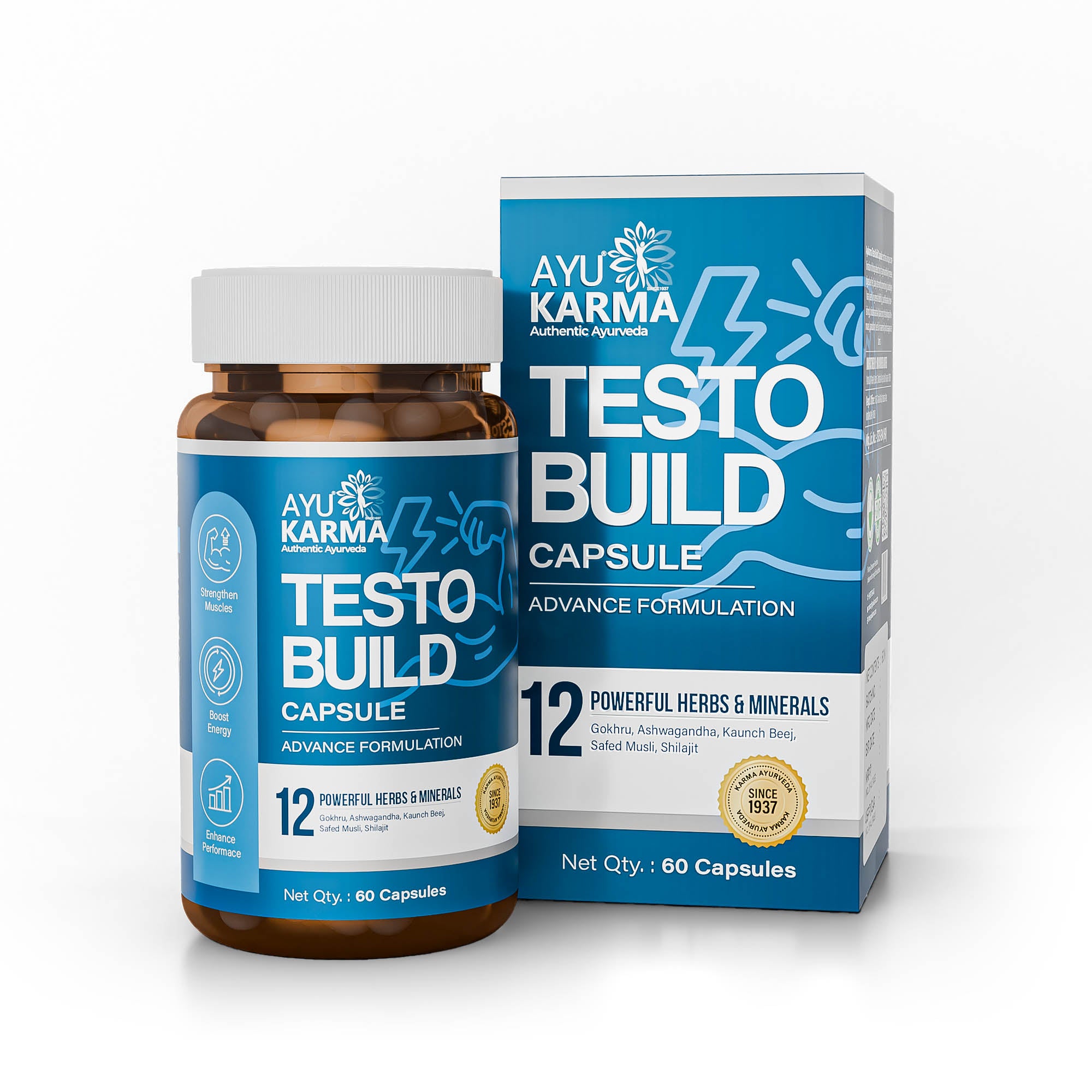
AyuKarma Testo Build Capsules combine 12 Ayurvedic herbs and minerals to support strength, energy, stamina, physical performance, nourishment and overall daily vitality.

AyuKarma Hair Lush Capsules combine Ayurvedic herbs to support hair growth, reduce hair fall, strengthen roots, nourish the scalp and promote healthier-looking hair.
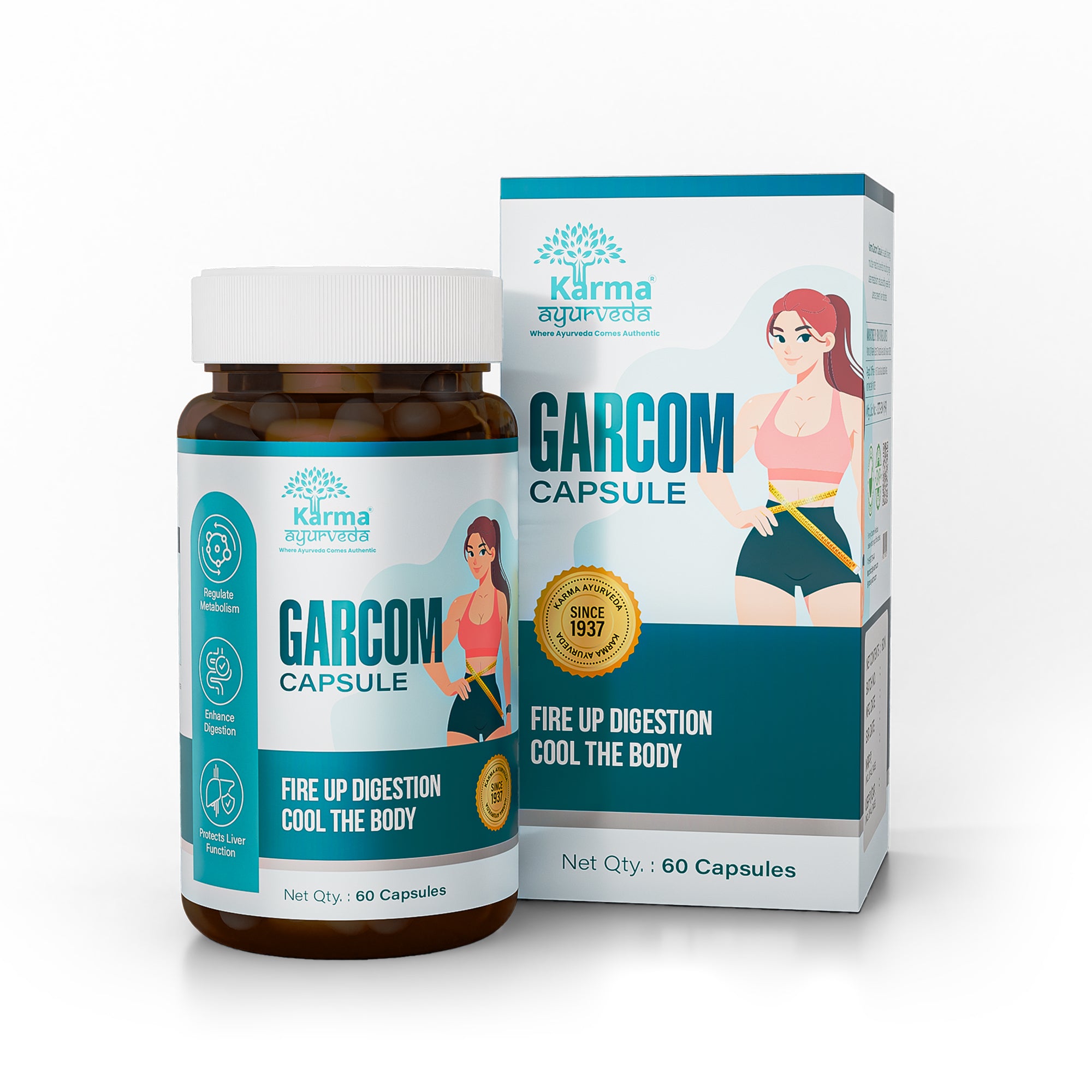
Karma Garcom Capsules contain Garcinia indica to support healthy metabolism, digestion, weight management, digestive comfort and daily wellness alongside a balanced lifestyle.
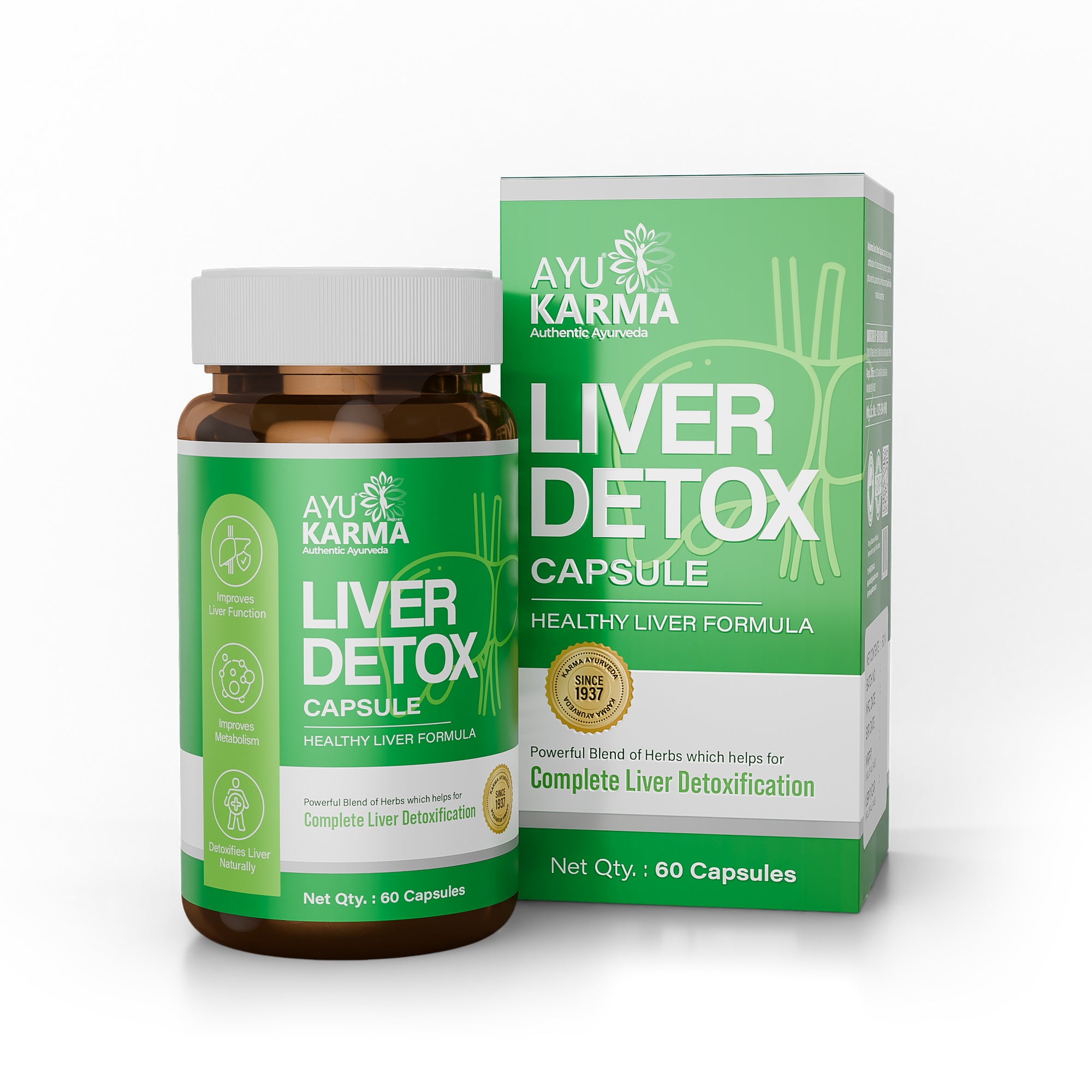
Doctor-recommended liver supplement that helps detoxify the liver, support healthy cholesterol, improve digestion & promote liver health. Developed by Dr. Puneet Dhawan with Karma Ayurveda philosophy.
Second Floor, 77, Block C, Tarun Enclave, Pitampura, New Delhi, Delhi, 110034
Certificate no- AH-2023-0186
JAN 05, 2026 - JAN 04, 2029

US FDA Reg. No.: 14568299376