Unlocking Wellness Naturally
100% Ayurvedic Treatment

.webp)
If you have eczema, you already know this truth: your skin remembers everything. That tiny bite of something “harmless” you ate yesterday? Your skin is still talking about it. Loudly. With itching. Eczema is not just a skin condition. It’s more like a dramatic friend who overreacts to the smallest things. Stress? Flare-up. Weather change? Flare-up. Food? Oh yes, definitely a flare-up.
This is why many people start exploring lifestyle changes along with Ayurvedic treatment for eczema, hoping to calm the skin from the inside out.
Let’s talk about foods that may trigger eczema flare-ups. Not to scare you, not to ban you from happiness, but to help you understand what might be poking your skin behind the scenes; especially if you’re already following an Ayurvedic treatment for eczema and still seeing surprise flare-ups.
Before we blame every snack in your kitchen, here’s something important:
Not everyone with eczema reacts to the same foods.
Some people can eat cheese daily and glow like a skincare ad. Others eat one slice and start itching like they lost a bet with a cactus. Eczema triggers are very personal. Food is just one piece of the puzzle, even when you’re opting for a natural treatment for eczema instead of quick fixes.
Now that we’ve cleared food’s name a little, let’s meet the usual suspects.
Milk, cheese, butter, yogurt; dairy is comforting, delicious, and suspicious.
For some people, dairy can increase inflammation in the body. And eczema already loves inflammation. Add dairy, and it’s like inviting your skin’s worst enemy to dinner. This is often discussed in Eczema Ayurvedic treatment, where digestion and inflammation are closely linked.
Eggs look harmless. Just sitting there. Being breakfast. But eggs are a common trigger, especially for children with eczema. Even people undergoing Ayurvedic treatment for eczema are often advised to observe how their skin reacts to eggs.
Nuts are nutritious but can act as allergens for some. Your skin may not complain immediately; it prefers late-night itching sessions. Subtle triggers like these are often identified over time when following a holistic approach.
For some people with eczema, wheat or gluten can quietly increase inflammation. The skin reacts while everything else seems fine. This is why food awareness plays such an important role alongside long-term care methods.
Sugar doesn’t calm eczema. In fact, it does the opposite. High sugar intake can fuel inflammation, making flare-ups more dramatic than necessary. Your skin would probably vote for moderation.
Spicy foods raise body heat, and eczema does not enjoy heat-related excitement. If your skin starts itching after spicy meals, it’s not being rude; it’s being honest.
Preservatives, additives, artificial colors; your skin finds them confusing. Whole foods are easier to handle, especially if you’re trying to support healing naturally.
Absolutely not. The goal is awareness, not fear. Observing patterns is key, especially when dietary balance is combined with Ayurvedic medicine for eczema for long-term relief.
Eczema flare-ups are frustrating, itchy, and emotionally exhausting. Food is only one trigger among many. Stress, sleep, digestion, and daily habits all matter.
Many patients seeking holistic care turn to trusted centers like Karma Ayurveda Hospital, where guidance is personalized and focused on root causes under the supervision of experts like Dr. Puneet Dhawan.
Think of your skin as a moody roommate. When you understand what annoys it, life gets easier; less itchy, more peaceful, and definitely more manageable.
Yes, certain foods can increase inflammation and itching, especially in people with sensitive or eczema-prone skin.
Yes, Ayurvedic treatment for eczema focuses on improving digestion and reducing internal inflammation that may worsen flare-ups.
Not necessarily; it’s best to observe patterns and avoid foods that consistently worsen your symptoms.
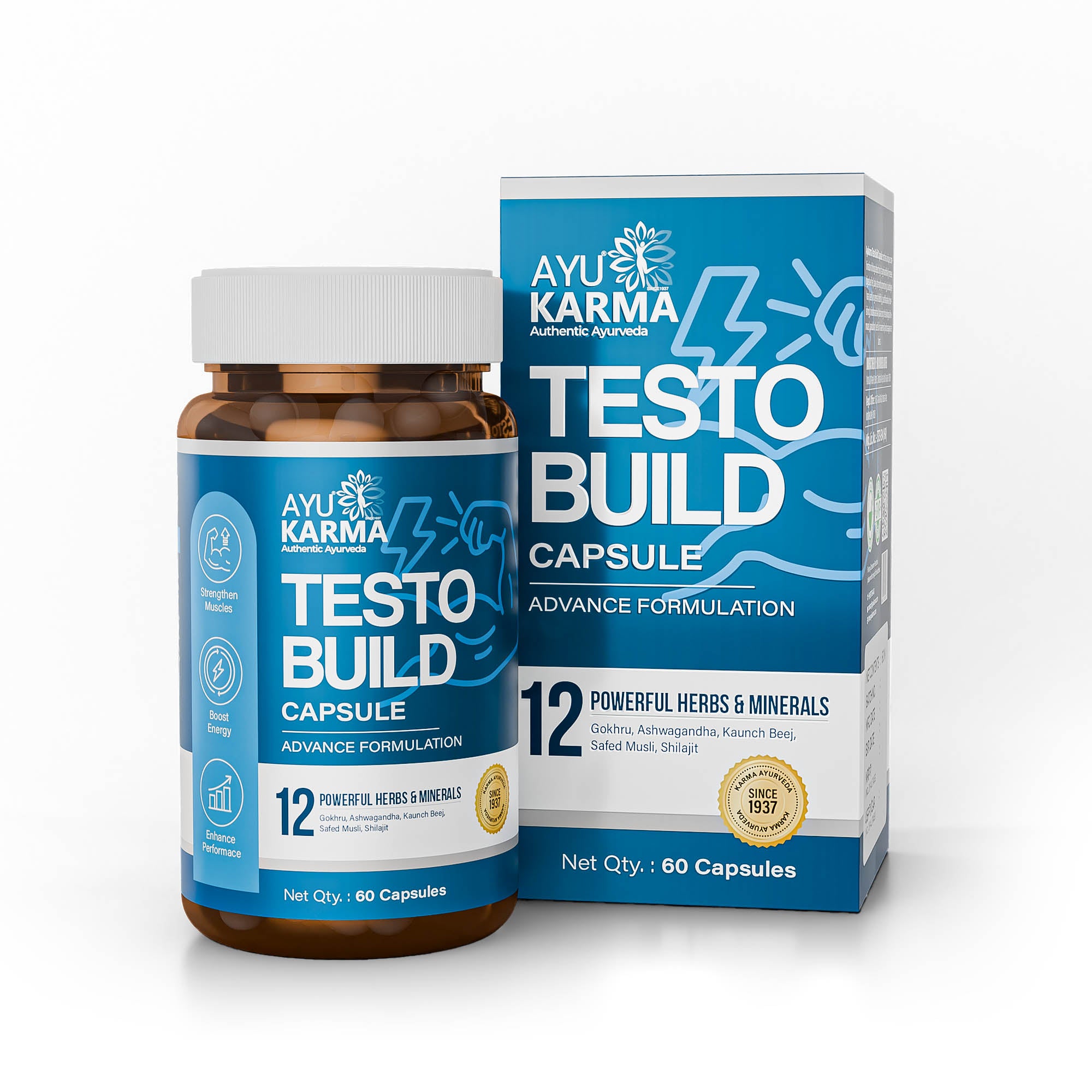
AyuKarma Testo Build Capsules combine 12 Ayurvedic herbs and minerals to support strength, energy, stamina, physical performance, nourishment and overall daily vitality.
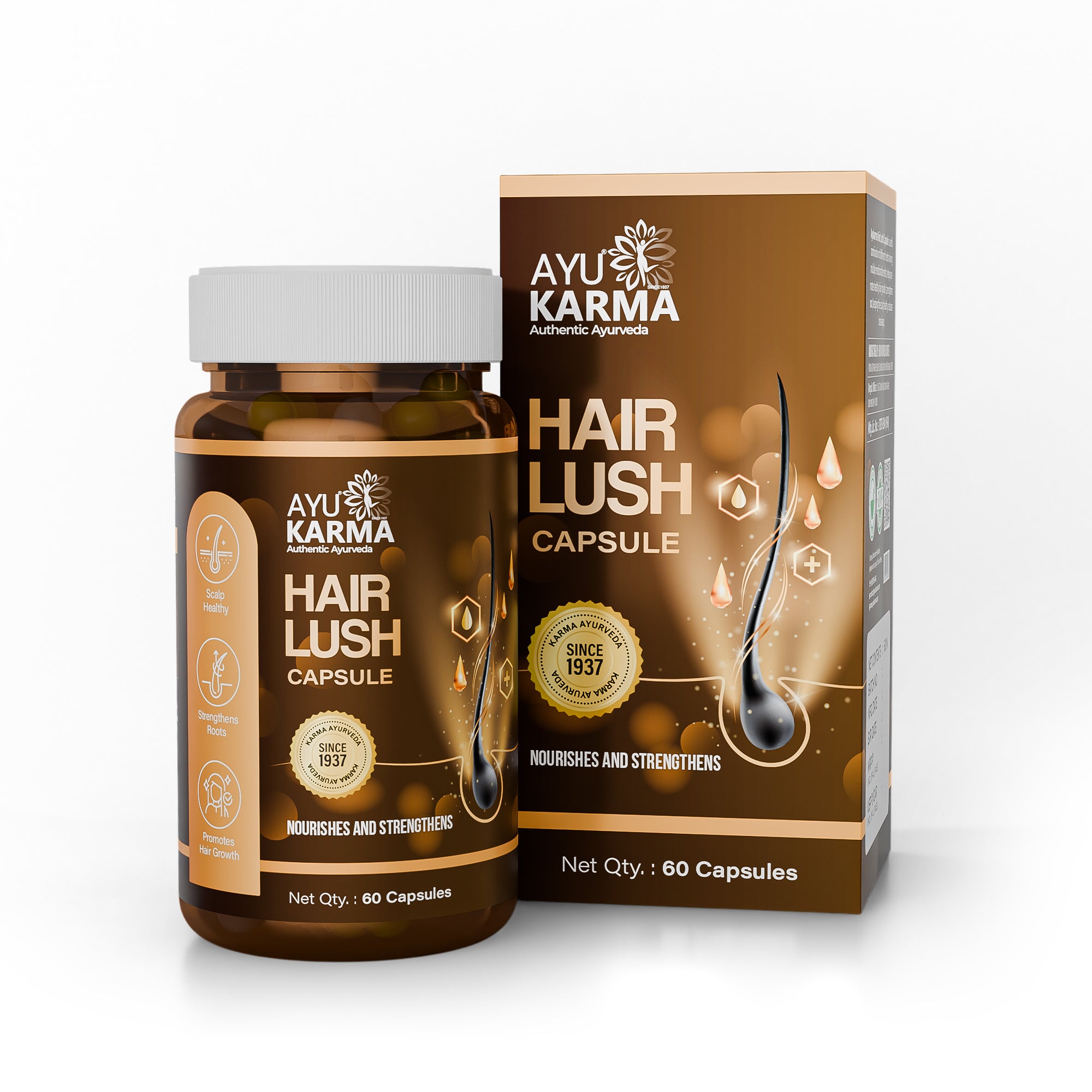
AyuKarma Hair Lush Capsules combine Ayurvedic herbs to support hair growth, reduce hair fall, strengthen roots, nourish the scalp and promote healthier-looking hair.
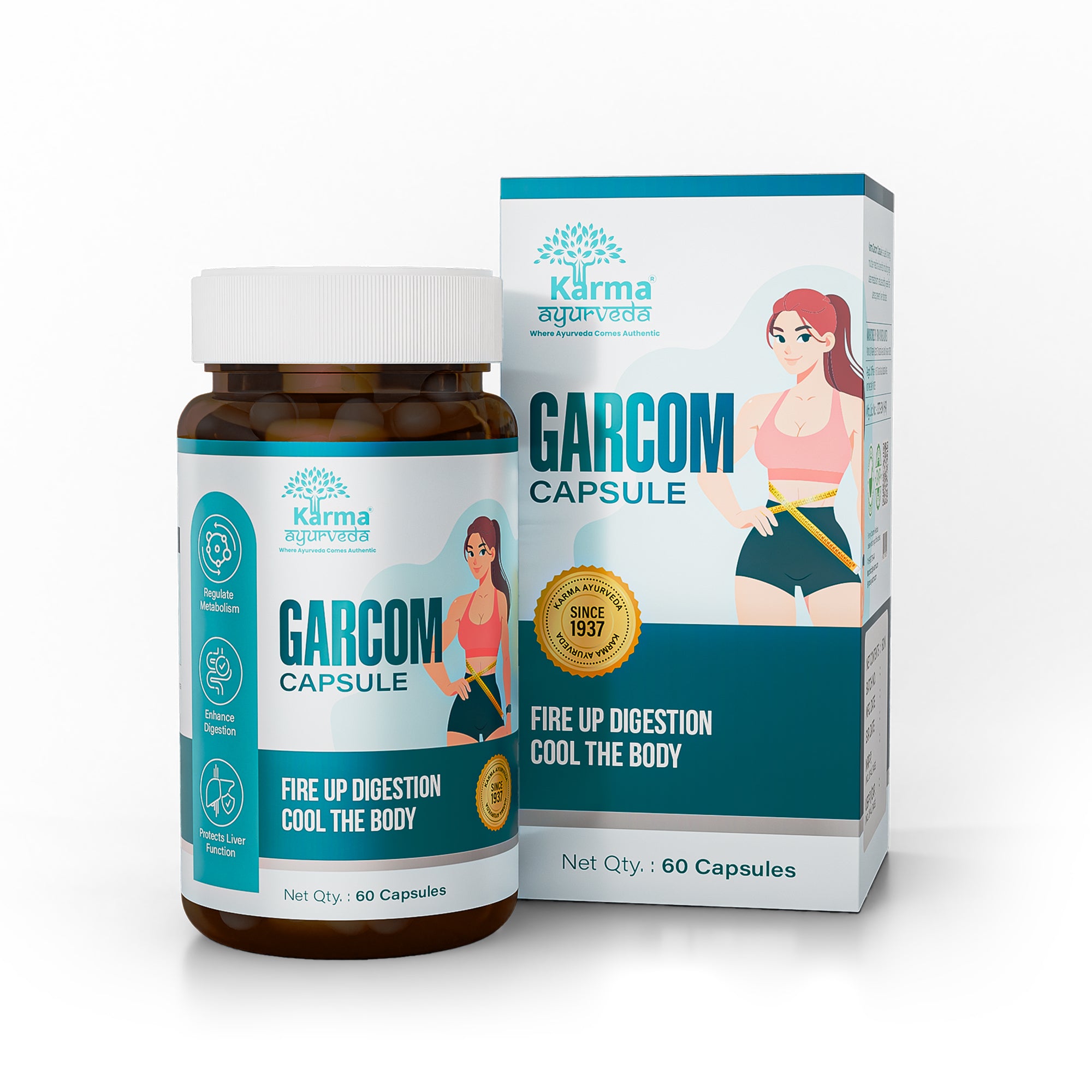
Karma Garcom Capsules contain Garcinia indica to support healthy metabolism, digestion, weight management, digestive comfort and daily wellness alongside a balanced lifestyle.
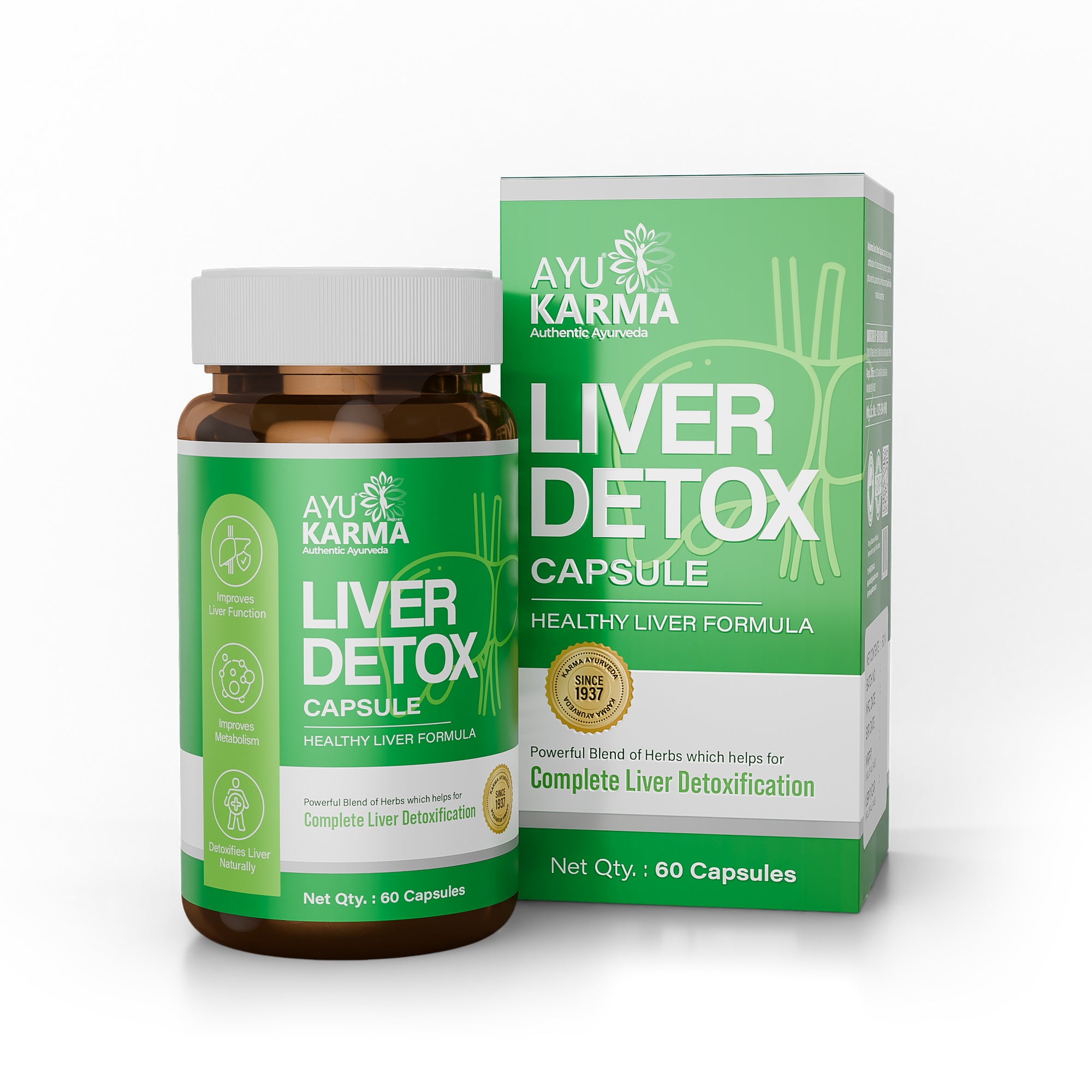
Doctor-recommended liver supplement that helps detoxify the liver, support healthy cholesterol, improve digestion & promote liver health. Developed by Dr. Puneet Dhawan with Karma Ayurveda philosophy.
Second Floor, 77, Block C, Tarun Enclave, Pitampura, New Delhi, Delhi, 110034

Certificate no- AH-2023-0186
JAN 05, 2026 - JAN 04, 2029

US FDA Reg. No.: 14568299376