Unlocking Wellness Naturally
100% Ayurvedic Treatment

.webp)
Alright, let’s talk about kidney stones; those tiny troublemakers that somehow manage to cause big drama. If you’ve ever had one (or know someone who has), you already know kidney stones don’t knock politely. They barge in, throw a pain party, and refuse to leave quietly. Many people today are also exploring Ayurvedic treatment for kidney stones alongside dietary changes to manage this painful condition more gently.
Now here’s the good news: food plays a huge role in kidney stone formation. The bad news? Some of our favorite foods are secretly plotting against our kidneys. Don’t worry though; this blog isn’t about scolding you or banning joy from your plate. Think of it as a friendly warning from your kidneys, whispered through me, and often supported by concepts used in natural treatment for kidney stones.
So, grab a glass of water (your kidneys will appreciate it), sit back, and let’s talk about foods to avoid with kidney stones, in plain, simple, human language; something that works well alongside Ayurvedic treatment for kidney stones.
Kidney stones form when minerals and salts in urine get too cozy with each other and turn into crystals. Over time, these crystals grow into stones. Some are tiny like sand; others are ambitious and grow big enough to cause unforgettable pain.
The most common type is calcium oxalate stones, which is why many food restrictions revolve around oxalates, salt, and protein. Food doesn’t cause stones alone, but it can definitely speed things up; like adding fuel to a fire you didn’t even know was burning. This is why diet correction is a core part of kidney stones Ayurvedic treatment as well.
Salt is everywhere. It’s in your chips, namkeen, pickles, sauces, instant noodles, bakery snacks, and probably that “just one bite” you took from someone else’s plate.
Too much salt increases calcium in your urine. More calcium means more chances for stones to form. Your kidneys basically get tired of dealing with excess sodium and start dumping calcium along with it; not cool.
If kidney stones were throwing a party, salt would be the guest who brings uninvited friends.
You don’t need to go completely salt-free (let’s be realistic), but heavily salted foods should be limited. This includes packaged snacks, fast food, restaurant meals, and anything that tastes too addictive. If your tongue says “wow,” your kidneys might say “why?”
Yes, yes; spinach is healthy. Popeye loved it. Nutritionists recommend it. But if you’re prone to kidney stones, spinach can be a bit of a double agent.
Spinach is high in oxalates, which combine with calcium in urine to form calcium oxalate stones. Other leafy greens are generally fine, but spinach has a special talent for causing trouble.
This doesn’t mean you can never eat it again. It just means spinach doesn’t need to show up on your plate every single day pretending to be a superhero.
Nuts look innocent. They’re small, crunchy, and marketed as “healthy snacks.” But some of them; especially peanuts, almonds, and cashews; are high in oxalates.
Eating nuts occasionally is fine. Eating a big bowl every day because “it’s healthy” might not be the best idea if you have kidney stones. Your kidneys don’t care about health trends. They care about balance.
Also, peanut butter lovers, I see you. Moderation is your new best friend.
This is the part where many people sigh deeply.
Chocolate contains oxalates. Dark chocolate, milk chocolate, chocolate drinks; they’re all part of the same family. Does this mean chocolate is evil? No. Does it mean eating chocolate daily while dealing with kidney stones is risky? Unfortunately, yes.
Think of chocolate like a charming troublemaker. Enjoy it occasionally, but don’t invite it over every day. Your kidneys will thank you silently; which is the only way kidneys know how to say thanks.
Tea is comfort. Tea is emotion. Tea is a lifestyle.
But too much tea, especially black tea, can increase oxalate intake. Drinking several cups a day, every day, might slowly contribute to stone formation.
This doesn’t mean you must break up with tea completely. Just don’t let it run your life. Balance it out with water and herbal options, as recommended in Ayurvedic treatment for kidney stones. Your kidneys prefer hydration over obsession.
Red meat, chicken, eggs, and fish are rich in animal protein. While protein is important, too much animal protein can increase uric acid levels and reduce citrate in urine; both of which help stones form.
High-protein diets may sound impressive on social media, but kidneys are not impressed.
You don’t need to quit non-vegetarian food entirely. Just avoid making every meal a protein festival. Your kidneys enjoy variety, not extremes.
Sugary foods and soft drinks don’t directly form stones, but they create an environment where stones feel very welcome.
Colas, in particular, contain phosphoric acid, which can increase stone risk. Add sugar to the mix, and you’ve got a kidney-unfriendly cocktail.
If your drink fizzes, glows unnaturally, or comes with a warning label in your heart, it’s probably not helping your kidneys.
Vitamin C is good, but high-dose supplements can convert into oxalate inside the body. This is especially risky for people with a history of kidney stones.
Getting vitamin C from fruits is fine. Swallowing large tablets daily without medical advice? Not such a great idea. Sometimes the body just wants simplicity.
Many people assume calcium-rich foods cause kidney stones, so they avoid milk and curd. Surprise; that’s usually the wrong move.
Dietary calcium actually helps bind oxalates in the gut, preventing them from reaching the kidneys. Avoiding calcium completely can make things worse.
So, unless your doctor says otherwise, moderate dairy is generally okay. Your kidneys are full of surprises.
Kidney stones are painful, frustrating, and very good at ruining your mood. But food doesn’t need to become your enemy.
The goal isn’t to live on boiled vegetables and sadness. The goal is balance. Eat smart, drink plenty of water, reduce extremes, and listen to your body. Many patients also seek guidance from experienced centers like Karma Ayurveda Hospital, under the expertise of Dr. Puneet Dhawan, to combine diet correction with holistic care.
And remember, one bad meal doesn’t cause kidney stones. It’s the daily habits that matter. So be kind to your kidneys. They’re small, but they hold grudges.
Yes, Ayurveda helps dissolve kidney stones naturally using herbs, diet, and lifestyle changes.
Common Ayurvedic herbs include Punarnava, Gokshura, and Varuna for kidney stone relief.
Yes, Ayurvedic treatment is generally safe when taken under expert guidance.
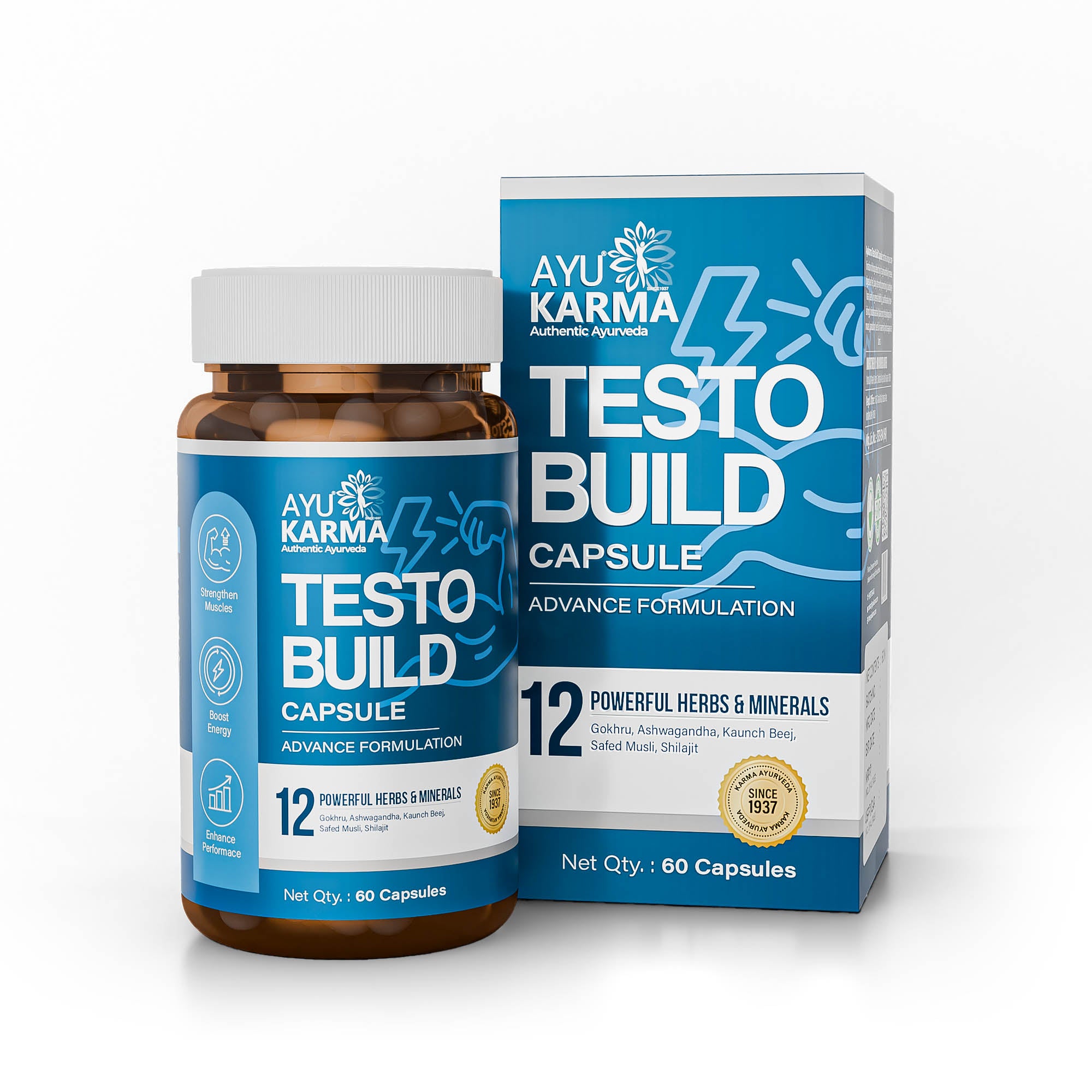
AyuKarma Testo Build Capsules combine 12 Ayurvedic herbs and minerals to support strength, energy, stamina, physical performance, nourishment and overall daily vitality.
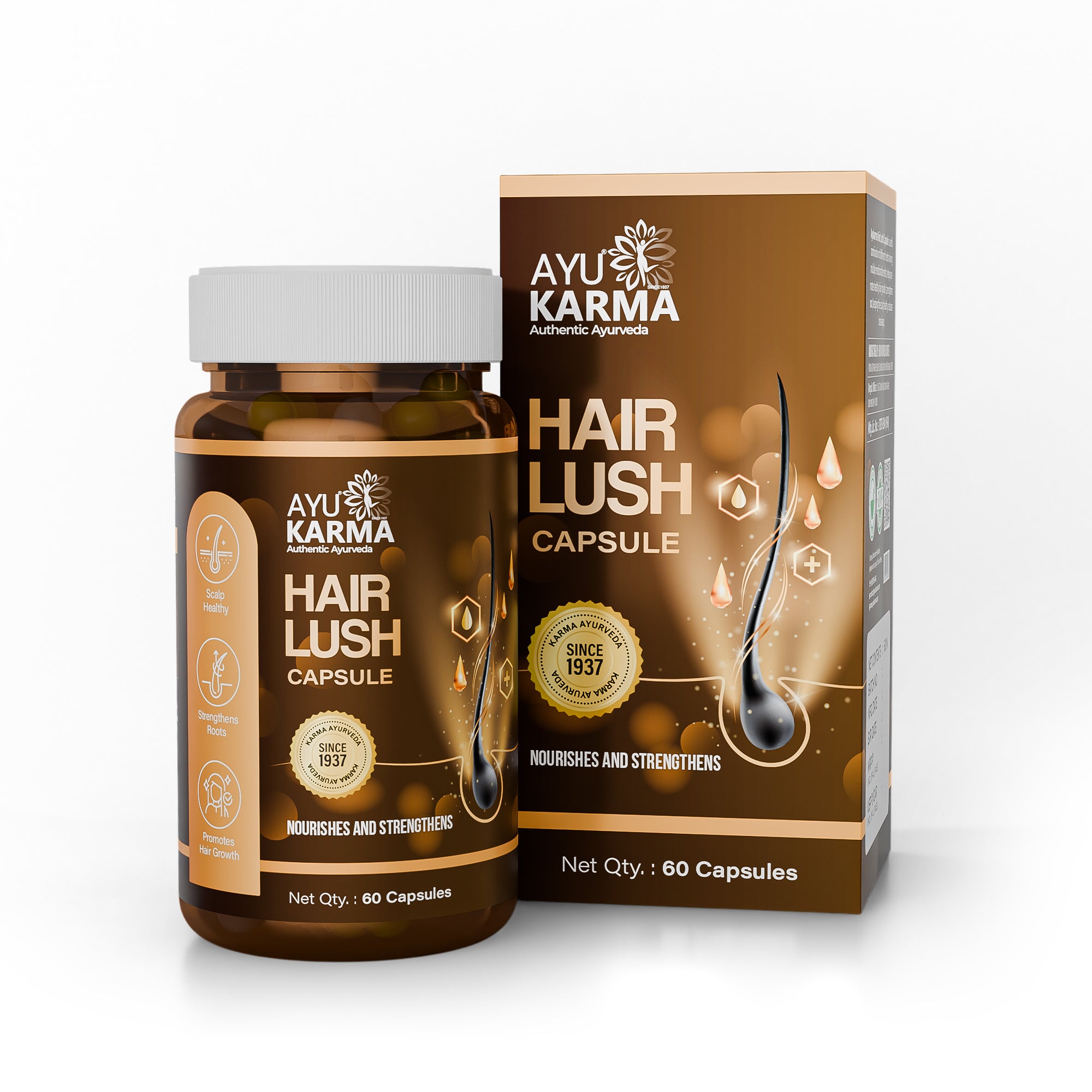
AyuKarma Hair Lush Capsules combine Ayurvedic herbs to support hair growth, reduce hair fall, strengthen roots, nourish the scalp and promote healthier-looking hair.
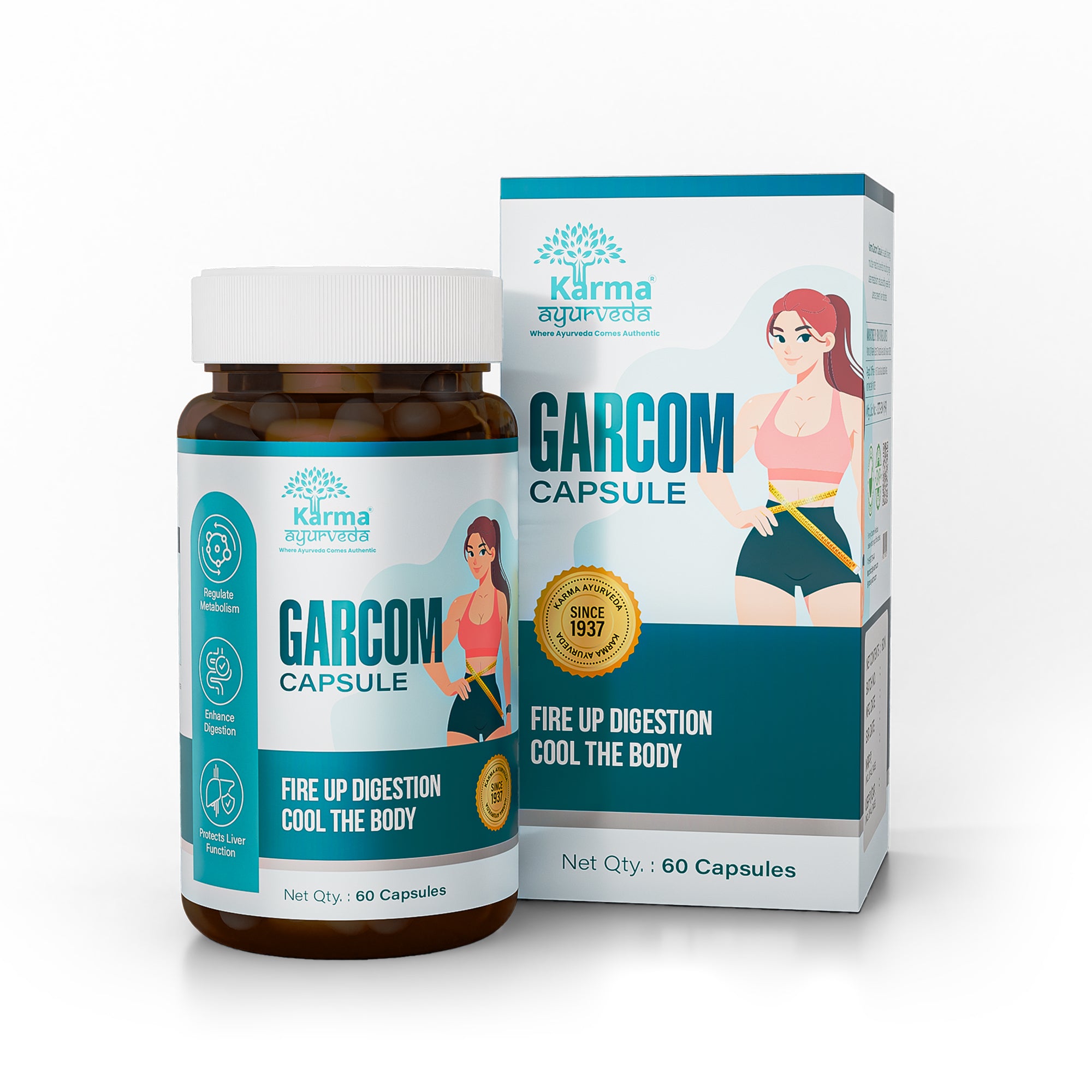
Karma Garcom Capsules contain Garcinia indica to support healthy metabolism, digestion, weight management, digestive comfort and daily wellness alongside a balanced lifestyle.
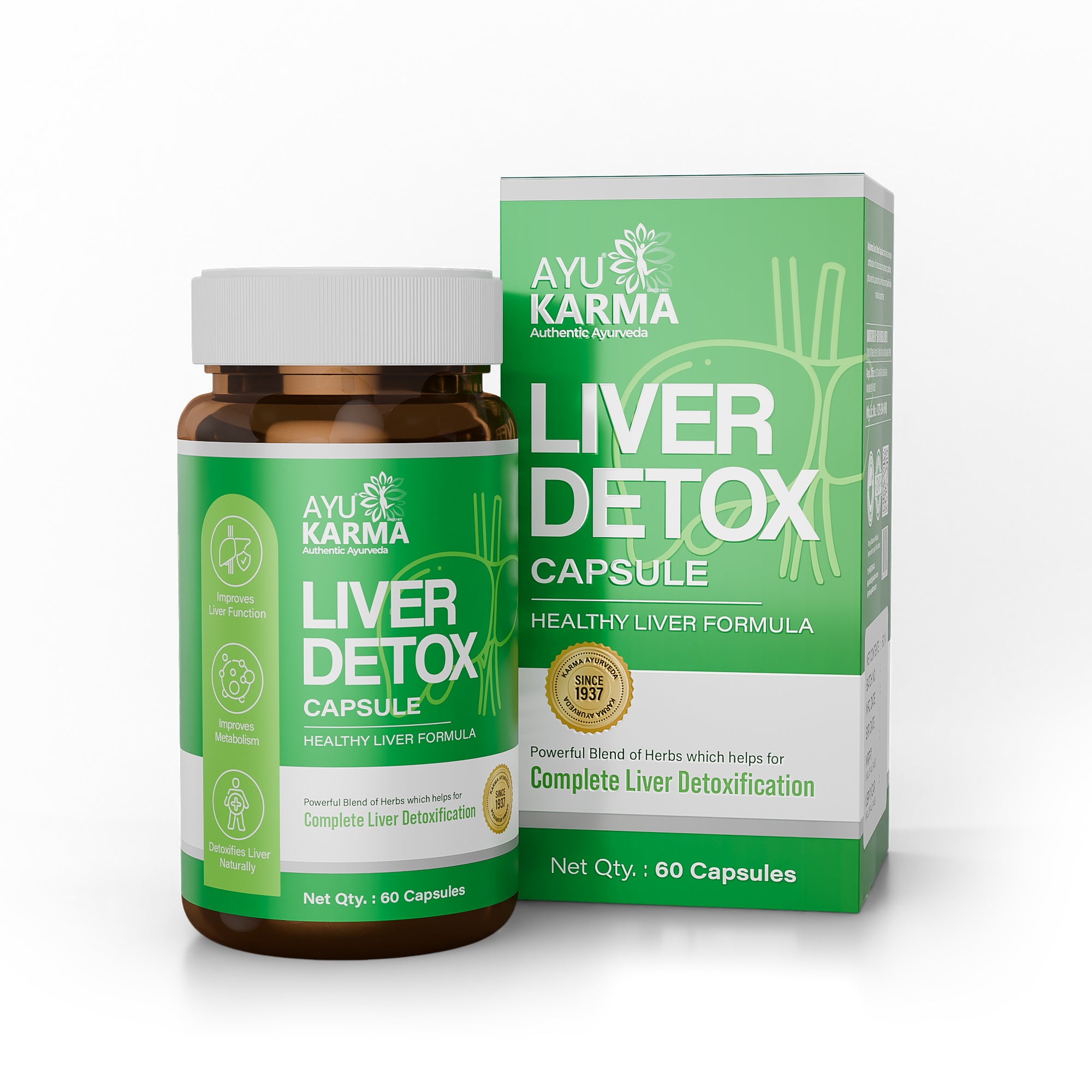
Doctor-recommended liver supplement that helps detoxify the liver, support healthy cholesterol, improve digestion & promote liver health. Developed by Dr. Puneet Dhawan with Karma Ayurveda philosophy.
Second Floor, 77, Block C, Tarun Enclave, Pitampura, New Delhi, Delhi, 110034

Certificate no- AH-2023-0186
JAN 05, 2026 - JAN 04, 2029

US FDA Reg. No.: 14568299376